


Tim is eleven, lives in Toronto, and talks to his grandma from Petersburg on Saturdays. One Saturday, his grandma complained that she didn't go for a walk because she had a cold. Tim honestly asked who had the cold. His grandma laughed and said no one.
The question was a legitimate one. In Russian, when talking about the weather, there is no active agent whatsoever, and this is the first difficulty for anyone approaching the subject. It's freezing. It's snowing heavily. It has gotten a bit colder. It's steaming. It's drizzling. It's getting dark. You can't attach the one who does everything to any of these words, and attempting to do so breaks the phrase. English, in the same situations, is obligated to put the formal "it" in front, otherwise the sentence simply won't come together. Russian gets by without this prop, and the weather in it behaves like an element that just happens on its own.
Observation is not a linguistic curiosity. In a country where winter lasts half the year and the thermometer can drop below minus fifty, the attitude towards weather has developed as a force that isn't argued with. In such phrases, the person is left in a passive position. «I'm cold,» "I've been chilled," "We've been snowed in." Further on, facts and words will follow, because grandmother's "razvezlo" (meaning to be physically unwell, often due to weather exposure) cannot be explained without the former, nor translated without the latter.
What does search show and what does it not show
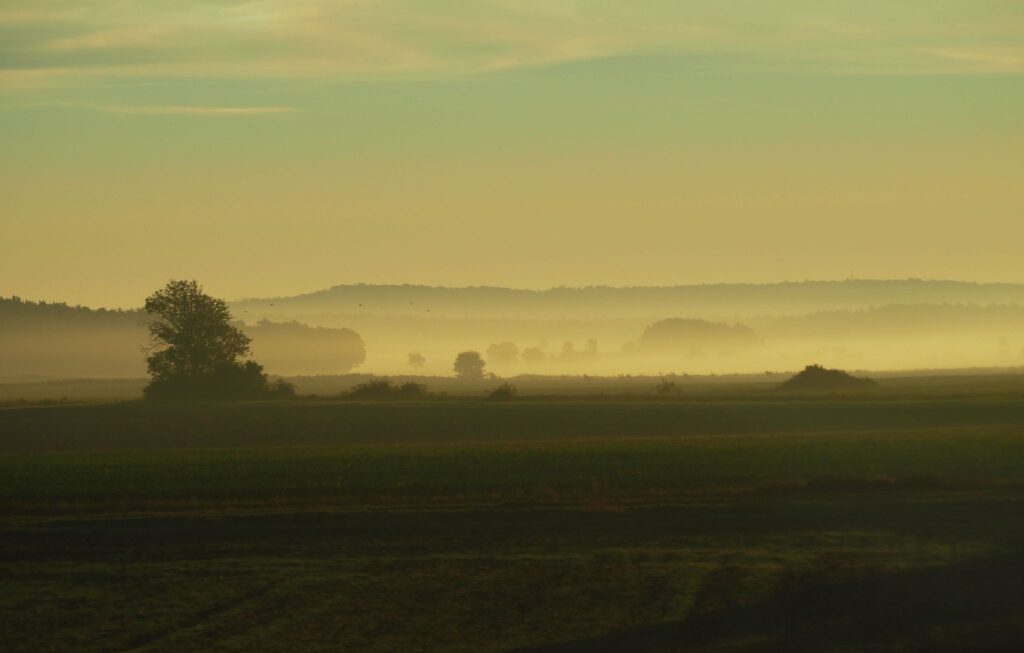
After that call, Tim did the sensible thing and typed "weather in Russia" into the search bar. The results showed him a single number for the entire country, and that number meant nothing.
The territory lies in several climatic zones at once, so a single number doesn't work here. The Far North experiences an arctic and subarctic climate with a short, cool summer. The temperate zone covers most of the map, but there's no uniformity within it; four subtypes coexist there. West of the Urals, the climate is moderately continental; beyond the Urals, it becomes continental; in Eastern Siberia, it reaches sharply continental levels; and the southeastern part of the Far East operates on a monsoon schedule, with wet summers and dry winters. A thin strip along the Black Sea coast near Sochi stands apart, already subtropical, where the coldest month averages around six degrees Celsius. Magnolias and palm trees stay green, and a rare snowfall in the city is remembered for the entire year.
All this variety is maintained by the distance from the ocean. The sea nearby softens both winter and summer, so the Baltic coast lives more evenly than others. In the depths of the mainland, there is nothing to hold back; winter cooling and summer heating go to the limit, and one point on the map shows minus fifty in January and plus thirty in July.
From this comes a rule that is slightly unexpected for a traveler. Latitude in Russia is a less reliable indicator of weather than longitude. St. Petersburg is further north than Moscow, but its winters are milder because it's near water. The same principle explains another extremity of the country. Vladivostok is at roughly the same latitude as Sochi, but its winters are frosty and windy because cold air comes from the mainland, and in the summer, from the ocean, making July damp and foggy. Therefore, queries like "Russia weather" provide an average temperature for the entire country, from which nothing can be concluded.
Climate zones of Russia
The country lies in several climate zones, so there isn't a single figure for «weather in Russia.» The zones run from top to bottom, from the coldest to the warmest.
Arctic and subarctic
The Far North. The summer is short and cool, and in winter there is polar night, when the sun does not show itself for weeks.
Murmansk, Norilsk, TiksiModerately continental
West of the Urals. The winter is frosty, but changeable; a thaw in the middle of January is a common occurrence.
Moscow, Saint Petersburg, KazanContinental
Western Siberia. The difference between seasons is noticeably greater: winter is colder than Moscow's, and July reaches thirty degrees Celsius.
Novosibirsk, Omsk, TyumenSharp continental
Eastern Siberia. The annual temperature range in some places exceeds a hundred degrees: minus forty in winter and plus thirty-four in summer.
Irkutsk, Yakutsk, Oymyakon, VerkhoyanskMonsoon
Southeast of the Far East. Winters are dry and windy, with air coming from the continent. Summers are wet and foggy, with air coming from the ocean.
Vladivostok, KhabarovskSubtropical
A narrow strip of the Black Sea coast. The coldest month averages around six degrees Celsius, with magnolias and palm trees growing.
Sochi, AdlerThe main rule: latitude in Russia says less about the weather than longitude. The further from the ocean, the greater the difference between winter and summer.
Why is it damp at Grandma's, but freezing in Moscow
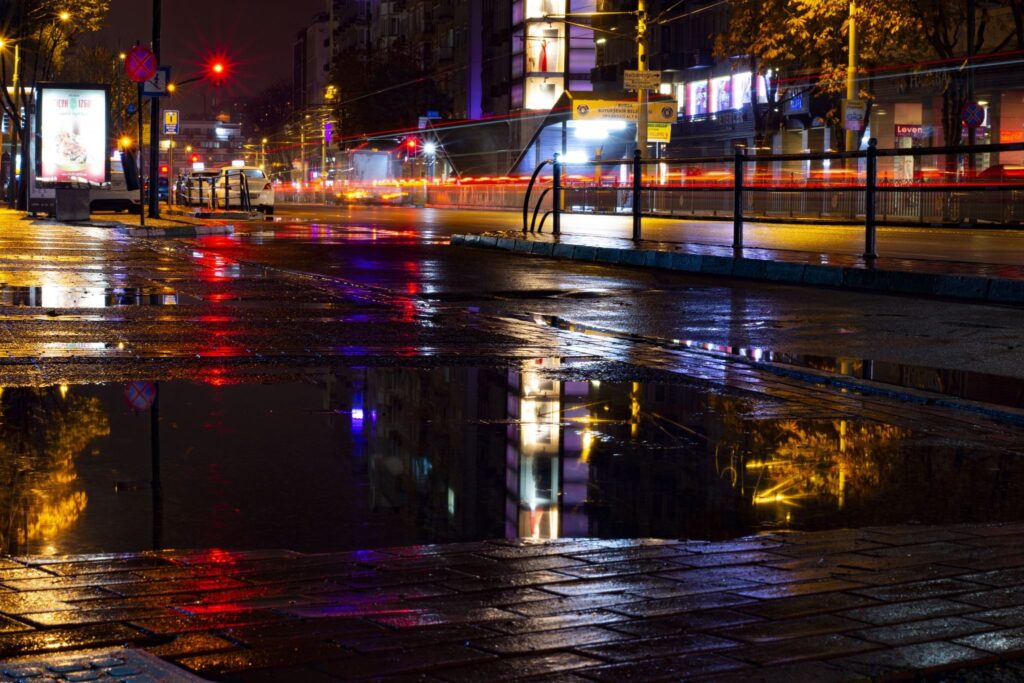
The night on the train separates the two main cities, and the weather is so different that my grandmother argues about it with her Moscow relatives every winter.
Moscow is frostier and sunnier in winter. January averages around six or seven degrees below zero, while July brings the air up to about twenty. Twenty-degree frosts happen every year, snow lies steadily from December to March, and summers can be hot, reaching over thirty. For those who check moscow russia weather before their trip, it's worth remembering the main thing about this winter. It's not characterized by constancy, and a January thaw surprises no one here. A weather moscow russia search will show the average norm, but a real January can go from minus twenty-five to plus two in one week.
Petersburg is structured differently, and Tim hears it in his grandmother's voice. Her coldest month is February, with an average of about five degrees Celsius below zero, while July brings around nineteen. The winter is milder than Moscow's, but damper and darker. There are about seventy-five clear days a year, a figure every city resident knows. Snow falls reluctantly and melts mid-winter, replaced by a wet greyness, which is the source of his grandmother's «it's gotten slushy.» Anyone searching for St. Petersburg, Russia weather encounters the same issue because the wind from the gulf and high humidity make zero degrees feel noticeably colder than zero in Moscow.
The locals take this as advice they repeat to everyone who visits. In Petersburg, you dress for the wind, and the thermometer is a bad advisor here.
Temperature by City and Season
Average values for the most frequent points on the map. Actual January fluctuates in both directions, especially in the European part.
| City | Winter | July | What is remembered? |
|---|---|---|---|
| Moscow | January around -6...-7 | Around +20 | Freezing temperatures down to −20 every year, snow from December to March, but the winter is unpredictable, and a January thaw is common. |
| St. Petersburg | February around -5 | around +19 | Softer than Moscow's, but damper and darker: around seventy-five clear days a year, white nights in June, six hours of daylight in December |
| Sochi | The coldest month is around +6 | hot summer | Subtropics: magnolias and palms, and the snow that fell in the city is remembered for the whole year afterward |
| Novosibirsk Krasnoyarsk |
Freezing temperatures below -30 | up to +30 | Summer is short and assertive, with swimming and thunderstorms, and winter in the same city goes down to minus thirty degrees Celsius. |
| Yakutsk | harsh continental winter | up to +35 | Siberia's hottest summer spot during one of its harshest winters |
| Oymyakon | January below -46 | above +34 | The cold pole of the Northern Hemisphere. Official minimum -67.7 (February 1933). Annual range exceeds one hundred degrees. |
| Vladivostok | frosty and windy | Damp and foggy | It is approximately at the same latitude as Sochi, but in winter the air comes from the mainland, and in summer from the ocean |
The title of "Pole of Cold" for Oymyakon is disputed by Verkhoyansk, where -67.8 was recorded in 1892. The figure -71.2 on the Oymyakon stele is taken from geologist Obruchev's notes and lacks official confirmation.
Brother from Krasnoyarsk and his thirty degrees Celsius
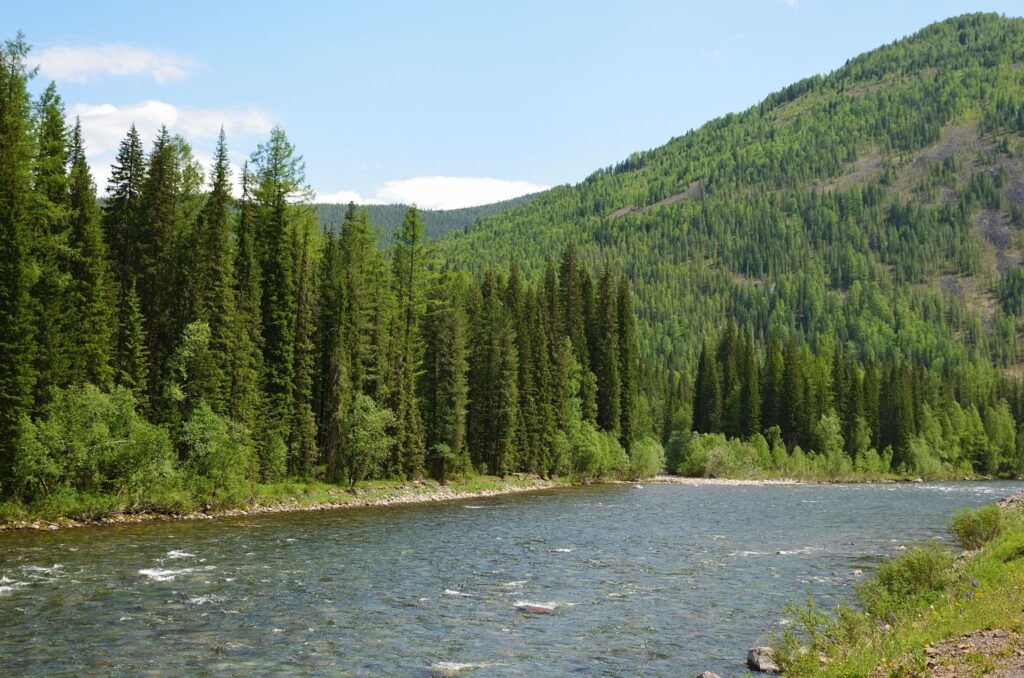
In the summer, Tim's cousin from Krasnoyarsk wrote him that he had been swimming and got sunburned. Tim decided his cousin was joking because In his mind, Siberia was a place where it was always snowing..
The representation is only half true, and the queries "siberia russia weather" and "russia siberia weather" are born precisely from it. The sharp continentality brings not only harsh winters but also full-fledged heat. July in Novosibirsk or Krasnoyarsk easily reaches thirty degrees Celsius, and Yakutsk warms up to thirty-five in the summer. What distinguishes Siberia is the range between seasons, and this range sometimes exceeds a hundred degrees.
For Tim, Siberia was one word, but on the map, it covers a third of the Northern Hemisphere, and people live very differently within it. Novosibirsk, Krasnoyarsk, Irkutsk, and Yakutsk are separated by thousands of kilometers; the only thing they have in common is that the ocean is far from each of them.
Summer here is short and assertive. It arrives late, picks up speed quickly, and in three months manages to deliver both swimming in the Yenisei River, thunderstorms, and the midges, which are warded off in the taiga with mosquito nets. In winter, the same cities experience temperatures below minus thirty degrees Celsius, and someone who got sunburned on the river in July emerges from their home in January bundled in a down jacket and an ushanka hat. This difference is considered normal here; people get used to it from childhood.
A village where a refrigerator isn't needed in winter
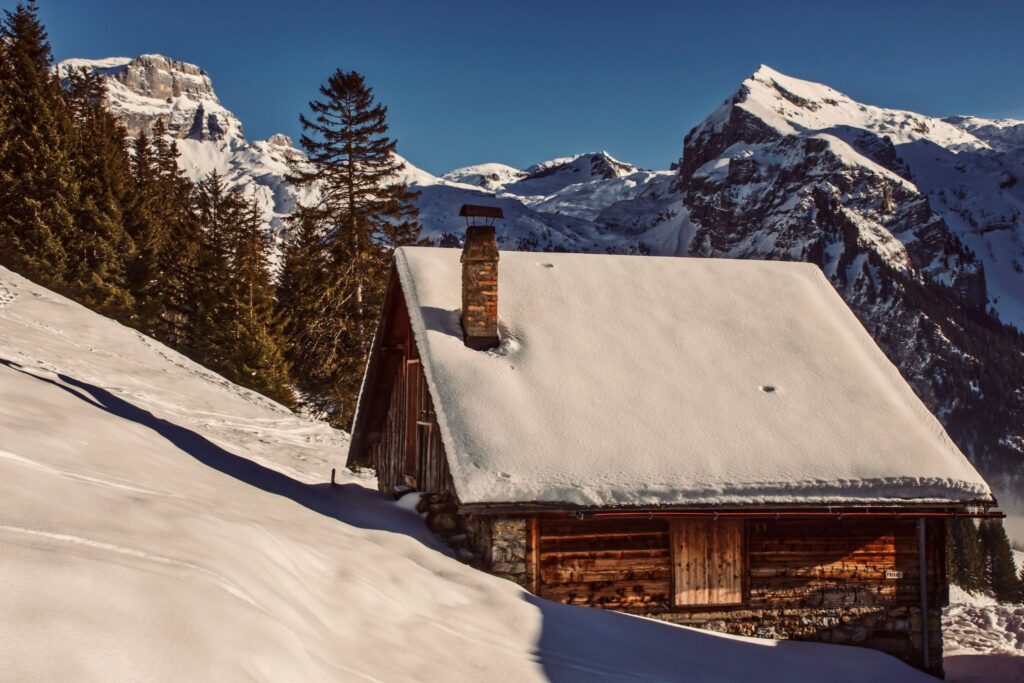
Next, Tim made his way to Oymyakon, as everyone does, because this name comes up in any selection about the cold.
A village in Yakutia bears the name of the Cold Pole of the Northern Hemisphere. The officially registered minimum dropped there to minus sixty-seven point seven degrees Celsius, recorded in February 1933. The stele in the settlement bears a different figure, minus seventy-one point two, taken from the records of geologist Obruchev, but it lacks documentary confirmation and official recognition. Oymyakon's title of Cold Pole is disputed by Verkhoyansk, where minus sixty-seven point eight was recorded in 1892, and this dispute continues to this day.
The average January temperature in the village drops below minus forty-six degrees, and in summer, temperatures exceeding thirty-four degrees above zero have been recorded. Those who search for "Oymyakon Russia weather" are usually astonished by the difference, as more than one hundred degrees are encompassed within a single point on the map. Several hundred people live in Oymyakon, raising reindeer and Yakutian horses. They store meat on their verandas in winter because refrigerators become completely useless during these months. Life is entirely structured around the cold. Cars are usually kept running for days, houses are built on stilts so that heat doesn't melt the permafrost, and school classes are canceled based on the thermometer, with each age group having its own threshold.
A dozen words for snow
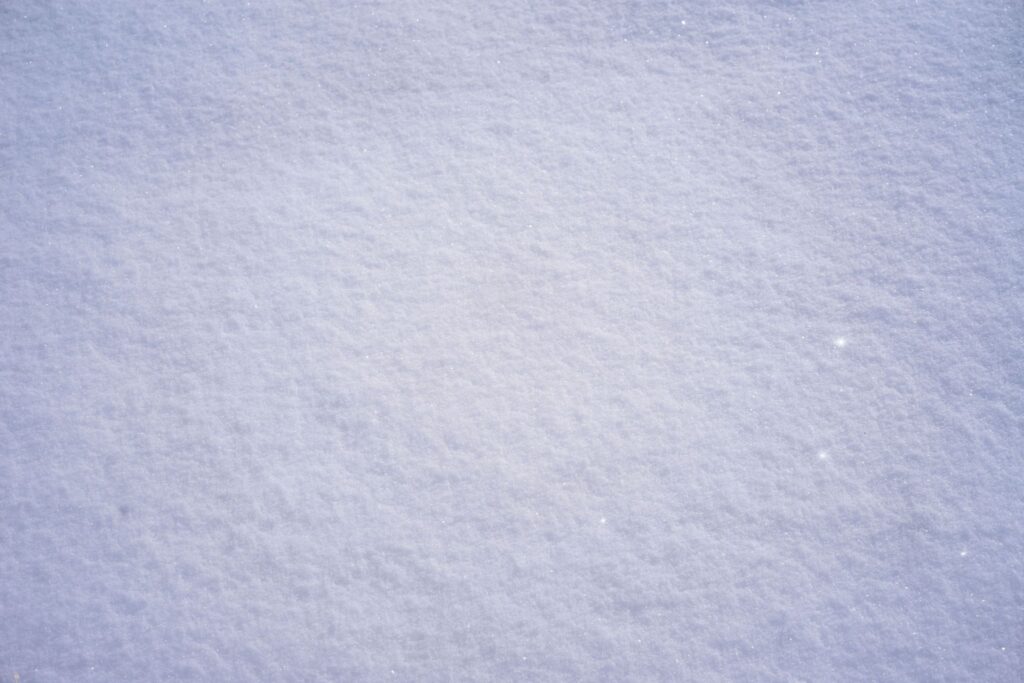
It is commonly said that Eskimos have dozens of ways to name snow. Russians are remembered less often, but the list is no shorter and was compiled out of necessity.
Falling snow and lying snow are called by different names. "Metel" is a general term for snow with wind. "Pozemka" skims along the ground without rising high. "V'yuga" whirls. "Purga" means a strong blizzard, more common in the north and east, and in the steppe, the same phenomenon is called "buran," a word that comes from Turkic languages. "Krupa" refers to small, round snow resembling grains.
The fallen snow has its own group of names. Nast forms a hard crust on top of a snowdrift, which you can walk on without sinking. A snowdrift is blown by the wind. Fresh, loose snow, which hunters value for clearly readable tracks, is called Poroşa.
The rain was not bypassed. A downpour is falling like a wall. Drizzle and mist consist of water dust, from which clothes get wet unnoticed by their owner. A mushroom rain is called a warm and fine one when the sun is out, after which, according to popular belief, people go to the forest. A prolonged rain is said to be continuous or one that has been going on for several days. There is even a verb «to rain,» and it is again impersonal.
For a person from a mild climate All of the above is just snow. For someone who has dealt with it for half a year, the difference between crust and powder is practical, and the language has solidified it. The weather dictionary works like a climate map, and what is most important for life is described in the most detail. It was at this point that Tim stopped considering the Russian words for winter as synonyms.
Scale from frost to bitter cold
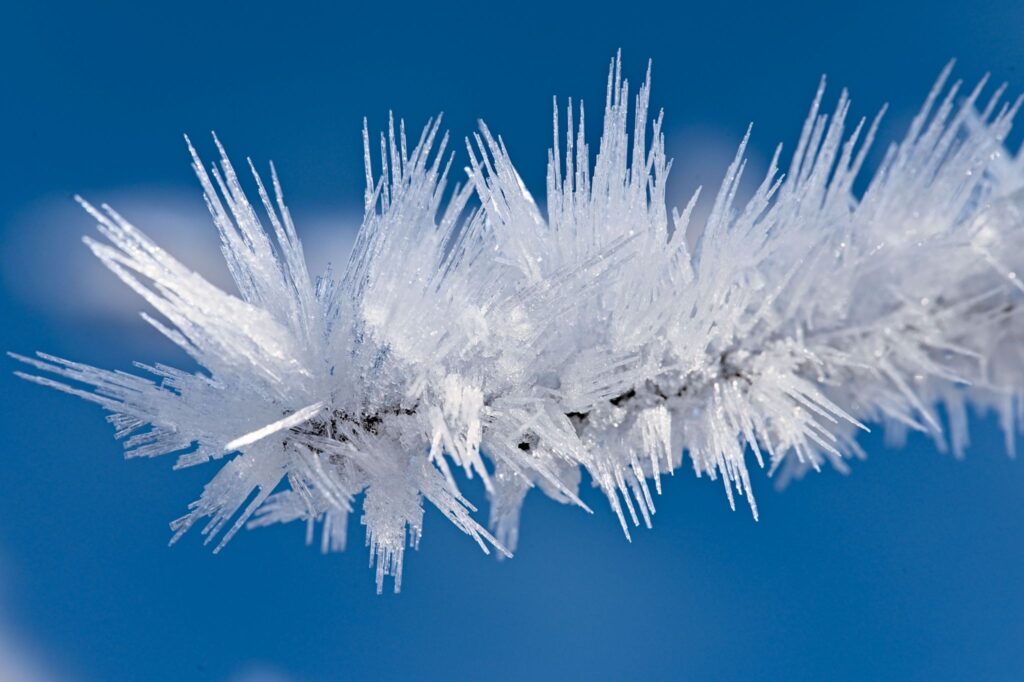
The same thing happens with the word "frost"; it has a whole scale built into the language.
A light and pleasant frost can make your cheeks tingle. Frost signifies ordinary winter cold. A severe chill sounds old and heavy, denoting a long and grueling cold. And a harsh frost is one where children are kept home. Nearby are expressions where frost acts as a living being, strengthening, crackling, pinching, and in the autumn, frosts hit.
Note that the weather here is once again acting on its own. Frosts have hit, roads are snowed in, thawed, and refrozen. Russians describe winter as a series of events without an actor, with humans playing the role of those who adapt.
Cold has another side. It's not always considered a misfortune in language. Invigorating frost and crunchy snow sound approving, and to the question «Is it nice outside?» in winter, you might very well hear, «Excellent, fifteen below zero and sunny.».
Russian Weather Dictionary
Words that cannot be translated into a single English word. Stress is marked to ensure correct pronunciation when reading aloud.
Snow
Rain
Frost and its scale
Seasons between seasons
What to say in a conversation
Seasons that grandma calls herself
The Russian calendar is not limited to just four seasons. In between them are inserted transitional seasons with their own names and specific signs, which grandmother uses without thinking.
Indian summer brings back warmth at the beginning of autumn, when it's still sunny during the day, and cobwebs fly through the air. According to one version, the name is associated with autumn agricultural work that took place at this time, and according to another, with the cobwebs themselves, which were called that.
Thaw means a warming spell in the middle of winter, when the snow begins to melt and everything gets wet. The word has extended far beyond the weather; it has come to denote a softening of the social atmosphere, and an entire era in the country's history has been named after it.
Rasputitsa comes twice a year, in spring and autumn, when the roads turn to mud. For a country with poor roads, the phenomenon was so important that it acquired its own name, and nearby stand slush, icy roads, ice drift, and drip, each with its own precise meaning. Drip, by the way, means the very sound of drops falling from the roof, and by it, spring is recognized earlier than by a thermometer.
What to ask and what to answer on a Saturday call

Now for the practical part, which is why many people search for weather in Russian.
The main question is simple: what's the weather like today? The answers are short, like cold, warm, hot, freezing, damp, windy, cloudy, or clear. Any of these is enough for a whole remark, there’s no need to elaborate. And at the same time, you have a complete sentence, where there’s simply no subject to put.
Temperature is expressed using plus and minus signs, for example, plus five, minus ten, zero. People ask about it with the phrase «How many degrees is it today?» The word «degrees» is often omitted in conversation, and "it's minus twenty outside" sounds completely normal.
The phrase «na ulitse» (on the street) deserves special attention. Russians don't say «snaruzhi» (outside), but specifically «na ulitse,» even if the person is standing in the middle of a forest. Asking «Chto tam na ulitse?» (What's out there on the street?) means "What's the weather like right now?". This little detail immediately reveals someone who learned the language from a textbook.
Phrases about clothing will also be useful. Dress warmly. Take an umbrella. It's slippery outside. There's black ice today. It got colder. It got warmer. The weather cleared up, if the clouds dispersed, and frost, if the cold hit the ground at night. The last words are impersonal again, and this is what's most important to remember about Russian weather conversations.
It's also useful to know that the weather here serves as a full-fledged topic of conversation; it's almost never a polite trifle. A conversation with a neighbor or a taxi driver can easily start with a remark about the frost and move on to memories of last winter. The language preserves a whole layer Signs by which weather was once predicted. Swallows fly low before rain, smoke rising straight up promises frost, and a red sunset portends wind. It's not mandatory to believe them, but these signs constantly surface, along with proverbs like «The frost isn't great, but it won't let you stand.» They say about spring's whims that March deceives with warmth, April with water, and May with cold, and it's too early to take off your coat before Trinity Sunday.
Why would a child living far away need those words?
Our students, who are growing up outside of Russia, unexpectedly struggle significantly with weather-related vocabulary. A child knows "snow" and "cold" perfectly, but blizzard, snowdrift, crust, and thaw remain empty words for them because there's no image or experience behind them.
Meanwhile, it is precisely here that the road to Russian literature begins. Pushkin's "The Blizzard" decides the fate of the characters; the winter road and the frost act on par with people, and a child, for whom a blizzard is simply snow, will only read these pages halfway through. The same goes for the famous line about frost and sun, where the entire picture relies on a combination familiar to anyone who has seen a clear January day after a cold night.
It's also worth mentioning the light, because it's as much a part of Russian weather as temperature. In June, St. Petersburg experiences white nights, when darkness never truly falls, while in December, there are only about six hours of daylight. Above the Arctic Circle, things get extreme, with the polar day giving way to the polar night, when the sun doesn't show itself for weeks. Visitors are usually unprepared for the darkness, whereas they anticipate the frost.
What Tim does every Saturday works great. Calling his grandmother, who's experiencing minus thirty degrees Celsius when it's plus twenty where he is, instantly gives the child both a vocabulary lesson and a sense of the scale of the country his family is from.
At Palme School, children aged four to seventeen learn Russian online with teachers, and lively vocabulary like this is discussed in conversation, along with reading and family stories. You can learn more about the school at two free lessons, an introductory meeting with a methodologist who will assess the child's level, and a trial lesson in a small group with a teacher.
What did Tim answer in December
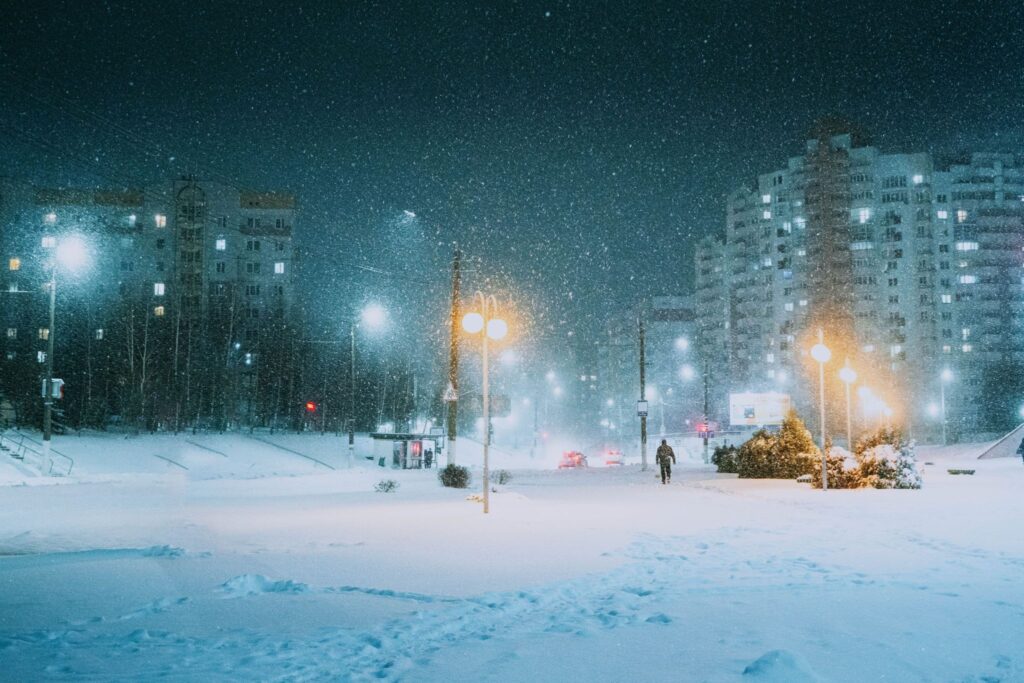
When it comes to weather in Russia, it’s not just about numbers, because the numbers are too varied. On one January day, it’s ten degrees above freezing in Sochi, fifteen degrees below in Moscow, and fifty degrees below in Oymyakon. The only thing that unites the country from the Baltics to Yakutia is the language in which they talk about all of this.
The language is structured demonstrably. Weather in it functions without a subject; people simply adapt, which is why they say "it chilled," "it snowed over," "it thawed out," "it warmed up." Snow is described by a dozen words, frost has a scale from a gentle nip to a fierce freeze, and between seasons are squeezed Indian summer, thaw, and mud season. To learn this vocabulary means to understand how life is perceived in a country with such winters.
And the check of what was learned comes unnoticed. In December, grandmother asked Tim what was going on outside, and Tim replied that it had gotten cold. He no longer specified who exactly had gotten cold.
Russia has a predominantly continental climate. It is not always cold in Russia. While many regions experience cold winters with significant snowfall, summers can be warm, and in some southern areas, they can even be hot. The vast size of Russia means it has a wide range of climates, from arctic in the north to temperate in the south and even subtropical on the Black Sea coast.
There is no single climate; there are several zones. The north lives by an Arctic and subarctic scenario, the middle of the map is occupied by a temperate zone with four subtypes within it, and a narrow subtropical strip stretches below Sochi, where January brings around six degrees Celsius. It's incorrect to talk about eternal cold, as Siberian summers can heat the air to over thirty degrees Celsius, and the true characteristic of the local climate is how far apart the seasons are.
What is the weather like in Moscow in winter and summer?
January in Moscow averages around minus six or seven degrees, while July brings the air up to about twenty. Freezing temperatures of twenty degrees Celsius occur annually, but Moscow winters are not distinguished by consistency, and a January thaw here surprises no one. Heat waves happen in the summer, and snow typically lies from December to March.
How does the weather in Saint Petersburg differ from Moscow's?
Petersburg is north of Moscow, and it's warmer there in winter, with the nearby sea explaining the difference. The lowest point is in February, around minus five on average, while July reaches approximately nineteen. The city is distinguished by its dampness and lack of sun, with only about seventy-five clear days per year. The cold feels more intense here due to humidity and the wind from the gulf, so the thermometer doesn't tell the whole story.
How cold is it in Oymyakon and is it really the coldest place?
Oymyakon in Yakutia is called the Cold Pole of the Northern Hemisphere, although Verkhoyansk disputes this title. The officially registered minimum there is minus sixty-seven point seven, recorded in February 1933, and the average January temperature drops below forty-six degrees below zero. In the summer, over thirty-four degrees Celsius was recorded, so the annual range exceeds one hundred degrees.
There are many words for snow in Russian because of the significant role snow plays in Russian culture and history, as well as the need for precise description in a country with a harsh climate.
Because in a country with a half-year winter, the differences between types of snow are of practical importance. Meťel (blizzard), pozemka (drifting snow), v'yuga (snowstorm), purga (snowdrift), and buran (heavy snowstorm) describe different behaviors of snow with wind, while nast (crust), sugrob (snowdrift), and porosha (light snow cover) describe different states of lying snow. Language detailly names what is important for life, so the weather dictionary here works like a climate map.
How do you ask about the weather in Russian?
The main question is «what's the weather like today,» and the answer is usually a single impersonal word, like cold, warm, hot, damp, windy, or overcast. Temperatures are given with plus and minus signs, and the word «degrees» is often omitted in conversation. It's worth remembering the phrase «na ulitse» (out on the street), which replaces the English «outside,» and impersonal verbs like «pokholodalo» (it got colder) and "poteplelo" (it got warmer), which have no subject and cannot have one.