

There are two frames worth placing side by side. In the first one, there is a little monkey from a 1936 film: round ears, round eyes, sweeping gestures, and a body that bends like rubber. It is almost impossible to tell it apart from the American mouse that was world-famous at the time, and no one even tried. The similarity was the goal. In the second frame, shot forty years later, a little hedgehog stands in the fog, and this fog breathes because it is made of paper, glass, and patience. Between these two frames lies the entire history of the studio.
This story begins with someone else's success. In 1933, the American embassy brought its animation festival to Moscow, and the film authorities really liked what they saw. Two years later, at the first Moscow Film Festival, Disney's films won third prize, and Sergei Eisenstein sent their creator an enthusiastic letter, receiving in response a drawing of Mickey Mouse with a signature. These papers are still kept in Moscow at Eisenstein's museum-office. In the summer of 1936, an order was issued to create a studio modeled after the American example. It is said that the decision was made at the very top, but there is no confirmation of this, and in serious sources, it is called a legend.
Our answer to someone else's little mouse
The date of birth is considered to be June 10, 1936, and the studio was assembled from several small groups that had previously worked separately. At first it had a longer name: Soyuzdetmultfilm, and only a year later did it get its familiar name. The first film, black-and-white and very short, was called «It's Hot in Africa,» with a script written by Sergey Mikhalkov.
The concept was overtly imitative. Not only the drawing style was copied, but also the production method: assembly line, division of labor, celluloid technology, where characters are drawn on transparent sheets over a common background. The studio would later joke that just as writers came out of Gogol's overcoat, animators grew up in Mickey Mouse's shorts. Starting in 1937, color was introduced, and short stories about little animals drawn in a recognizable overseas manner flew onto the screens one after another.
Ninety years in dates
What is an eclair and why did people move away from it
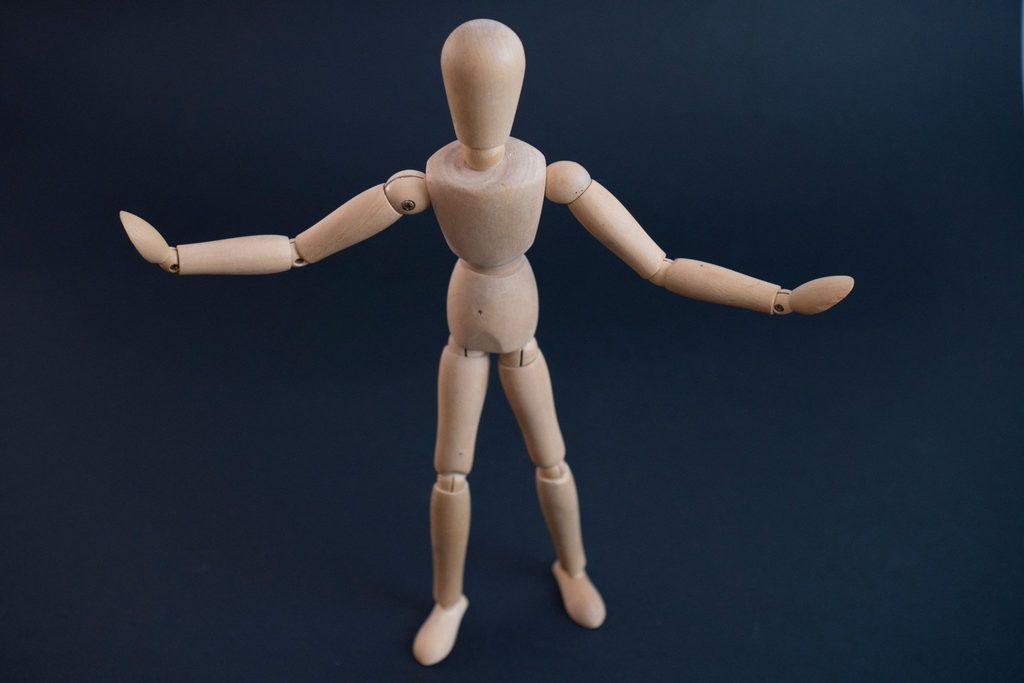
In 1938, a method was introduced at the studio that explains a great deal about what the films of those years looked like. It was called «Éclair,» after the brand of the apparatus, and was essentially rotoscoping. First, actors were filmed as in a regular live-action movie, and then artists traced their movements frame by frame. Its heyday came in the fifties. «Kashtanka,» «The Golden Antelope,» and «The Snow Maiden» were made using this method, followed by major fairy tales like «The Scarlet Flower» and «The Snow Queen.».
The method produced plausible movement and near-human fluidity, but it had a downside. The drawing ceased to be a drawing and turned into a trace of live-action footage, and with it disappeared the very reason animation exists at all: the freedom to do the impossible. The characters moved convincingly and boringly. This realization had been building for two decades and ultimately led to a breaking point.
War, Samarkand and puppets
Peaceful work was interrupted in October 1941, when the studio was evacuated to Samarkand. They returned to Moscow in 1943, and as early as 1945, «The Lost Letter» was released, which is generally considered the studio's first major work. The conversation about animation being able to be more than just short-form began precisely back then.
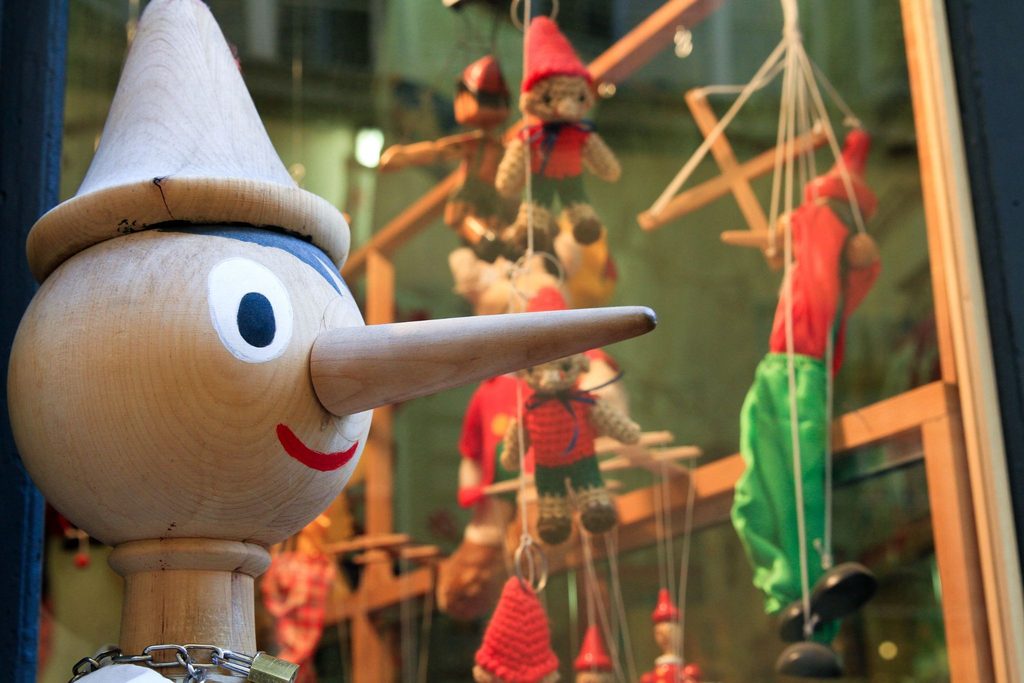
In 1953, the studio opened a puppet animation department, and it turned out to be more important than it seems. A puppet does not allow tracing over a live actor; it has its own physics and limitations, and working with it taught people to think about movement anew. At the same time, experience was being accumulated in cutout animation, a technique in which flat cut-out figures are moved across layers of glass. Twenty years later, the studio's most famous film would grow out of this technique.
When painting stopped pretending to be photography
The break happened in the early sixties, and it was a conscious one. Fyodor Khitruk released «Story of a Crime,» drawn with deliberate stylization, flatly, without any regard for plausible movement. There was nothing to trace in it; the movement was built from the drawing, rather than from live-action footage. Following his lead, others adopted this stylized approach, and within a few years, the studio changed its language almost entirely.
Next came what today is called Soviet animation in Western catalogs and is analyzed in film schools. Artists earned the right to their own style, and their styles diverged widely. One worked with cutouts and glass, another with sparse drawings and precisely timed pauses, while nearby others were already sculpting from plasticine. At the same time, children were treated seriously, without making allowances for their age, and that was also a deliberate choice. It took thirty years to go from copying someone else's model to finding a language of their own, and the result was such that others soon began to imitate it.
Who shaped the identity of the studio
| Director | Famous works | Manner |
|---|---|---|
| Ivan Ivanov-Vano | «The Humpbacked Horse, The Twelve Months» | classic hand-drawn |
| Lev Atamanov | «The Snow Queen», «The Little Scarlet Flower» | traced vector |
| Fyodor Khitruk | «History of a Crime», «Winnie-the-Pooh» | schematic drawing, eclair rupture |
| Roman Kachanov | «Mittens», «Cheburashka» | doll |
| Vyacheslav Kotenochkin | «Well, Just You Wait!» | drawn slapstick |
| Yuri Norstein | «Tale of Tales, Heron and Crane» | glass replacement |
How the collection went to America and came back
Here begins the part that is usually rattled off in anniversary notes. In 1992, the rights for foreign commercial use of the studio collection were acquired by the American company Films by Jove, founded by the émigré actor Oleg Vidov and his wife, journalist Joan Borsten. Two years later, the term of the contract was extended to thirty years.
It so happened that showing Soviet classics outside the former Soviet Union was only possible through an American company. The story stretched over a half-decade and a half. Lawsuits began in 2003 when the studio was split into a production part and a film archive, and everything ended in September 2007: businessman Alisher Usmanov bought out the rights and transferred the collection to the state children's TV channel. The amount was not officially disclosed, and estimates vary significantly. For families living abroad, this story has a practical consequence: it was precisely after this that the classics gradually returned to legal, open access, and today they are posted on the studio's official channel, which is labeled in Latin characters as soyuzmultfilm.
Ninety years later
On June 10, 2026, the studio turned ninety. Over this time, it has released more than a thousand and a half films and gathered over four hundred festival awards. The studio is still operating today, shooting new material and continuing the old: Prostokvashino has got new episodes, and one can endlessly argue about whether they are better than the previous ones.
What is more interesting is something else. The name, conceived as a promise to catch up with a foreign studio, has long become an independent word. The history of Soviet cartoons begins precisely with it. The story of which films entered the golden fund, we reviewed in our selection Soviet animation classic, and there is one about the most famous of them Analysis of «Hedgehog in the Fog».
Why does a kid who watches cartoons need this chronology
A child growing up abroad usually gets the result without the history. They see Cheburashka and Matroskin the cat, and to them, they are just characters, much like any others. Meanwhile, behind them lies a story that is easy for an adult to retell. Ninety years ago, the studio started out by imitating others and eventually reached a point where others learn from it.
Such a story provides something that simply watching does not. The child realizes that cartoons are made by someone, that they have authors, debates, and decisions behind them, and that grandma and grandpa watched these exact same films when they were his age. A shared memory with elders does not develop in a child on its own; it has to be passed on through words.
How it was, in short
Soyuzmultfilm was established on June 10, 1936, as the Soviet answer to American animation, and for the first twenty years it faithfully copied the model, right down to pipeline production and rotoscoping using the «eclair» method. The turning point came in the early sixties when the drawing stopped pretending to be live-action footage, and over the next two decades the studio developed its own visual language, which later began to be studied all over the world. The nineties almost cost it its collection. The rights to foreign distribution returned to the country only in 2007. In the summer of 2026, the studio turns ninety years old, and it continues to operate.
To whom should this memory be passed on?

Children can watch cartoons on their own, but names, dates, and the debates surrounding them come to them only from adults, through conversation. At Palme School, the Russian language also reaches children in this way, along with stories and questions about them. We accept students from four to seventeen years old.
You can find out if this is right for your child at two free lessons. The first one is held with a methodologist, who gets to know the child, determines their level, and talks about the program. The second one takes place like a real group lesson, with a teacher and other children.
Frequently Asked Questions
When was Soyuzmultfilm founded?
The decree establishing the studio was issued on June 10, 1936, and at first it was called Soyuzdetmultfilm. The familiar name appeared a year later, at which time the studio also began producing color films. It was assembled from several small teams that had previously worked separately.
Is it true that the studio was created as a response to Disney?
Yes, and nobody hid this. In 1933, a festival of American animation was held in Moscow, the film executives liked the style, and it was adopted as the standard. Both the drawing style and the production method were copied. Stories that the decision was made personally by Stalin are regarded in serious sources as an unconfirmed legend.
What is the Eclair method in animation?
That was what rotoscoping was called, where actors were first filmed as in live-action cinema, and then artists traced their movement frame by frame. At the studio, this method had been used since 1938. It produced realistic movement, but stripped the drawing of its freedom, and in the sixties it was consciously abandoned.
What happened to the studio's collection in the nineties?
In 1992, the American company Films by Jove acquired the rights for the foreign commercial use of the collection, and two years later the contract term was extended to thirty years. The classics could be shown abroad only through it. The rights were bought out and returned to the country in September 2007.
Is Soyuzmultfilm operating today?
It works. The studio is making new films and continuing old stories; for example, new episodes of «Prostokvashino» have been released. In June 2026, it turned ninety years old.
How many animated films has the studio released?
During its existence, the studio has produced over one and a half thousand films in a wide variety of techniques, ranging from drawn and puppet animation to cutout and clay animation. The studio has accumulated over four hundred international festival awards.