You can hear a pot of shchi before you see it. The smell hits you right at the threshold. In a multi-apartment building, the whole staircase knows it. Dal has a separate adjective recorded for it. Shchanoi. «Shchanoi spirit.» Few dishes have earned their own word for their smell.
The name of the soup itself is tiny. Two letters. There is nothing shorter in Russian cuisine. In Latin characters, those same two letters expand into shchi. Five characters for a single syllable. At the same time, the soup is old, older than its own name.
First there was cabbage
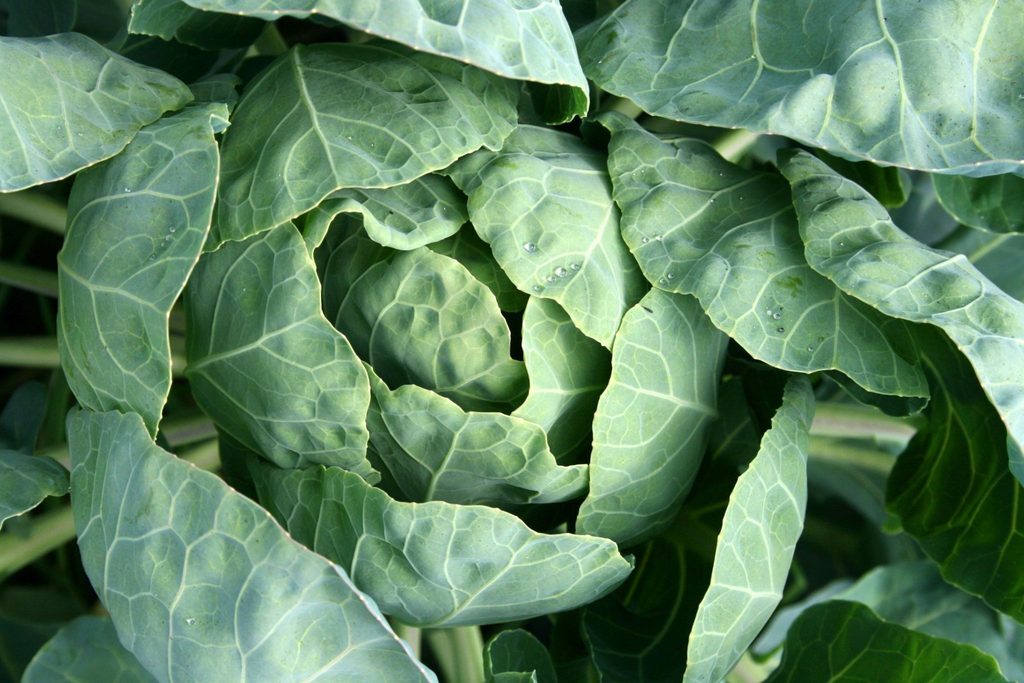
Cabbage as a garden crop was already known in Kievan Rus in the eleventh century. In the twelfth century, it was recorded in a princely document. The Smolensk Prince Rostislav, by a charter, granted Bishop Manuel a garden with a cabbage patch on a hill. Historians debate what exactly a "kapustnik" was—garden beds or the farmstead attached to them. The fact itself is more important: in the charter, the vegetable stands alongside lands and tributes as something of value.
The word itself is recorded in written sources only in the sixteenth century. First as «shti». A gap of more than four hundred years. Soup was being made long before its name was written down. By the way, not only soup bore this name. Fasmer cites a record from a 1510 charter of a man registered as Ivan Shti. A nickname from a bowl.
Where the word itself comes from, nobody knows for sure. Among Fasmer's versions is the ancient «sътъ», in the plural «sъti». It is seen as having a meaning akin to sustenance. Back then, «shtya» was the name for any hearty brew. The word stuck to cabbage soup later on. For length of service. Shchi was eaten every day, round the year, across all social classes. The difference was set by wealth, the recipe was the same for everyone. With meat, shchi was called rich. On water with onions, it was called empty. Two adjectives instead of a census.
What kinds of shchi are there
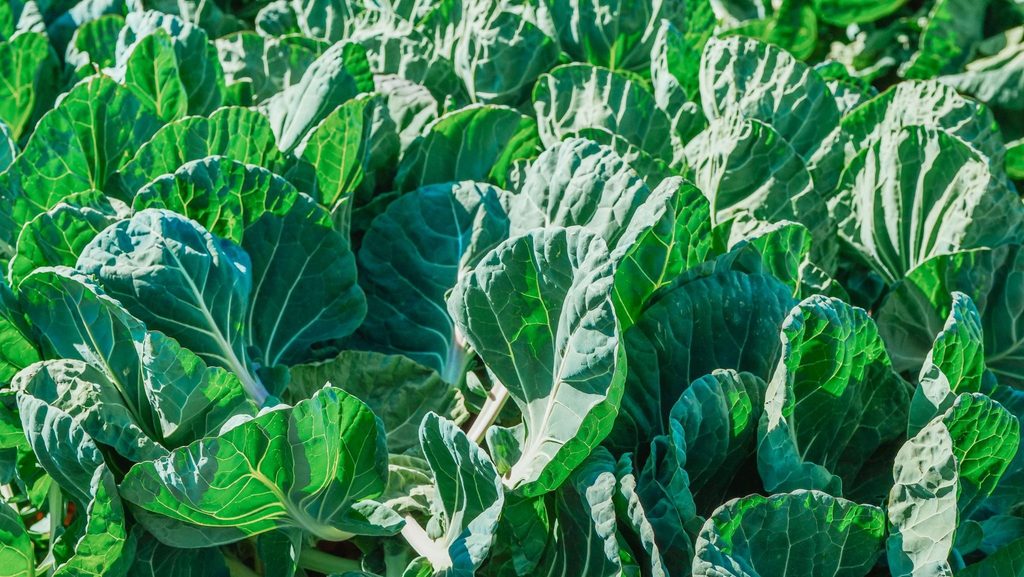
The main fork in the road is cabbage. Fresh cabbage makes a light and mild soup. Sauerkraut makes a sour and sharp one. Sour is the classic way. Moreover, for centuries the calendar made the choice; the cook merely obeyed. Fresh cabbage lasted until December. After that, the barrel was opened. In spring, when the barrel ran out too, they made soup from the first greens. In Dahl, such schi are called nettle schi, «at the very beginning of spring.» Green schi, made from sorrel, belong to the same category. The leaf itself provides the sourness. Half a boiled egg goes into the bowl.
Dal also features lazy shchi. Made from fresh cabbage, unchopped, simply sliced with a knife. The name winks. Chopping and fermenting require work, while slicing fresh cabbage is a lazy affair. A full breakdown of types, from rich to nettle, is gathered in the table below.
What kinds of shchi are there
Lazy, nettle and frozen are described in Dahl's dictionary using the same words
| View | What is it made of | Taste | When and why |
|---|---|---|---|
| The rich | Sauerkraut, meat on the bone | Sour, rich | Classics, weekdays and holidays |
| Empty | Cabbage, onion, water | Sour, light | Lean and meager days |
| Fresh | Fresh cabbage, broth | Light, soft | Summer and autumn, before opening the barrel |
| Lazy | Fresh whole cabbage, hand-chopped with a knife | Soft, fast version | When there's no time to fuss, a name from Dal |
| Nettle | Young nettles, broth, egg | Herbal, spring | «In the early autumn, when the cabbage ran out |
| Green | Sorrel, broth, egg | Sour from the leaf | Spring, the sign of winter's end |
| Per diem | Any sour cabbage soup, aged for 24 hours | Deep, smooth | They are cooked the day before on purpose |
| Frozen | Ready-made cabbage soup, frost | Like daily allowance, even deeper | Road map from Dahl's dictionary, today a freezer |
One variety does not belong here because it is not a soup. In the nineteenth century, sour shchi was also the name of an effervescent drink. Cheap, bottled, with a pop when opened. Chichikov ends his first evening in town in Dead Souls with a bottle of it. The drink is described in detail in the article about kvass. It left the language a taunt: «professor of sour shchi.» The drink was sold from every stall and cost pennies. A professor of such a science knows what is known to everyone. The drink disappeared. The taunt lives on. The soup has been taking the rap for someone else's sins for a century and a half.
How to cook shchi in America
There is exactly one catch. Sauerkraut. The solution is in the next aisle. German sauerkraut is fermented the same way. It behaves the same way in soup. Check the ingredients, only cabbage and salt, no vinegar. This kind of cabbage is taken from the refrigerated display case, a jar from the shelf is worse, and if it's too sharp, it is rinsed. In Russian stores where they get Borodinsky bread, there is also cabbage with carrots. It is ideal for shchi. Sorrel is sold as sorrel. In the spring, fresh at farmers' markets. Frozen year-round.
What to buy for shchi and where
| What | Why | Where |
|---|---|---|
| Beef on the bone | Brisket or shoulder blade, the broth is made from it | Any supermarket or butcher shop |
| Sauerkraut | Base of sour shchi | Russian store (often with carrots) or sauerkraut from the refrigerated section, ingredient list without vinegar |
| Sorrel for green borscht | Spring version of soup | Farmers markets in spring, frozen in Russian stores all year round |
| Sour cream | A spoon in the plate neutralizes the acid | Russian store or full-fat sour cream from the supermarket |
| Black bread | Ready to serve, Borodinsky is better | Russian store, German or Polish bakery |
| Potatoes, onions, carrots, bay leaf | Everything else | Anywhere |
By city
New York and New Jersey
The NetCost Market chain in Brooklyn, Queens, and New Jersey, and in Brooklyn from Brighton Beach to Bensonhurst, dozens of Russian stores with sauerkraut and dark bread.
Boston
Berezka and Bazaar in Brookline, cabbage and sour cream in the same place as the bread.
Toronto
Yummy Market (North York and Maple), Bathurst Village Market, where they bake their own rye.
Online
RussianFoodUSA and GastronomUSA ship nationwide everything except perishables.
Without a Russian store
Sauerkraut from the refrigerated section of any supermarket, sour cream, dark rye bread from a German bakery. Searching for Russian grocery or European deli on a map will survive any specific address.
Where to eat ready-made shchi
Almost nowhere, and the article explains why. If you are still looking, check the soup section at a Russian restaurant.
Store names were verified at the time of publication; if a location has closed, look for Russian grocery or European deli on the map.
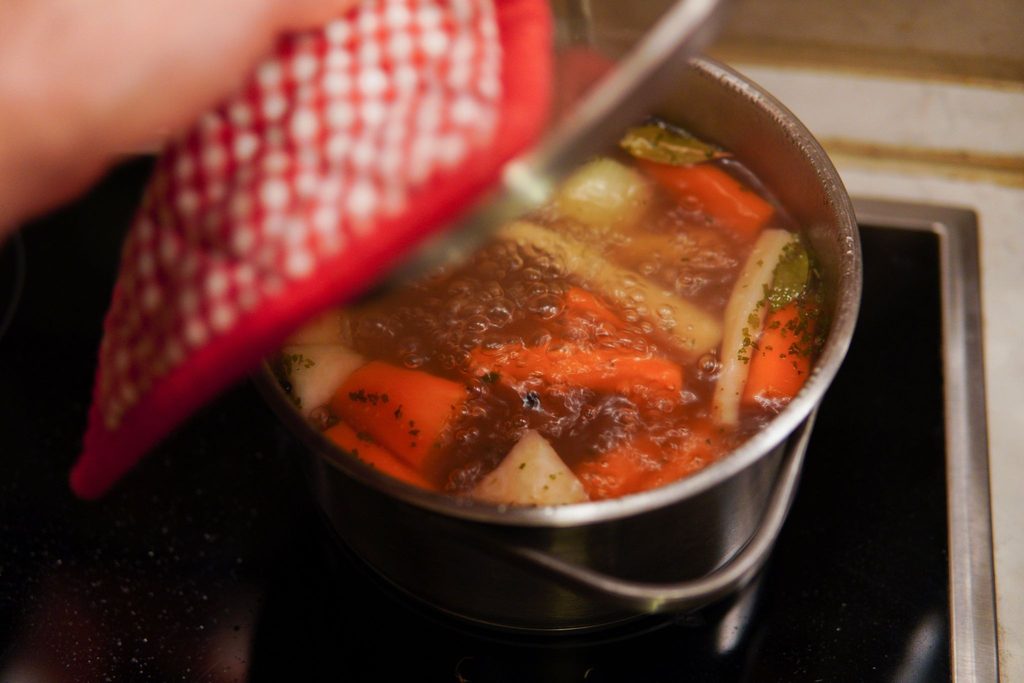
Next, time does the work, not the cook. The bone-in meat is covered with cold water, and an hour goes into the broth, from which the foam is skimmed. Fermented cabbage needs another hour and a bit; it cannot be rushed and is hard to ruin. Potatoes, fried onions and carrots, and a bay leaf go in toward the end, and fresh cabbage is added twenty minutes before turning off the heat. The secret to the flavor historically lay in the oven. The shchi didn't boil there. They simmered for hours in the cooling heat. A pot on low heat with the lid on replicates that regime. If you were looking for a shchi recipe or russian cabbage soup, exhale. Five steps. All with timers in the card below. There you will also find common mistakes, from overcooked potatoes to excessively sour broth.
Sauerkraut cabbage soup, five steps
Ingredients and proportions for a 4-liter pot. Mark steps and start timers, progress is saved in this browser.
Pour cold water over the beef on the bone, bring to a gentle simmer, skimming off the foam. Heat on minimum, lid slightly ajar.
1 kg of beef on the bone, 3 liters of water
Add the cabbage (rinsed, if desired) to the broth. Simmer over low heat until it becomes tender and loses its sharpness.
500 g of sauerkraut or sauerkraut
Dice the potatoes and put them in the pot. Sauté the onions and carrots until soft and add them to the soup as well.
3 potatoes, 1 onion, 1 carrot
Bay leaf, whole black peppercorns, salt to taste. Remove the meat, take it off the bone, and return it in pieces.
2 bay leaves, pepper, salt
Turn off the heat, cover with a lid, and do not touch. A Russian oven did this for hours, half an hour is enough for a pot. Ideally, let the soup sit in the fridge overnight.
What went wrong
Too sour
Reason. The cabbage was very sharp and went into the soup unwashed.
What to do. Dilute with broth or water with a pinch of sugar. Wash the next batch of cabbage before adding it.
The cabbage is tough
Reason. She ran out of time, or she was ratted out along with the potatoes.
What to do. Continue cooking, sauerkraut takes a long time and is not afraid of being overcooked. Add the potatoes to the acidic environment later.
The potatoes fell apart
Reason. She was put in too early or the cubes are too small.
What to do. Nothing can be done in this pot anymore, the soup will still be tasty, just thicker. Next time, add it no earlier than the third step, along with the sautéed vegetables.
The broth is cloudy
Reason. Vigorous boiling or foam not removed in time.
What to do. It doesn't affect the taste. For clarity, cook on the lowest heat and skim off the foam for the first twenty minutes.
Bland, something's missing
Reason. The strain was not allowed to steep.
What to do. Turn off the heat and let it sit covered for half a minute, or better yet, until tomorrow. 24-hour cabbage soup was invented precisely for this.
Why yesterday's cabbage soup tastes better
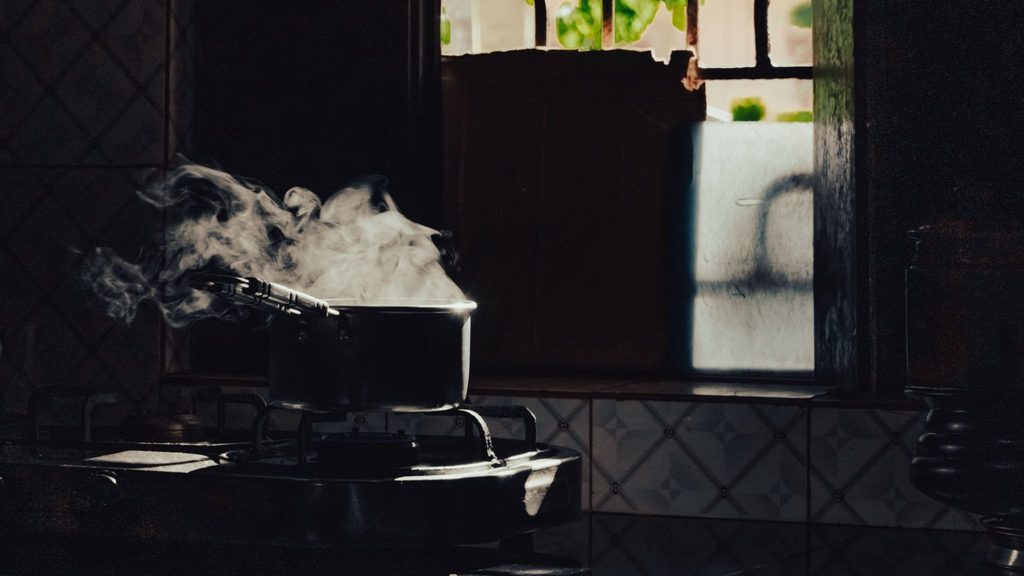
Dahl has a travel note about shchi: «Frozen shchi are taken on the road; they are chopped and heated.» The dictionary describes a frozen semi-finished product as a common thing. The soup was put out in the frost. The block was chopped with an axe. A piece was heated in a pot at an inn. A century and a half before the freezer. Along the way, they noticed the main thing. Shchi that have sat a while taste better than fresh ones. Over night, the acidity, fat, and vegetables merge into a single flavor. From this observation, a genre was made. Day-old shchi. They were intentionally cooked the day before.
In Boston or Toronto, this habit is inherited effortlessly. A pot is cooked once, and it feeds three evenings. Each reheating is deeper than the previous one. The container in the freezer carries on the trail tradition. Only without the sled and the axe.
What are schi eaten with
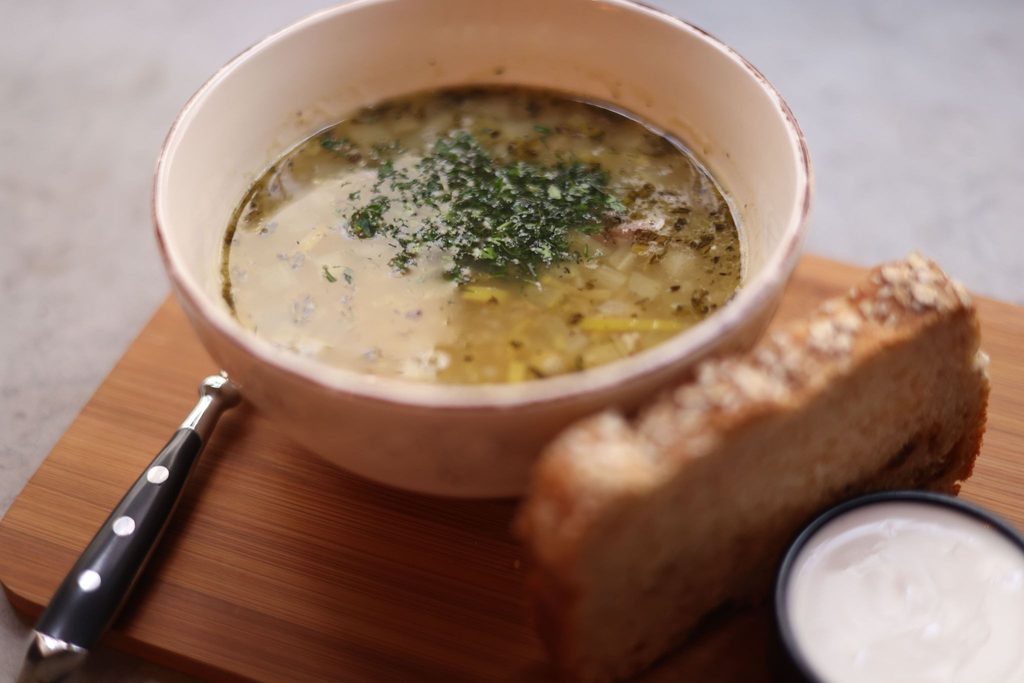
Sour cream is added with a spoonful directly into the bowl. It dampens the acidity; without it, sour cabbage soup tastes sharper than intended. Black bread, Borodino is better. Garlic is optional. That is all. There is nothing to garnish. Cabbage soup is older than the very idea of garnishing food.
It is almost nowhere possible to try someone else's schi, and this is more of a feature than a flaw. Borscht and solyanka are on every Russian menu from Brooklyn to North York. Schi feel out of place in a restaurant. Their finest hour comes on the second day. No kitchen will put a soup with yesterday's date on the menu. Therefore, rare schi in the soup section act as a mark of quality. They cook them there just like at home. Everyone else is left with their own stove.
Near borscht Shchi look like a poor relation. That is an optical illusion. Borscht got the beets, the color, the fame, and the citizenship disputes. Shchi got the dictionary. A column in Dal. A cabbage patch in a 12th-century princely charter. The nickname Shti in a 16th-century charter. A separate word for the aroma. First place in line traditional Russian dishes They didn't win. They served their time. A bowl a day, a thousand years in a row.
The pot on the stove in Toronto smells the same as the peasant hut for whose spirit Dal recorded his adjective. A child does not learn this. It clings by itself. Twenty years later, he will recognize cabbage soup from a single spoonful. And he will remember the short word that in the Latin alphabet has to be put together from five letters.
Frequently asked questions about shchi
What is shchi in simple terms?
Cabbage soup on a slow-cooked meat broth. It has been cooked for about a thousand years. Sauerkraut gives it a classic sour taste, while fresh cabbage makes a mild summer version. Sour cream and dark bread are served with the bowl.
How do shchi differ from borscht?
Beets above all. In borscht, they dictate the color and sweetness. In schchi, they are completely absent, and the acidity comes from sauerkraut. Few soups are older than schchi. The soups have little in common: a rich broth and a spoonful of sour cream.
Can you make shchi (cabbage soup) with sauerkraut?
Yes, this substitution works: the fermentation method for sauerkraut and Russian cabbage is the same. Check the label, there should be no vinegar, and bypass the canned goods in favor of the refrigerated section. Cabbage that is too sharp can simply be rinsed.
What is sutochnye shchi?
Soup cooked the day before and kept in the cold for twenty-four hours. Overnight, the flavor mellows and gains depth. Therefore, a second bowl of shchi is valued more than the first. It is reheated one portion at a time, while the rest waits in the cold.
What is green shchi?
A spring version of soup where cabbage is replaced by sorrel with its own distinct tartness. The classic serving includes a boiled egg. In America, sorrel is called sorrel; you should look for it in the spring at farmers' markets, while frozen sorrel can be found in Russian stores year-round.