
Names and identifying details of every student below have been changed.
Marina is twelve, and she lives outside Cleveland. At dinner she told her father that the phone rule was unfair, because the adults check their phones under the table and she had been counting for three weeks. Her details are changed, as they are everywhere on the blog.
She was sent from the table for arguing about it.
The because is the whole thing
I don’t want to is a preference. I don’t want to because That's an opinion. The second half is the part that took work, and Marina had built a case, tested it against the evidence she collected herself, and delivered the whole thing in a level voice at the table.She was punished for the thinking.
The argument I won and lost
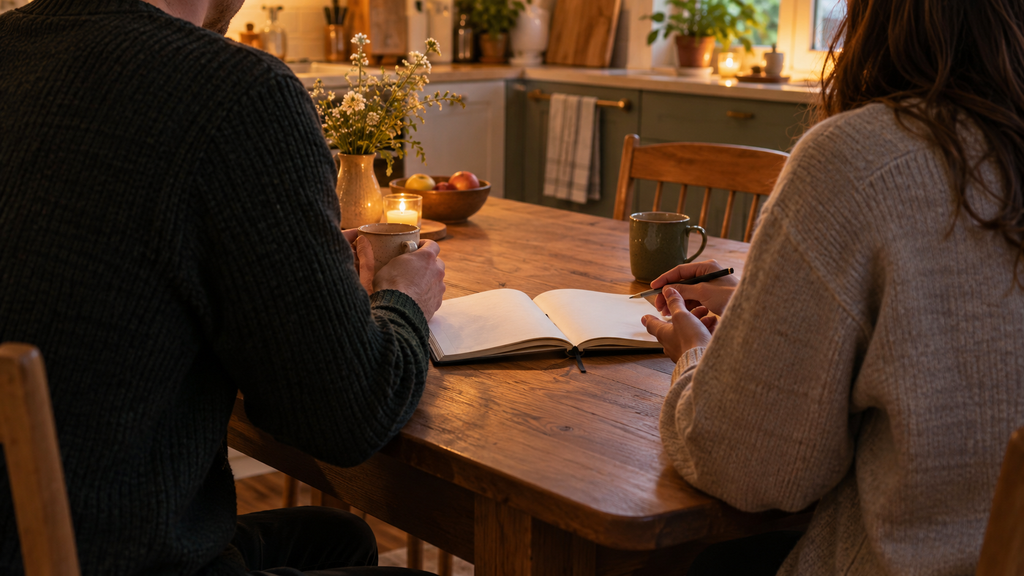
I was fourteen and right about a curfew, and I can still reconstruct the case: the walk home was twenty minutes, the bus ran until eleven, and the friend whose house it was was a mother I knew and liked. The case was lost. Not to an argument, but to a sentence: we are not discussing this. What I took from that evening was not that the curfew was fair. It was that assembling a case had been a waste of an afternoon, and for about two years afterward I stopped assembling them and switched to the thing that actually worked in our house, which was going quiet and doing it anyway.A child who loses to a sentence learns to stop building cases.
Arguing and reasoning are different activities
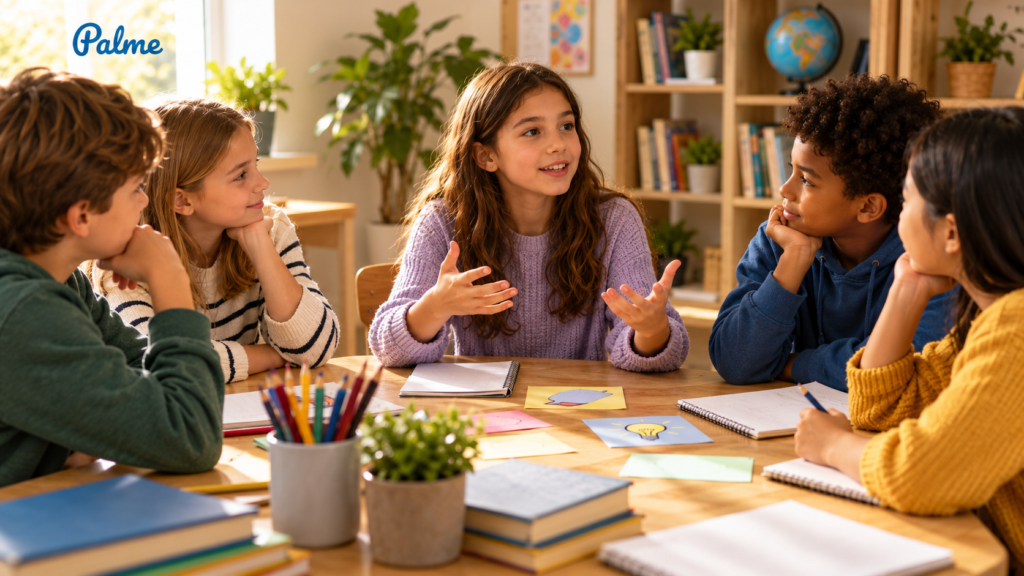
Children tell the two apart long before they can name the difference, and they spend years establishing which of the two actually works in your house. Listen to the difference in what comes out of them. That’s not fair is a complaint. That’s not fair because you said Saturday and it’s Saturday is a case, and the second one took effort the first did not.Arguing is about winning. Reasoning is about being right, which sometimes means losing.
If the adult who talks longest wins, that is the lesson they take, and no classroom exercise in structured debate is going to compete with fifteen years of watching it work.
My own method at home is lasting longer. Not the best case. Still being there when the other person runs out of energy, which I recognized only when a twelve-year-old told me she had stopped bothering to explain things to me. She was right, and she figured it out faster than I did.
What to say when they push back
| Instead of | Try |
|---|---|
| Don’t argue with me | Give me your best reason |
| Because I said so | That’s fair. Here’s mine |
| You’re being rude | Say it again in a normal voice |
| End of discussion | I’m not changing my mind, but you argued that well |
Games help. Take a silly position, defend it for two minutes, swap sides. Then let them argue a real household rule, and change it, once they turn out to be right about it. Marina’s family kept the rule and applied it to the adults, which is the version of winning that was actually available to her.
At Palme School we teach online, in groups of up to eight, two forty-minute classes a week, and the first two lessons are free. You can book those here, and there are printable materials for parents in our resource library.Frequently asked questions
Separate the reason from the volume. Ask for the voice to come down, and do not treat a raised voice as a refutation of the point underneath it, which is the move most of us make without noticing, in the kitchen, nightly, while believing we are teaching manners. Schools have a name for the skills underneath this and teach them on purpose, filed under social and emotional learning. At home the same work happens without a name or a curriculum.
Say so, and occasionally lose. A child who has never won a fair argument at home has no evidence that reasons work.
Practice where losing is survivable. The same principle applies to saying no.
Sources
- Collaborative for Academic, Social, and Emotional Learning. (n.d.). What Is SEL? Retrieved September 4, 2026. casel.org
Palme School: Conversation school · Russian for bilingual children · Free materials for parents
Lily Rozberg has been teaching for sixteen years, first English in Russia and now Russian to bilingual children across the US and Canada. She writes for Palme School about heritage language, reading, and the things report cards do not measure.