In English-speaking families there is an old habit. When a child needs to discuss something that he or she is not yet allowed to know about, adults pronounce the word in alphabetical order. «Should we get him an I-C-E C-R-E-A-M?» The code works until the day the child learns to combine the letters into words, and then a joyful «Yes!» is heard from the next room.
In a family where the mother speaks Russian and the father does not, there is no need to say anything in letters. It is enough to switch to Russian. For a child who knows five or six words in Russian, the conversation between the mother and grandmother at dinner sounds like a continuous code, and most often it is not even intentional; it is just more convenient for them.
Only codes of this type break down in a similar way. And before deciding what to do with the Russian at the table, it is worth looking at how the child actually breaks them.
The first familiar word, its name

Imagine the kitchen after dinner. On the refrigerator hangs a weekly schedule, written in two different fonts. Mom and Grandma discuss the day ahead in Russian, quickly and naturally. Sasha is eight years old; he knows a few words in Russian; at home they mostly speak to him in English because his father doesn't speak Russian. He finishes his pasta and barely listens.
«Who will pick up Sasha tomorrow?»
With his name, albeit in an unusual form of «Sasha», he stops chewing and raises his head.
«Are you talking about me?»
The question is simple; it means «Are you talking about me?». From the entire Russian phrase, Sasha understands one word, and that word is his own.
The child may learn their name even if the rest of the phrase is unclear to them. In this scene, the familiar name becomes Sasha's first clue about them.
Behind which word something is happening

Other clues could be words that are repeated in familiar situations. Mom says something long to grandma, and somewhere in the middle there is a sound of «sleep,» and five minutes later Sasha is led to brush her teeth. Grandma asks about «ice cream,» and after dinner there is a bucket in the freezer. Grammar is not needed for the child here. A familiar situation can help him connect the heard word with the event.
The evening conversation about tomorrow is also structured in the same way. In the recurring conversation, you can link «he will pick you up» to an event that you know about, someone you meet after school. Tomorrow at three o’clock, there will be someone alone at the school gate, a mom, dad, or grandma, and Sasha will see him with his own eyes. This conversation has a check that most adult conversations at the table do not have.
If they are talking in Russian about the very fact that he doesn’t need to know anything
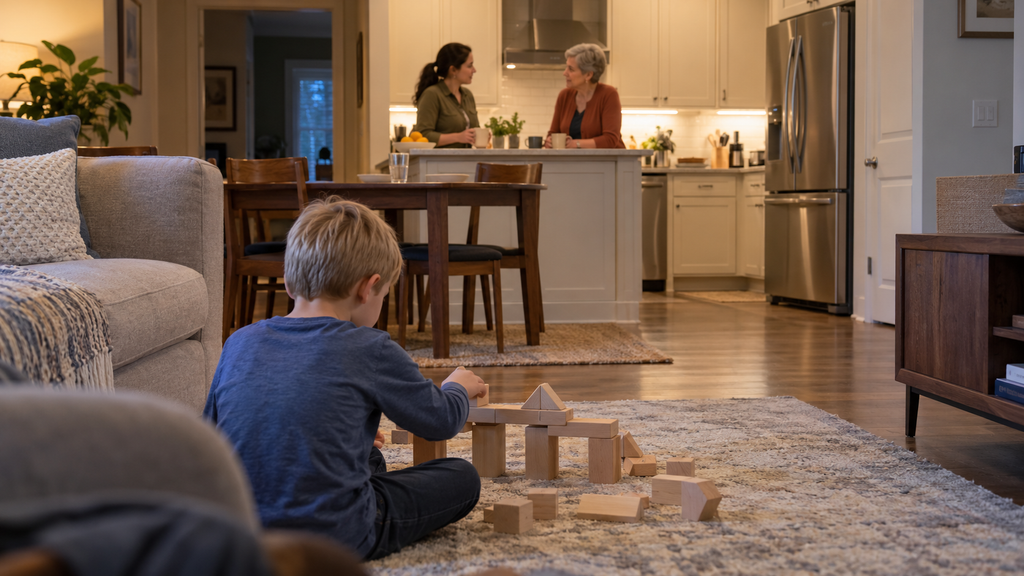
It’s easy to think that Russian is necessary at the table and then used to discuss adult matters with a child. Sometimes that’s exactly what happens. Money, health, arguments with relatives remain adult conversations, and no one is obligated to open them up.
Their only common code is the language. A child who doesn’t know the language cannot distinguish between talking about money and talking about tomorrow. He can recognize individual words, but it’s not always clear what the whole conversation is about. He can test his guesses by asking adults in a familiar language.
Therefore, it is more useful to decide for yourself which conversation to open first. Secrets won't be affected by this.
A conversation that has an answer the next day

Taking a child from school means coming to pick them up or going to pick them up and leaving with them. In Kuznetsov’s dictionary, this meaning is described as «taking someone somewhere with you,» and among the examples are «taking someone from the hospital, from school, from a kindergarten.».
Different forms of this verb are heard in the evening conversation.
«Who will pick up Sasha tomorrow?»
«I'll take it. I have a short day.».
«Then Dad will pick me up on Thursday.».
The basic structure of the «take» and «take away» is the same, «take-», and the endings are different. «Who will take it?» and «Dad will take it» contain the same form, so the question and answer sound almost the same to the child. In «I will take it», the person who is acting also changes, and the verb ending changes as well. For the first time, these two answers are enough: «I will take it» and «Dad will take it».
If you ask the gate tomorrow, «Who took you?» it will sound like the past tense; the situation is different there. The child will most likely understand the meaning of the word based on the situation, but it's not necessary to explain it yet.
It’s impossible to say in advance how many evenings it will take to accomplish this. You can return to the phrase in a familiar situation without immediately needing an answer in Russian.
One phrase tonight
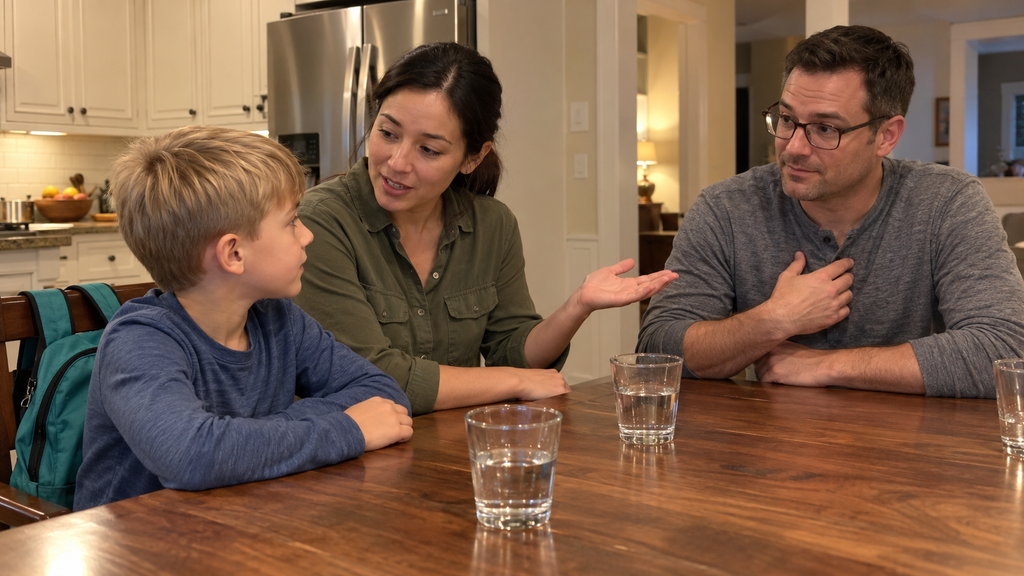
When it comes time to talk about tomorrow, tell the answer not only to each other, but also to the child. «Tomorrow your dad will pick you up.» Show the child the dad or his name in the schedule. If the meaning is still unclear, briefly explain in the child’s familiar language and repeat the Russian phrase.
Tomorrow at the school gate you can ask, «Who took you?» and wait. The child can point with their finger, answer in English, or say «Dad.» This answer allows the conversation to continue, although it does not yet show how well the child has understood the Russian phrase on its own.
Below is a small exercise book where the child can create their own weekly schedule and see how each day sounds in Russian. The resulting schedule can be printed out and hung on the refrigerator next to the real one.
Who will pick me up?
Choose who will pick you up from school every day of the week. A phrase in Russian will appear under the day. You can read it together with an adult, then print it out for a week and hang it on the refrigerator.
Monday
Tuesday
Wednesday
Thursday
Friday
In English, the same phrase sounds like «Mom is picking me up on Monday».
If all the Russian speech in the house sounds over the child’s head, Russian may remain for him the language of other people’s conversations, in which decisions are made without him. This may not necessarily happen, but it is easier to open one sentence than to later explain why Russian is also his language.
To whom else to forward
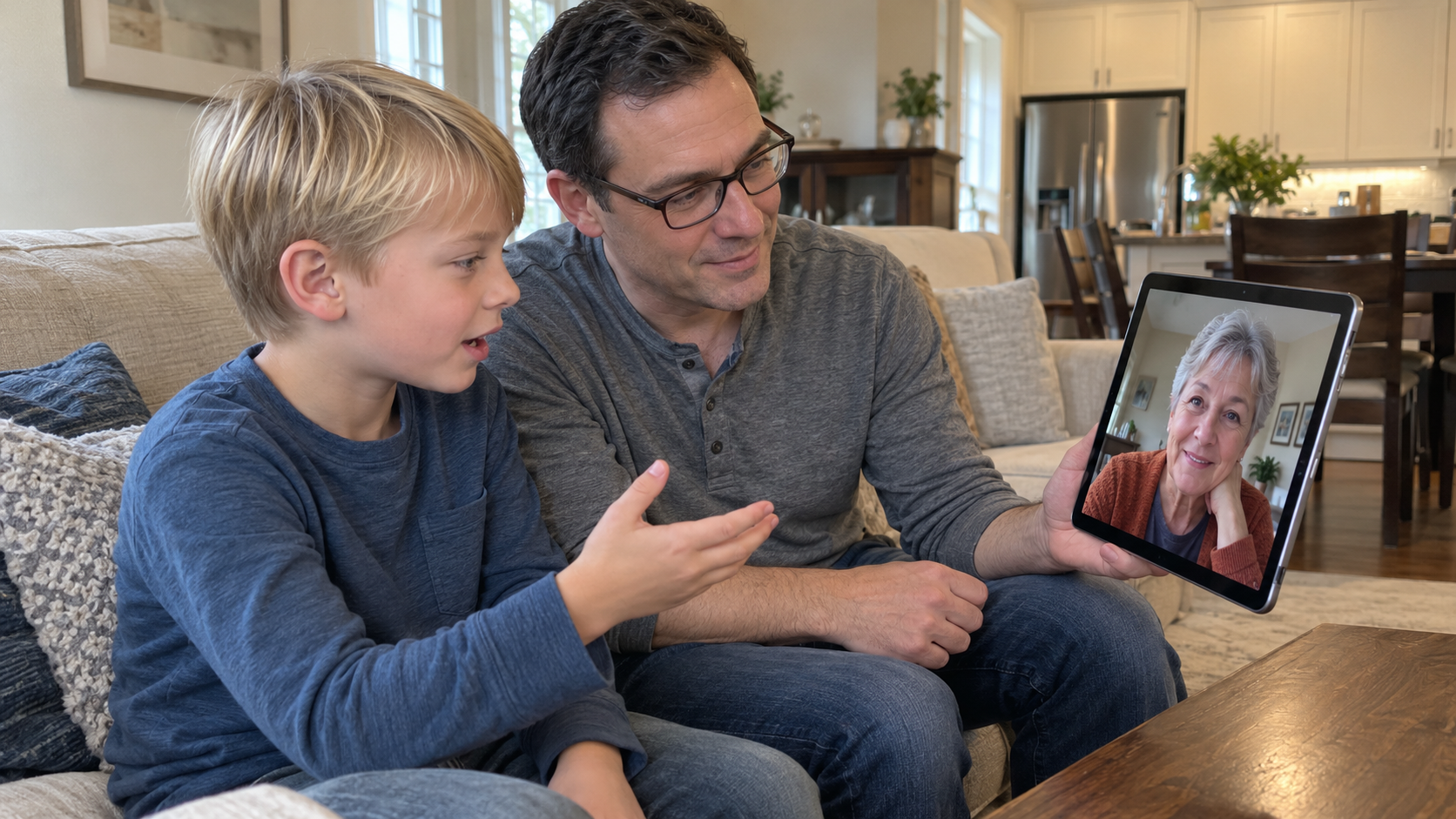
To a parent or another adult who does not speak Russian. The «who will pick up» conversation can now be conducted with him or her present and with the child at the same time, translating one answer, and then there will be no one left at the table who sits on the sidelines of the conversation.
To Grandma. On the phone, she can say the phrase to her grandson, not about him, «Who will pick you up tomorrow?», and wait for a response with a finger, a word, or a smile.
To the teacher: If the child already studies Russian, the family phrase that the child hears every night can be a good starting point for the first lesson.
The cipher that was opened by themselves

The English alphabet code stops working when the child starts to recognize words by letters. With the Russian alphabet at the table, you can’t wait for the child to crack it on their own and open the conversation that concerns them first. In English, Sasha understands this conversation immediately: «Who’s picking him up tomorrow?» «I’ll pick him up.» The Russian phrase describes the same event, at the same gate, in the same three hours.
The next time his name is mentioned at the table, you can turn to him and ask directly.
«Who will pick you up tomorrow?»
One family phrase opens the first conversation, and then the child will need words for others. At the «Russian from scratch» course at Palme School, children from the age of four learn Russian from the very beginning, and they also study online in mini-groups of up to eight people twice a week for 40 minutes each.
You can start with two free lessons. In the first session, the methodologist will determine the level and select the program; in the second session, the child will meet the teacher.
Sign up for free lessonsFrequently asked questions about Russian conversation between parents and children
What Russian phrase should I start with if the child barely knows Russian?
It’s convenient to start with a family conversation that repeats itself and the child sees the result himself. For example, «Who’s picking you up tomorrow?» The next day at the school gate, he will see who has come and will be able to link the phrase to the event. How many times he will need to hear the phrase before he can say it in advance cannot be determined.
What does it mean to «take» a child from school?
To come or to go for the child and to leave or to go away with him. In Kuznetsov’s dictionary, the meaning of the verb «to take» is «to take from somewhere with oneself,» and among the examples is «to take from the hospital, from school, from the kindergarten.».
Is it necessary to stop discussing adult topics in Russian when there is a child present?
No. Adult conversations remain adult-like. But a child who doesn’t know the language can’t distinguish them from conversations about tomorrow, so it’s useful to choose one household conversation and open it up for the child to enjoy.
What to do if the child answers in English or points with his finger?
Such an answer allows the conversation to continue; however, it does not yet show how well the child has understood the Russian phrase itself. If the meaning is still unclear, it can be briefly explained in the child’s native language and the Russian phrase repeated.
How do you ask in English who will pick up the child?
Who’s picking him up tomorrow? The answer «I’ll pick him up» sounds like I’ll pick him up. The phrasal verb pick up here means the same thing: to come or go to pick up a child.