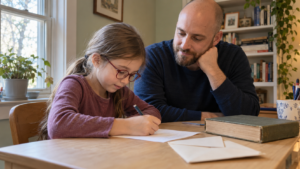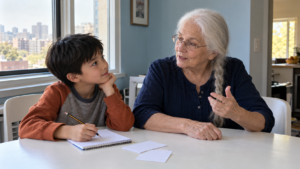

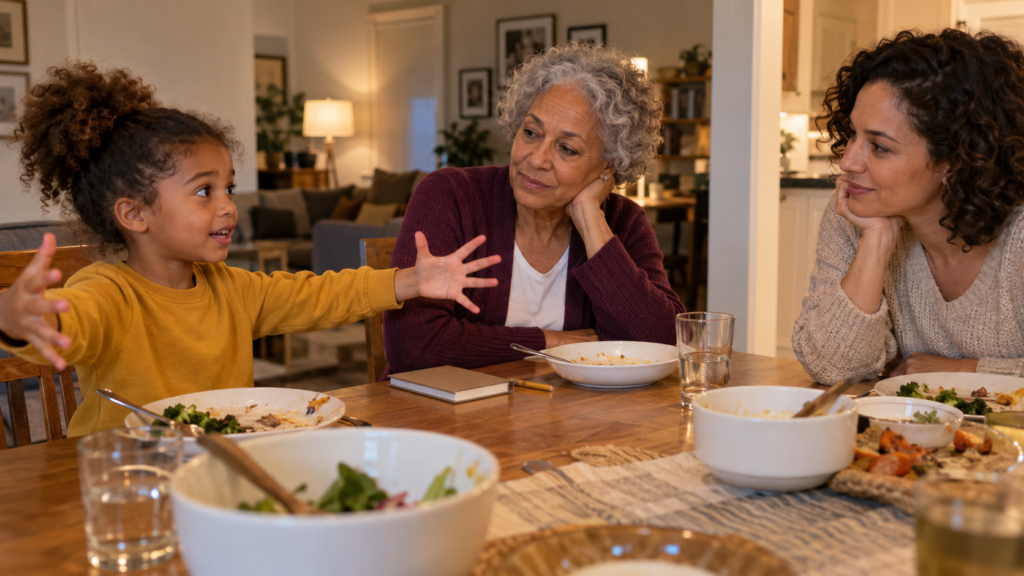

Imagine the evening after the first dinner when Grandma came to your house. The dishes are washed, the child is sleeping, and while at the table he had already started three stories and not finished one. Every time one of the adults would find a reason or an ending to make it go away, the child would repeat it, get confused, and finally wave his hand. Grandma corrected more often than anyone else, and corrected correctly.
You take out from the shelf the worn-out «From Two to Five» by Chukovsky, which was once taken from your mother's house along with other children's books. You open it by chance and see a pencil note in mom's handwriting on the pages. Your name, «three years old,» and the word you called the helicopter back then. It seems like a cool helicopter. Below is another note, six months later, already with a different pencil.
The same grandmother who today didn’t let her grandson finish talking about the potato field thirty years ago sat with this book and wrote down what you said.
This article is about how to ask her to take the pencil back in her hand, and what will happen to it in the meantime.
Postmen delivered letters to whom
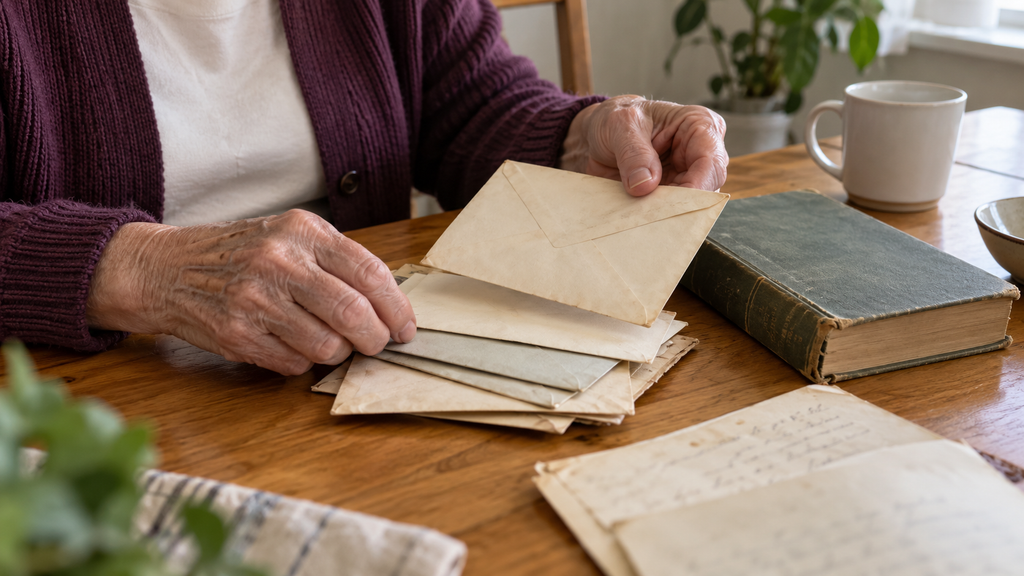
Chukovsky's book grew out of the records of others. In the book, he recounts that the postmen bring him many letters, and they are written by his grandparents, mothers, grandfathers, and fathers. People from all walks of life, from different cities, send what they have managed to record about their children while they were little.
He made some of the observations himself. Chukovsky arranged these words in order and explained where each one came from. In his opinion, within two years every child transforms into a brilliant expert in the language for a brief period, inventing forms when they lack the ready-made ones.
The word «expert» is important here. Chukhovsky's child makes mistakes not because he doesn't know, his mistakes have a logic, and to see it, you first have to listen to the whole sentence.
«No, nonsense!»
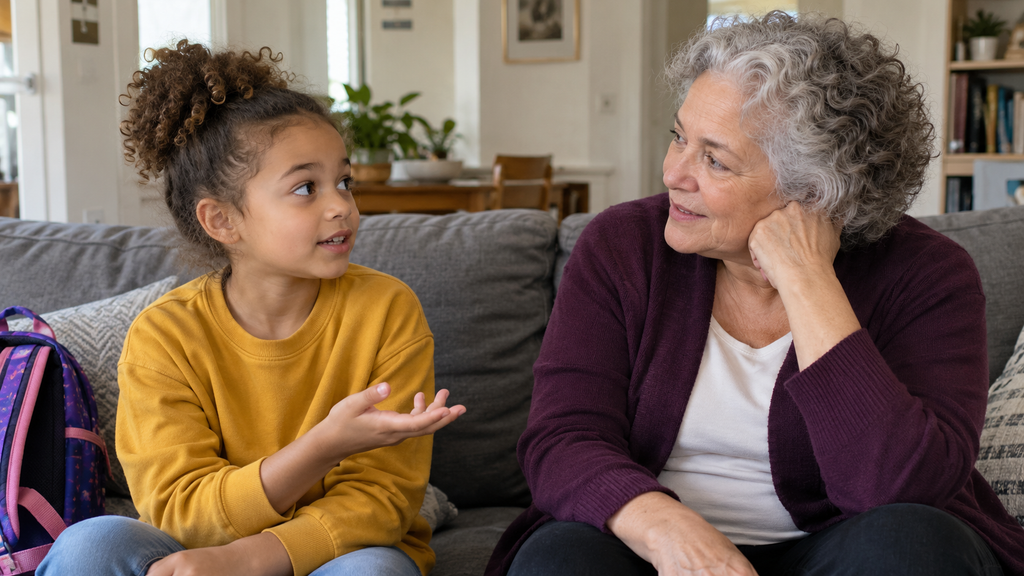
There is a scene in the book that should be read out loud to Grandma. Three-year-old Yuri is told that he is saying nonsense. Yuri disagrees and replies that it’s not nonsense, but nonsense nonetheless.
Yura responded to the criticism with an unexpected word. Chukovsky explains this reaction by the fact that the child separates the «no» from the rest of the word. There’s no reason to criticize him here; he has done a serious job with his tongue.
With a bilingual child, something similar happens; only the logic sometimes comes from the second language. «I took the bus to school» sounds strange in Russian, and the grandmother wants to immediately tell her how to say it correctly. Here, the English word “take the bus” could have been used, where the bus is actually taken. There is an error here, and it shows the work between the two languages.
If you interrupt him with the word «got», he won't tell you what happened on the bus. But if you listen to him more closely, an adult will have both the story and the phrase to break down later.
First record it, then figure it out.
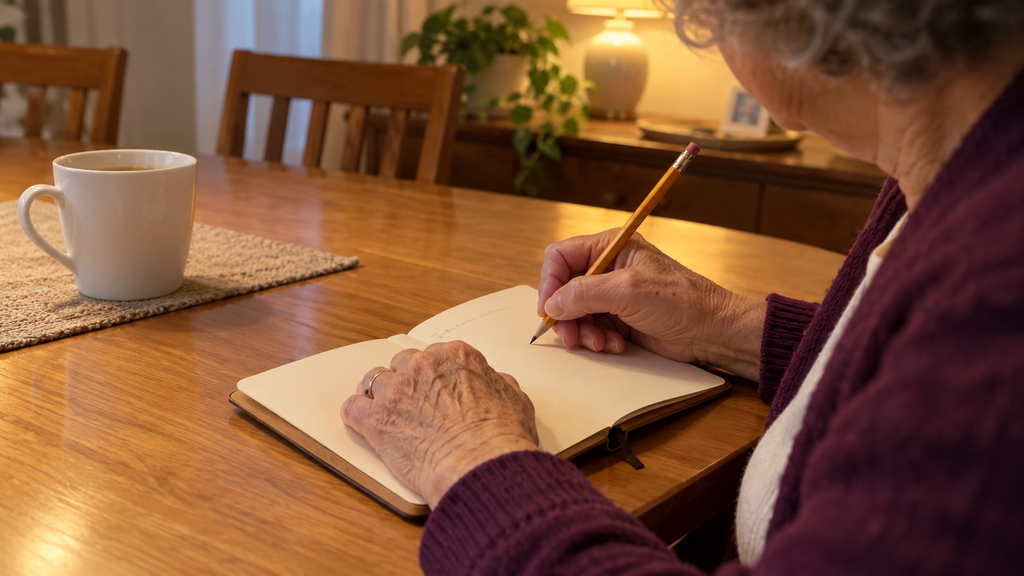
Relatives sent Chukovsky recordings of children's speech. For their family, you can choose the following order: first listen to the story, and then record the phrase you want to keep.
At the family table, the order is often reversed. The discussion begins in the middle of a sentence, and there’s no more room to continue because the sentence never ends. Grandma is not to blame for this; she doesn’t have a book with the fields nearby, but she does have a grandson who, in her opinion, speaks Russian less and less with errors, and that worries her.
Chukovsky noticed that children's word creation happens quickly; by the age of eight, almost nothing remains of it. The child's speech changes over time. The phrase that one wants to keep can be written down now, with the date and age.
That's what he will keep saying
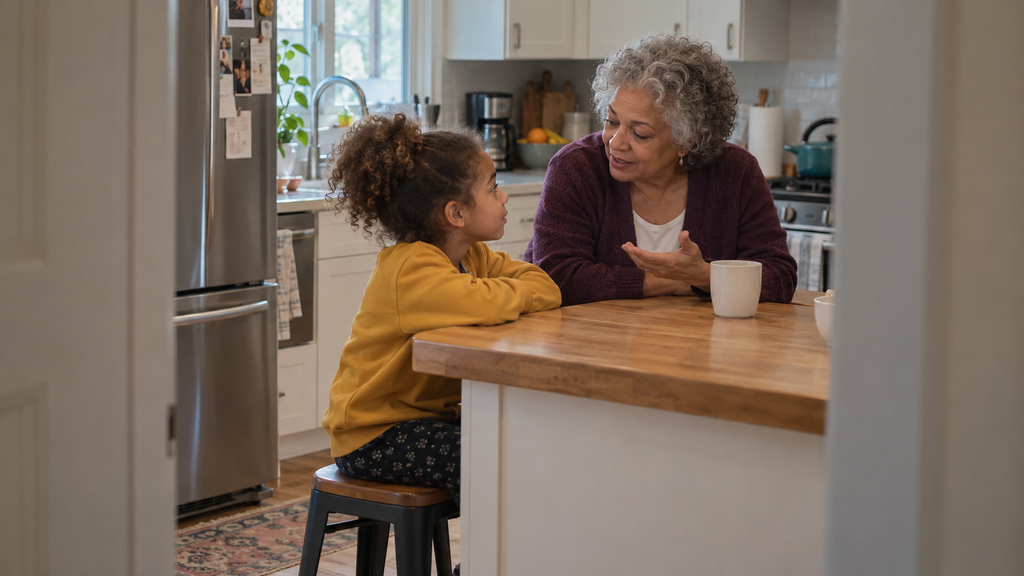
Grandma’s main concern sounds exactly like that. If it isn’t fixed now, the mistake will become ingrained, and the grandson will keep saying «I took the bus.».
There is no need to argue about this fear. No one is repealing the correction. The correct form can be repeated in ordinary conversation without requiring the child to say it immediately, roughly the way a word is repeated that the child simply skipped. If the mistake persists, it can be revisited separately, on another day, without spectators.
The difference is only in the order. First the story in its entirety, then the correction if it is needed. How a child experiences corrections with their parents and why they may start to feel that their Russian is not good enough, we discussed in Article about the uncertainty of bilingual children.
Notebook for Grandma
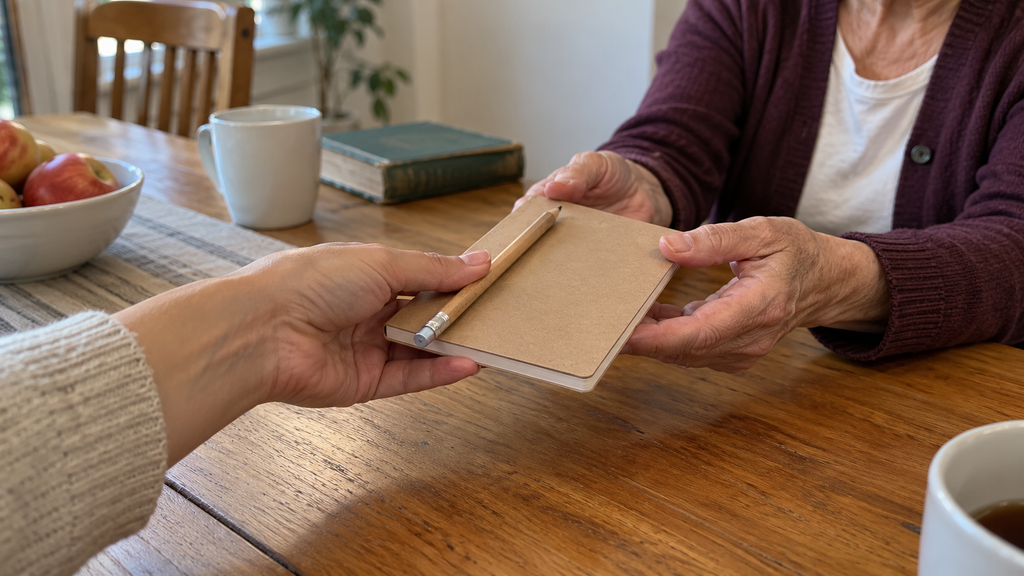
The grandmother who once wrote on the fields of Chukovsky could be offered the same role again. There’s no need to ask her not to correct her writing; it’s better to give her a notebook instead.
The rule for the notebook is simple. In one trip, one phrase from the grandson is included; the one that the grandmother wanted to remember, with the date and age. It could be «I took the bus to school,» or «You’re such a weirdo that you can’t even hug with both hands,» or maybe a word that isn’t in any dictionary. The grandmother chooses it.
The correction also remains with the grandmother if she feels more comfortable that way. We can agree on one correction after the story is told, in private, in two words. The rest of what she noticed at the table can be left in the notebook on the last page as a list for herself, and we can talk about it with you, not with the grandson.
Conversations with aunts and other relatives at the table are also structured in the same way. It is possible to agree in advance, with a single phrase. If someone does start to correct things in the middle of the conversation, it is easiest to get the child to return the word with a question about the story itself, for example, «What happened next?» A few such situations are listed in the block below; you can go through them before the relatives arrive.
Now or later
To whom to send this article
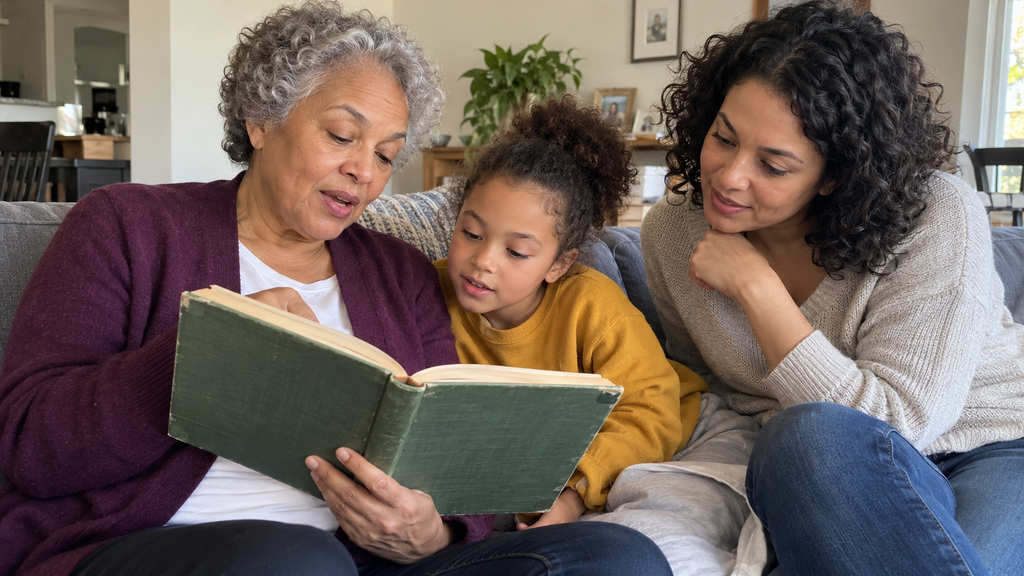
To Grandma, preferably together with the notebook or before she arrives. If she still has her own «From two to five» with notes, you can ask her to show her grandson what she was writing about for her father or mother. Children are usually interested to know what words their mother or father used when they were three years old.
To the grandfather, the grandmother, and everyone who sits at the same table with the child in Russian. They just need to know about the agreement regarding one amendment after the story is told.
To the second parent, if he himself occasionally corrects the situation on the fly. He can be tasked with the question «What happened next?».
Two books on one shelf
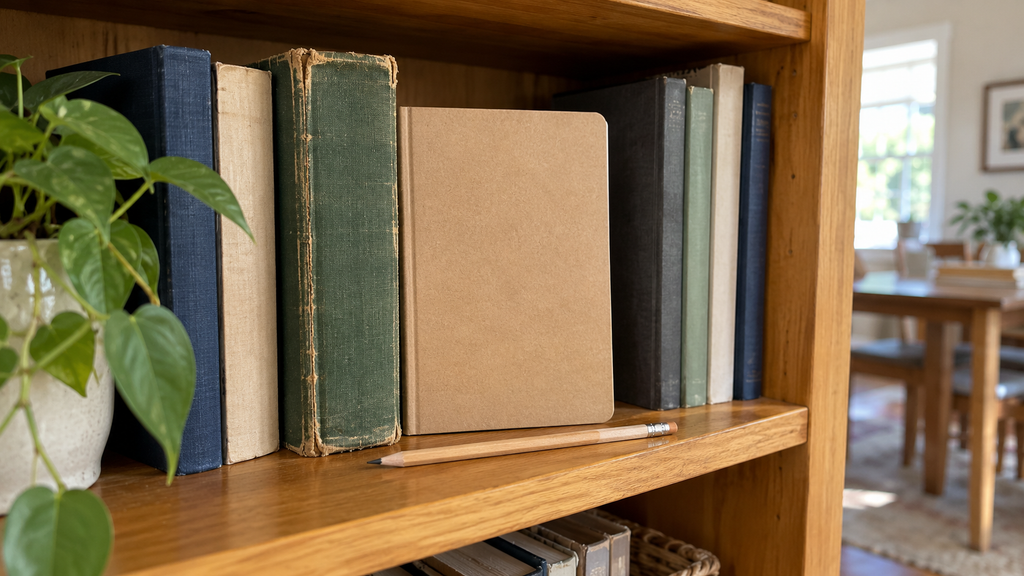
Someday you will have two documents: an old Chukovsky book with your grandmother’s notes on the pages, where your words are written down, and a notebook where your child’s words are written down in the same handwriting.
In the first one there will be a «cool thing» and something else you came up with in your third year. In the second, there will most likely be a bus that you took in English, and a pumpkin that you didn’t get to hug. In both cases, the same person is behind it—someone listened to the whole thing and took a pencil.
Grandma and the family table remain the main listeners, but speaking in Russian is not only possible at home. At the «Russian for Bilinguals» course at Palme School, children aged four to seventeen are learning online in small groups.
You can start with two free lessons. The Methodist first determines the child's level and helps choose a program, then the family meets the teacher.
Sign up for free lessonsFrequently asked questions about amendments when talking to a child
What to do if grandma gets angry at the request not to correct the grandson?
The request sounds easier if the amendment remains in it. It is possible to agree that the grandson finishes the task at the table, and the grandmother says the amendment later, alone if she needs it. Instead of banning it, she can offer the grandchild a role: keeping a notebook where one phrase from the grandson is written after each visit.
Is it necessary to correct a child's mistakes in Russian at all?
Yes. In the book «From Two to Five,» Chukovsky also advises noticing mistakes in speech in children. The question is when and how often. The correct form can be repeated in ordinary conversation without requiring the child to immediately say it themselves, but to return to the persistent mistake separately, without spectators.
What to write in a notebook?
One phrase for the trip, the one you want to remember, with a date and age. It could be a clever expression, a funny English translation or a word that isn’t in the dictionary. The one who keeps the notebook chooses it.
What should I do if several relatives are at the table at the same time?
Agree in advance at least with those who correct the most often; if necessary, remind the others of the agreement. If the correction still occurred in the middle of the story, you can return the word to the child with a question about the story itself, for example, «What happened next?».
We discussed in what ways mistakes change meaning and what aspects of practice they transcend. An article about errors in Inofon's speech.