

The puzzles for children in the English-speaking school and in the Russian family are structured in such a way that the same child can excel at some of them and remain silent about others.
«What has keys but can't open locks?» Imagine a seven-year-old kid from Toronto. He answers before the adult has a chance to finish the sentence: a piano. A piano has keys; in English, a key and a key are called the same thing. The whole mystery lies in this coincidence.
And now the same child hears from her grandmother: «There are a hundred dresses, and they don't have any zippers.» And she remains silent. A minute, two. Then she shrugs and walks to her tablet.
It’s not about cleverness. The English children’s riddle is often based on word play and word play. The Russian folk riddle is based on a metaphor. To solve it, you have to see a head of cabbage as a person who has put on a hundred shirts. Such a look doesn’t come naturally; it’s something that’s taught to you, and it’s taught through riddles. A child who has never been shown how to look can lose repeatedly and conclude that Russian riddles are «not for them.» An embarrassing conclusion. Yet the riddle provides work for the mind and the tongue, and for the vocabulary and logic.
Below are puzzles of different ages, from the simplest to those with tricky answers. Each one has an explanation why a bilingual child sometimes cannot solve even a simple puzzle and how to fix it. And at the end is a way to create your own puzzle together with the child. If there are grandparents in the family who like to solve puzzles over tea, please send them this page: some of them may remember them from their childhood.
Why do children need riddles and what do they teach about speech and logic?
The puzzle is like a little investigation. There are clues: color, shape, sound, habits. There are suspects, all the items that the child knows. And there is a conclusion—one word that explains all the clues at once. While solving the puzzle, the child follows the same thought process that they will later need in math problems and text analysis tasks.
There is also a work of riddles for speech. The folk riddle speaks in an indirect way: the cucumber turns into a greenhouse without windows and doors, the carrot into a red maiden with a crooked nose in the street. The child learns to understand that a word can mean more than it does in the dictionary. Without this ability, it is difficult to read fairy tales, poems, and later even serious literature.
And of course, a dictionary. Words live in riddles that a child doesn’t hear in ordinary conversation: grotto, dungeon, den, cave. The solution often brings with it a new word and, more importantly, a picture to go with it.
Russian riddles have been collected for a long time and seriously. One of the most famous collections, «The Riddles of the Russian People» by Dmitry Sadovnikov, was published as early as 1876. Since then, many riddles from such collections have lived on in oral speech, and grandmothers recite them to their grandchildren without even thinking about where they came from. All the folk riddles in this article are from the same old collection, and the rest were written specifically for this compilation.
Mysteries for children aged 4 and 5
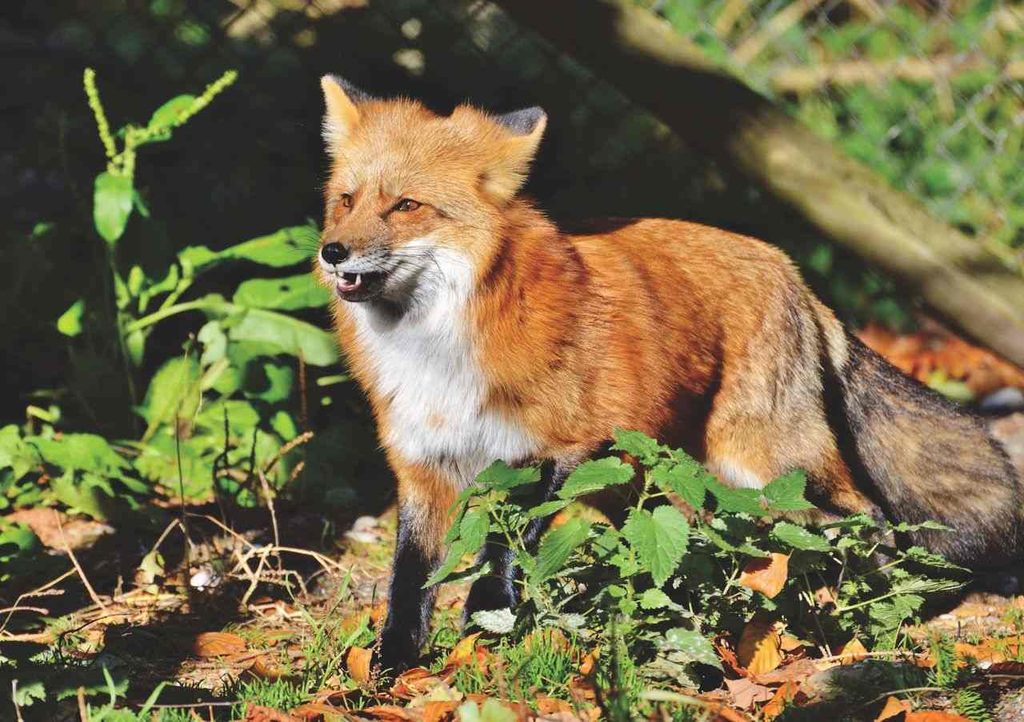
Mysteries for 4-year-old children and mysteries for 5-year-old children are based on simple and obvious clues. Color, sound, where they live, what they eat. Fewer metaphors, more everyday objects. If the child doesn't guess right immediately, name another clue; that's okay.
One important detail concerns not the text but the voice. The riddle needs to be recited, not read. The last word is spoken with a rising intonation, as if the sentence were not yet finished and hanging in the air. Then there is a pause. The child’s gaze. This silence invites a response, and the child feels that words are expected of him or her. If, however, the riddle is recited in a steady voice and the question is immediately asked «well, who is that?», it becomes a test rather than a game.
Show answer
Show answer
Show answer
Show answer
Show answer
Show answer
Show answer
Show answer
Show answer
Show answer
Show answer
It is possible to help a four-year-old with gestures and sounds: showing how a fox is sneaking around or tapping with your foot on the ball. A five-year-old often needs only words. A good sign is if the child doesn’t just name the answer but explains why: «because it’s brown and fluffy.» This means that they have compared the clues and not guessed them.
Mysteries for children aged 6 and 7 years
Mysteries for children aged 6 and mysteries for children aged 7 can be made more clever. The main weapon in folk riddles here is the metaphor. The object is described as if it belonged to someone else: a person, a house, an animal. The child needs to take a step from the image to the thing, and in this step the imagination works.
The garden
Show answer
Show answer
Show answer
Show answer
Show answer
Дом и вещи
Show answer
Show answer
Show answer
Show answer
Show answer
Природа и время
Show answer
Show answer
Show answer
Show answer
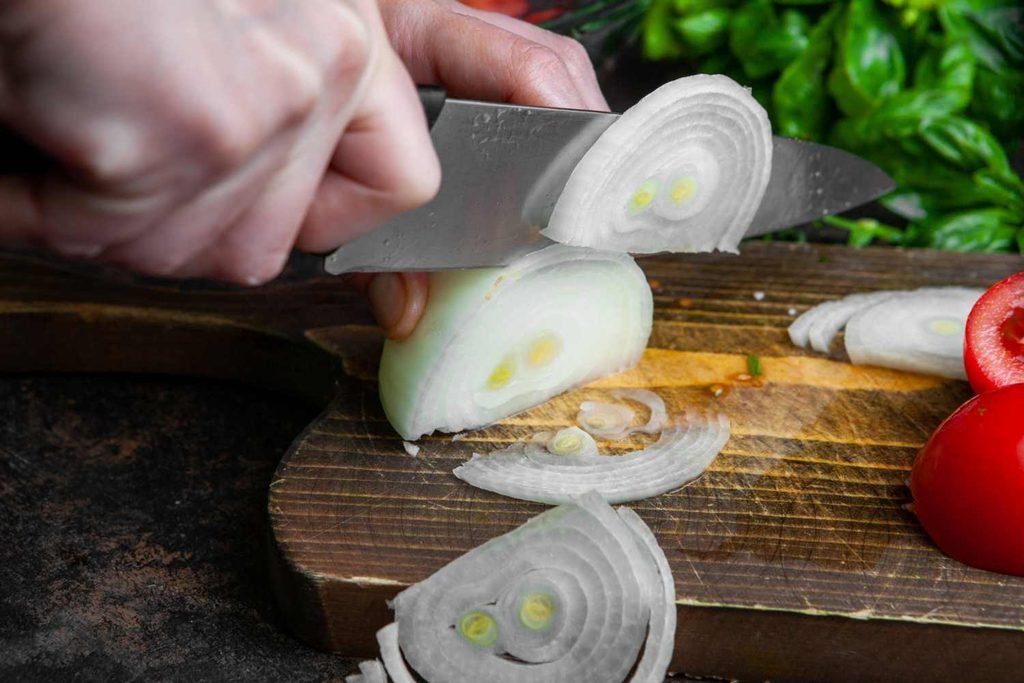
С загадкой про лук стоит задержаться. Сначала ребенок отгадывает, потом можно разрезать настоящую луковицу и посчитать слои, «шубы». Слезы появятся сами, и у загадки появится настоящая, осязаемая отгадка.
Загадки с подвохом и на логику
Загадки с подвохом для детей устроены как ловушка. Вопрос толкает к очевидному ответу, а правильный лежит в стороне. Загадки на логику для детей требуют остановиться и подумать, а не выпалить первое, что пришло в голову. Обычно их загадывают с шести-семи лет, когда ребенок уже готов посмеяться над собственной ошибкой.
Show answer
Show answer
Show answer
Show answer
Show answer
Show answer
Show answer
Show answer
Если ребенок попался в ловушку, это лучший момент всей игры. Посмейтесь вместе, а потом попросите его загадать ту же загадку папе или другу. Многие дети с удовольствием ловят других на том же подвохе, а заодно проговаривают, в чем он был.
А вот задачи, где без логики не обойтись.
Show answer
Show answer
Show answer
Show answer
Последнюю загадку принято загадывать с самым серьезным лицом, и слушатель нередко начинает честно умножать в уме. Математика тут не нужна, нужна внимательность к одному слову, «навстречу». Детям, которые привыкли к задачам из американской школы, где все данные надо использовать, такая ловушка может оказаться особенно полезной.
Как загадывать загадки билингву, который не знает слова отгадки

Иногда ребенок понимает загадку, видит образ и даже знает отгадку. Только по-английски. Он смотрит на взрослого, в голове крутится onion, а русское «лук» никак не всплывает. Засчитывать или нет?
Засчитывать. Отгадка на английском показывает, что ребенок справился с главным: увидел предмет за иносказанием. Дальше достаточно сказать: «Верно! А по-русски это лук», и попросить повторить. Так у русского слова появляется еще один шанс прозвучать. Если ругать за английский ответ, в памяти скорее останется неудача, чем слово.
Вторая ловушка в старинных словах. Горница, темница, лукошко, копна, ухват. Ребенок за границей может не знать ни одного из них, и тогда загадка рушится не на отгадке, а на условии. Объясните трудное слово заранее, лучше с картинкой. «Темницей называли темное место, где держат пленников. А кто у нас сидит в темноте под землей и выставляет наружу зеленую косу?» Так загадка становится заодно маленьким уроком лексики.
Третья трудность самая интересная. Многие русские загадки играют на словах с несколькими значениями, совсем как английские. «Коса» бывает девичьей прической, а бывает ботвой у моркови. «Лук» бывает овощем, а бывает оружием. Покажите ребенку эти пары. Возможно, он узнает знакомый прием, ведь в английском клавиша и ключ тоже одно слово. Тогда русская загадка перестает казаться чужой: оказывается, она играет по правилам, которые ребенок уже знает.
И еще один прием. Если отгадка не дается, разрешите задавать вопросы, на которые взрослый отвечает только «да» или «нет». «Это едят?» «Да». «Это растет на огороде?» «Да». В игре в вопросы ребенок тоже говорит по-русски и не остается с ощущением проигрыша.
Как придумать загадку вместе с ребенком

Сочинить загадку проще, чем кажется, и для ребенка это хорошая проверка, понял ли он, как они устроены. Начните с предмета, который он хорошо знает. В канадской семье это вполне может быть хоккейная шайба.
Сначала соберите улики. Какая она? Черная, плоская, твердая. Что с ней происходит? Летает по льду, по ней бьют клюшкой, ее ловит вратарь. Потом спрячьте название и сложите приметы в одну-две строки: «Черная, плоская, по льду летает, а за ней с клюшками вся команда гоняет». Готово.
Чтобы загадка зазвучала по-народному, подскажите ребенку старый прием отрицательного сравнения: «летит, а не птица», «жжется, а не огонь». Предмет сравнивают с чем-то похожим и тут же отрицают сходство. «Круглая, а не мяч, черная, а не уголь, по льду скользит, а не конькобежец». Освоив такую формулу, ребенок может начать сочинять загадки сам, на ходу.
Хорошо, если загадку проверяют на ком-то третьем. Пусть ребенок загадает ее папе или бабушке по видеосвязи. Если отгадали слишком быстро, загадку можно усложнить. Если не отгадали совсем, значит, улик не хватает, и одну стоит добавить. Так ребенок пробует посмотреть на свои слова глазами слушателя.
Сочиненные загадки стоит записывать в отдельную тетрадку. Через год получится собственный сборник, и его приятно перелистать всей семьей. А про другие жанры русского фольклора, которые хорошо читать вместе с детьми, в нашем блоге есть подборка о русских народных сказках.
Еще одна загадка, на этот раз без подвоха. Где ребенок может каждую неделю спорить о словах, отгадывать хитрые задачи и при этом говорить только по-русски? Ответ: на онлайн-уроках Palme School. Здесь занимаются дети с четырех лет, группы маленькие, на каждое занятие уходит 40 минут. Попробовать можно бесплатно: методист поговорит с ребенком и поймет, что ему интересно и где нужна поддержка, а два бесплатных урока помогут познакомиться с программой и преподавателем. Для любителей задач с подвохом есть курс logics, для малышей, которым нужно разговориться, подойдут занятия по развитию речи, а будущим первоклассникам пригодится подготовка к школе.
Частые вопросы про фонетический разбор
What is phonetic analysis in simple terms?
The description of the word as it sounds: what sounds it breaks down into and what each sound is characterized by. The letters are important only for counting at the end.
In which class is phonetic analysis done?
Children are introduced to phonological analysis as early as the first grade, when they learn to distinguish vowels from consonants and hard sounds from soft ones. Complete analysis with transcription and sound characteristics usually begins in the second grade and onwards.
Why are there five sounds in the word «sun» and six letters?
The letter «l» in this word is not pronounced. It is written because it is heard in the related word «sunshine», but there is no sound for it in the word «sun» itself.
How many sounds does the letter in the beginning of the word «hedgehog» give?
Два, [й’] и [о]. Йотированные гласные в начале слова, после гласной и после разделительных знаков обозначают два звука, а после согласного один.
Is it necessary to put emphasis in the transcription?
Yes. The accent affects how vowels sound, so without it the transcription will be incomplete. The sign is placed over the stressed vowel inside square brackets.
How to check if the child has done the analysis correctly?
Pronouncing the word out loud is natural and comparing the sound with the transcription one by one. Then check the characteristics according to the reference rules: which sounds are always hard, which are always soft, which are unpaired. And at the end, count the letters and sounds again.