How Anna Karenina lived in her first year is clearly heard in the domestic mail. From Yasnaya Polyana to her younger sister, Tanya Kuzminskaya, letters came from Sofya Andreevna, and she wrote often about everything: children, illnesses, guests, and the household. And between these news items, she would almost casually mention how her husband was doing with his new project. If you take these lines out of the letters and put them in order, it turns out something like a weather report for the novel, where there are clear days, a lull, and one winter when she had to rewrite a lot.
These letters were collected and quoted by N. K. Gudziy when reconstructing the history of the novel's creation for the twentieth volume of Tolstoy's complete works. Let us follow them.
March 1873, the novel begins suddenly
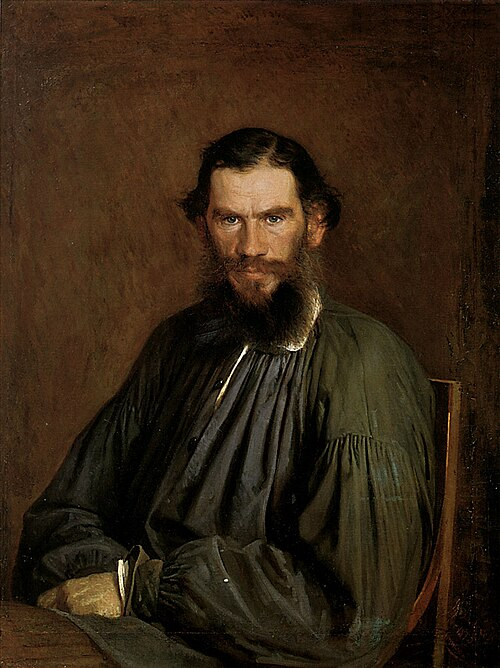
On the nineteenth of March 1873, Sofya Andreevna informed her sister of a news she herself, according to her own words, had not expected: «Yesterday, Levochka suddenly started writing a novel about modern life.».
The words «suddenly» and «unexpectedly» are juxtaposed here, although one repeats the other; this repetition says more than any explanation. Before this, Tolstoy had spent several years working on the novel about Peter the First's time; he read books and made notes. Instead, the table in front of him was filled with modern life, secular living rooms, and a married woman who fell in love with another man.
In April, a short note appeared in her diary stating that Levokha was writing his novel and things were going well.
Spring of sketches and autumn of quietness

Spring really turned out to be fast. In October 1873, Sofya Andreevna wrote in her diary that the novel had been drafted in the spring; work on it hadn’t been done during the summer, and now it was being finished.
The text was drafted and edited for Tolstoy in various stages, and there were many months between them.
Two weeks after this recording, another message was sent to the sister: the novel is «completely abandoned.» The news about the novel for a time turned into a message about its absence.
Winter, when Sofya Andreevna writes a lot
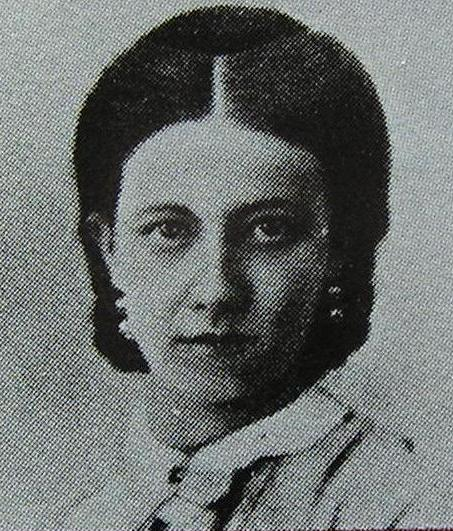
The change came in December. In letters from late 1873 and early 1874, as Gudzhy recalls, Sofya Andreevna wrote to her sister that she was rewriting Anna Karenina.
Gudzy explains why it was exactly then that Tolstoy decided to publish the novel in a separate edition and began negotiations with the M. N. Katkov printing house; in connection with this, Sofya Andreevna worked hard on rewriting the novel.
The rewriting was part of the preparation for publication.
But in February 1874, a letter to her sister contains a phrase that shows that the preparation for publication did not stop the author’s work. Tolstoy, writes Sofya Andreyevna, «in his usual habit, worked tirelessly.».
The word «always» in this phrase deserves special mention. Sofya Andreyevna calls this variation habitual.
The page that survived that winter
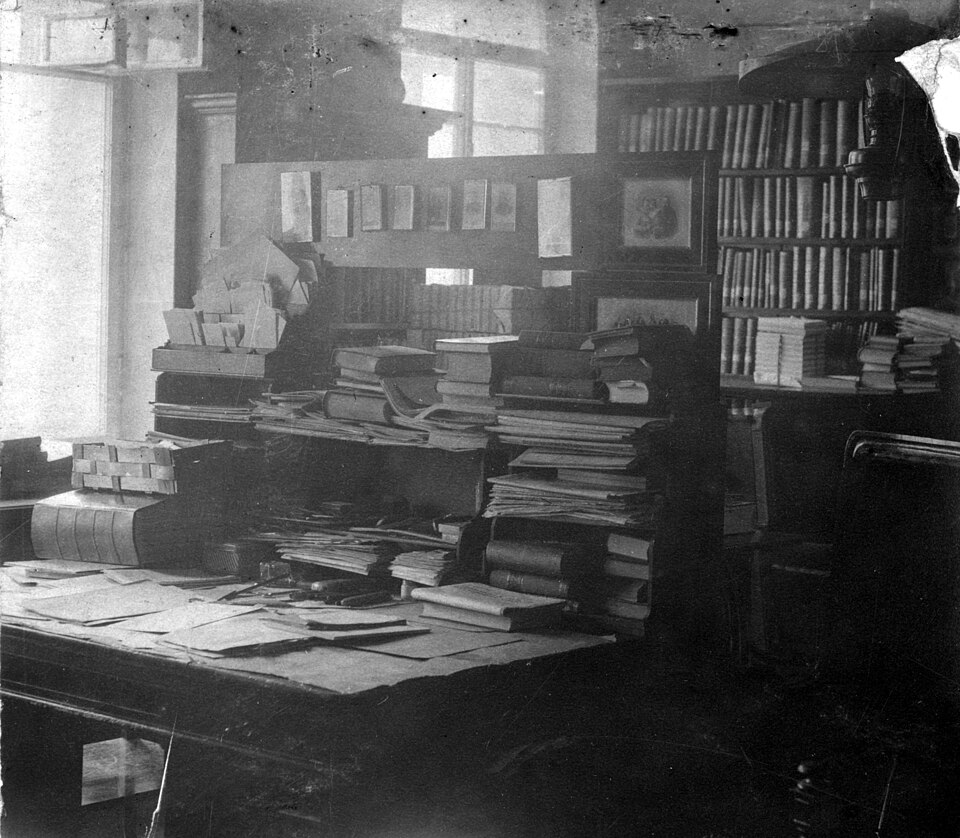
You can see for yourself what this manipulation looked like.
In the «Literary Heritage», volumes 35–36 of 1939, on page 53, a photograph of a single sheet is printed. The caption below it states that this is one of the last editions of the beginning of «Anna Karenina», the first months of 1874, a hand-written copy by Sofya Andreevna Tolstoy with corrections by Lev Nikolayevich. The manuscript was then kept in the All-Union Library named after Lenin, and scan of the tome It is now available in the electronic library of the Institute of Linguistics of the Russian Academy of Sciences, and anyone can open the page.
The smooth overwritten lines are clearly visible on the sheet. Over them lies a second work, crossed-out words, new words above the lines, and a long note in the right-hand field that stretches alongside the main text.
This sheet is the very same winter from the letters; only this time it’s not seen with words, but with ink.
Thirteenth February and the circle that first brings them together
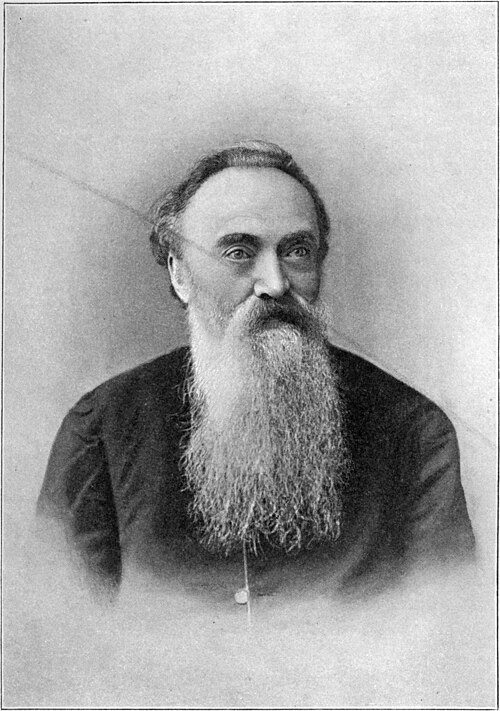
It was in those same weeks that Tolstoy himself explained his working method to another person. On February 13, 1874, he wrote to Nikolai Nikolayevich Strakhov, his friend and one of his most attentive readers, about the novel that he was about to publish, and compared his work to the circle. He could not, Tolstoy admitted, draw a circle differently than by first drawing it and then correcting the inaccuracies at the beginning.
Two days before that, Stravinsky himself urged him in a letter to be careful with the manuscript and to deliver it to the printing house.
He does not mention Tolstoy's rewriting in this letter. But if we put it next to Sofya Andreevna's February phrase and page 53, they tell the same story from three sides: from the author's side, from the copyist's side, and from the page itself.
Beginning of March, the first part is leaving
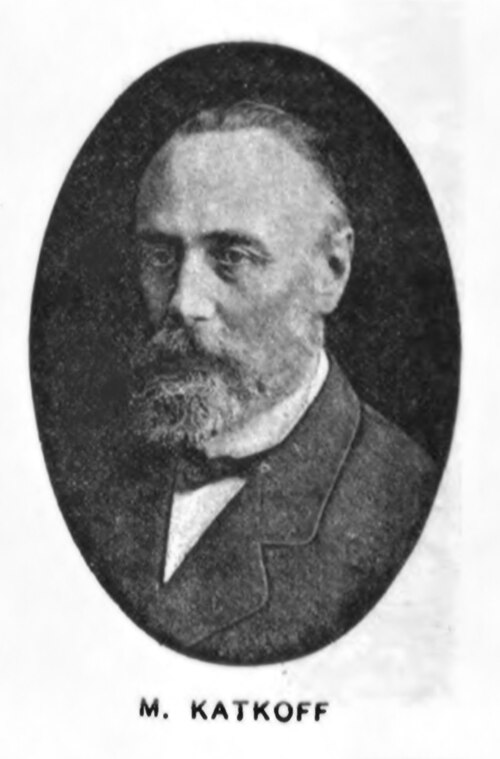
In early March 1874, Sofya Andreevna wrote to her sister a phrase that summed up this entire winter: «Levocha has sent his new novel, the first part, to the press, and left me to rewrite the second part, which has already been written a lot.».
On March 6, Tolstoy wrote to his cousin, Alexandra Andreyevna Tolstoy, that he was writing and beginning to publish a novel.
The corrections were read by Strachov and partly by Yury Fedorovich Samarin.
The summer when printing stopped
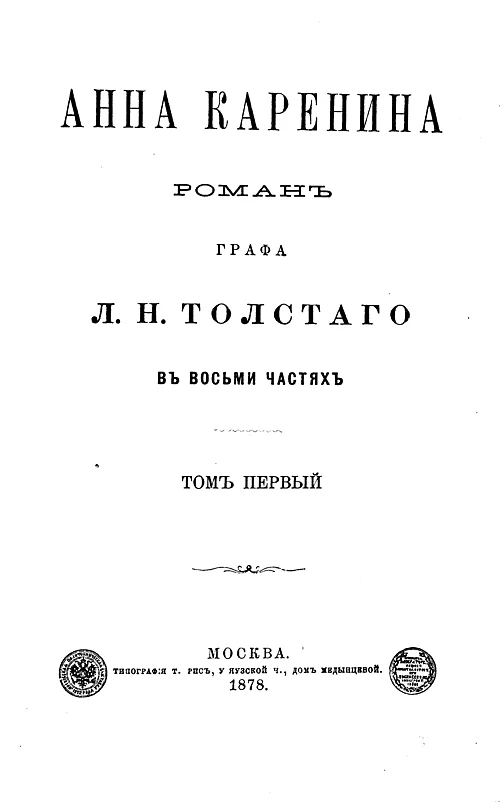
There was no separate edition that time. The set reached the fifth page and stopped there.
In June, Stragor wrote to Tolstoy, saying that he had read with horror about the suspension of printing, and Tolstoy himself confessed to Alexandra Andreevna that he had stopped printing the novel and was thinking of abandoning it. In the summer, Stragor came to Yasnaya Polyana and urged her not to give up on what she had started.
Readers saw the first chapters of «Anna Karenina» only in January 1875, in the journal «Russian Vestnik,» almost two years after that March «suddenly.».
So why did she rewrite it?
If you go through the letters from beginning to end, the answer consists of the dates themselves.
Sofya Andreevna often revises the novel just when it is being prepared for publication, and in connection with this preparation. Revising was part of the process of getting the manuscript to the printer. And it did not mean that the author’s work was complete, because Tolstoy continued to correct the copies, and the page with one of the last drafts remained a witness to how the rewritten text again became a working draft.
How many times she rewrote the novel entirely and what she felt over these sheets is not reported in the letters to her sister. The famous stories about the nightly correspondence usually belong to «War and Peace,» and «Anna Karenina» has its own testimonies, and they are enough to answer the question from the title.
For a high school student who is either reading a novel or just getting started, this story is easy to summarize in a few quotes. «Suddenly, it started unexpectedly.» «It’s completely abandoned.» «It goes on and on and on.» «I’m afraid to publish it.» And then open page 53 and ask which of these phrases it most closely resembles.
Frequently Asked Questions about Sofya Tolstaya and the manuscript of «Anna Karenina»
Where can one see the manuscript of Anna Karenina rewritten by Sofya Tolstoy?
A photograph of one such leaf is printed in «Literary Heritage», volumes 35–36, 1939, page 53. The signature attributes it to the first months of 1874; a copy was made by Sofya Andreevna's hand; the corrections are attributed to Lev Nikolaevich. A scan of the volume is available here. the electronic library of the IMLI RAS. In the same volume, on page 395, there is a picture of another sheet from the same time, also a copy of it by Tolstoy's hand with corrections.
How many times did Sofya Tolstaya rewrite Anna Karenina?
There is no exact number in her letters about the first year of the novel. In the winter of 1873–1874, she told her sister that she was rewriting Anna Karenina a lot. The well-known «seven times» usually refer to War and Peace.
When was Anna Karenina first published?
The first chapters appeared in the January 1875 issue of the Russian Bulletin magazine. In the spring of 1874, Tolstoy began publishing the novel in a separate edition at the M. N. Katkov printing house, but the printing stopped at the fifth sheet. The novel was published as a complete separate book in 1878.
Why is she called Sophia Tolstoy in English books?
In English, there are no masculine and feminine forms for names, so she is often called Sophia Tolstoy; for example, the English translation of her diaries is titled The Diaries of Sophia Tolstoy. There is also the variant Sophia Tolstaya, closer to the Russian spelling. The novel is titled Anna Karenina in English.
We described Sofia Andreevna's life closely with Tolstoy in the article «The Tragedy of Sofya Tolstaya».