


The morning of December fourteenth, 1825, Petersburg, frost. Soldiers of the Moscow Regiment, about eight hundred men, march out onto Senate Square. The officers form them into a square around the monument to Peter, by the Bronze Horseman.
Nothing else happens.
The square has been standing for about five hours. Other units are pulling up to it, a crowd of onlookers is gathering around, and government troops are approaching from the Winter Palace side. The rebels are waiting for the order.
There is no command because the person who is supposed to give it is not on the square either.
The dictator who didn't come
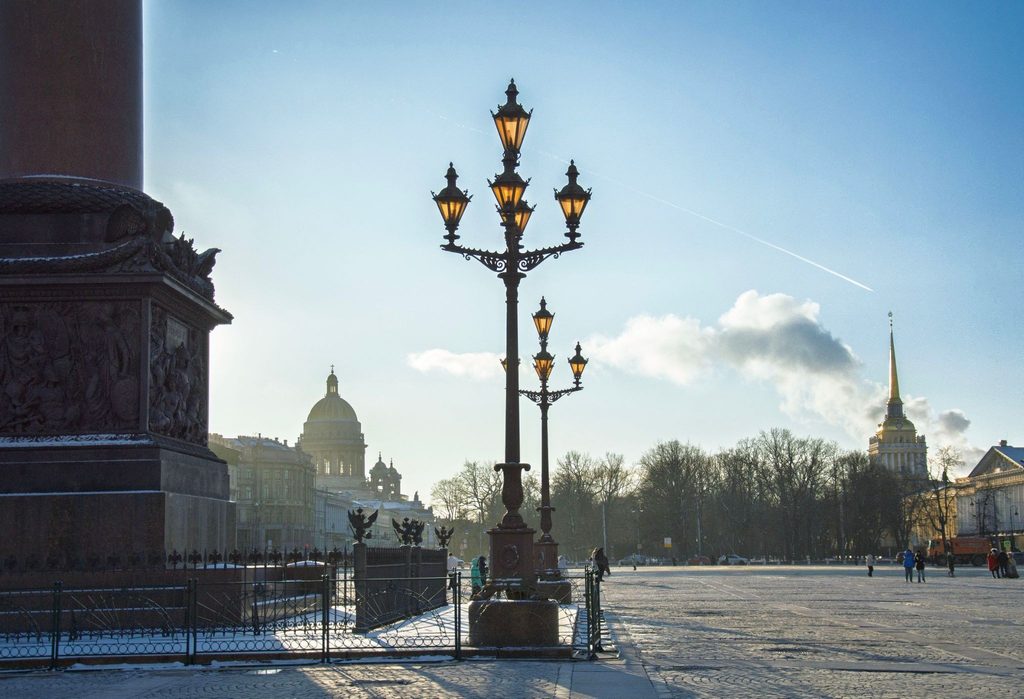
The Northern Society chose Guards Colonel Prince Sergey Trubetskoy as the military leader of the uprising. The word «dictator» here simply meant the commander for the day of the coup.
Trubetskoy did not appear at the square. According to his own testimony during the investigation, during these hours he was wandering around the city: he dropped in at the General Staff, visited Palace Square, and watched what was going on.
By that time, the plan had already fallen apart. The insurgents had hoped to disrupt the oath of allegiance to the new emperor and force the Senate to adopt their «Manifesto to the Russian People,» which abolished autocracy and serfdom. But the senators had sworn allegiance to Nicholas early in the morning, long before the infantry square appeared. There was no one left to make demands of.
And so it happened that the most famous Russian uprising spent almost the entirety of its single day motionless.
From foreign campaign to amnesty
Who was that anyway
The word «revolutionaries» sounds strange applied to them, as soon as one looks at the list. Guards officers. Princes Trubetskoy, Volkonsky, Shakhovskoy. Barons Rosen and Steingel. People close to the court, heroes of the war against Napoleon, the upper stratum of the estate that stood to gain the most from the existing order.
They demanded to limit the system that provided them with this position and to free the peasants who worked for them.
Many carried these thoughts away from the foreign campaign. Officers who made it to Paris saw a system where class barriers were lower and power was limited in some way, and they returned home to serfdom. Secret societies grew out of this disconnect.
They had no unified plan. The Northern Society leaned toward a constitutional monarchy, while the Southern Society, led by Pestel, favored a republic. They argued for years, but had to act suddenly: Alexander I died in Taganrog, confusion over the throne began, and it became clear that the conspiracy was uncovered and the authorities had the names.
The shot after which there was nothing left to negotiate
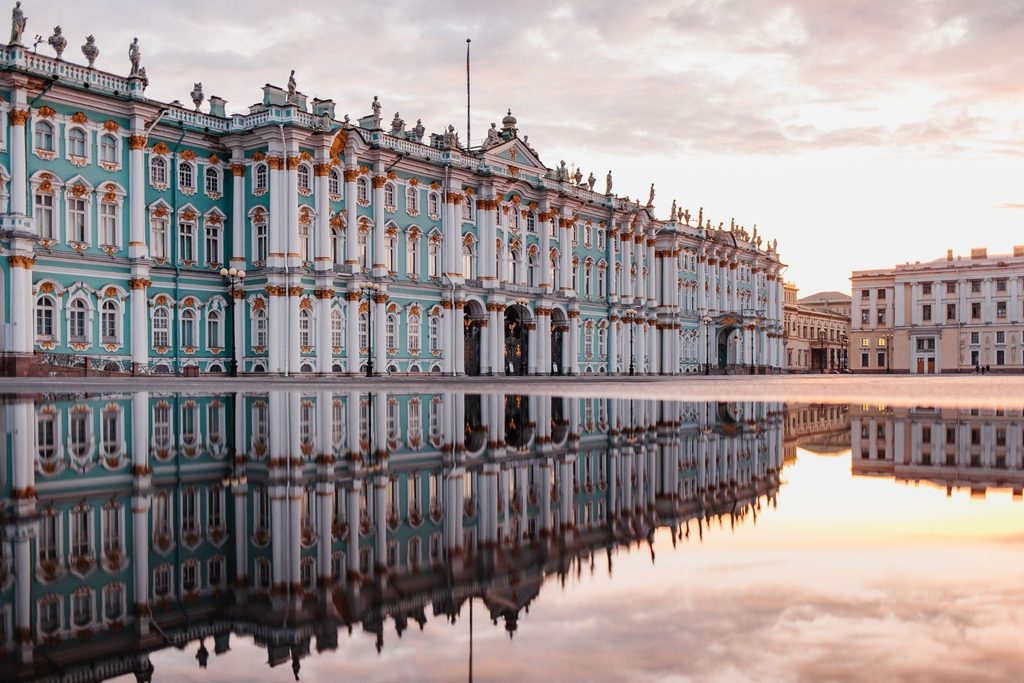
Nicholas did not want bloodshed on the first day of his reign and sent negotiators to the square.
General Miloradovich, the St. Petersburg Governor-General and a hero of that very war against Napoleon—a man known and loved in the army—rode out to the soldiers. He spoke with them, and the soldiers listened. Matters were heading toward negotiations.
Then Pyotr Kakhovsky shot him with a pistol. Miloradovich died the next day.
After this, a peaceful outcome became impossible. By evening, the square was hit with grapeshot, the area was cleared in a matter of minutes, and it was all over.
Sentence
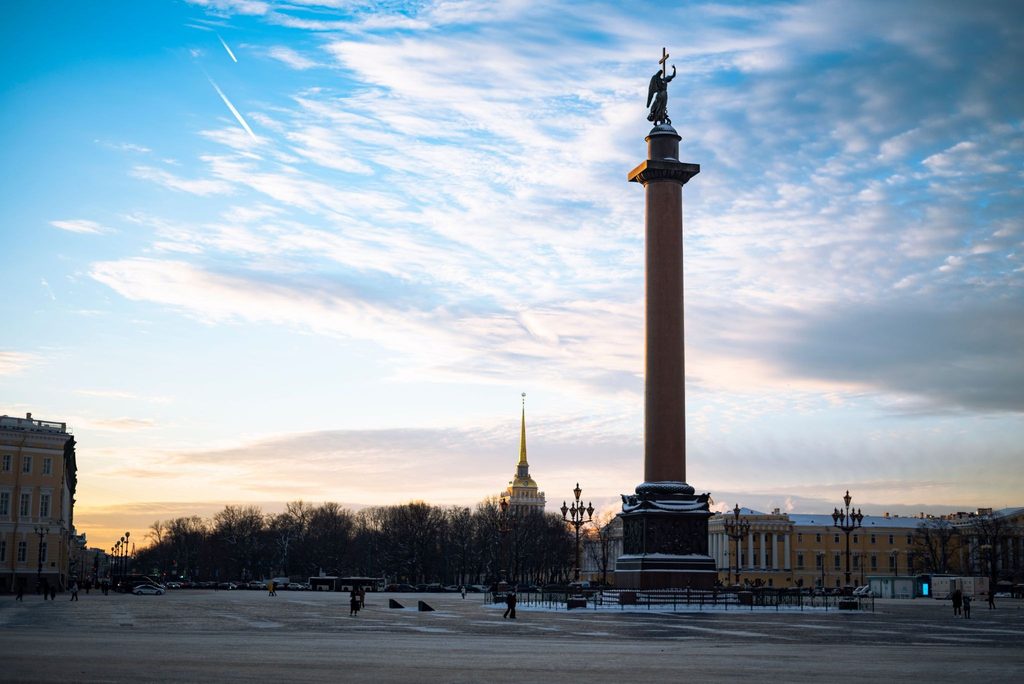
Hundreds were investigated, and one hundred and twenty-one people stood trial before the Supreme Criminal Court.
Five people received a death sentence. The execution took place at the Kronverk of the Peter and Paul Fortress on July thirteenth, 1826, Old Style. Ryleyev and Kakhovsky, Pestel, Muravyov-Apostol, and Bestuzhev-Ryumin were hanged. The others were first stripped of their ranks and nobility, and then sent to Siberia, some to hard labor, others to exile.
The soldiers led onto the square by the officers were tried separately, in their own manner.
Women who followed their men
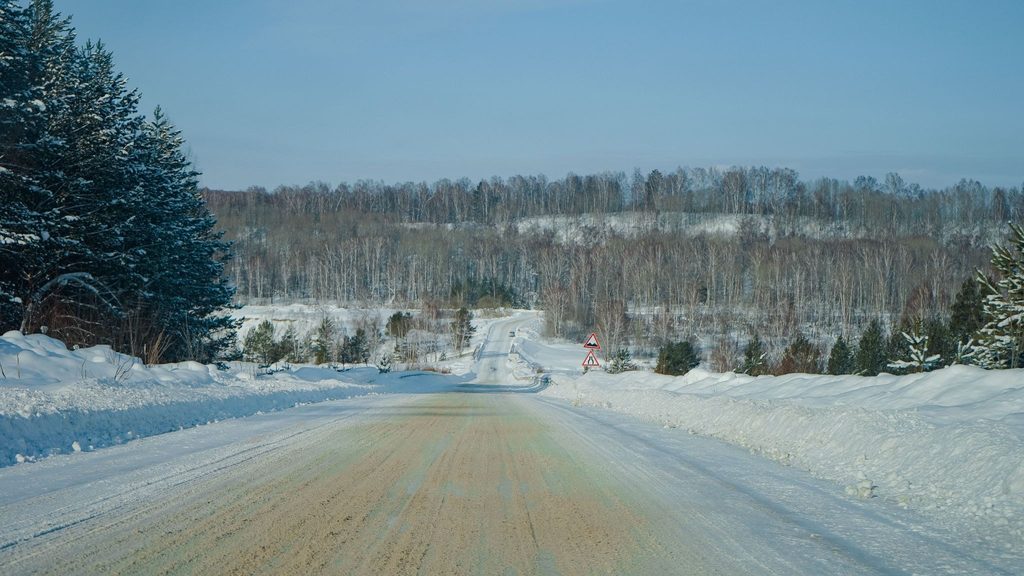
Out of one hundred and twenty-one convicts, twenty-three were married. Eleven wives followed their husbands to Siberia, and they were joined by Ivan Annenkov's fiancée and Vasily Ivashev's beloved.
The conditions of departure should be listed because they are usually omitted. The woman lost her nobility and assumed the status of a convict's wife. She could no longer manage property or move about freely. There was no way back: they signed an agreement to remain in Siberia until the husband's death. Children who had already been born were not allowed to be taken along, and almost all left them with relatives. Children born later in Siberia were no longer considered nobility and were registered as state peasants.
Ekaterina Trubetskaya was the first to obtain permission. Maria Volkonskaya was in her early twenties and left shortly after giving birth, leaving behind her newborn son. The boy died two years later, and they never got to see each other again.
The amnesty was declared in August 1856, thirty years later. Trubetskaya, Muravyova, and Ivasheva did not live to see it and remained in the Siberian soil.
Who is who in this story
| Name | Who was he | Fate |
|---|---|---|
| Pavel Pestel | colonel, head of the Southern Society, supporter of the republic | executed in July 1826 |
| Kondraty Ryleyev | poet, one of the leaders of the Northern Society | executed in July 1826 |
| Pyotr Kakhovsky | retired lieutenant who shot Miloradovich | executed in July 1826 |
| Sergey Muravyov-Apostol | lieutenant colonel, leader of the uprising in the south | executed in July 1826 |
| Mikhail Bestuzhev-Ryumin | second lieutenant, Muravyov-Apostol's closest associate | executed in July 1826 |
| Sergey Trubetskoy | prince, colonel, chosen as the leader of the uprising | penal servitude and exile, returned under an amnesty |
| Sergey Volkonsky | Prince, Major General, participant in the war against Napoleon | hard labor in Siberia, returned under an amnesty |
| Nikita Muravyov | author of the constitutional project of the Northern Society | hard labor, then exile, died in Urik in 1843 |
| Ekaterina Trubetskaya | princess, the first to obtain permission to follow her husband | died in Siberia, without living to see the amnesty |
| Alexandra Muravyova | Nikita Muravyov's wife followed her husband | died in Petrovsky Zavod in 1832 |
| Maria Volkonsky | Princess, she left for Siberia in her early twenties | returned with my husband after the amnesty |
| Mikhail Miloradovich | Governor-General of St. Petersburg, hero of the war against Napoleon | wounded in the square, died the next day |
| Nicholas I | the emperor who ascended the throne during the interregnum | ruled until 1855 |
What came of it

The uprising was lost in a single day and, by all outward appearances, ended in nothing.
At the same time, the trace left was long. Nicholas I took away a distrust of the nobility from the Fourteenth of December and built his administration around surveillance, while talk of a constitution and serfdom went underground for decades after the executions.
Another line remained as well, the literary one. Nekrasov wrote a poem about the wives, Pushkin a message to Siberia, where his lycée friends were among the addressees. In English-language books the events are called the Decembrist revolt, and in Russian memory they are sustained not by the outcome, which there was none, but by the gesture itself: people who had everything to lose went out and lost it.
We have an idea of how this plot will resonate ninety years later analysis of the 1917 revolution, and about the emperors under whom all this took place, separate list of dates.
What is there to talk about with a child here

This story is difficult, and there is no need to soften it, but there is also no need to frighten the child with details.
It is better to build the conversation not around the execution, but around the choice. People of status and wealth went to the square for something they personally did not need. Women gave up their titles and traveled three thousand versts to a place from which there is no return. A teenager understands this without explanation, and discussing this is more interesting than dates.
Where will this be useful in lessons

Russian history in families living abroad usually comes down to a few names and a couple of dates. At Palme School, such topics are studied in full during classes, because through them the language is remembered more reliably than through lists of words. We accept students from four to seventeen years old.
You can find out if this is right for your child at two free lessons. The first one is held with a methodologist, who gets to know the child, determines their level, and talks about the program. The second one takes place like a real group lesson, with a teacher and other children.
Frequently Asked Questions
Who were the Decembrists?
The name comes from the month: the uprising took place in December 1825. This is what the nobles and guards officers from secret societies are called who tried to prevent the oath of allegiance to the new emperor, limit his power, and free the peasants.
Why did the uprising fail?
The Senate swore allegiance to the new emperor before the rebels took to the square, and there was no one left to present demands to. Trubetskoy, who had been chosen as the leader, did not arrive at Senate Square, and the square formation stood without command for several hours. By evening, it was dispersed by artillery.
How many Decembrists were executed?
Five of them: Pestel, Ryleyev, Kakhovsky, Muravyov-Apostol, and Bestuzhev-Ryumin. The execution took place on July thirteenth, 1826. The rest of the convicts—a total of one hundred and twenty-one people stood trial—were sent to hard labor and resettlement.
Is it true that the wives followed their husbands to Siberia?
Yes, eleven wives went, as well as the fiancée and the beloved of two of the convicts. At the same time, they lost their nobility and rights, and could not return: departure meant consent to remain in Siberia until the husband's death.
Why are the Decembrists remembered if they lost?
Because people remember the action, not the result. High-ranking people opposed an order that benefited them, and they paid for it. Besides, the topic entered literature, from Pushkin's message to Siberia to Nekrasov's poem about the wives.