
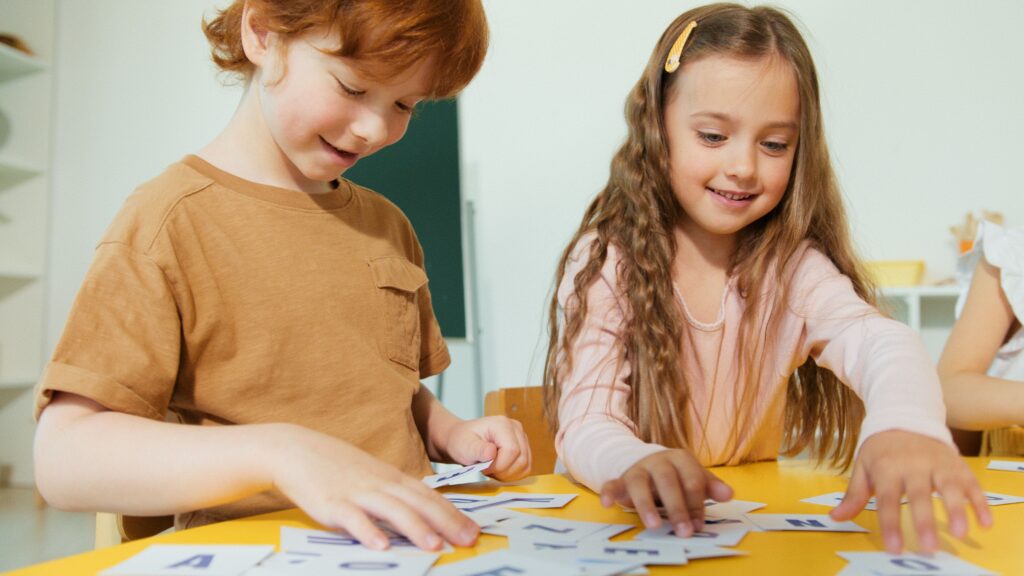

Points for correct answers, levels just like in a video game, badges for perseverance, team tournaments instead of a boring test. Sounds like fun? Well, these are lessons. Just ordinary school lessons, but structured according to the laws of the game.
And this is not the whim of an individual enthusiastic teacher. Gamification, as it's called, has become one of the main techniques in modern schools. Especially in elementary grades, where it's hardest to hold a child's attention. There are things for parents to take note of here, and not all of them are good.
What's happening
A quiet revolution is happening in how material is delivered. The scale is evident in both the money and the attitudes of teachers. The gamified learning market, according to various estimates, is measured in billions of dollars and is growing rapidly, by tens of percent per year. And surveys of educators speak with one voice: games engage children better than other methods. According to one study, nearly nine out of ten teachers who use digital games in the classroom have noticed how children have become more animated and actively involved.
Gamified learning is no longer a rare novelty. National surveys in America explicitly call it mainstream in elementary and middle schools. What was considered a Friday bonus before vacation yesterday is now integrated into the regular lesson today.
Why does this work

And because the game hits the weakest spot in studying – boredom. It's hard for a child to force themselves to cram for a distant A. But to complete a level, beat a record, earn a badge – that's where excitement pulls you forward on its own.
A good game is cleverly designed. It presents a manageable challenge, immediately shows the result, and allows you to feel progress: you couldn't do it before, and now you can. Competition spurs you on, small victories uplift you, and the right to make mistakes without dire consequences removes inhibitions. All of this is often lacking in a regular lesson. It's no wonder that children who are bored at their desks liven up as soon as a task is turned into a game.
Where is the reverse side of the medal
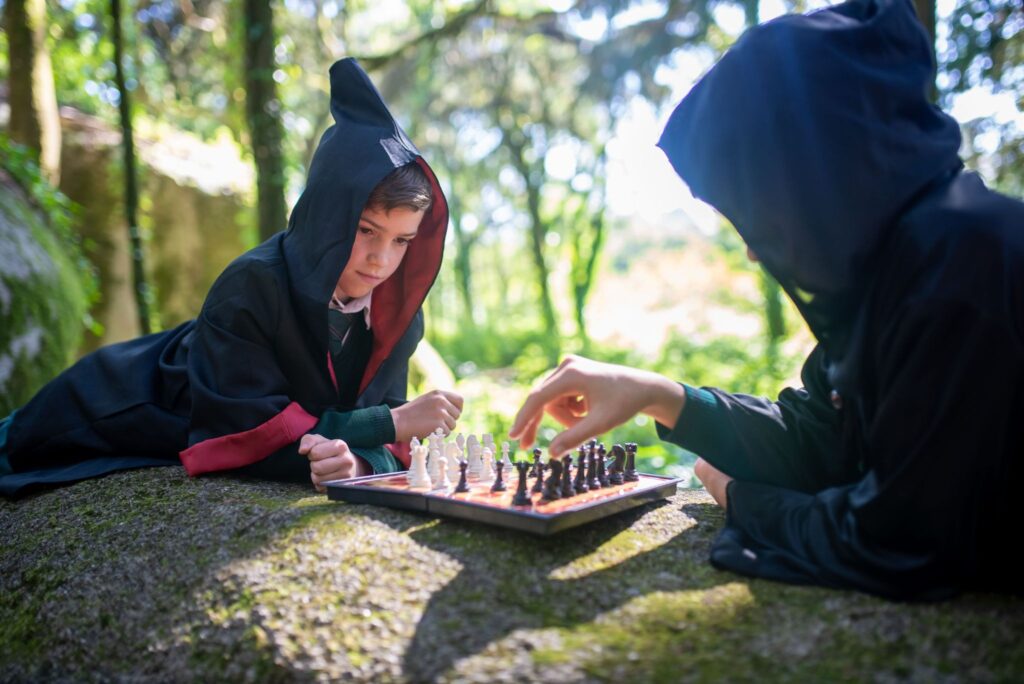
But here's what's important, and what the researchers themselves talk about. Gamification is not a magic wand. It has a trap.
If a child studies only for grades and rewards, it's easy to lose sight of the main thing: interest in knowledge itself. Rewards are addictive, but they also replace the meaning. Remove the badges and the leaderboard, and the motivation collapses: what are you learning for now? It turns out that the game ignites excitement, but this excitement is based on an external rattle, not on a love for the subject. Therefore, wise educators use games as a bridge: to entice, to draw in, and then to gradually awaken genuine interest, which doesn't depend on points. The game is a means here, not an end.
Where is our parental interest here
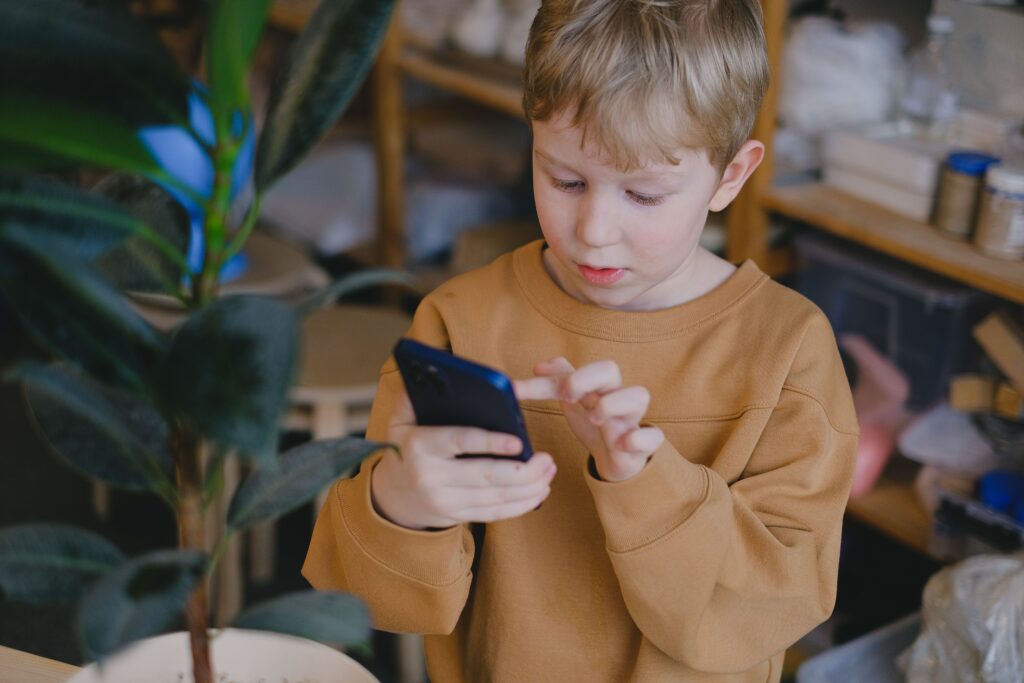
And here's where the story turns to a Russian-speaking family. Because the thrill of the game can wonderfully captivate a child, but doesn't teach the language on its own. And for a parent in emigration, this is precisely what's important – living Russian.
The temptation is understandable. Download a colorful app with levels and badges for your child, let them learn Russian playfully, and give the parent some peace. The trouble is, the game will drill words and provide motivation, but the child will learn to speak, understand, and feel the language not by chasing points, but through live conversation. The game is good for luring them in, sparking interest, and removing fear of a new language. But language grows not from badges, but from communication with a person who listens and responds. Let the game be the spark. But not the whole bonfire.
The Palme school will help with
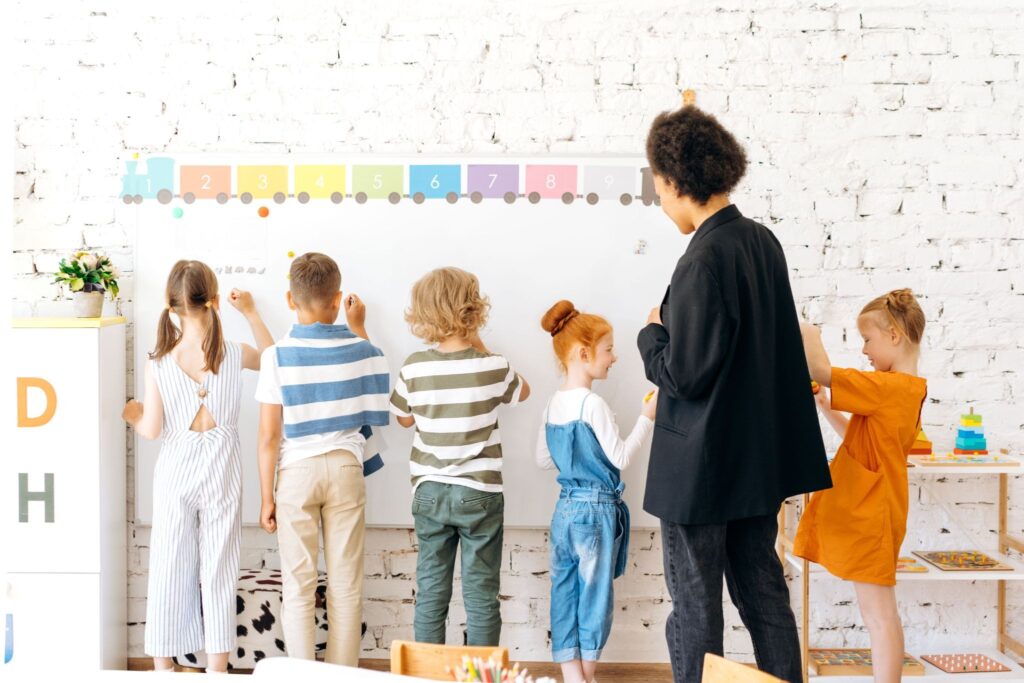
At Palme School, we understand this and take the best from the game without losing what's essential. Lessons include excitement, competition, and the joy of small victories; children play with words, solve puzzles, and compete. But at the heart of the lesson aren't points, but lively conversation: a child speaks, argues, and tells stories to a live teacher and other children. Excitement draws them in. Live communication teaches them. And one works for the other.
Children from four to seventeen years old are coming to us. Russian sounds at home, it will work. Program for bilinguals. The language is still foreign, let's start with Russian as a foreign language courses. Classes are online, groups are small, and sessions are forty minutes long. There's no charge to try it out: first, a methodologist will speak with the child to determine their level, and then there will be a trial group session. Two meetings are enough to decide if it's right for you.
Home

Schools are increasingly teaching through play: points, levels, rewards, tournaments, and especially in elementary grades, because excitement engages where a boring lesson is powerless. The method works, but with a caveat that researchers themselves acknowledge: if you only learn for rewards, you lose interest in knowledge itself. For a Russian-speaking family, the conclusion is simple. Play is good for attracting a child, but a living language grows not from badges and points, but from real conversation. Industry research on the education market has reported on gamified learning as a growing trend in schools.
What is gamification in learning?
Gamification is when ordinary educational material is presented according to game principles: points are awarded for correct answers, there are levels, rewards, badges, and team competitions. The goal is not to turn a lesson into entertainment, but to hold a child's attention and draw them into learning through excitement and interest. This approach is particularly actively used in elementary schools, where it is most difficult for children to sit still and concentrate.
Are games in education really useful or just trendy?
Both, to some extent. Research and surveys of teachers confirm that game elements significantly increase engagement, and children learn more actively and willingly. But there's a caveat. If everything relies solely on rewards, the child learns for the points, not for the knowledge, and if you remove the rewards, the interest fades. Therefore, it's sensible to use games as a way to engage, rather than as the sole driver of learning.
Is it possible to learn a language through a game app?
The game is engaging and helps with vocabulary, but language isn't limited to that. A child learns to speak, understand others, and feel the language through real-life communication, not by chasing points in an app. Game elements are useful as a spark of interest, especially at the beginning, but true language acquisition grows through conversation with a real person who listens and responds.