
Don't make noise in the house; there won't be any money.
Almost everyone who grew up in a Russian-speaking family has heard this phrase, and almost no one can explain why money matters. A child growing up abroad hears it from their grandmother via video chat and simply shrugs. Behind it lies a whole set of old household beliefs, including the idea of a bogeyman.
The doormen are the spirits of the house, its invisible masters. For many, they have long been a folkloric character, but the superstitions and stories associated with them continue to live on. Let’s examine a few customs that have survived to the present day and see where each one originated.
Why don't they whistle in the house
In folk tradition, whistling in the house was considered dangerous. It was associated with loss of wealth, with impure forces, and with dissatisfaction with the home environment; in different places, the reasons for this were explained in different ways. There is no single reason for this, and for folk beliefs this is normal.
The ban itself survived its own explanation. People who have absolutely no idea about any household rules still scold the children, because the phrase was conveyed along with the intonation.
Who is he anyway?
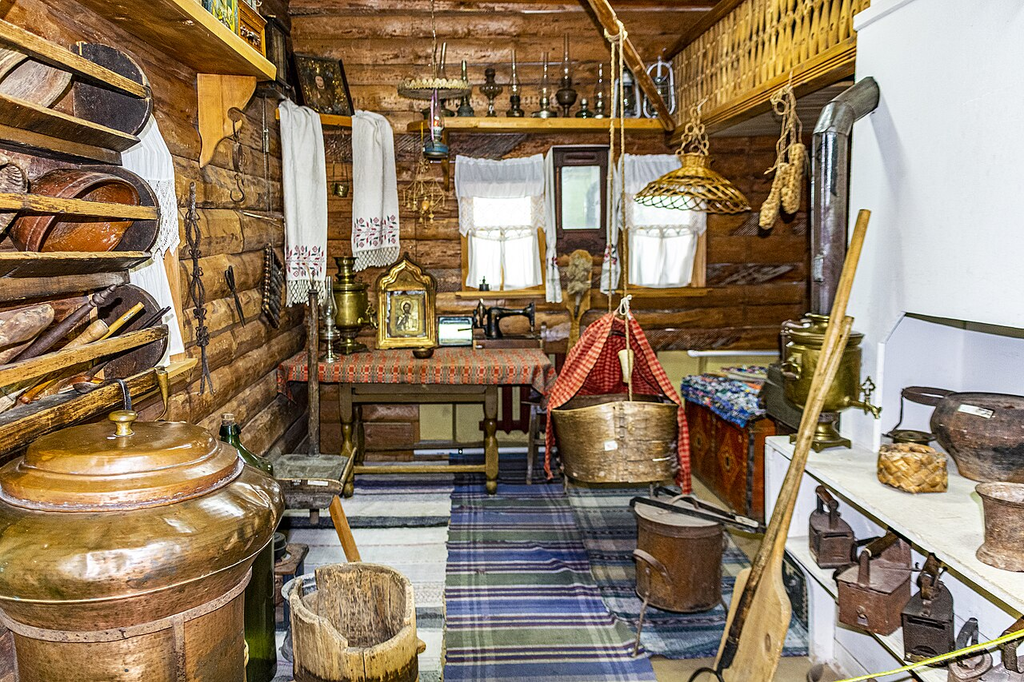
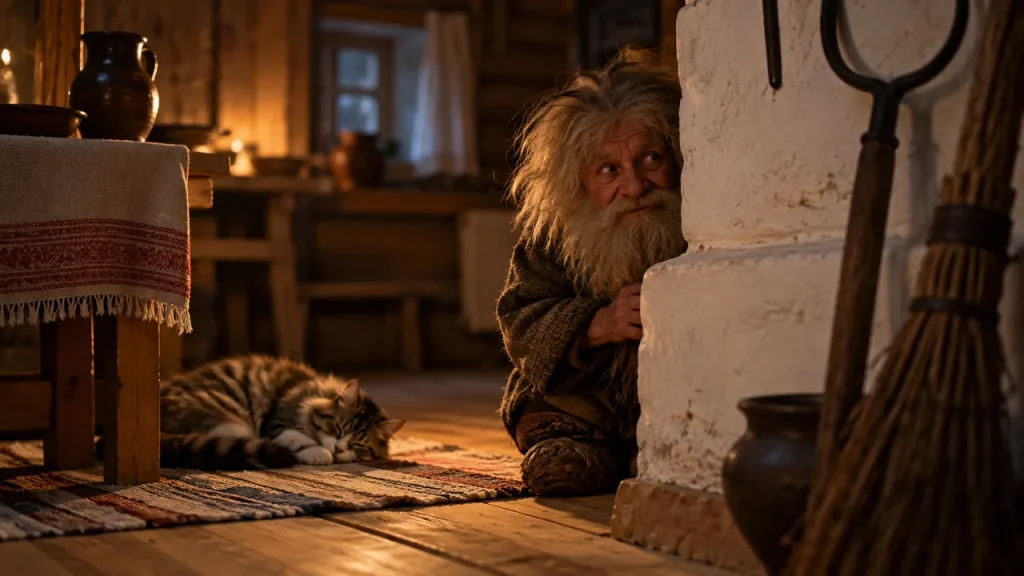
The householder was presented as the owner himself, only invisible. Neither a monster nor a helpful assistant were considered to be part of him.
He lived, according to tradition, behind or under the stove, in the basement, sometimes next to a cow. In modern urban stories, the house goblin is sometimes placed behind the stove or in another secluded part of the apartment; this is more of a new folklore than a direct continuation of the old tradition.
He was described as grumpy and tidy. He kept the house in order, looked after the livestock, could help, and could also harm someone if they caused a nuisance in the house. His other specialities were making noise at night and losing things.
He was definitely not a wicked character. He was considered the master and patron of the house, but he was also attributed dangerous traits, the ability to frighten, harm people, and torment livestock. In some traditions, he was associated with unclean forces, while in others, on the contrary, he was emphasized as having a home-like spirit. There are very few simple characters in Russian folklore in general., Cossy and Baba Yaga They are also more complex than just villains.
Why did they leave food behind?
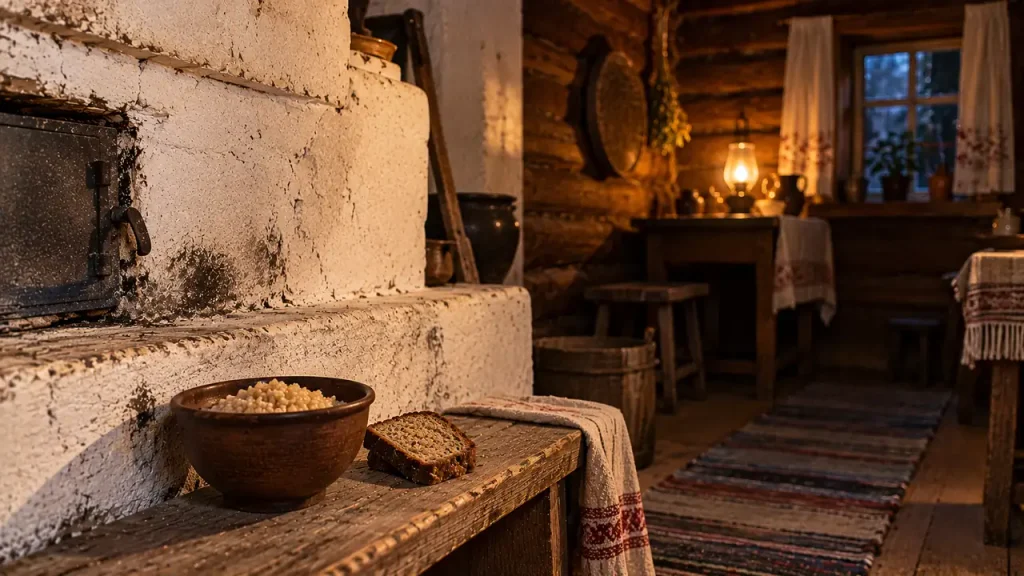
The householder would leave a treat for the servant, such as bread, porridge, or milk.
So they would stroke the house cat and maintain good relations with it. In different places, they would leave treats under the stove, on the stove, in the oven, or in the attic. In return, they expected the owner not to make any noise, not to mess with the cat’s hair, and not to hide things.
Similar gestures are still common today. Someone leaves candy or other treats in the new apartment, more out of a family tradition than out of a genuine belief in the spirit of the house.
Why they called him along when they moved
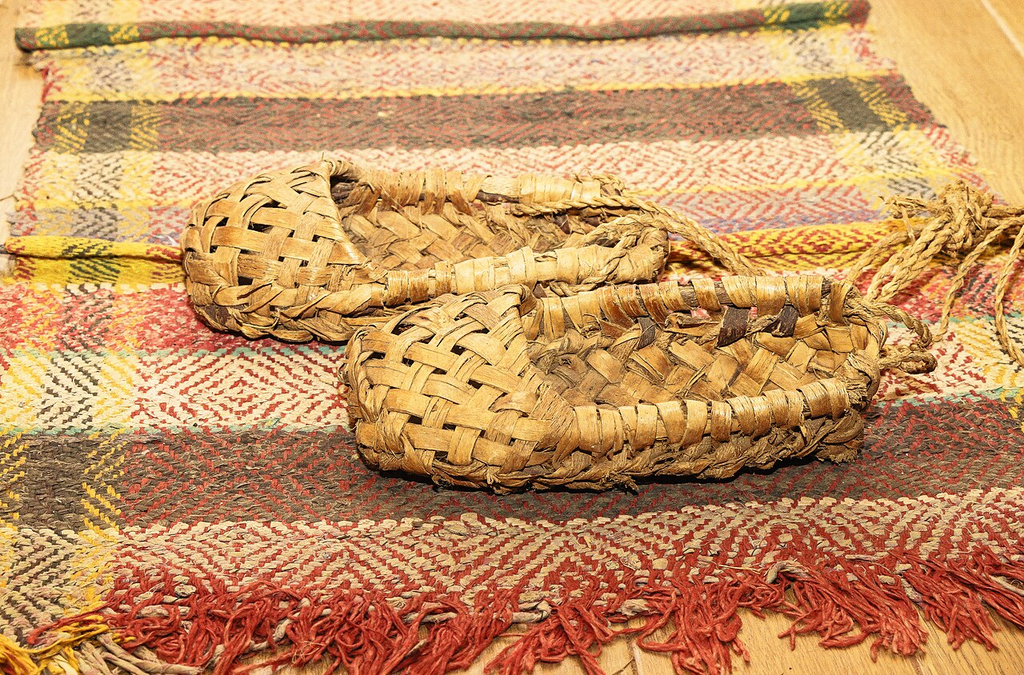
The doorman is the spirit of the house, and it would have been logical to leave him in the house. But the opposite happened; they called him along with them.
The housewife would open the fireplace damper, place a ladle or take coal from the old stove and, in a loud voice, invite the householder to move in with the family.
It turns out that in some representations, the house was associated not only with the individual who lived in it, but also with the family that lived in it. Researchers associate its image with, among other things, the representations of the ancestor who was the head of the family. At the same time, it remained very closely associated with the house, the stove, the courtyard, and the household.
The ritual symbolically allowed the home owner to move from their old home to a new one; in other words, to take with them what is not replaceable. For a family that has moved to a different country, this detail sounds especially close, but it is recognizable to everyone who has ever changed homes.
Where do lost items go
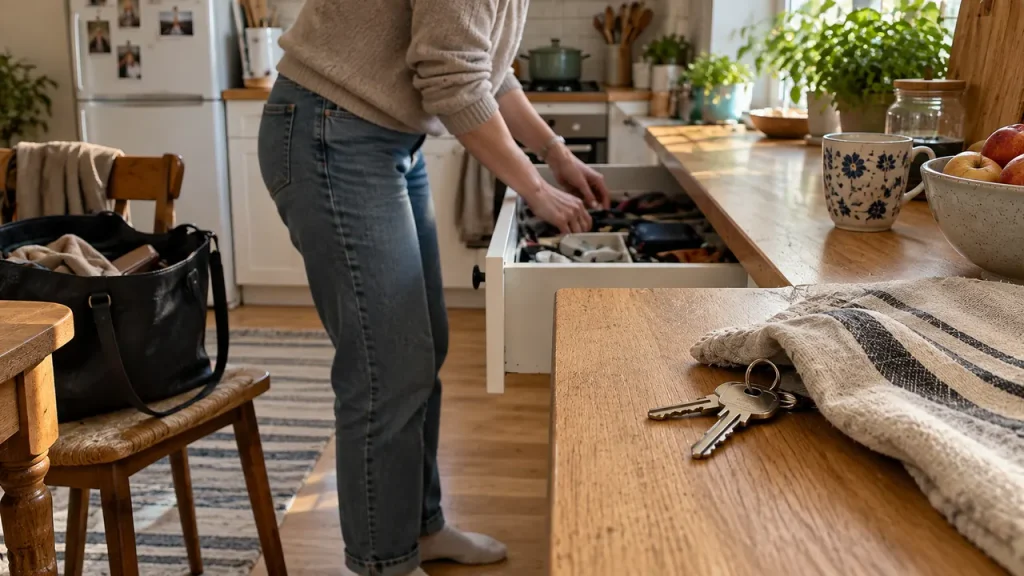
In some local traditions, the loss of things was also attributed to the spirit of the house. He was asked to return the item in person, sometimes promising something in return, sometimes in a joking or strict manner.
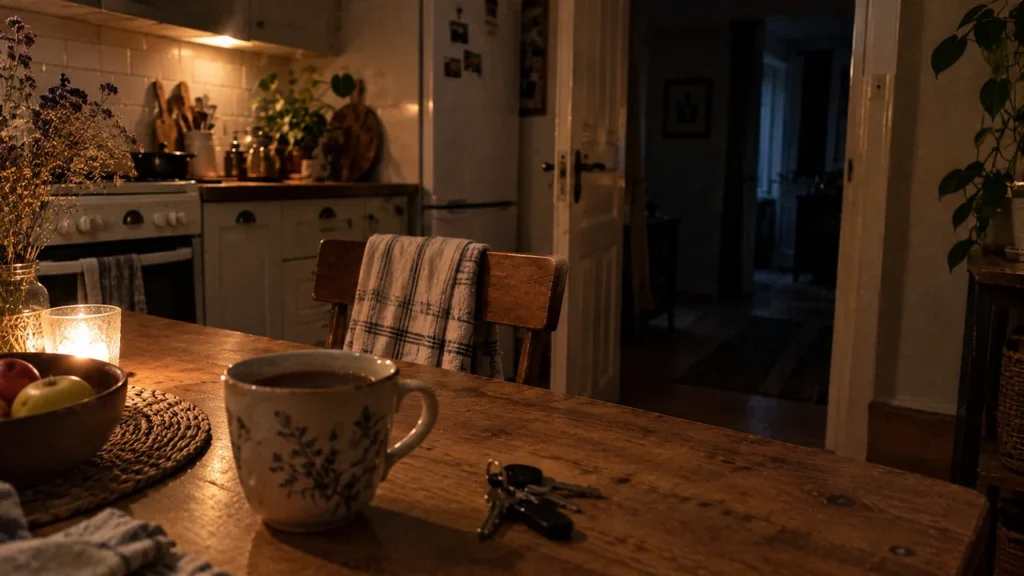
Such requests are still alive today. Adults who have never heard the word «doomsday» in a serious way still utter the request to return the keys out loud, often with a laugh, but they do it.
What has remained from this in the families?
Many household prohibitions and customs are associated with the concept of the home today, both in general and specifically regarding the household itself. Their origins are varied, and not everyone derives them from a belief in the presence of a spirit within the home.
Don't stay angry all evening. Say goodbye to home by coming into an empty apartment. Sit on the sidewalk in front of the exit.
The doorman is one of the characters here, and he was not the source of all the rules. Some of the prohibitions grew out of other representations about the house, the threshold, and the beginning of the path.
All of this has survived to our days, detached from the explanations. They do it because that’s what they used to do at home, and no one remembers where it came from anymore.
This is where the familiar family scene comes in. The child asks why whistling is not allowed, and the adult has only the «just can’t» answer at hand, because he himself has never heard the real answer. This takes about half a minute to answer.
How to tell this to a child
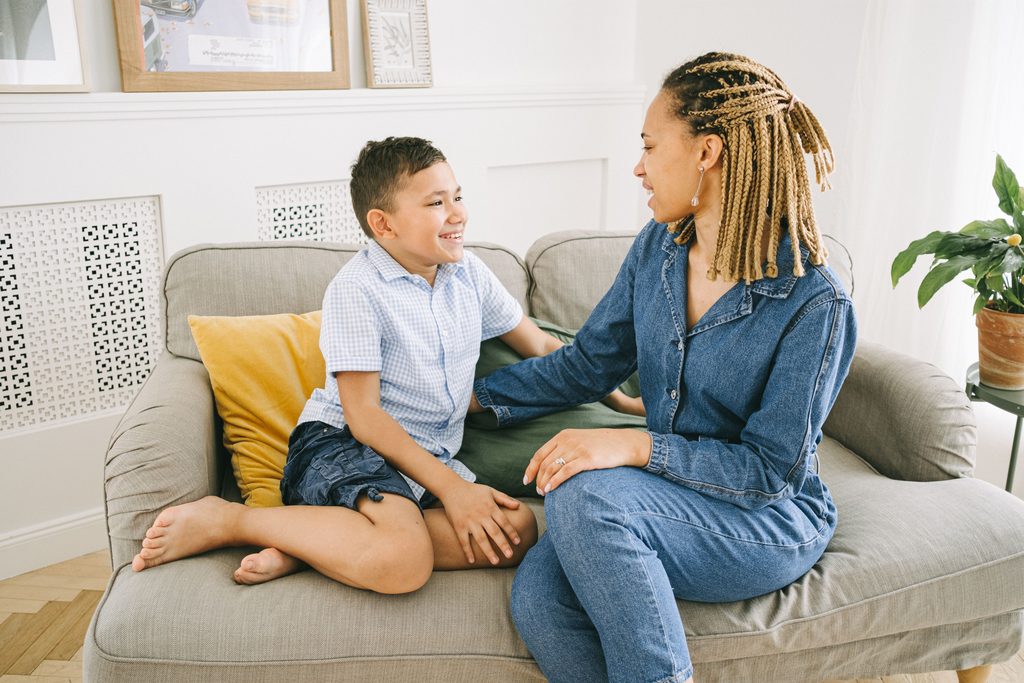
Start with a question, not with a story.
Ask what strange rules there are in your house, something that they always do, but no one explains why. The child usually names two or three, and some of them will be related to home beliefs.
Next, let’s get to the bottom of one rule. Why don’t people whistle in the house? Why do they ask to return the keys out loud? Tell us what old ideas about the house and its invisible owner may have been behind such customs, and what even the owner used to bring with them when moving house. For a child living in another country, this detail usually turns out to be the most obvious.
There is also a linguistic benefit. The word «domoey» easily creates a whole cluster of cognate words, and it grows out of history rather than from a notebook.
The same trick works for other family rituals as well. Russian toast It seems organized; the words in it are understandable to everyone, but why it is so long is more difficult to explain.
With a teenager, the conversation is different. He is more interested in the mechanism than the superstition itself. How does faith that created it experience change over time? And why do people do things they no longer believe in? He will find examples in his own American or Canadian life, from knocking on a tree to wearing a happy T-shirt before a match.
Why on Earth would anyone need to know such superstitions?
There is a layer between the everyday Russian language and the academic one that is almost never spoken out loud. It is habits, expressions, hints, and family phrases without explanation. The words are understood, but the meaning is absent.
This is also the case for adults who are teaching Russian as a foreign language, and for children abroad. The former understands the phrase «sit on the sidewalk» literally and remains puzzled, roughly as with particles like «ye» and «nu», In the second one, the word "vocabulary" is not used. The second child hears grandma's remarks from birth and gradually begins to consider them just strange.
The home life is convenient because this layer is opened up in one conversation. There’s no need to believe anything; the superstition has long since become a cultural fact. What is clear, however, is that we can understand where these words and habits come from in the family.
And one more thing. Russian folk tales The child usually receives books as something separate from life; whereas the household follows the everyday rules that the family lives by today, and the folklore is more closely tied to reality than any fairy tale.
How can such a topic be used in a lesson
One house rule gets three things done at once.
The word formation proceeds through the root "dom". The child collects a nest out loud, "domestically", "at home", "at home with the family", and at the same time he/she explains what the domestic differs from the demon.
The conversational practice involves telling about their family. What rules do you have at home, who made them, what happens if you break them. It’s a personal topic, so the children are happy to talk about it and say longer than usual.
The cultural layer is being reinforced on its own. The child compares his/her family rules to those he/she heard during the class and sees that some of them are common, while others are unique to the individual.
We conduct online lessons with children from four to seventeen years old in small groups, You can start with two free lessons. First, the methodologist will determine the level and select a group, and then a regular lesson with the teacher will take place.
Frequently Asked Questions
Who is a doorman?
The spirit of the home, its invisible master. According to beliefs, it lived behind or under the stove, in the basement, sometimes alongside livestock; it kept order and looked after the household. It was definitely not considered evil. It could help the owners, but it could also be angry, frightening, and harmful; the attitude towards it varied from place to place.
Why is it not allowed to whistle in a house?
In folk tradition, whistling in the house was considered dangerous, and it was explained in different ways. In different places, it was associated with loss of wealth, unclean spirits, and dissatisfaction with the home atmosphere. There is no single common reason for the ban; the omen itself has survived its original explanation and is still passed down from generation to generation.
Why did they leave food for the doormen?
Food, such as bread, porridge, or milk, was left to please the owner of the house and maintain good relations with them. In different places, the food was placed under the stove, on the stove, in a bread oven, or in the attic.
Is it true that the family called the house a "demonic" place when moving in?
Yes, and that’s one of the most intriguing details. The hostess would open the fireplace damper, place a ladle in the fire, or take coal from the old stove and, in a loud voice, invite the goblin to move in with the family. It turns out that in some of the performances, he was associated not only with lust, but also with the family itself.
Why do lost items ask to be returned out loud?
In some beliefs, the loss of things was explained by the antics of the house goblin and it was asked to return the lost thing aloud, sometimes promising something in return. Such jokey appeals are still common today, often without any belief in the house goblin.
Where does the doormen live in a modern apartment?
In old beliefs, its place was in the fireplace, under it, or in a hidden place. In modern urban stories, the house goblin is sometimes placed behind the stove or in another secluded corner of the apartment, but that is a new folklore, not a continuation of the old tradition.
Why tell about Domov today?
Not to convince anyone of the existence of a spirit, but to explain the origin of family sayings, common customs, and cultural references. The doomsday is a convenient gateway to a whole layer of household beliefs, where the words are understood literally, and the meaning is only deciphered together with the story.