
In Valentina Osyeeva’s story «The Magic Word,» which was published in 1944 by «Murzikla» and was later read in the second and third grades for decades, the magic word itself is not mentioned at first. The old man on the bench leans towards Pavlik and whispers it into his ear, and the reader is left to guess. Everyone guesses, and usually the story is remembered just like the story of «Please.».
If you read it again to an adult, it turns out to be also a story about a boy who left home during a quarrel, sat on a bench and came back. And the most interesting thing about it, perhaps, is how exactly he returned.
Bench in the park
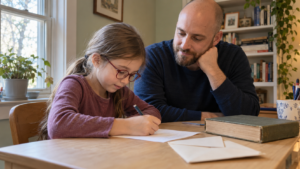
Pavlik comes to the square angry, and he has reason to be angry: first of all, because of three things. Sister Lena won’t give him any paint. Grandma kicked him out of the kitchen because of the carrots. His brother is going to go boating and won’t take him with him.
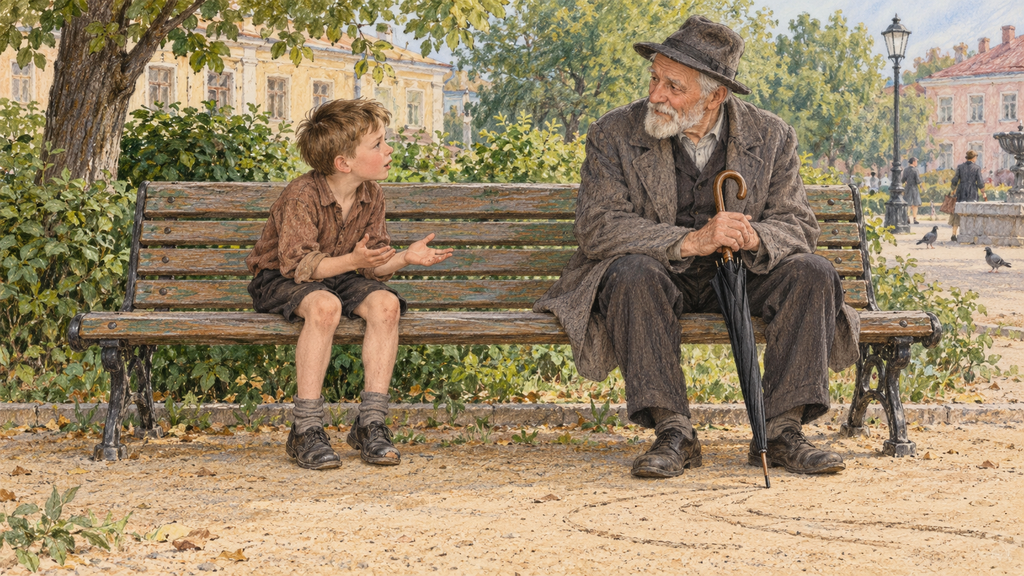
He sits down next to an old man who is drawing something with an umbrella on the sand, and when asked what happened, he blurted out all three grievances at once and declared that «soon I’ll run away from home completely.» The old man did not argue or persuade him. «It’s nothing! One will scold, the other will feel sorry,» he said, and offered the boy a chance to speak.
Pavlik didn’t negotiate with anyone about how long he would stay in the park. No one at home knows where he is or when he will return, and it seems that no one is thinking about it yet. The bench in the park is for him the same place as his own room with the door closed at home; he goes there when it becomes unbearable to stay at home and there’s nothing more to say.
How he returned
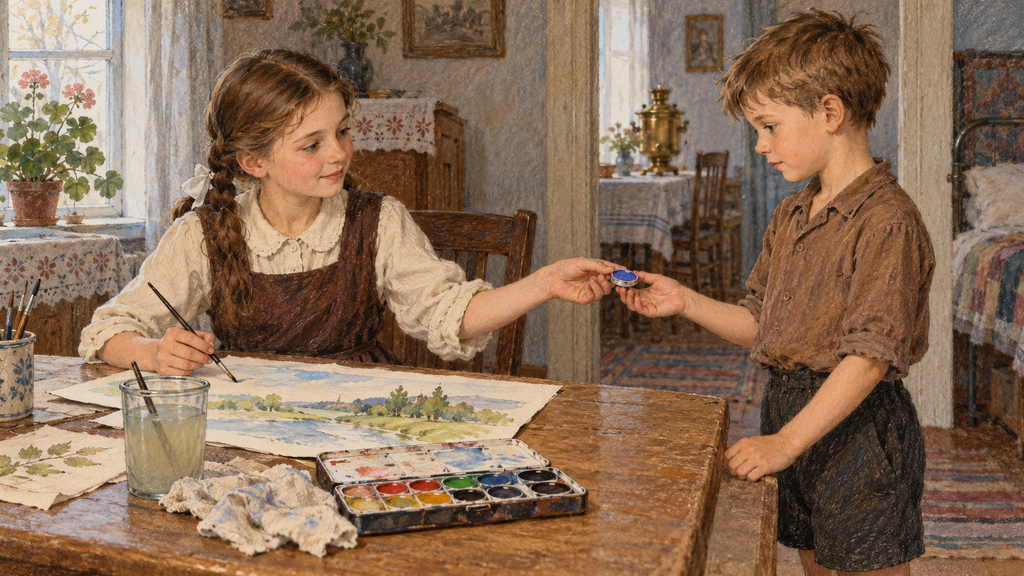
The old man not only whispers the word; he explains how to say it, and this explanation in the story is almost more important than the word itself. He should speak with a «quiet voice, looking directly into the eyes.».
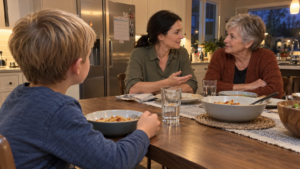
And Pavlik is going back. First to Lena, and asks her for a single color of paint, quietly, and at the end adds the very same word. Lena gives him the blue one. Then to Grandma, asks for a piece of pie, and Grandma chooses the most rosy one for him. At dinner, he asks his brother to take him on a boat, and his sister and Grandma intervene on his behalf, and the brother agrees, laughing, «oh you, the traveler.».
If you look closely, he doesn’t return to the argument from the place where he left off. He doesn’t argue that the colors are the same, doesn’t remind his grandmother about the carrots, and doesn’t complain to his brother that he’s being a bad influence. He comes with a different voice and with one request at a time to each person he’s argued with.
When everything was settled, Pavlik ran back to the square to tell the old man, but the bench was empty. Only the signs drawn with the umbrella remained on the sand.
What the story lacks
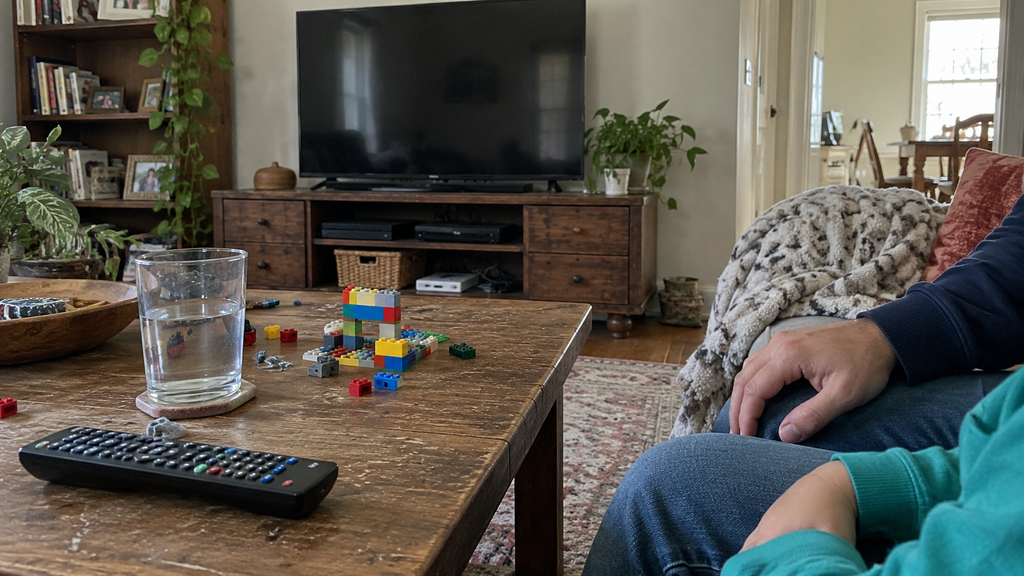
Oseeva's magic word works three times in a row, and Lena, Grandma, and the brother respond to Pavlik's requests. Life doesn't always work like that, and it's worth mentioning that the story itself promises almost a miracle.
If they argued about cartoons in the evening and there will be no more series today, then after the break there won’t be any either, no matter how quietly the child returns. Returning to talking is necessary to end the argument, to listen to each other and explain the decision, and no one promised to replay it. Pavlik has, one could say, been lucky with his relatives. What is valuable in his story is the fact that he returned himself and returned with ready-made words.
And there’s another one missing from the story. Nobody tells Pavlik when to return, and nobody waits for him at home at a certain time. He sits in the park for as long as he wants to, but he returns because the old man told him what to do.
Bench with a clock
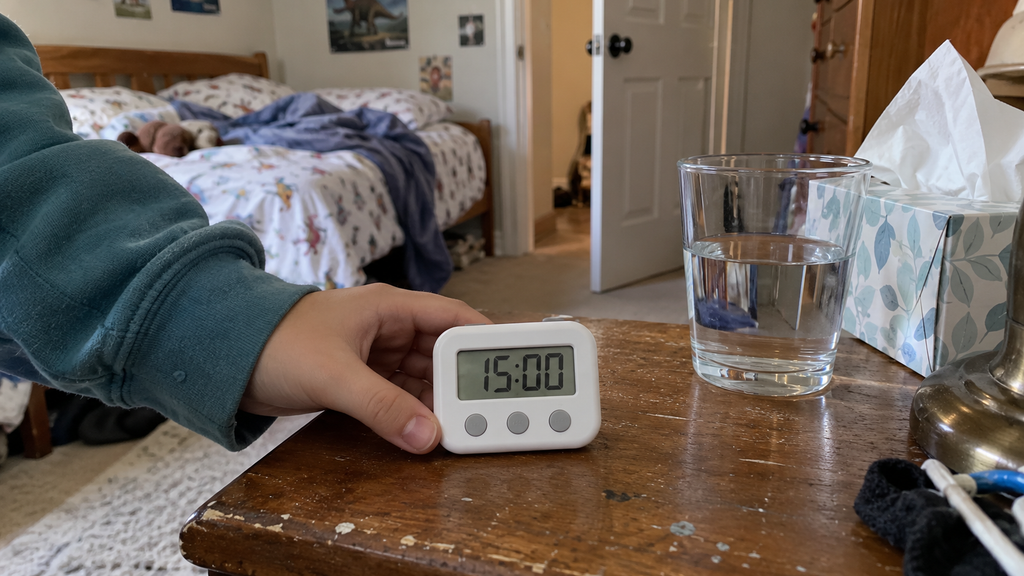
This is exactly the missing link that we discussed during one of our Soft Skills classes. The student chose from three possible behaviors in a conflict: «I shut up and go into another room,» and the teacher later returned to his choice. She said that in principle, this is not such a bad option; it just means saying, when you return, that you need to be quiet and go away. «Give me time to cool down, I’ll be back in fifteen minutes.» This rule, which ended this block of the lesson, fits neatly into one line. The pause works if there’s a valid reason, a deadline, and a return date.
If you put this rule next to the story, you can see that Pavlik had the words for return and the return itself, but there was no deadline. At home, they didn’t know that he had left to cool off and would soon return. In an ordinary family, it’s often this piece that’s missing; the child may not even know how to get out the door, and the adult in the hallway doesn’t know whether to knock or wait.
When an adult offers a pause
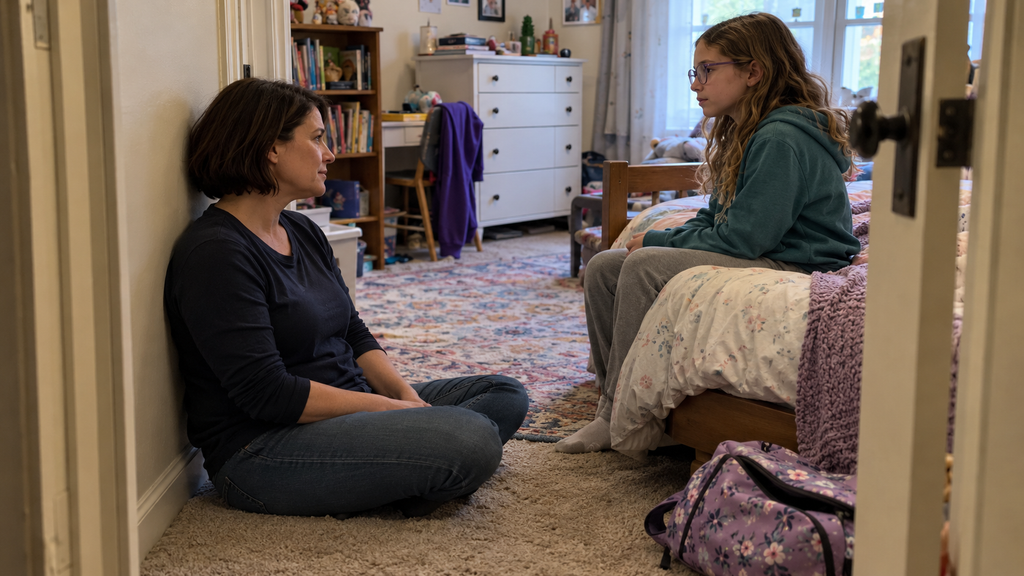
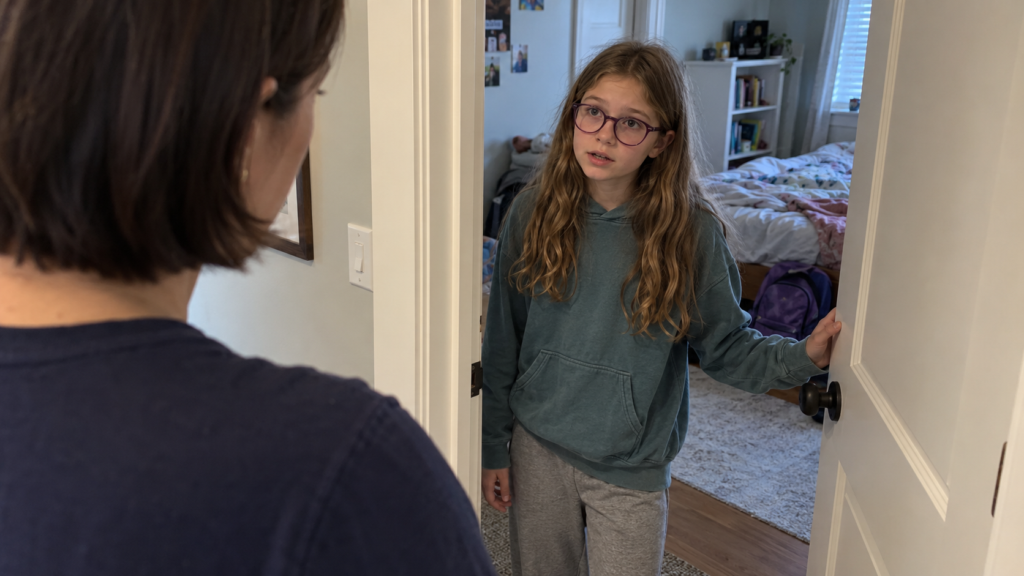
It happens the other way around too, when an adult sends a child to their room: «Go to your room and calm down.» In our article about that, How to help a child express anger, There is advice not to leave him alone with strong emotions. It is important to clarify here that the agreed pause that a child can use is different from the situation when they are sent to cope without support.
An adult can also suggest a pause. It is important that this is a way for the child to calm down with accessible support and a return to conversation. Pavlik was lucky to find an adult in the park who listened to him and suggested what to do to get home. At home, no one should be expected to take on this role in advance, on a quiet evening, by agreeing on a phrase and a time frame.
The pause agreement
Gather the contract together with the child in a calm moment when no one is arguing with anyone else. The child chooses the three lines, the adult the last one. Any line can be written in their own words. A short phrase is enough in a quarrel; the rest is already settled.
The pause agreement
What's happening to me now
How much time do I need?
What will happen next
What an adult is responsible for
What’s the magic word
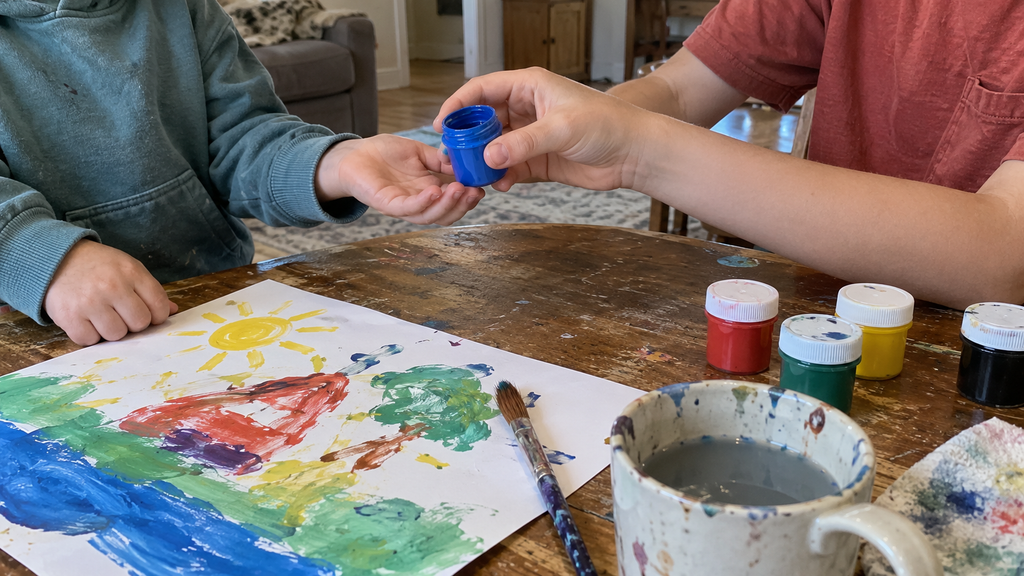
In English, «please» has the same nickname. Parents who tell a child «give» without a polite word ask again, «what's the magic word?», and expect a response of "please". Children who grow up with two languages probably know this expression from kindergarten.
So you can read Osieva again in Russian, and then ask him what Pavlik did when he got home. The answer will be about paint, a pie, and a boat. Then you can ask a second question, not about the story anymore.
If you go to your own place and cool down from the conflict, with what will you return?
At the «Soft Skills: Confidence and Self-Control in Children» course at Palme School, children work online in Russian, in mini-groups or individually. Most of the class time is spent on practice, games, and conflict resolution, where children learn to notice when they are getting heated up and to negotiate.
You can start with two free lessons. First, during the free assessment, the child’s starting level and the family’s goals are determined; then a teacher and a program are selected.
Sign up for free classesFrequently asked questions about the pause in the dispute
What to do if a child leaves in silence during a quarrel?
Let him cool down, and then, in a quiet moment, agree on a break: what phrase will the child use to say that they need a break, how long you will return to the conversation, and what the adult will say.
Is it necessary to make the child say the whole sentence?
No. In a quarrel that is short enough, «I need a break.» The duration and what will happen afterwards are better discussed in advance.
How long should the pause last?
There is no set time limit. In our Soft Skills session, we used ten minutes, fifteen minutes, and an hour. It is important that the time is specified and that both parties are aware of it. If it is still difficult to meet the deadline, the child can say so and suggest a new time.
Does the conversation after the pause mean that the decision can be changed?
Not necessarily. After a pause, the adult listens to the child and explains his decision. The conversation is necessary to end the dispute.
How is a pause different from «go home and calm down»?
The child can ask for or suggest an agreed-upon pause. It is important that the child understands how to calm down, can count on support, and knows when the conversation will continue. In the latter case, they are sent off to deal with it on their own.
What does Osyeeva's story «The Magic Word» tell about?
The boy Pavlik got into a quarrel with his sister, grandmother, and brother and went into the park. The old man whispered a magical word to him on a bench and explained that he should speak in a quiet voice, looking directly into the eyes. Pavlik returned home and asked his sister, grandmother, and brother in turn for their help. The story was printed in 1944.