

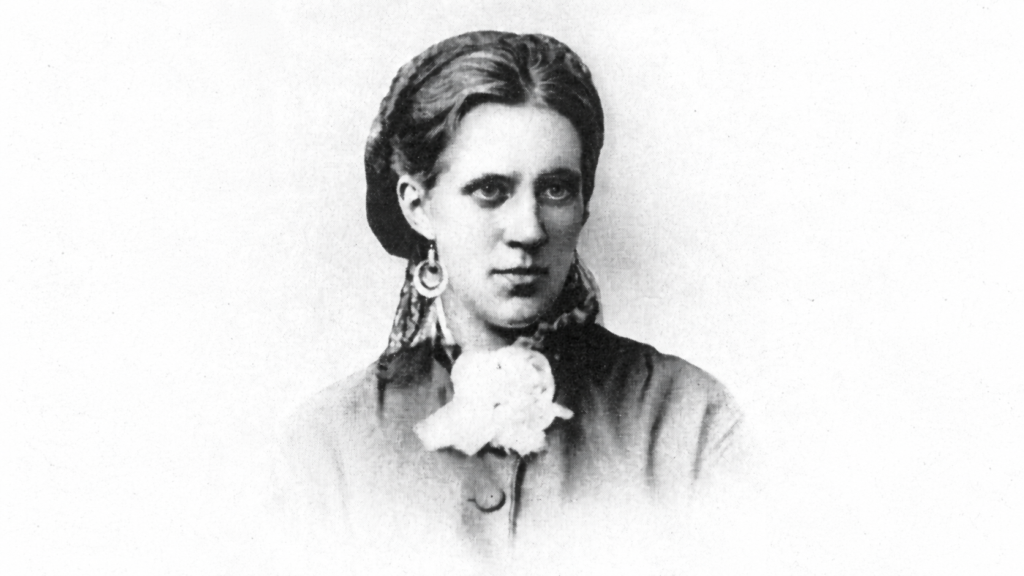
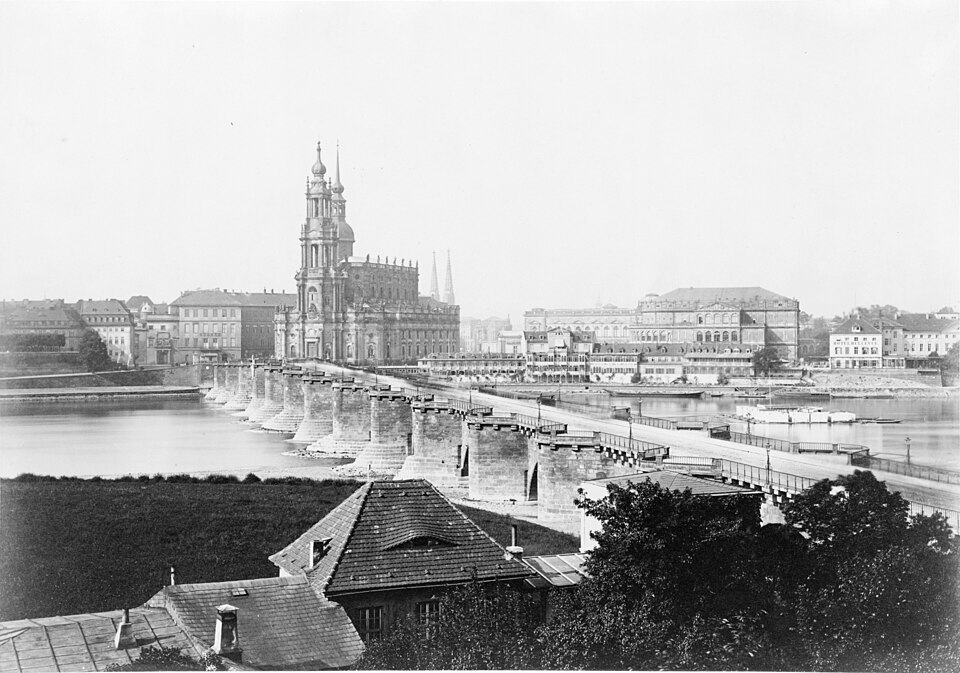
In 1867, in Dresden, Fedor Dostoevsky's twenty-year-old wife argued with her husband and that same day bought a cheap album of postage stamps.
Forty-nine years later, she was still collecting stamps.
She has not bought any brand in all these years.
Many of us heard the phrase «you’ll quit after a week» when we were children. It’s used to refer to a club, a sports section, Russian lessons on Saturdays, a new notebook in which two pages are already filled in. Anna Grigoryevna heard roughly the same thing from her husband, only about all the women at once, and she responded in a way that extended the discussion into her entire life. She tells this herself, in her diary. «Memories», In the chapter about Dresden, and from her account, it is possible to understand why such an album is worth having today, especially in a family where the grandmother lives in another country.
The showcase and the conversation about endurance
It all started with a discussion about who had more patience, men or women. Dostoyevsky believed that men did, and he looked for a simpler example. The reason was a store display where a ready-made collection of stamps was displayed, and he found one himself—even just collecting postage stamps.
Next, he explained how, in his opinion, this happens. A man will start collecting stamps systematically and will keep up the hobby even if the passion cools down. A woman will get carried away, spend a lot of money, get bored of her family, and then throw away the album. He concluded that this is how it is in everything, in the empty and serious, «everywhere there is a small selection.».
The example was deliberately chosen to be small.
Postal stamps, when discussed in the context of endurance, seem almost a joke.
The answer that had to be proven
Anna Grigoryevna did not take the jokes seriously. She stated that she would prove by her own example that «a woman can pursue an idea that caught her attention for years.» She does not currently have a big task to accomplish with this proof, so she will start with the very same activity that her husband called an idea, and will start today.
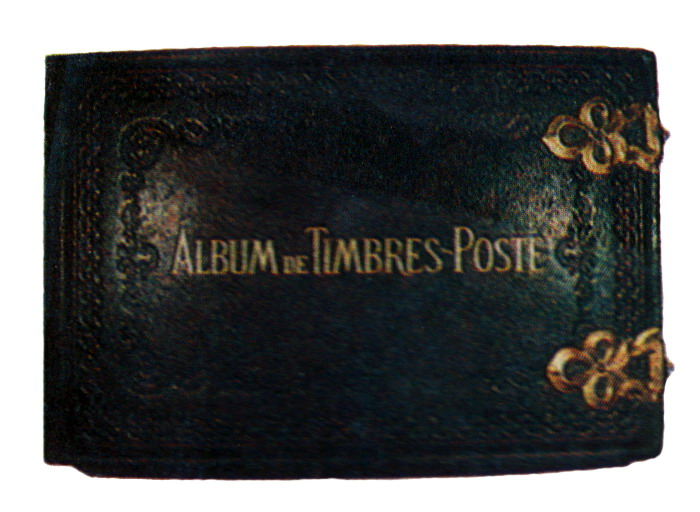
She dragged him to the first store she came across and bought a cheap album. It is separately noted in the «Memories» that she paid «with her own money.».
The detail seems small until you ask the question.
Why did she need to emphasize this?
The dispute centered on the woman’s persistence, and the husband had just predicted that she would spend a lot of money on her hobby. The album, purchased with her own money, was the first move in the dispute.
The first brands came from Russia
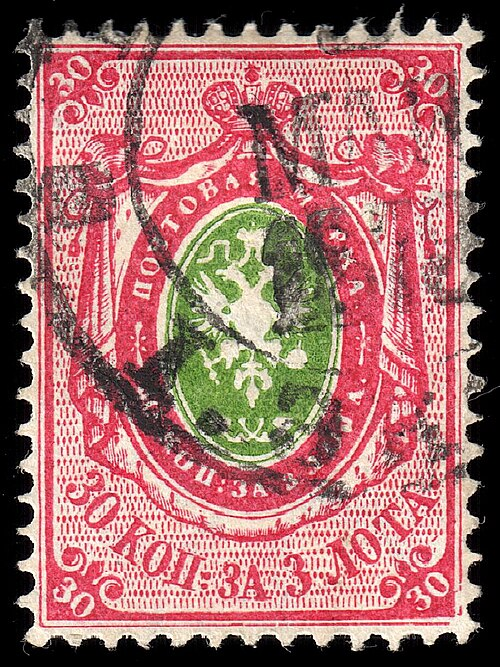
At home she immediately pasted a stamp with three or four letters from Russia into the album.
Dostoevsky lived abroad at the time, and letters from home were the main link to St. Petersburg. The first pages of the collection were filled with stamps with letters from Russia.
The apartment owner, upon learning about the new occupation, went through her papers and handed over several old stamps: the Tour-and-Taxi and the Saxon Kingdom stamps. They ended up in the collection right from someone else’s house, with letters from someone else.
Thus, at the beginning of the collection, we found stamps with letters from Russia and old German stamps donated by the owner.
One rule for life
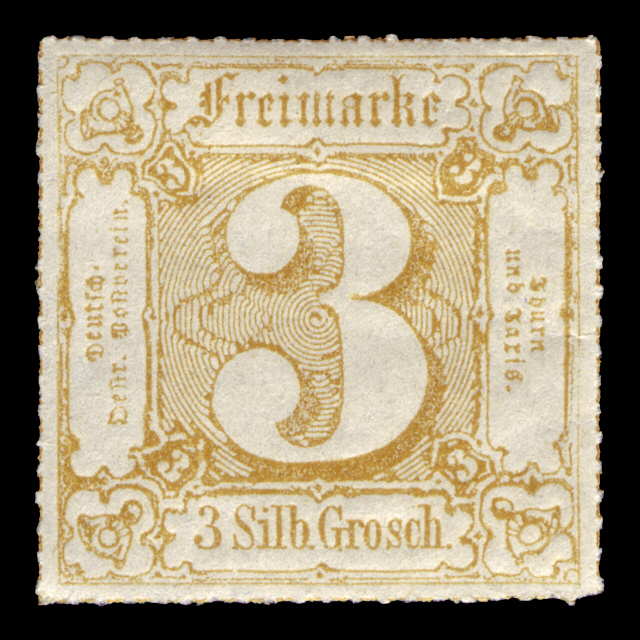
There was one rule for the collection, and Anna Grigoryevna repeats it in «Memoirs» almost as a vow. Not a single mark was purchased with money. Everything was received by letter or donated.
Such a rule changes the collection itself.
The album purchased grows as fast as the wallet allows.
The album, which only includes stamps with letters, is growing at a rate that matches the speed at which people write to each other and send stamps.
Therefore, this collection is related to those who sent letters and donated stamps.
Anna Grigoryevna herself writes that she did not make any effort for the collection; she just copied.
Forty-nine years later
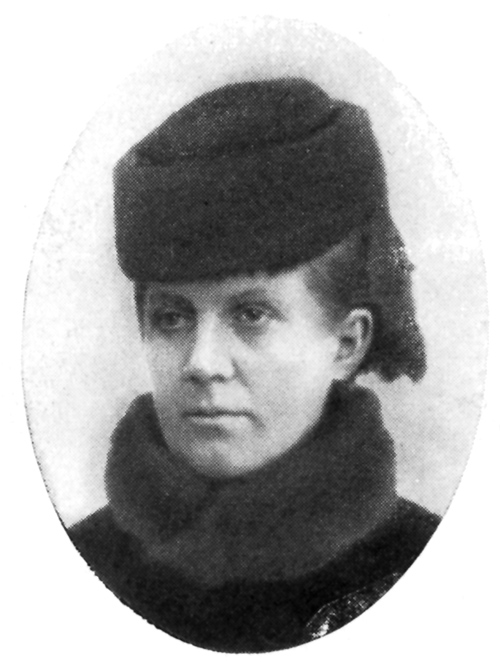
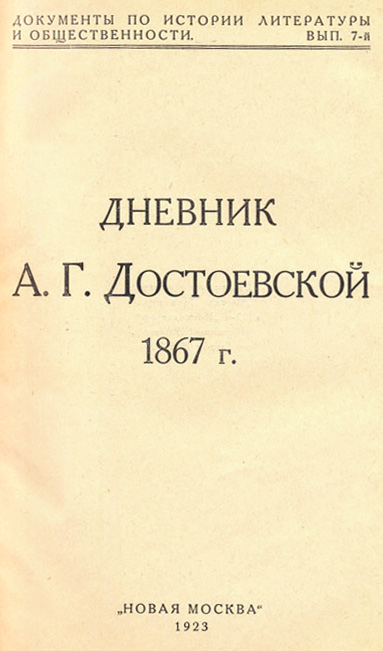
When she was working on «Memories,» the dispute was still ongoing. She writes about her collection as follows: «It has been going on for 49 years now.».
By this time Dostoyevsky was long gone; he died in 1881. There was no one left to prove anything to his husband, and the collection continued to grow.
Her relatives were aware of this weakness of hers. Her daughter sent her letters with stamps of varying denominations so that new ones could be added to the collection.
Her own account of the events remains in «Memories»; from the first line of the argument to the forty-nine years of recollection.
What exactly was this dispute about?
It is clear who won it by the number of years. What is more interesting is what was actually proven.
Dostoyevsky spoke about endurance in general, in the «empty and serious» situation, and Mark took that as the most empty example. Anna Grigoryevna answered with the empty example because no serious one was available, and the persistence in an empty matter, stretched over half a century, proved more convincing than any argument.
Other pages in the same book tell of her tenacity in serious matters. How she recorded and deciphered «The Player» over twenty-six days in 1866, how she then published it herself. my husband's books and she was selling them. The album with the stamps stands next to these stories as the smallest proof of the same idea.
An album that you can start listening to today
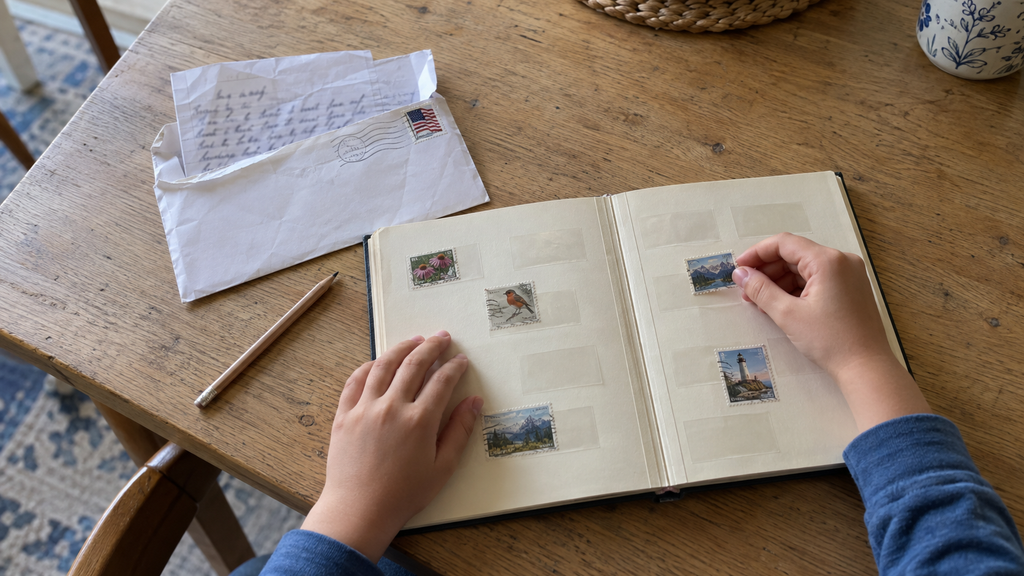
Anna Grigoryevna's rule can easily be adapted to any family.
Keep an album or a simple notebook and agree with your child that stamps are not to be bought into it. Only what comes in envelopes, on postcards, in packages, or what is given as a gift is to be included.
Ask your grandmother for the first stamp. Let her send you a real letter or postcard, with the stamp and the address written by hand. If your grandmother lives in another country, the first page of the album will be exactly like Anna Grigoryevna's in Dresden, with the stamp from home that came with her to the other country.
Next to each stamp, the child writes down in Russian the date it was received from whom and from where the letter came. If the stamp was given separately, note who gave it. Over the years, these records will form the history of the family's correspondence.
Page of the album
Write down here the brand names of all the stamps that arrived by post or were given as gifts. Stamps purchased on this page are not included.
| When it came | From whom | Where did the letter come from | What's on the label |
|---|
The recorded stamps will appear here. If the stamp was given as a gift separately, in the «From whom» section, write who gave it.
The records are stored only in this browser. The printed page can be pasted into a real album or notebook, next to the stamps.
Perhaps one of the adults in the house still has their own children's album with stamps in it. It's worth taking it out and placing it next to it.
And when someone says that the album will get boring after a week, you can answer with a question.
How many years did Anna Dostoyevskaya collect stamps?
Signing up for a language course means writing the date, the name of the person who sent the letter, and the city from which it came. For a child who speaks Russian at home but mostly writes in English, even such a short sentence becomes a challenge. Learning to write in Russian is easier with regular lessons and with a teacher. At the «Russian for Bilinguals» course at Palme School, children aged four to seventeen learn online in small groups.
You can start with two free lessons. First, the methodologist determines the child's level and helps choose a program; then the family meets the teacher at a free lesson.
Sign up for free lessonsFrequently asked questions about Anna Snitkin
Who is Anna Snitkina?
Anna Grigoryevna Snitkina, married to Dostoyevsky, was a stenographer who, in 1866, recorded the novel «The Player» for Fedor Dostoyevsky, and in 1867 became his wife. Later she published his books and wrote «Memoirs.».
Is it true that Dostoyevsky's wife collected stamps?
Yes. She started the collection in 1867 in Dresden after a dispute with her husband over the amount of time she spent on it, and, according to her memoirs, she continued it for 49 years.
Did Anna Dostoyevskaya buy any of the stamps for the collection?
According to her, none of the brands were purchased with money; she received them all through letters or as gifts.
Where can I read Anna Dostoevskaya's (Reminiscences) story herself?
V «Memories» by A. G. Dostoyevsky, In the third book, chapter «Dresden», section «On Our Disputes».