

Masha, 8 years old, from Seattle. She understands Russian cartoons without subtitles. She answers her grandmother briefly: «Yes. Fine.» She is silent in class. Her parents think: «She knows everything, why would she need beginner groups?» But at Palme School, she is placed in the Junior Elementary group. Why?
Parents of children aged 6-10 often face this question. The child listens to and understands mom's requests, bedtime stories, and even jokes. But they refuse to speak. The age from six to ten is special: the brain can already distinguish languages, but active speech has not yet formed. We will show why «by age» does not equal «by level,» and how Palme selects the right group. Sign up for an introductory meeting, and we will determine your child's level for free.
Why does he understand but not speak?
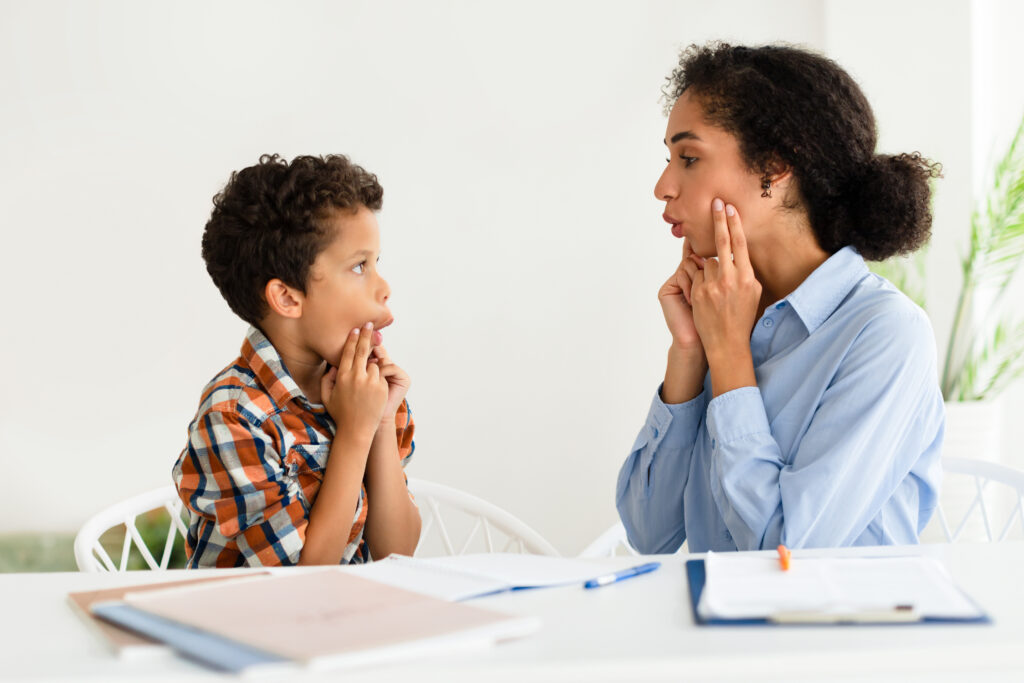
The nuance of bilingualism. For children aged 6-10, Russian often becomes a passive language. English dominates: school, friends, games. Russian remains for communication with Mom and Grandma, for fairy tales.
6 differences between passive and active ownership (Palme School scale):
Hearing: understands requests «wash your hands,» fairy tale «Teremok.».
Reading: reads signs, menus, simple texts.
Speaks in monosyllables: «Yes. No. Want to sleep.».
Letter: written by [name], simple words «mom,» «dad.».
Grammar: understands but does not use cases.
Vocabulary: passive vocabulary about 1000 words, active vocabulary 100-200 words.
Result: the child knows, but does not apply it. Like a bicycle in the garage, it is there, but the child does not know how to ride it.
Why «by age» doesn't work

This is a classic school mistake. Groups are divided by year: «7-8 years old», «9-10 years old». But language skills differ three to five times within the same age group.
Palme School Case Study.
7–9 year olds group (8 children):
- Masha (8 years old): reads «Kolobok», says 2-3 words.
- Sasha (7 years old): reading «The Turnip,» speaking in sentences.
- Misha (age 9): reads signs, only says yes/no.
Why is that:
4 years in Seattle vs. 2 years in Moscow.
Grandma calls daily versus once a month.
Russian cartoons instead of Disney in English.
Palme School does not grade by age, but by four skills (listening, speaking, reading, writing).
How do we determine the level at Palme School

Three stages of diagnosis (15 minutes, free of charge).
Phase One. Introductory meeting (Zoom, 15 minutes).
Teacher: Masha, tell me, what did you eat for breakfast?
Masha: Milk. Pancakes.
Teacher: And what kind of pancakes? Delicious? Sweet?
Masha: [Silent for 10 seconds] Yes.
Output: Understands questions, answers 1–2 words. Junior Elementary level.
Second stage. Four skills assessment.
Hearing: «Put the spoon on the table, the cup on the shelf» (performs 8/10).
Reading: «Show the red ball» (reads 7/10 words).
Picture retelling (2-3 words).
Letter: «Write MOM» (writes correctly).
Third stage. Selecting a suitable group.
Junior Elementary (Ages 7-9).
Topics: family, food, toys, weather.
Tasks: speak 3-5 words, build simple sentences.
Expected result in three months: «Mom, I drew a dinosaur!».
What groups are there in Palme (6–10 years old)?
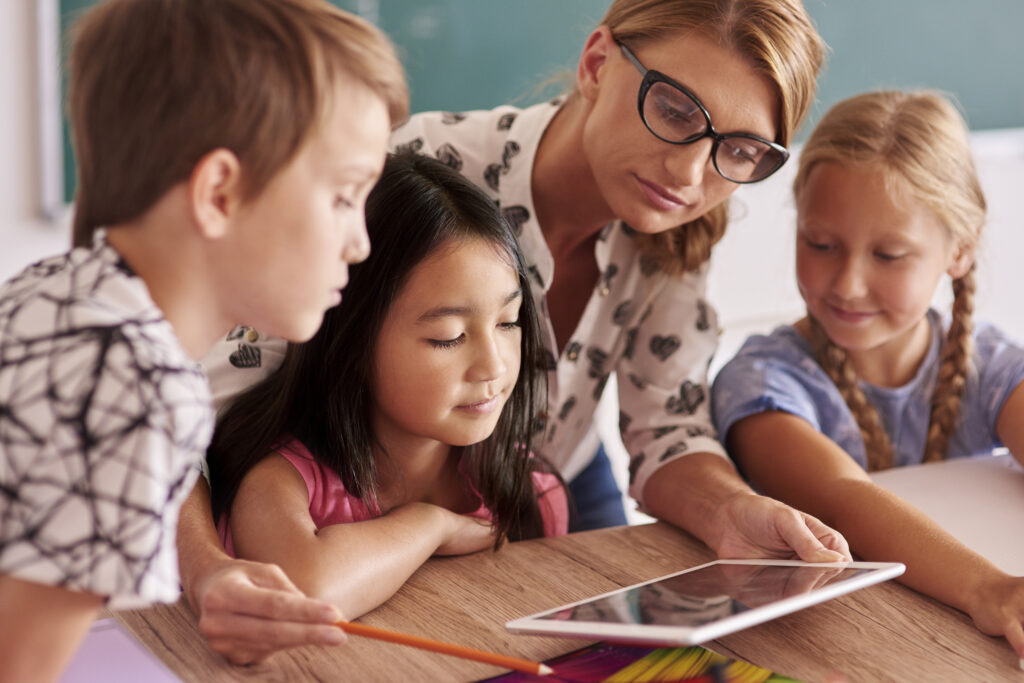
| Level | Understands | Sings | Reads | Example of a phrase |
| Beginner | Mom's simple requests | 1 word | Letters | «Mom.» |
| Elementary | Fairy tales | 2-3 words | Separate words | «I'm sleepy.» |
| Basic | Cartoons | Suggestions | Short texts | «I painted the house.» |
| Intermediate | News | Dialogue | Books | «Grandma, look at my dinosaur!» |
The Palme School's specialty: it is taught in cycles of 12 weeks. The student can move to the next group earlier if he/she is ready or repeat difficult topics.
Why is the age between 6 and 10 considered ideal?
Science confirms it:
Up to age 7: the brain is actively learning phonetics (Russian hisses, soft consonants).
7-10 years: active vocabulary is formed (from 200 to 2000 words).
After 10: a more conscious approach is needed (grammar, rules).
Palme School combines:
Games (Guess the word, find the color).
Dialogues (what did you eat? what did you see?).
Projects (tell about family, draw and describe).
Result after 3 months (24 lessons):
Do: «Yeah. It's fine.».
After, «Grandma, I saw a squirrel in the park today!».
How to get into the right group
Do not attempt to determine the level on your own. Make an appointment for an introductory meeting (15 minutes, Zoom, free of charge).
What's going on:
The child speaks for two minutes (about themselves, their family, their day).
The teacher sets the level (from Beginner to Intermediate).
You receive a plan: how many months and what results.
Group trial lesson (free of charge).
Nine out of ten parents say after the meeting, «We thought she didn't know anything. But it turns out she knows, but she doesn't say anything.
Your child will speak Russian. The most important thing is to find the right group from the first lesson. Register now, and we will assess your child's level in 15 minutes.