

Once, at the height of the war, the country's main theater disappeared. It didn't burn down, it didn't collapse, it simply vanished from the map of Moscow. Enemy pilots circled over the city with orders to bomb the famous building with columns, but they saw an ordinary residential block in its place: gray roofs, courtyards, nothing remarkable. The Bolshoi Theatre was painted over and covered up so that it would pretend to be a cluster of simple houses. The trick didn't work completely; one bomb still hit the building, but it became almost impossible to identify it from above.
Stories like these are not uncommon for this theater. It burned to the ground, it was bombed, it almost collapsed into the earth from age, but it always returned and raised its curtain again. For a child growing up abroad, the word «Bolshoi» sounds distant and vague, somewhere alongside a postcard from a foreign country. Meanwhile, for a century and a half, it has been Russian ballet that has set the tone for the entire global stage, and its main home is the Bolshoi Theatre.
The history of this house is remarkably adventurous, full of fires, underground halls, and even cats under the stage. Here's how the country's main theater came to be, and how to tell this story to a child so that the distant building with columns becomes familiar to them.
Fires, Coronations, and the Four Horsemen of Apollo
The Bolshoi is believed to have been founded in 1776, when Empress Catherine the Great granted Prince Pyotr Urusov permission to stage performances in Moscow. This privilege is considered the starting point. Although, there was once confusion about the theatre's age. For a long time, its anniversaries were counted from the construction of the building in 1825, and only later did the count begin from 1776, making the Bolshoi suddenly appear almost half a century older on paper. However, Urusov himself had bad luck; his theatre burned down even before its opening, and the prince handed the business over to a partner, an Englishman named Michael Maddox, who organized various unusual mechanical performances. This is how it happened that the first building of the main Russian theatre was built by a visiting Englishman. It opened in 1780 on Petrovka Street, after which the theatre was named the Petrovsky.
Next begins an almost unbelievable series of fires. The first building burned down in 1805. The troupe wandered on foreign stages for a long time until architect Osip Bove built a new theater on the same spot, huge and grand, which opened in 1825. It turned out to be much larger than the previous one, which is why it was nicknamed the Bolshoi. It was then that Apollo in his chariot first stood over the entrance. But in 1853, a new fire broke out, the worst yet; the flames raged for several days, and only the burnt walls and the columns at the entrance remained of the building.
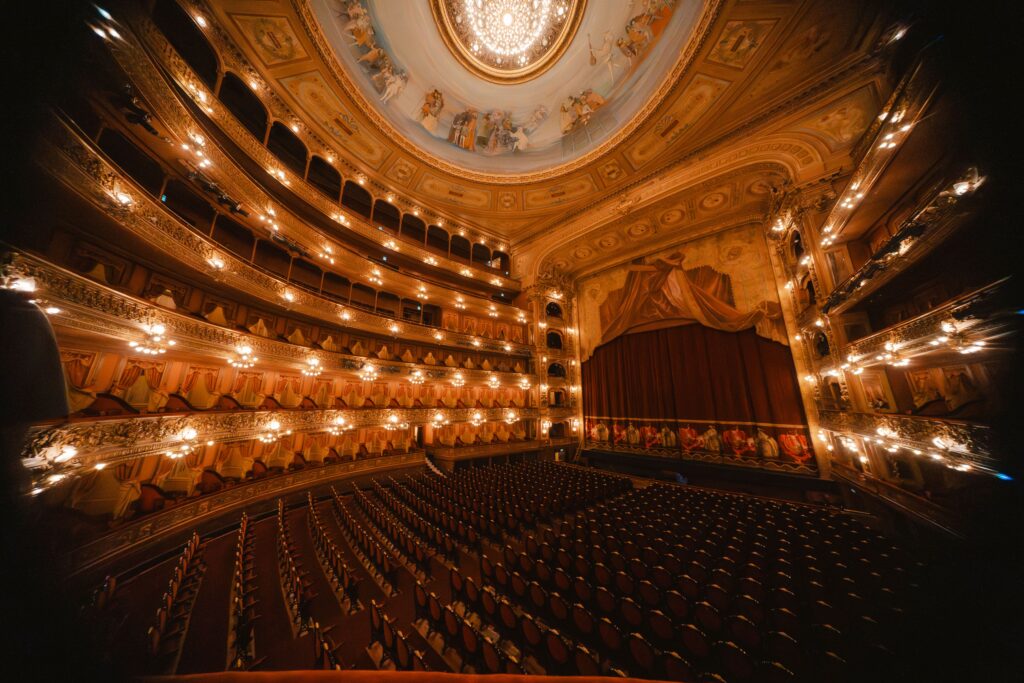
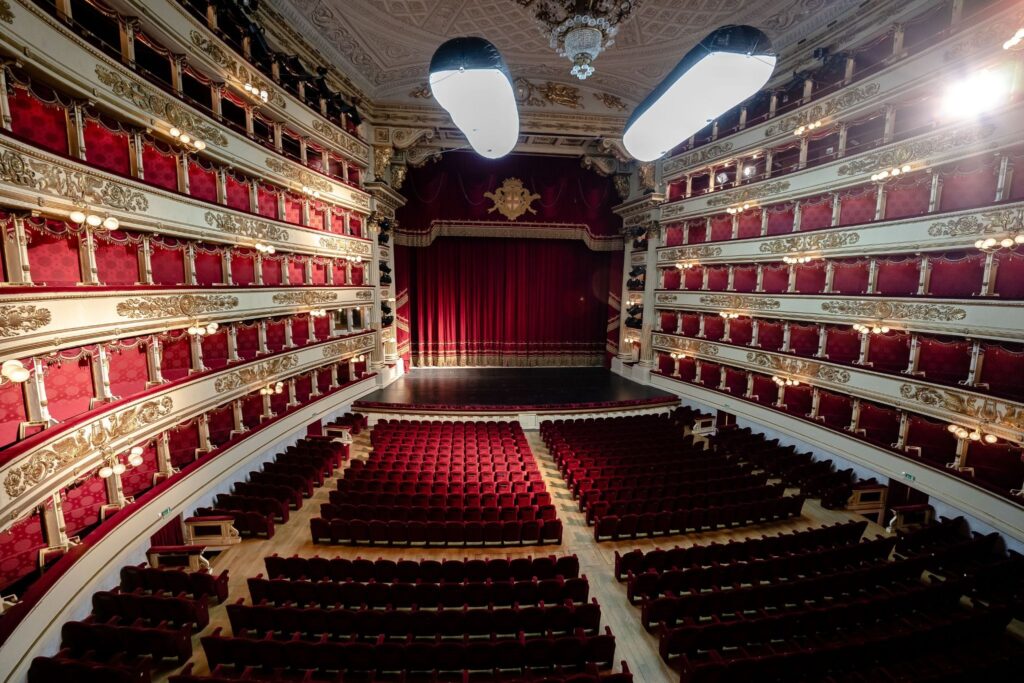
The theater was renovated by architect Albert Cavos, and he managed it in just a few years, by the coronation of the new emperor. The renovated Bolshoi opened in 1856, looking much as we know it today. Cavos designed the auditorium as a giant musical instrument, where the wood of the walls and ceiling itself helps the sound, much like the body of a violin helps it. Because of this, the Bolshoi was long considered one of the best-sounding theaters in the world.
Here's a detail that few people notice. Look closely at Apollo above the entrance, and it's worth telling a child about his horses. The previous Apollo, by Beauvais, had three horses in his harness, a standard trio. When the sculpture was recreated after a fire, the sculptor Peter Clodt cast four horses in bronze, a quadriga. So, the horses above the Bolshoi secretly multiplied, from three they became four, and now a quartet is galloping above the entrance. A good riddle for an observant eye.
War, a bomb, and a saved chandelier
The war is worth discussing in a bit more detail because it holds several remarkable stories. On October 22, 1941, a bomb did hit the theater, passing diagonally between the columns, piercing the wall, and severely damaging the lobby. The building withstood the blast, and by 1943, it had been repaired, and performances resumed.
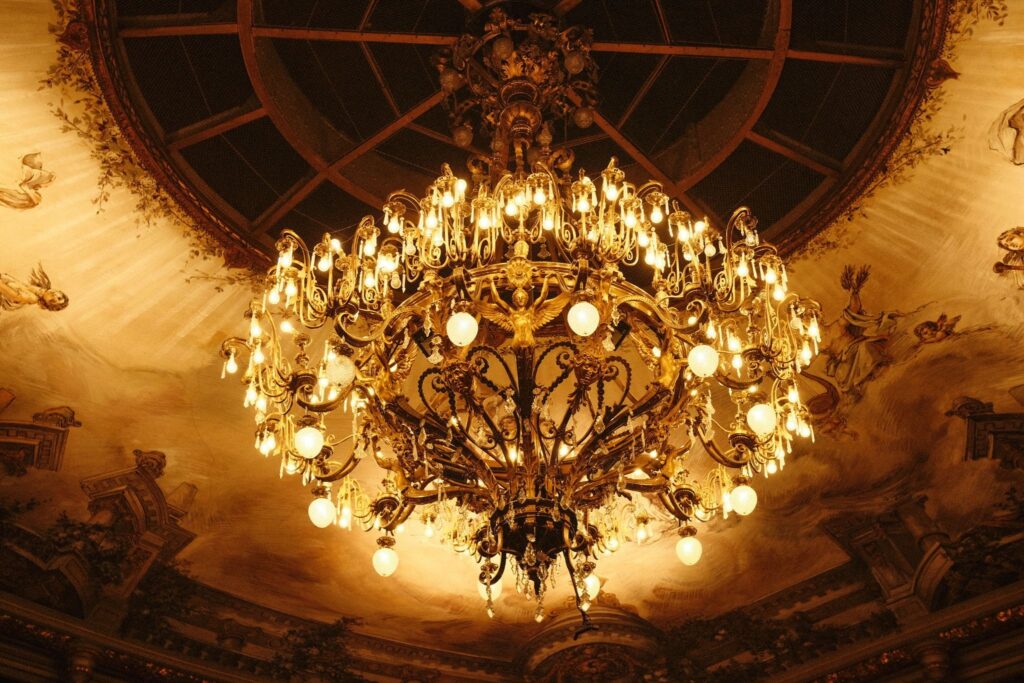
But the most interesting thing is something else. The famous crystal chandelier in the auditorium, huge, weighing about two tons, was saved by pure chance. Exactly one day before the bombing, the chandelier was taken down for cleaning and removed. If it had remained in place, it's unlikely anything would have survived. A child remembers this instantly; the giant chandelier missed the bomb by just one day. Incidentally, this same chandelier has a mysterious way of dimming with the first notes of music, and once, before electricity, it was lit with real candles. Directly above it, on the hall's ceiling, nine muses led by Apollo have been dancing in a round dance for a century and a half.
Here’s something else that’s useful to know. The chandelier wasn't the only thing hidden from bombings. The entire theater was camouflaged during the war, painted over and covered up so that from the air it would appear to be a block of ordinary houses, not a distinctive building with columns. The bronze Apollo with horses was covered with dull paint so that it wouldn't glint in the sun and give away the theater to enemy pilots. The entire palace of art pretended to be an ordinary street, and this helped to preserve it. I saw the Bolshoi and the great history of the country. It was from this stage in 1922 that the creation of the Soviet Union was announced.
The only way to grow was underground
By the end of the twentieth century, the old building had become so decrepit that it was dangerous to stand on the stage. And then, in 2005, the largest renovation in its entire history was undertaken. It lasted six years, and the renovated historic stage reopened in the fall of 2011.
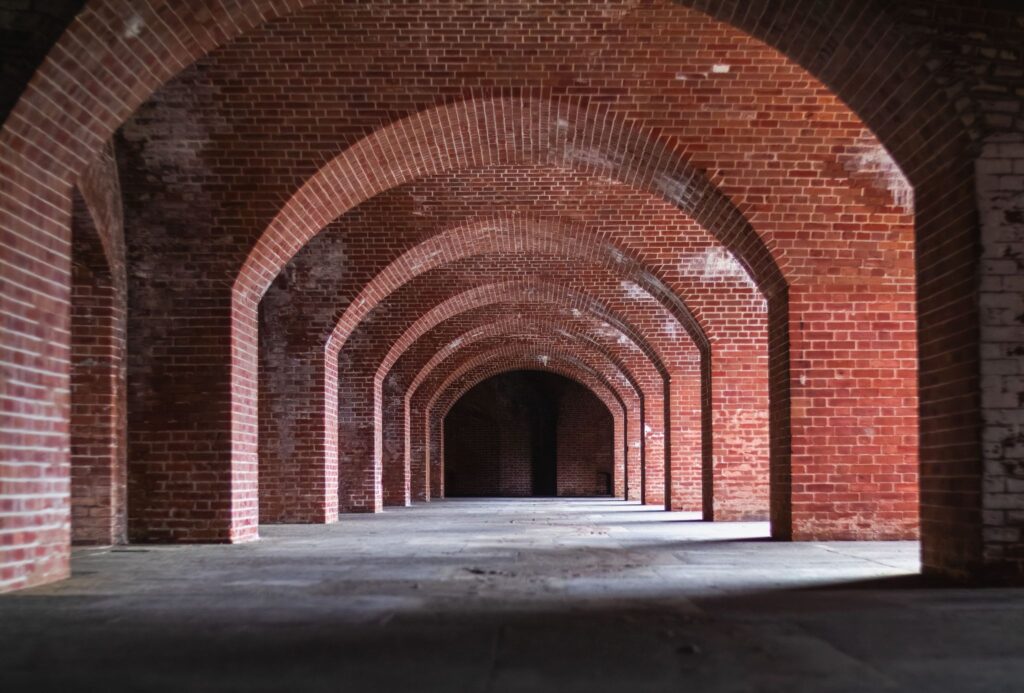
The builders faced a tricky task here. The large building stands in the very heart of Moscow, surrounded on all sides by ancient structures, and there was simply no room to expand it outwards. There was no space around. The only way to grow was downwards. And so the theater literally grew underground. The builders dug beneath the foundations, and the building's area nearly doubled during the work, while a new concert hall appeared beneath Teatralnaya Square itself, hidden beneath the pavement. This image usually amuses children: a theater that can't grow wider, so it grows deeper, as if putting down roots.
This restructuring also has a touching page. For many years, cats lived under the stage of the Bolshoi Theatre, entire generations of them. They caught mice that always threatened to damage costumes and sets. During the last renovation, the cats were taken to homes, and the space under the stage was cemented over. So, the country's principal theater once had its own fluffy night watch.
History of the Bolshoi Theatre in dates
| Year | Event |
|---|---|
| 1776 | The founding of the theater, Prince Pyotr Urusov, receives a privilege from Catherine the Second |
| 1780 | Opening of the first building, the Petrovsky Theater, on Petrovka Street |
| 1805 | The first fire, the building burned to the ground |
| 1825 | Osip Bove's new building, the theater becomes the Bolshoi Petrovsky |
| 1853 | The strongest fire, only the walls and columns remain of the building |
| 1856 | Albert Kavos restoration, Klodt's bronze quadriga above the entrance |
| 1877 | The first staging of Swan Lake on the Bolshoi stage |
| 1922 | From this scene, the creation of the Soviet Union was announced |
| 1941 | A bomb hit the building; the theater was disguised as residential buildings. |
| 2005 – 2011 | Major reconstruction, historic scene reopens |
Swan Lake began with failure
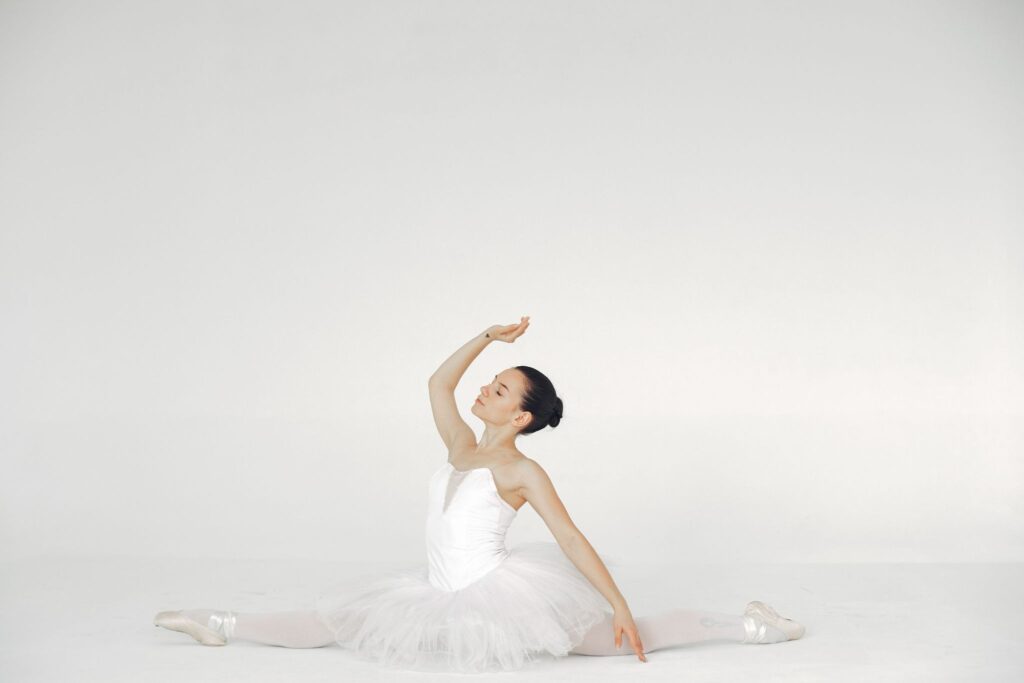
If Swan Lake is the main symbol of the Bolshoi, then it is, of course, Swan Lake. The score for it was composed Pyotr Ilyich Tchaikovsky, and the first audience for the ballet were Muscovites, who saw it at the Bolshoi Theatre in 1877. However, its premiere was unfortunate. The performance was a failure.
The public and critics received it coolly, criticizing the awkward staging and boring dances, and praised only the music. After a short run on stage, the ballet disappeared from the playbills, and Tchaikovsky never had the chance to enjoy the success of his firstborn during his lifetime. Swan Lake truly came to life almost two decades later and in a completely different city, St. Petersburg, where Marius Petipa and Lev Ivanov took on the task. Their version then went around the world, and the story of the enchanted swan maiden and the prince who fell in love with her became the recognizable symbol of Russian ballet. According to one guess, Tchaikovsky got the idea for the music after a trip to Germany, where he came across a fairy-tale castle of the Bavarian king, which seemed to have emerged from the legend of the swans.
Hidden within this ballet is a detail that usually enchants children. The white, kind swan Odette and the black, cunning swan Odile, her evil rival, are both danced by the same ballerina. In one evening, she transforms from a tender heroine into a cold seductress and back again. And Swan Lake also gave the Bolshoi one quiet record. Ballerina Maya Plisetskaya danced this role for about thirty years, longer than anyone else. So here's a lesson for a child too. Even the most famous ballet in the world was initially booed, and the great music waited for its hour for almost twenty years. Sometimes it's just a matter of time and a second chance.
What else is on at the Bolshoi Theatre?
The Bolshoi is not just Swan Lake. Other Tchaikovsky ballets, which a child will surely recognize, also come to life on its stage. The Nutcracker, the very New Year's story about a girl and a wooden soldier that comes alive under the Christmas tree, and the battle with the mouse army, without which no Christmas on the West is complete. The Sleeping Beauty, a lavish and unhurried fairy tale about a princess who falls asleep for a hundred years due to an evil spell. The Bolshoi is also famous as an opera house, where Russian and world classics are sung, so ballet here shares the stage with opera.
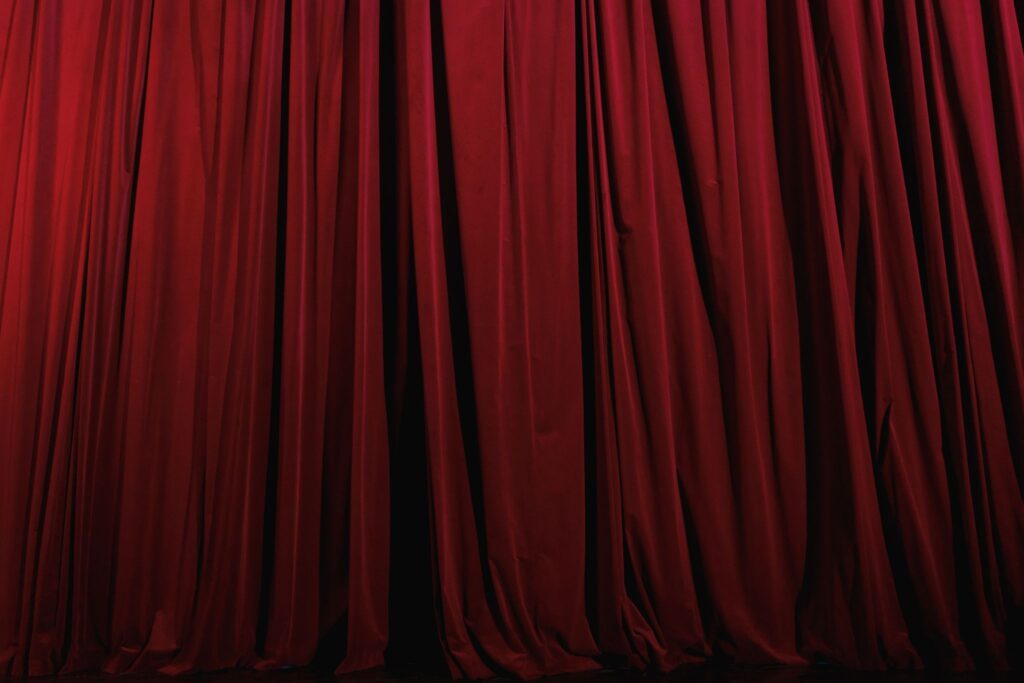
But it was the artists who truly made the Bolshoi famous. In the 20th century, dancers graced this stage whose names were known throughout the world. Galina Ulanova, whose Odette became the epitome of tenderness. Maya Plisetskaya with her famous wing-like arms. It is thanks to such masters that the Bolshoi Ballet became a mark of supreme quality, a stamp by which the Russian school of dance is recognized worldwide. When a foreigner hears about Russian ballet, they most often picture this very stage. The Bolshoi also has its own pride besides its performances: a heavy golden curtain, embroidered with a pattern, which rises before each show.
Tchaikovsky's greatest ballets on the Bolshoi stage
| Ballet | Composer | Briefly, what is it about |
|---|---|---|
| Swan Lake | Pyotr Tchaikovsky | The Enchanted Swan Maiden and the Prince Who Loves Her |
| The Nutcracker | Pyotr Tchaikovsky | A New Year's fairy tale about a toy that came to life and a battle with mice |
| Sleeping Beauty | Pyotr Tchaikovsky | The princess who slept for a hundred years due to evil witchcraft |
Tickets, records, and The Nutcracker under the Christmas tree
Here's an honest question. It's fine to talk about a theater that's thousands of miles from home. But how can you show it to a child if a trip to Moscow isn't happening tomorrow?.
Live, of course, is best. Tickets are sold on the theater's official website and sell out quickly, especially for Tchaikovsky's ballets, so those who decide to go should plan in advance. Many people abroad look for the Bolshoi Theatre specifically for this reason, to catch a performance during their trip. But even without a ticket, you can bring the theater home. The best productions have been filmed, some ballets are shown in cinemas worldwide in recordings from the grand stage, and virtual tours of the halls and foyers are also available online. The easiest way to start is small, by showing a child fifteen minutes of The Nutcracker before New Year's and watching it together.
The Russian hundred-ruble banknote also comes in handy. It features the Bolshoi Theatre itself, its columns, and Apollo with horses. Give the child this banknote, point out the familiar.
A great culture is passed down to a child, not told to them.

The hardest thing about raising a child outside of Russia is not even the language, but this feeling that the great Russian culture is your own. That the Bolshoi Theatre, Tchaikovsky, and Swan Lake are not curiosities from a foreign guidebook, but a part of your world. This feeling doesn't just grow on its own. It won't come from a school abroad, nor from cartoons. A child only receives such things from their own people, through living conversation, where an adult shows why this music and this stage are dear.
At our school, Palme School, children from Russian-speaking families from four to seventeen years old, they are taught not only language, but also to the culture from which the language grew. Music, theater, painting, history—everything behind the words. Not dry facts, but a conversation where the Bolshoi Theater ceases to be a distant image and becomes part of its history. To see how it works, you can attend two free classes. First, an introduction and assessment with a methodologist, where it's evident what the child already does well and where support is needed. Then, a trial class in a group, along with other children. No obligations, just to understand if this format is right for you.
The Bolshoi Theatre will remain a beautiful, foreign picture for a child until someone tells them what's behind it. And once it's been explained, the theatre is no longer just a line in a guidebook, but one's own, familiar place, with its fires, its hidden chandelier, and the four horses above the entrance.
The building that always comes back
The Bolshoi Theatre is a whole story of stubbornness and beauty. It was born in 1776, burned down to the ground more than once, survived bombing during the war years, and even grew underground for new space, and each time it returned and raised the curtain again. Its quadriga subtly changed from three to four horses, its chandelier was once saved in just a day, and cats once served under its stage. It was here in 1877 that Tchaikovsky's Swan Lake was first shown, and although that premiere failed, the ballet later conquered the whole world and became a symbol of Russian dance. If you show a child the four horses above the entrance, the swans on the stage, and the familiar building on the hundred-ruble banknote, the distant Bolshoi transforms into a close and dear part of their culture.
The Bolshoi Theatre was founded in 1776, and it is 248 years old.
The founding date is considered to be 1776, when Prince Pyotr Urusov received permission from Catherine the Great to stage performances in Moscow. This means the theater is already about two and a half centuries old. However, the current building is newer; it was built by Osip Bove and opened in 1825, and after a severe fire, it was redecorated by Albert Kavos by 1856.
Why is the theater called the Bolshoi?
It was called the Bolshoi (Big) due to its size and in contrast to the neighboring Maly (Small) Theater, located on the same square in Moscow. The Bolshoi was given over to opera and ballet, while the Maly, being smaller, was designated for drama. The theater's first name was different; it was Petrovsky, named after Petrovka Street, where it was located at the time.
Is it true that a bomb fell on the Bolshoi Theatre?
Yes, that's what happened. In the autumn of 1941, on October 22nd, a bomb hit the theater, blowing through the wall and causing damage in the lobby. And to make it harder for enemy pilots to identify the building from the air, the entire Bolshoi was disguised as modest urban development for the duration of the war. By 1943, the damage was repaired, and the theater reopened to audiences.
What horses are standing above the entrance to the Bolshoi Theatre?
The portico is crowned by a figure of Apollo, the patron of the arts for the ancient Greeks, driving a chariot. The team of four horses is called a quadriga, and this bronze group was created by the sculptor Peter Clodt. It is interesting that the earlier Apollo had only three horses, and only when the theater was restored did they become four.
Which ballet is considered the main symbol of the Bolshoi Theatre?
Most often, Swan Lake by Pyotr Tchaikovsky is associated with the Bolshoi. The ballet's debut took place here in 1877, but it turned out to be a failure, and it only truly became famous later, on the St. Petersburg stage. Nowadays, it's hard to imagine Russian ballet without Swan Lake.
How was the Bolshoi Theatre able to expand in the center of Moscow?
The theater had nowhere to expand outwards, with old buildings crowding all around. They came up with an unexpected solution: during the renovation, which lasted from 2005 to 2011, they extended the building downwards, moving some of the premises underground. The usable area almost doubled as a result, and a new concert hall was built beneath Teatralnaya Square itself.
How to show a child the Bolshoi Theatre if you live far from Moscow?
The easiest way to start is with a short excerpt from a familiar ballet, like The Nutcracker before New Year's, and watch it together. The Russian hundred-ruble banknote, which features the theater itself, also helps; you can give it to the child to hold and compare with a photograph of the building. After that, recordings of performances, virtual tours of the halls, and a live conversation about what makes this stage so famous come in handy.