

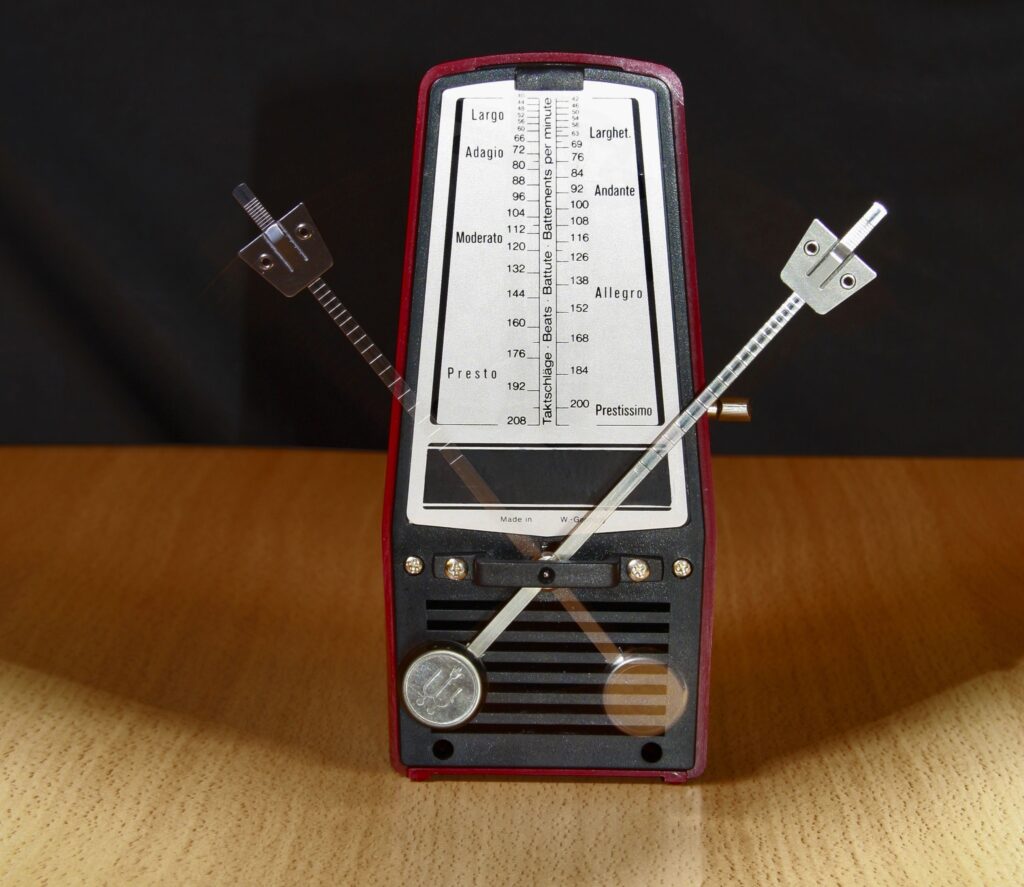

During the most terrible months, voices were rarely heard on Leningrad radio. Instead, a metronome tapped from the speakers, steady and quiet, beat after beat. This tapping was called the heart of the city. As long as it beat, Leningrad was alive, and everyone who heard it in their frozen rooms understood that they, too, were alive. Before an air raid, the metronome would speed up, and when the danger passed, it would slow down again. And so, to this measured rhythm, the city held on for nearly three years.
Behind the sparse English words "Siege of Leningrad," "Blockade of Leningrad," and "Leningrad WW2," which are still searched for worldwide today, lies one of the most terrifying and most dignified chapters of World War II. Eight hundred and seventy-two days of siege, hunger, bitter cold, hundreds of deaths every day, and yet, the almost incomprehensible resilience of an entire city. This story has long become a symbol for Russia of great sorrow and great courage. The tale continues about how the ring closed, how people survived where survival was almost impossible, and why the memory of it is so carefully passed down from generation to generation.
How the circle closed
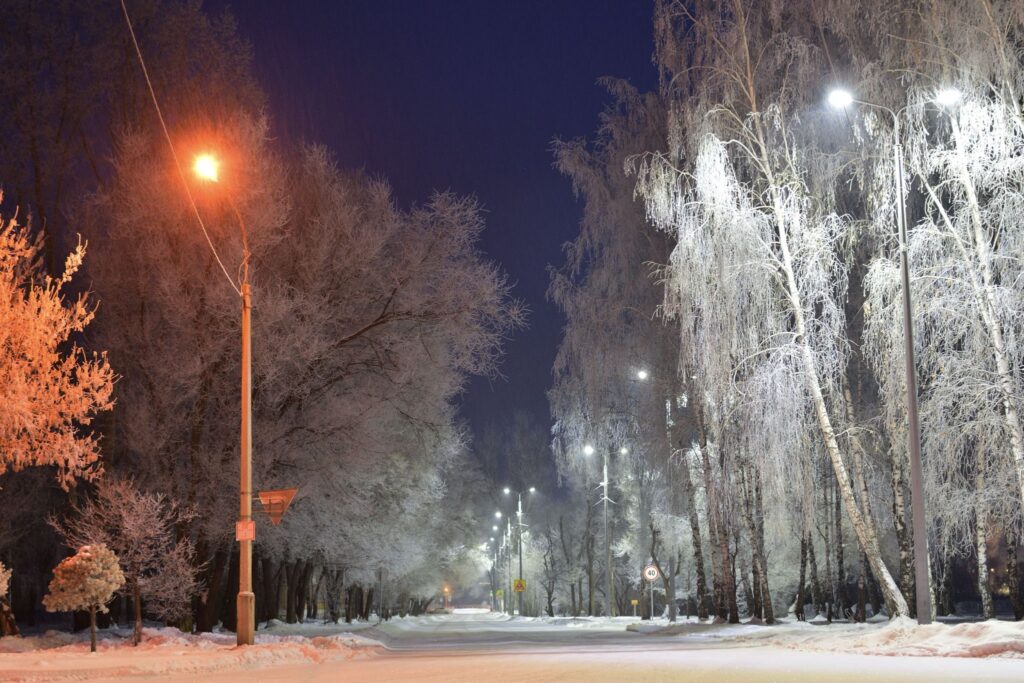
The German offensive on the city on the Neva began back in the summer of 1941, and by early September the enemy was already at the very outskirts. The enemy did not plan to storm Leningrad; the plan was more calculated and more terrible: to encircle the city tightly, to cut off all contact with the rest of the country, and to slowly destroy it by starvation, frost, and artillery. September 8th became fateful. On this day, Shlisselburg on the Ladoga fell, and the last land connection to the city was severed, marking the beginning of the blockade days. At the same time, in the first hours of the siege, enemy bombs set fire to the Badayevsky warehouses, where, according to popular belief, a considerable part of the city's supplies was stored, and a glow rose over Leningrad, which would be remembered for a long time.
A huge city with nearly three million inhabitants, including many children and elderly people, was trapped within a ring. Some people managed to be evacuated before the trap snapped shut, but about two and a half million people remained under siege. The city had not stockpiled enough bread or fuel for a long blockade. Finnish troops pressed from the north, German troops from the south and west, while sirens wailed almost constantly overhead, followed by raids and shelling. It became clear within the first few weeks how brutal the winter would be. The enemy would not have accepted the city's surrender, even if the defenders had wanted to: Leningrad and its residents were doomed to complete destruction. No one at the time guessed that the siege would drag on for over two years.
Hunger that cannot be described

The most difficult trial was hunger. Food in the besieged city dwindled before their eyes, and the bread ration was cut again and again, reduced five times during the autumn. By the end of November 1941, it fell to the infamous 125 grams per day for employees, dependents, and children, while those working in factories received twice as much, about 250 grams. This tiny piece of bread, moreover half made of impurities, oil cake, and cellulose, was often the only food for many for an entire day. Everything that could somewhat quell hunger was also eaten, and survivors of the blockade later recalled these substitutes with a shudder. The blockade's 125 grams have long been a symbol of those days.
Cold and darkness were added to hunger. The city had no heating, no water in the pipes, and no electricity, and the winter turned out to be unusually harsh, with frosts reaching over thirty degrees below zero. People fetched water with buckets and sleds from ice holes on the Neva, and to stay warm, they heated makeshift stoves with furniture, books, anything that could burn. People grew weaker day by day, starvation claimed entire families, and death became a common part of urban life, terrifying and almost mundane. In the hardest weeks, thousands of people died of starvation each day. Yet, amidst this dying, the city continued to live, work, and endure, as if refusing to believe it was being erased from the face of the earth.
The city held on also because people helped each other. Komsomol household brigades went from apartment to apartment, finding the exhausted, bringing them water and bread, rescuing orphaned children and taking them to orphanages. Bread was given out by ration cards, and losing a card often meant certain death, so they were cherished as life itself. In this daily struggle for another's life, that which would later be called the "Leningrad blockade brotherhood" was born.
The Road of Life across the ice of Lake Ladoga
Lake Ladoga remained the only lifeline connecting the besieged city to the mainland. Barges traveled across it in the summer, and when winter came and the water froze over, an automobile road was laid directly across the lake. It was named the Road of Life, and that name was no exaggeration.
Trucks, the famous "Polutorok" (1.5-ton trucks), drove across the thin, unreliable ice, under shelling and bombing, day and night. Drivers often drove with the doors open, so they could jump out if the vehicle began to sink. They brought flour and food to the city, and took back those who could still be saved, primarily children, the elderly, and the wounded. Sometimes the ice couldn't hold, and the trucks went under the water with their cargo and people, yet the convoys continued one after another. The road operated for two winter months of the blockade, and in the summer, it was replaced by a water route across the lake. In the summer of 1942, a fuel pipeline and an electric cable were laid along the bottom of Lake Ladoga, and fuel and electricity returned to the besieged city. Throughout the entire siege, about a million people were evacuated from the city via this route, and hundreds of thousands of tons of cargo were delivered. It is difficult to count how many children were sent deep into the country to their relatives along this route; for an entire generation of Leningrad children, it became a salvation. For many Leningraders, the narrow ice road across Lake Ladoga truly became a road to life.
The City That Did Not Surrender

What is striking about this story is not so much the scale of the disaster, but how the city resisted it. Leningrad's factories did not stop; women and teenagers stood at their machines, and the besieged city continued to supply the front with shells, weapons, and repaired tanks. Schools worked, albeit intermittently; teachers taught lessons in frozen classrooms, and children, barely able to stand, came to learn. And at the end of the first, most terrible winter for Leningrad's children, New Year's trees with performances and a modest festive dinner were still organized, which the little ones would remember for years. Hospitals, libraries, and some museums did not close either, and the Hermitage staff hid and protected priceless collections while the halls stood empty. Inscriptions appeared on the walls of houses, warning which side of the street was more dangerous during shelling, and one of them on Nevsky Prospekt has been carefully preserved to this day. The radio also did not fall silent; the poet Olga Berggolts read her poems on it, and her quiet voice became the voice of the city itself for Leningraders. And in between broadcasts, the very same metronome counted out the city's days.
This story contains episodes that will take your breath away. The staff of the institute, which housed a huge collection of seeds from all over the world, died of hunger right among the sacks of grain, but they didn't touch a single handful, in order to preserve the priceless samples for the future. And in the summer of 1942, in the besieged, emaciated city, an orchestra performed Dmitry Shostakovich's Seventh Symphony, written largely right there, amidst the roar of war. Musicians had to be found all over the city for rehearsals; some were so weak they could barely hold their instruments. The music was broadcast on the radio and through loudspeakers, directed towards enemy positions, so that the enemy would hear that the city was alive and had no intention of surrendering. This concert became one of the strongest symbols of human dignity of the entire war. Thousands of such stories, big and small, make up what is captured in the very name of these days: eight hundred and seventy-two days of heroism.
Breakthrough and lifting of the blockade
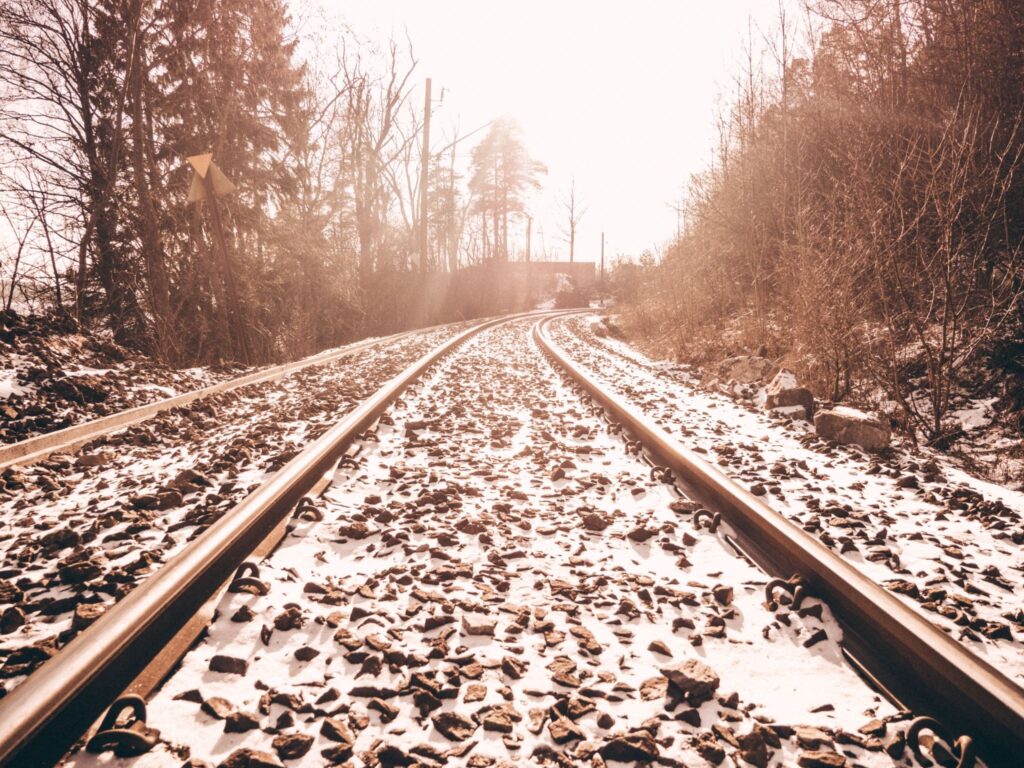
Liberation did not come immediately. Attempts to break through the blockade were made again and again; bloody battles were fought near Sinyavino back in the autumn of 1941, but they were unsuccessful. The turning point came only on January 18, 1943: in an operation codenamed «Iskra,» units advancing from the direction of the besieged city and from the mainland finally managed to meet each other south of Lake Ladoga. The narrow corridor, only a few kilometers wide, punched along the shore was under enemy fire, but a railway was laid along it in a matter of weeks, and trains carrying food began to reach the city again. This line was aptly nicknamed the Road of Victory, although due to its proximity to the front, it also had another, bitter nickname. Breathing became slightly easier, though complete liberation had to wait for another whole year.
On January 27, 1944, the blockade was finally lifted. During a major winter offensive, troops pushed the enemy far from the city, and a festive salute, which the people of Leningrad had waited 872 days for, thundered over the Neva. People who had experienced several circles of hell cried and embraced in the streets. Strangers congratulated each other as if they were family, and instead of the usual metronome, the long-awaited news of liberation sounded from loudspeakers. This date forever remains one of the most sacred days in the history of the city, and indeed of the entire country.
Price of blockade
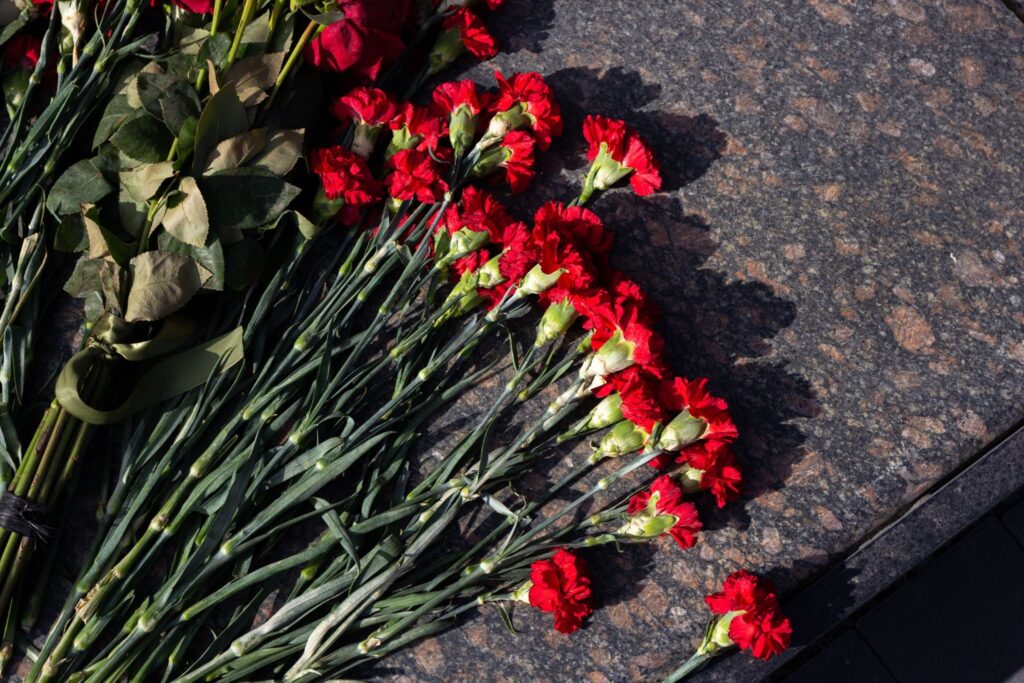
For its resilience, the city paid a terrible price. It is still not accurately known how many people the blockade claimed. Estimates vary: from six hundred thousand to one and a half million deaths are cited, with the most common figure being over a million. It wasn't so much shells and bombs that killed people, but hunger; almost this entire massive population died from it. Families perished entirely, apartment after apartment, and often there was no one left to bury them, nor the means to do so.
This price is reminiscent of the Leningrad girl Tanya Savicheva, whose name is known throughout the country. In a small notebook, she recorded the deaths of her loved ones in short lines, page after page, until she was completely alone in her family. Tanya herself was evacuated from the city, but the exhaustion had gone too far, and after some time, she died. Her notebook remains one of the most poignant testaments of those years even today. The fallen are also remembered at the Piskaryovskoye Memorial Cemetery, where hundreds of thousands of townspeople rest under granite slabs, and often only the year of death is inscribed on the stone instead of names. There, amidst the fraternal mounds stretching into the distance, rises the majestic figure of the Motherland; an eternal flame burns at her feet, and beside it is carved a vow never to forget these people, nor what was done to them. On January 27th, young and old alike come to these graves, a minute of silence is observed throughout the city, and so it will be as long as memory lives.
Those who survived a siege as children or adolescents are called siege survivors, and their stories have long remained the living memory of the city. With each passing year, fewer and fewer witnesses of those days remain, but the memory of the blockade does not fade. The words of those who remember the siege from their own childhood are listened to with particular care today. This memory is passed on to children and grandchildren so that no one is truly forgotten.
How the memory of the blockade lives on in families.

In many Russian-speaking families, the Siege is not just a page in a textbook but part of their own history. Someone's great-grandmother survived that winter as a child, someone's relatives are buried in the Leningrad earth. Such stories are carefully passed down to children, and they are passed down in their native language, because it is language that connects the child to the family's memory, to the letters, diaries, and stories of those who were there. A child who can read and speak Russian will one day read the lines of a Siege diary for themselves and understand them not from a translation, but as they were written. On January 27th, in many Russian-speaking families abroad, candles are also lit, and children are told about the city on the Neva, and this story is told in Russian. Old photographs, yellowed letters, and brief stories from great-grandmothers come to life when a child understands the language their ancestors spoke. Thus, distant history becomes part of the child's own life, not just a line from someone else's textbook.
And as long as this memory finds words in its native language, the living thread between generations is not broken.
A memory that doesn't fade
The Siege of Leningrad has long been more than an episode in a great war; it is a distinct symbol of human resilience. For eight hundred and seventy-two days, the city, without food, warmth, or light, held on where it seemed impossible to hold on, and did not surrender. Hundreds of thousands of lives were paid for this, which is why the memory of the blockade is so carefully preserved, and the Road of Life, the metronome, and the blockaded piece of bread have become its eternal symbols. January 27th, the day the blockade was completely lifted, is honored in Russia as a special date, and people born many years later bring flowers to the Leningrad graves. For a child growing up far from Russia, this story is difficult, but it is precisely such pages that most clearly explain what lies behind their native language and native culture. It teaches resilience and compassion in a way no calm textbook can, and therefore it is important to talk about it with children, albeit cautiously and choosing words appropriate for their age. And the further those years recede, the more precious every living testimony and every story heard from loved ones becomes. As long as grandchildren and great-grandchildren remember those days and tell their children about them, the quiet beat of the metronome, the heart of the besieged city, does not fall silent.
The Siege of Leningrad lasted 872 days.
Exactly eight hundred seventy-two days. The count begins from the closing of the encirclement in early autumn 1941 and lasts until that winter day in January 1944, when the city was fully liberated. In popular memory, this period is often rounded up to nine hundred days and nights. The breakthrough that occurred a year before the final lifting of the siege did not end it; many of the hardest months still lay ahead.
What is the Road of Life?
This name was given to the route across Lake Ladoga, the very same, sole passage that connected besieged Leningrad with the mainland. During the warm season, supplies were delivered by ships, and when the cold set in, vehicles drove directly across the frozen lake. Towards the shelling, flour and provisions were brought into the city, and in return, the weakened, wounded, children, and elderly were evacuated. The ice of Ladoga inspired no confidence; many trucks sank into the ice holes, yet the route saved many city dwellers from starving to death, and in total, about a million people were evacuated along it. It served for both winters of the siege and became a road of hope for the city; it's no wonder the name itself stuck as a symbol of salvation.
How many people died during the blockade?
There is no single figure to this day. Different researchers count from six hundred thousand to one and a half million victims, and usually, the number is over a million. The townspeople were killed primarily by hunger and cold; the first winter was the hardest, while the proportion of deaths from shells and bombs was small. Some people died already in evacuation, having not recovered from dystrophy, which makes an exact count particularly difficult. In any case, the city's losses exceeded those of entire states throughout the war, and almost all these deaths occurred in peaceful homes, far from the front lines.
What are the blockade's 125 grams?
This is the smallest bread ration established during the harshest weeks of late 1941. Office employees, dependents, and children received 125 grams a day, while those working in factories got a little more. This bread was heavy and damp, half made of impurities, and for many, such a small piece remained their only food for an entire day. The ration was changed more than once, and when the allowance was slightly increased at the end of December 1941, it became a great joy for the city and the first sign that aid was arriving. This meager slice remained forever in the people's memory as a symbol of both hunger and the city's unbending spirit.
Tanya Savicheva was a Russian schoolgirl whose diary, chronicling the horrors of the Siege of Leningrad during World War II, became a symbol of the suffering of its victims.
A Leningrad schoolgirl, whose blockade diary is known throughout the country. In a small notebook, the girl noted in short lines how her loved ones died one after another until she was left completely alone in the family. Tanya was evacuated from the city via the Road of Life, but her exhaustion was too severe, and she died some time later. Her diary became one of the most poignant testimonies of the blockade and a reminder of the fates of thousands of Leningrad children.
The blockade of Leningrad was lifted on January 27, 1944.
The blockade was completely lifted on January 27, 1944. On this day, a celebratory salute thundered over the Neva River, fired in Leningrad itself, which happened infrequently during the war years. A year earlier, on January 18, 1943, during Operation Iskra, the ring was broken and a narrow corridor along Lake Ladoga was opened, through which trains could once again reach the city. However, complete liberation came only a year later. January 27 is since then celebrated as one of the main days of remembrance in the country.