


You're signing your.
Realistic expectations for the month
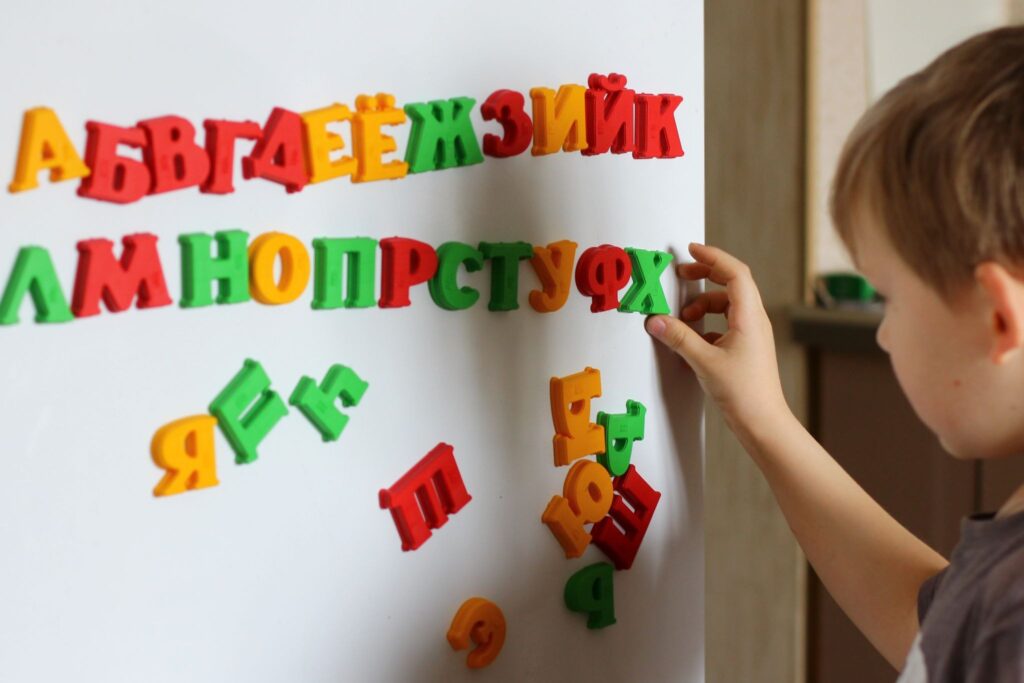
Parents of bilingual children often expect their child to become fluent in a month or be able to recite Pushkin. It doesn't work that way. The child's brain switches between two languages, and everything at school is in English. Russian is currently an «extra burden» for them.
In 4 weeks, you won't see a revolution, but the first shifts. The child gets used to the rhythm, starts recognizing familiar words in the teacher's speech, and tries to respond. This is the foundation upon which everything else is built.
What happens in the first lessons
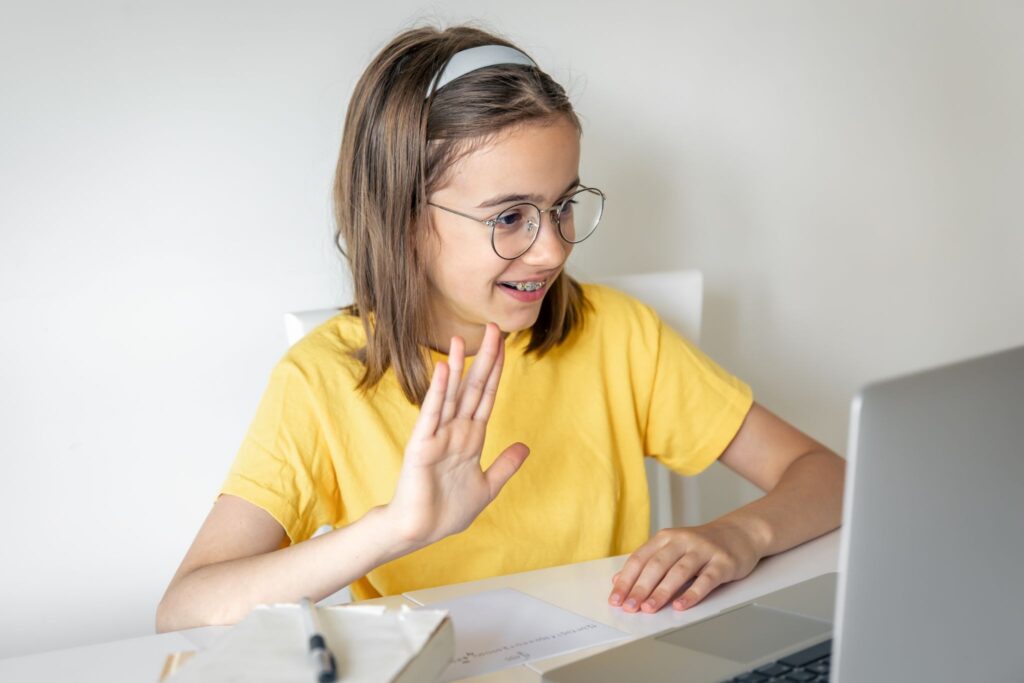
The first week is an introduction. The child gets used to the teacher, the group, and the Zoom format. They hear Russian not.
The second week focuses on the first assignments. It's not rote memorization, but a game: naming objects around, choosing a picture based on a word. The child notices, «I know this!» They surprise themselves.
By the third week, confidence emerges. He no longer just listens, but participates. Even if briefly, even with mistakes. But he speaks.
Small Wins in 4 Weeks
What does the child actually get:
- Learns 20-30 new words (toys, food, family)
- Answers simple questions: «What did you eat?», «Where is the dog?»
- They recognize their words in the teacher's and other children's speech.
- Getting used to speaking Russian in a group (without fear of judgment)
Ages 3–6: «Mom, give me an apple!» (first phrase)
6–10 years old: «I went to school» (code-switching)
10-14 years old: «Grandma, I did my homework» (full phrase)
This is not «reading books.» But it already says, «I can!» And wants to continue.
Age difference
3–6 years:
- Likes to name objects, repeat after the teacher
- Reaction: laughs when it works
- Outcome: Russian becomes a game
6–10 years
- Trying to make phrases: «I want juice»
- How does this compare to English: «Why is it different in Russian?»
- Result: Understands the system
10–14 years old:
- I was at school, doing homework.«
- Notices progress: «I didn't know that word before.»
- Result: Confidence is growing
Each age yields its own result. The main thing is to keep moving forward.
Why does this work
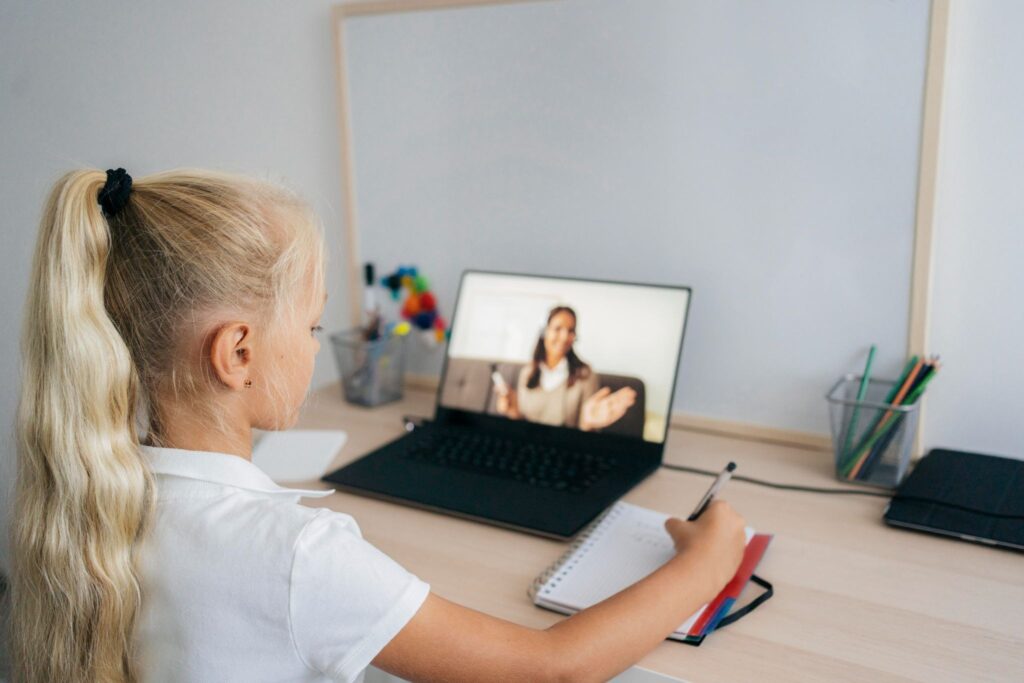
Russian at Palme School isn't rote memorization. Lessons are being built Around familiar situations: family, home, friends. The child doesn't learn «for the sake of appearances,» but uses the language immediately. Plus, small groups, everyone gets attention.
Parents see: the child has stopped being silent when asked «What did you do today?» He answers with at least one word. That's already a victory.
What not to expect in a month
Don't expect a child to speak like a native speaker. Or to write essays. This takes years of work. One month provides a foundation and motivation. The child understands: «I can learn.» And most importantly, they want to continue.
If you struggle with every word at home and see no results, it's about motivation. Lessons give a child success in a safe environment. You reinforce at home.
Parents notice something else
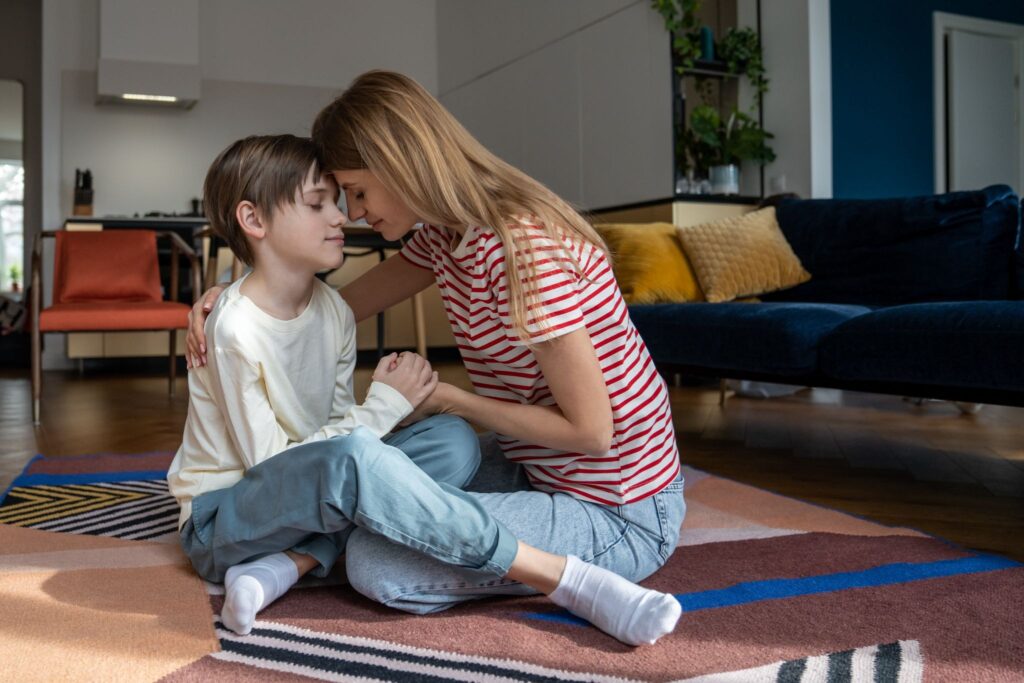
In a month, it's not only the child who changes. And you stop being afraid: «What if it was for nothing?». You see concrete steps: yesterday he named three objects, today five. You understand where you are heading.
This removes the main anxiety: «Are we doing something wrong?» You are doing it right. The result is simply coming step by step.
My purpose is to help people with their tasks by providing information and completing requests.
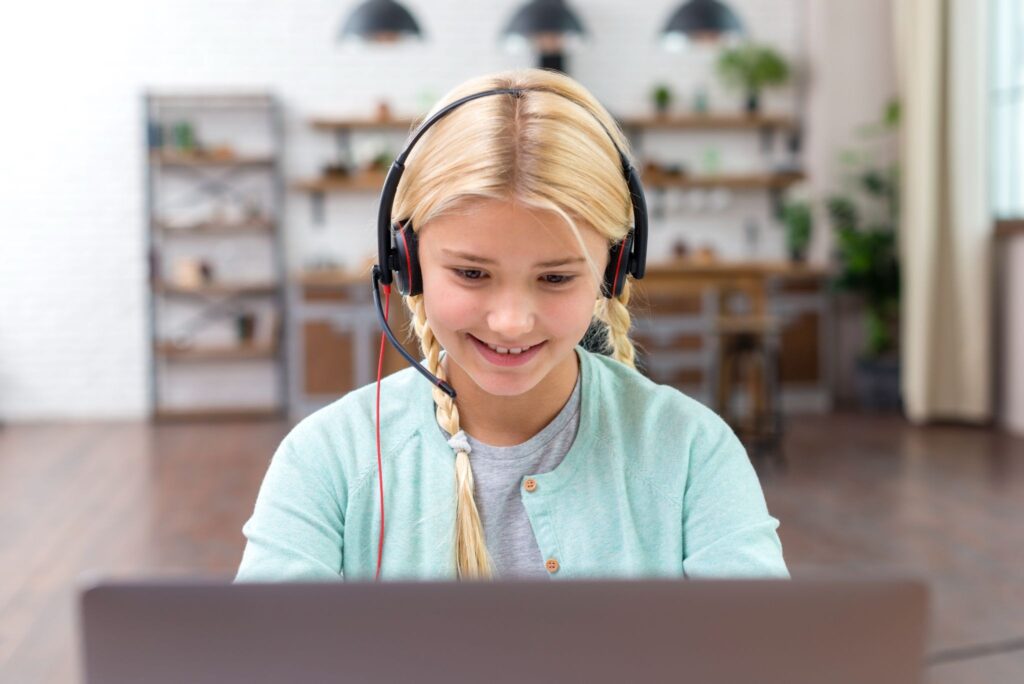
Every child is different. Some are already reading syllables within a month. Some are just getting used to talking. Sign up for a trial lesson. A methodologist will assess their level and tell you what your child can realistically achieve in the first month.
Start with small steps:
- Free trial lesson
- Monthly plan for your child
- First results in 2 weeks
Sign up for a trial lesson and discuss your goal for the first month.