



You tell a child, «Great job, no mistakes!» and expect them to be thrilled. But they roll their eyes or stop trying altogether. Sound familiar? Praise is supposed to motivate, but it often does the opposite. It all depends on what exactly you're praising.
Why «without errors» doesn't work

When you praise a child for a perfect result, they become afraid to take risks. One mistake and the praise disappears. They stop trying new things so as not to disappoint. The brain thinks, «It's better not to say anything than to say something wrong.».
Bilinguals are particularly vulnerable. Russian is harder for them than English from school. Any mistake at home or in class hits their self-esteem. The child thinks, «I'll never be fluent.».
You should be praised for your efforts

Research shows that children praised for their effort learn better. They are not afraid of mistakes and try for longer. Praising the process fosters mental flexibility.
Let's say a child is trying to say a complex sentence. It didn't work out? Say: «Great job trying such a long sentence!» Let mistakes be part of the game.
What phrases work

Instead of «Good job, you're doing great,» say:
- «Great that you started talking at all!»
- «I see you trying really hard — that's cool.»
- «You remembered the word, even though it's difficult!»
These words show: the.
When praise hinders

Dangerous phrases (remove them):
- «Why isn't it like last time?»
- «You're smart, do it without mistakes.»
- «Other kids are better at it»
These words are pressuring. The child feels: he is only valued for being perfect. Mistake = failure = shame.
Age difference

5–7 years:
Praise their courage: «You weren't afraid to say something new!»
They need approval just for speaking.
Ages 8-10:
Emphasize the process: «You chose the right words for the picture.»
They compare themselves to others. Help them see their progress.
11-14 years old:
Emphasis on independence: «You came up with that phrase yourself – that's great!»
It's important for teenagers to feel in control.
Praise or support?
Sometimes, instead of praise, support is needed. Is your child stuck on a word? Don't say «
This teaches them to think, not to wait for evaluation. The child understands: mistakes are normal, the main thing is to find a solution.
Replace one phrase today

Try it now:
- What's wrong again?«
It became: «Cool that you said anything at all!» - «Study harder, you're smart!»
I see you're trying to remember« - Get it right!«
Try again, I'm curious to see what happens.«
Look at the reaction. The child will relax and start talking more willingly.
At Palme School, we praise correctly
During lessons, teachers notice the effort: «You said two more words today!» Children see progress, not perfection. Small groups give everyone attention.
After the first month, parents notice that the child starts to speak on their own. Fear of mistakes disappears. Russian becomes natural.
Check it out in practice
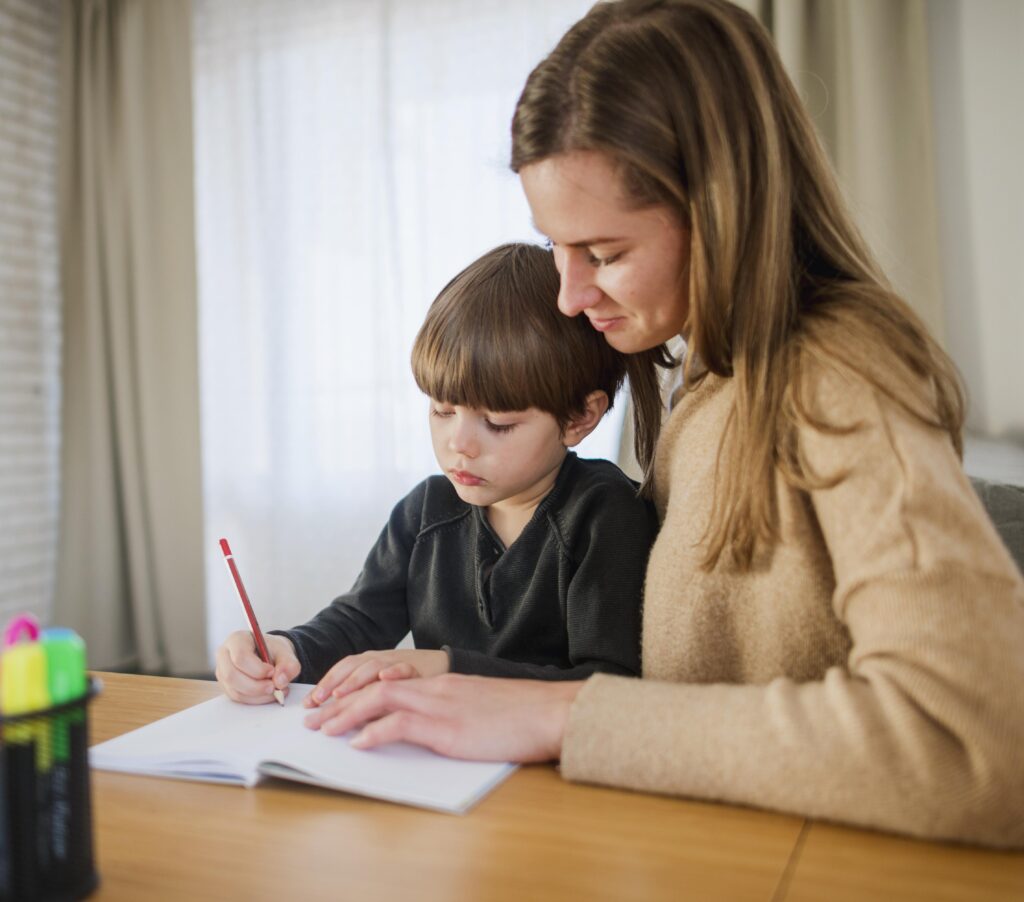
Take one phrase from the list above. Replace the usual praise with new praise. See what happens in a week. Will the child start speaking more boldly or remain silent as before?
If you need support in this process, sign up for a trial lesson. Teachers will show you how to motivate your child without pressure.
Start today:
- Choose one phrase from the article
- Use it during your next conversation
- Record the child's reaction
Sign up for a trial lesson. Your child will speak more confidently.