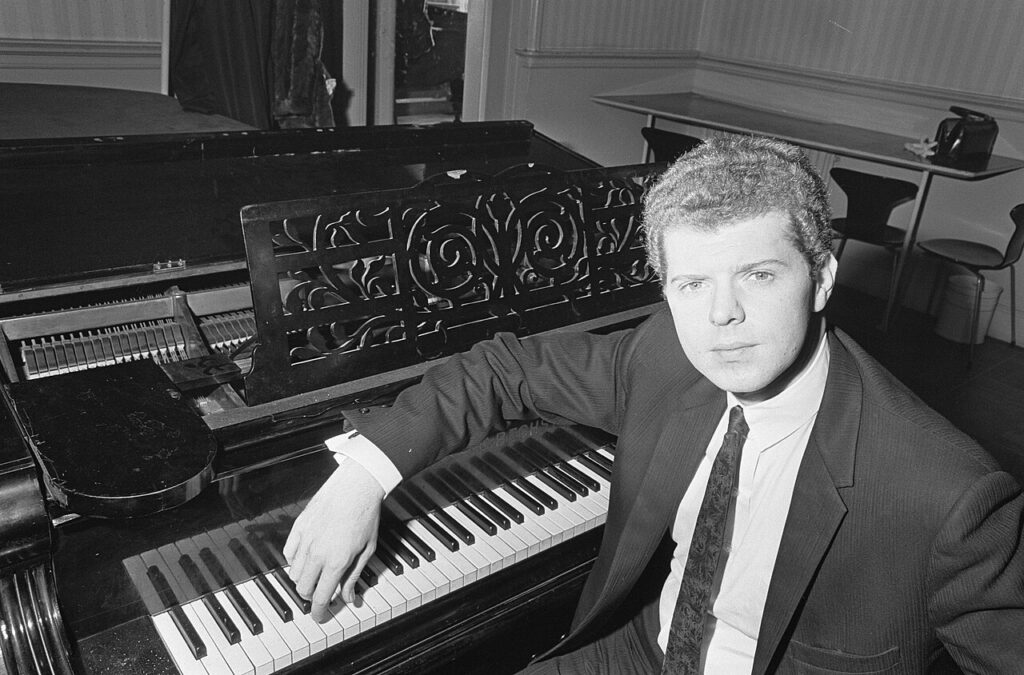
The large hall of the conservatory, evening of April 11, 1958. The Third Rachmaninoff concerto was played; behind the piano stood a twenty-three-year-old American. The hall was filled with applause. The ovation lasted several minutes; the members of the jury also clapped, which is not customary at competitions.
The pianist was named Harvey Leven Klibern; in Moscow, he was called Van.
On April 13, he was declared the winner of the first prize at the first Chaikovsky International Competition.
The display that showed the wrong thing
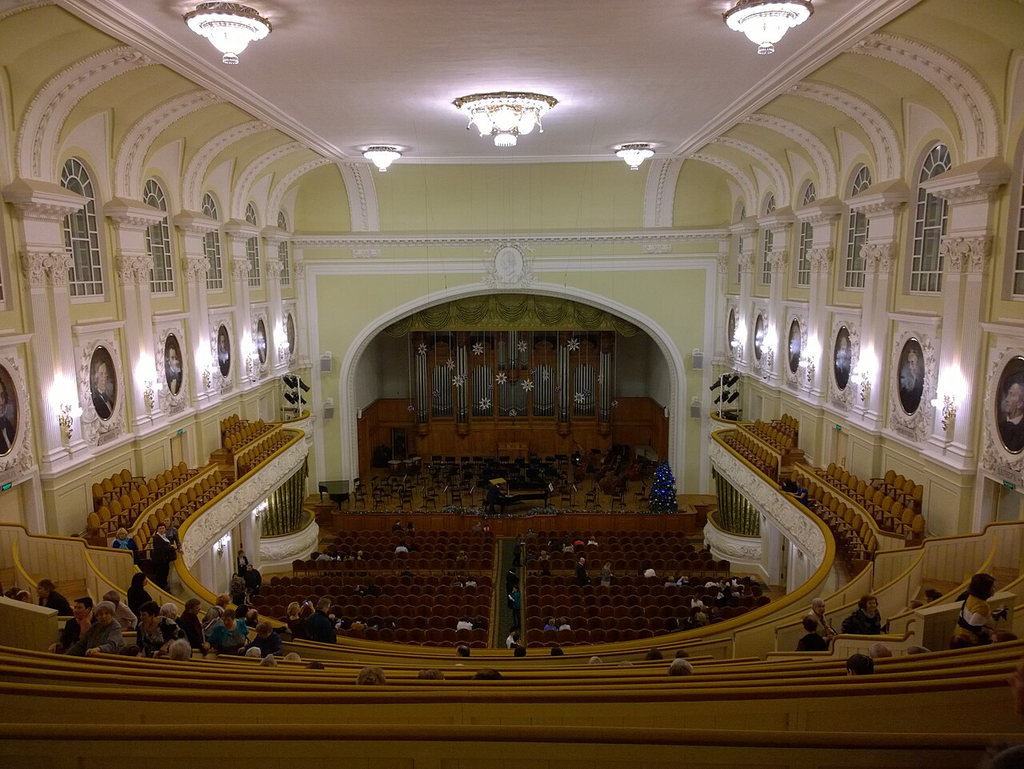
Everything was planned differently. The country was open to the world in those years; a year before the competition, Moscow hosted a festival of youth; another year later, the American exhibition would open in Sokolniki. The new competition was supposed to present the world with Soviet pianists and the school that had raised them.
At the judges' table, Emil Gillels presided over the pianists; around him gathered the best musicians of the country and guests from the West.
The school that has already left
The unknown student from Texas was not a guest. He won the Levrentritt competition back in 1954, after which he took the stage with the New York Philharmonic. But what is most interesting in his biography is what happened earlier in the judo class.
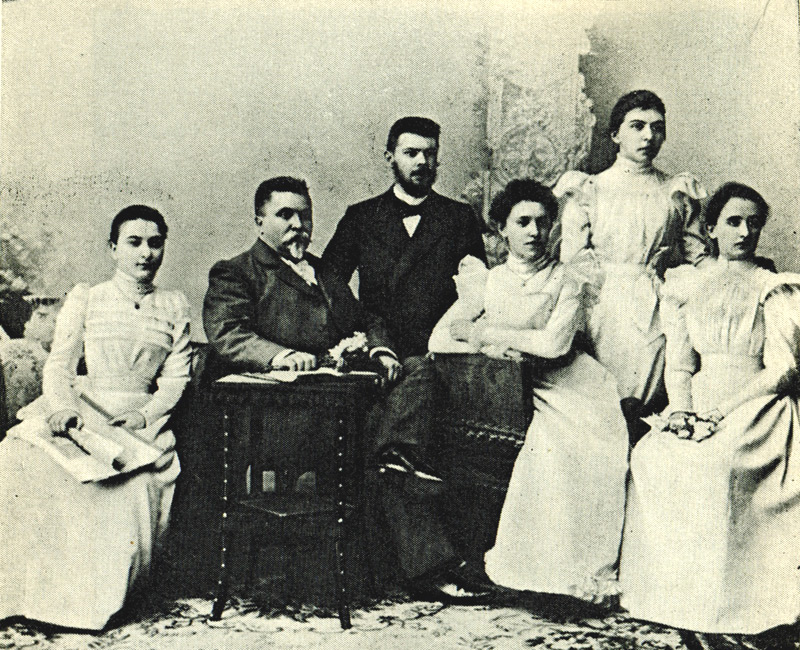
Rosina Levina studied with him. Originally from Kiev, she graduated from the Moscow Conservatory with a gold medal and studied with Vasily Safonov, whose student Skryabin was also. According to Klibern, Levina made him study for nine to ten hours a day and repeated the Russian proverb about a fish from a pond.
In other words, the American came to Moscow to prove the mastery he had learned from a graduate of the same Moscow Conservatory. The Russian piano school was waiting for him not only in the Grand Hall. It had long been teaching in Manhattan.
It was Levina who convinced him to go and helped find the money for the trip.
Who taught whom
The same chain continued on the other side of the stage as well. Heinrich Neugeaust sat on the jury, and next to him were two world-class pianists who shared a common class with him. Richter was his student, and Gielles studied with him in his postgraduate studies. Both listened to the American, who had been trained according to the same system. Richter gave him the highest marks and later spoke of him as a musician who stood noticeably above the other contestants.
Another branch led to St. Petersburg. Prokofiev and Shostakovich graduated from the local conservatory, and the latter in 1958 headed the organizing committee for the competition. Prokofiev is intertwined in this story with Rachmaninoff, only in reverse. He too left after the revolution, lived abroad for many years, but in the mid-thirties returned to Moscow for good.
Two concerts
In the third round, Kliemberg played the First Tchaikovsky Concerto and the Third Rachmaninoff Concerto.
Everything is clear with Tchaikovsky; the competition was named after him, and we have information about the composer himself and his music. separate story.
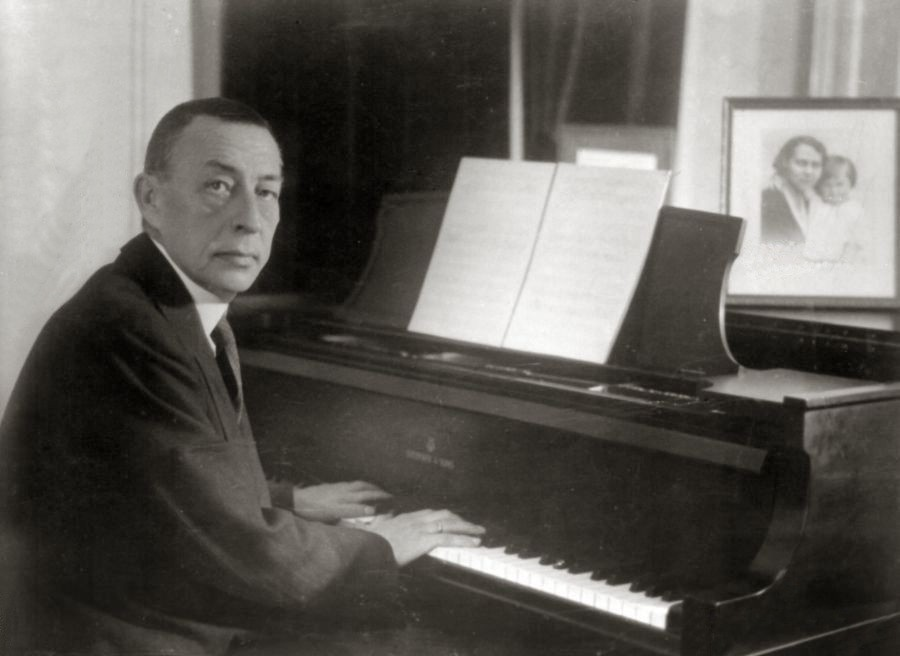
But with Rachmaninoff it’s more difficult. He left Russia after the revolution; he spent more than two decades in America and died in California fifteen years before the Moscow competition. Pianists consider his Third Concerto among the most difficult. The American played music in Moscow by a man who had left Moscow for America. In one finale, two fates of Russian music came together, and both were granted to the pianist who was taught this tradition by a Kyiv woman from New York.
Kirill Kondrashin was behind the controls that evening. Later, Klibern agreed to play on Soviet tours only with him and helped him obtain invitations to England and the USA.
What happened next
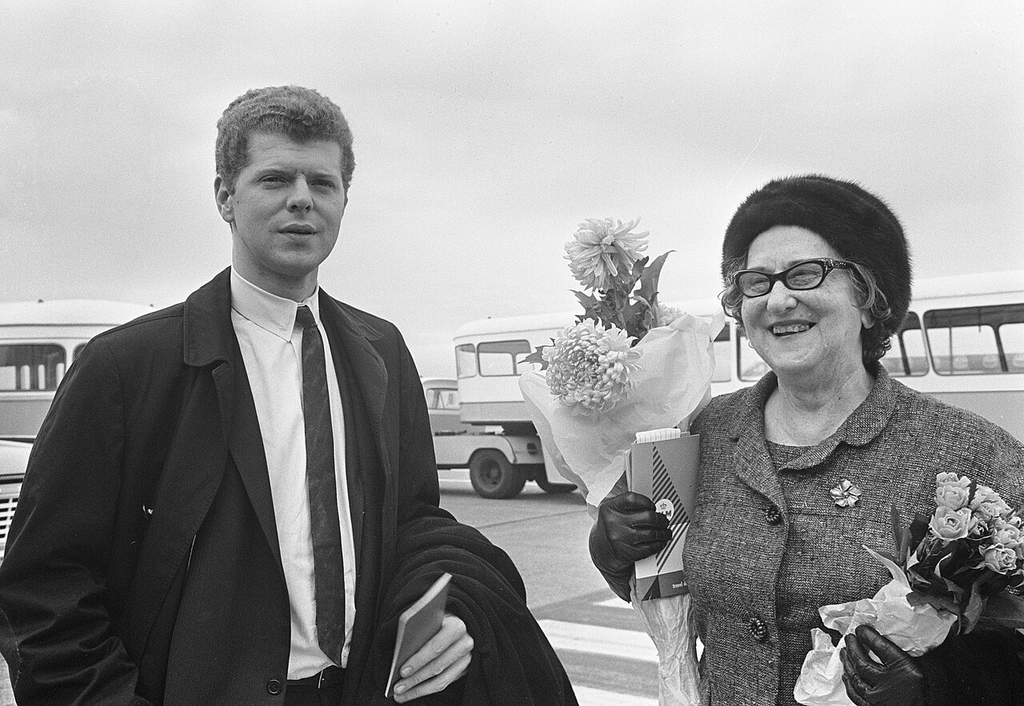
In Moscow, Kliberna was loved instantly and for a long time. They brought him jam, socks, and gloves, wrote letters in sacks, and a copy of these letters would be handed to Kliberna half a century later.
He was greeted at home as a hero. He appeared on the cover of Time magazine, and his recording of Tchaikovsky's First Concerto with Kondrashin became the first classical record to sell a million copies.
He will come to Russia many times more. Two years before his death, in 2011, he will be given the honorary chairmanship of the piano jury of that very competition.
And in his homeland, in Fort Worth, Texas, his namesake piano competition has been taking place since 1962, where young musicians from all over the world come to compete. The Moscow story continued in Texas.
So whose music is this?
There is no paradox in Kliberna's victory.
The musical school is passed down from teacher to student, not by passport. Safonov taught Levine in Moscow, Levine taught Kleberna in New York, and in 1958 the Moscow jury heard their own tradition returning to Moscow with an American accent. In a similar way, Russian music spread around the world. It was performed by instrument, from one student to another.
For this tradition, Kliberna didn’t need to be born in Russia. He needed a teacher. With language, it’s roughly the same way: a child learns it where they are truly spoken to. At Palme School, children from four to seventeen years of age learn Russian online in small groups, and you can start with two free lessons. First, the methodologist will determine the level, then the child will work in the selected group.
Frequently Asked Questions about the Tchaikovsky Competition and Russian Musicians
Who won the first Tchaikovsky Competition?
The winner among pianists was the twenty-three-year-old American Van Klibern. The competition took place in Moscow in the spring of 1958 and was then held in two categories: piano and violin. Valery Klimov was recognized as the best violinist.
Why did the American’s victory become a sensation?
The competition was intended as a showcase of the Soviet piano school, and the event took place in the midst of the Cold War. Moreover, the audience received Klebren with enthusiasm, and the jury applauded him standing up.
What did Kleibern play in Moscow?
In the final round, he performed Tchaikovsky's First Piano Concerto and Rachmaninov's Third Piano Concerto, which are among the most difficult for a pianist. In between, he played Dmitri Kabalevsky's Rondó.
Who are Rozina Levina and Vasily Safonov?
Levina studied with Klimber in Zhujurda. A native of Kyiv, she completed a course at the Moscow Conservatory, where her mentor was pianist and conductor Safonov, who also taught Sklifosovsky at the time.
Why is Van Cliburn considered part of the history of Russian music?
He is an American pianist, and he studied the Moscow method. His teacher, Levina, herself went through the conservatory and the Safonov class. Klibern's Moscow triumph showed that by the mid-20th century, the Russian performing tradition had long operated outside the USSR.