
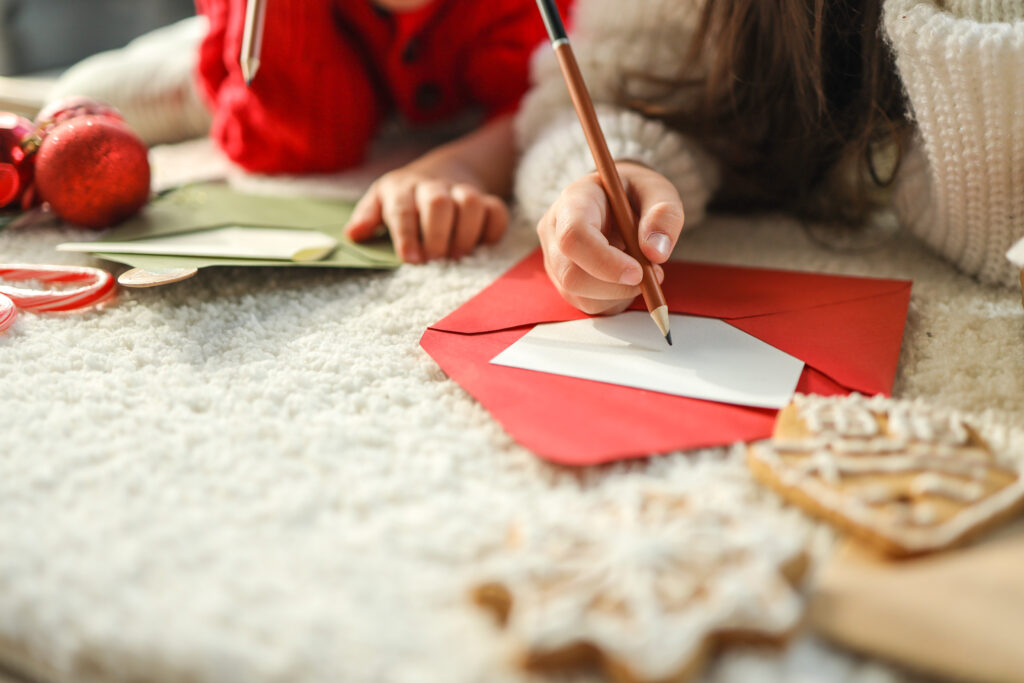

When a child lives abroad, communication with grandparents in the CIS is often kept on calls and messengers. But one letter written in Russian by his own hand can mean much more to them than a dozen voice letters.
For a child, such a letter is not only practice of the Russian language and handwriting, but also a very understandable way to show love and attention, to feel like a part of a family living far away.
How to prepare a child for writing in Russian
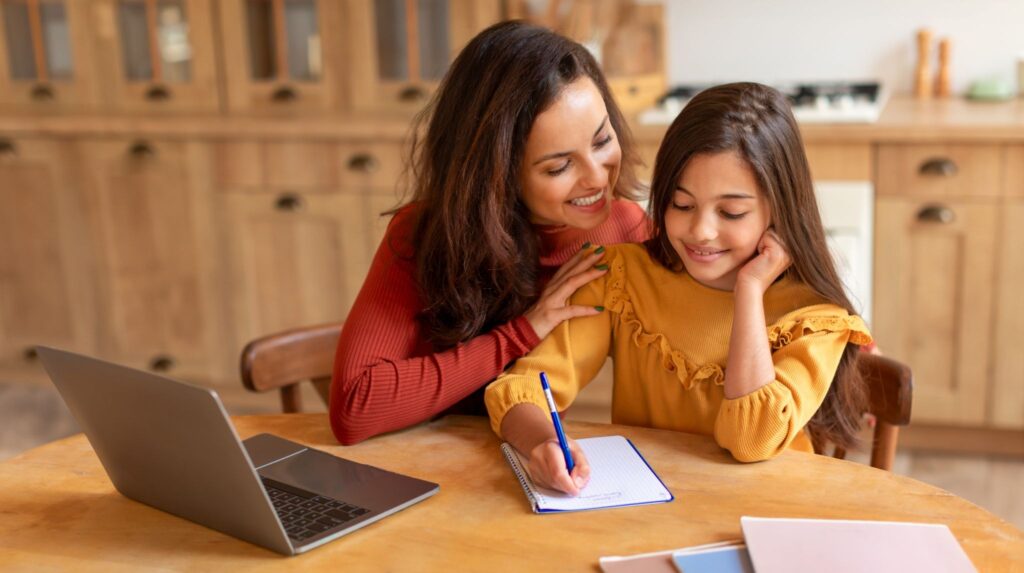
To prevent the letter from becoming a torture, it's important to prepare the ground a little.
- First, talk about it. What do you want to tell Grandma about in general? What's new? What is the child proud of? What do you want to ask her?.
- Together, sketch out the «skeleton» of the letter: a greeting, how we're doing, one or two important events, a question for Grandma, a warm ending.
- For younger children, you can first write the text «by dictation» in block letters, and then rewrite it neatly and beautifully by hand.
It's useful to agree right away that a letter isn't a three-page school essay. You don't have to write a lot; it's much more important that each sentence is real and «about us.».
Phrase templates for a letter to grandma
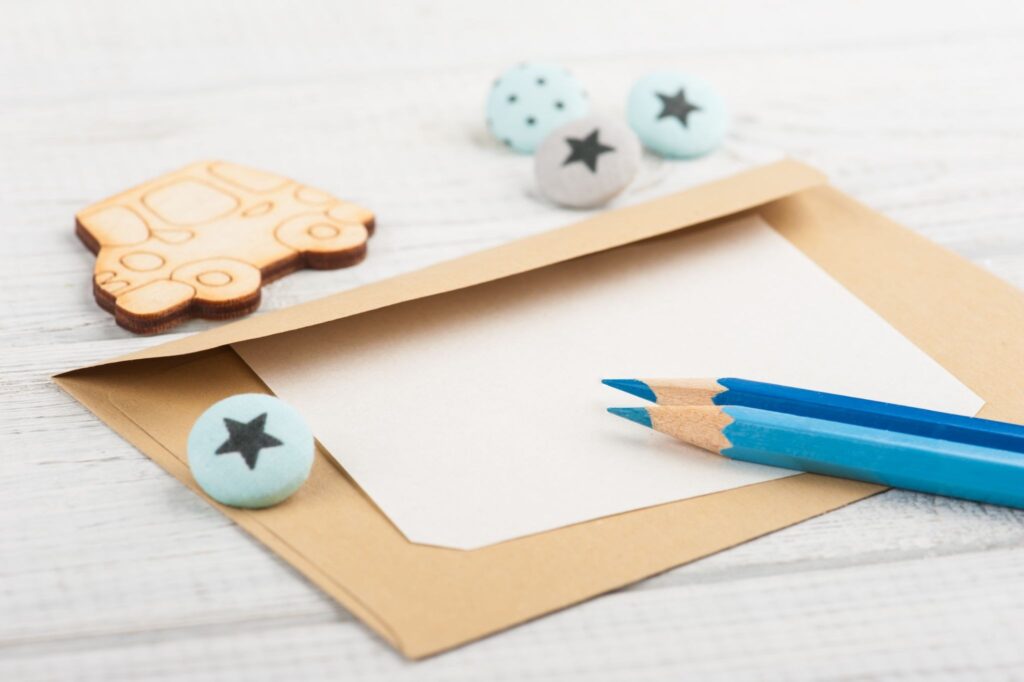
Below are not «fish» to be copied verbatim, but ready-made bricks. The child can choose a few phrases and add his/her own, so he/she will get a lively letter in Russian.
Opening of the letter
- «Dear Grandma!»
- «Hello, Grandma!»
- «Grandma, I miss you so much, so I decided to write you a letter.»
How to tell how we're doing
- «We are doing well, we are now living in ... .»
- «Everything's fine at my school/kindergarten, I go to the... grade/group.»
- «Recently we had ... (holiday, trip, vacation), and I want to tell you about it.»
About myself and my life
- «Right now I'm into ... (soccer, drawing, chess, dancing).»
- «I learned to... (read English, ride a bike, play the piano).»
- «This weekend my family and I ... (walked in the park, went to the sea, went to the museum). I liked most of all ...»
Warm phrases for Grandma
- «I often remember how you and I used to... (walk, bake a pie, read fairy tales).»
- «Thank you for the... (gifts, stories, calls). I really appreciate it.»
- «I hope you're feeling well and not sick.»
Questions for Grandma
- «Please tell me how you're doing, what you're doing now.»
- «How's the weather there? Do you go for walks often?»
- «What's new with our relatives or neighbors?»
How to end a letter
- «I really want to see you, hopefully I'll get a chance to come or meet you soon.»
- «Hugging you and loving you very much.»
- «Your [name].»
Here are a few options for what a short letter could look like, depending on the purpose: **Option 1: Casual/Friendly** Subject: Quick hello! Hey [Name], Just wanted to send a quick note to say hi and see how you're doing. Hope you're having a great week! Best, [Your Name] **Option 2: To a colleague/professional contact** Subject: Quick question re: [Project/Topic] Hi [Name], Hope you're well. I had a quick question about [briefly state the question or topic]. Let me know when you have a moment. Thanks, [Your Name] **Option 3: Informational/Reminder** Subject: Reminder: [Event/Task] Hi [Name], Just a friendly reminder about [event/task] happening on [date] at [time]. Let me know if you have any questions. Regards, [Your Name] **Option 4: Very brief thank you** Subject: Thank you! Hi [Name], Just a quick thank you for [what they did]. I really appreciate it! Best, [Your Name] **Key elements of a short letter:** * **Clear Subject Line:** Helps the recipient understand the context immediately. * **Brief Greeting:** "Hi," "Hello," "Hey" followed by the recipient's name. * **Concise Message:** Get straight to the point without unnecessary details. * **Call to Action (if needed):** What do you want the recipient to do or know? * **Brief Closing:** "Best," "Thanks," "Regards," "Sincerely" followed by your name.
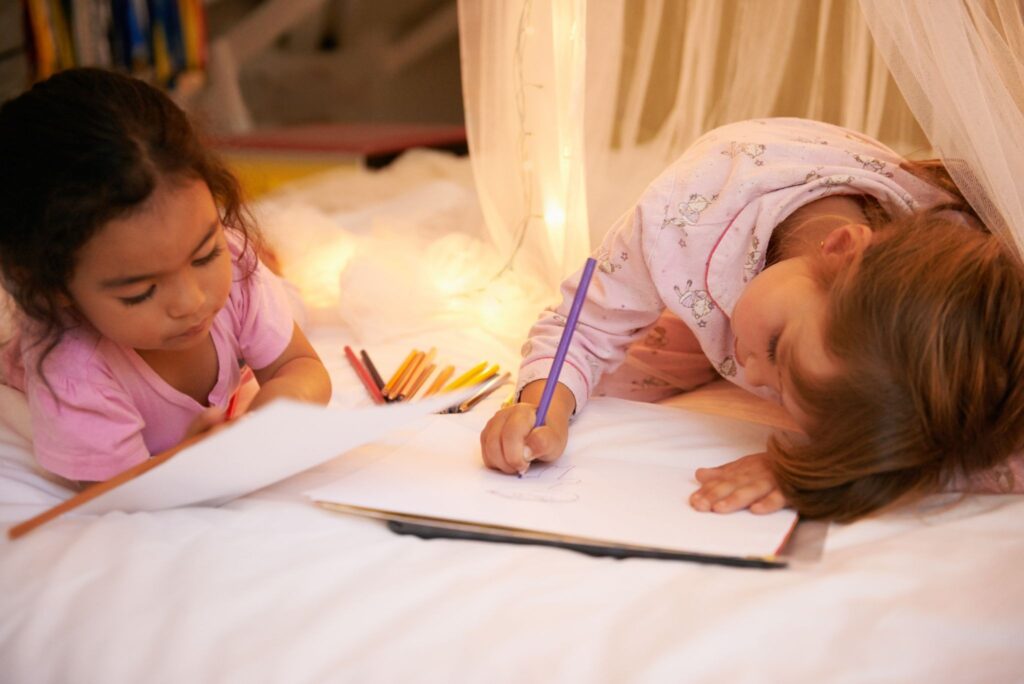
One of the options to rely on for structure (this is not text to copy):
«Dear Grandma!
Everything is good with us, we are currently living in... . Everything is fine at school, we recently had a holiday, and I want to tell you about it. We performed on stage, I was a little nervous, but then it was a lot of fun. I often remember how we used to walk together and you told me stories about your childhood. Please tell me how you are doing and what's new with you. Hugs and I love you very much. Your...
This example helps a child feel the «rhythm» of writing: a short greeting, a little about themselves, a little about grandma, a warm ending.
How to help with handwriting and spelling without killing the desire to write
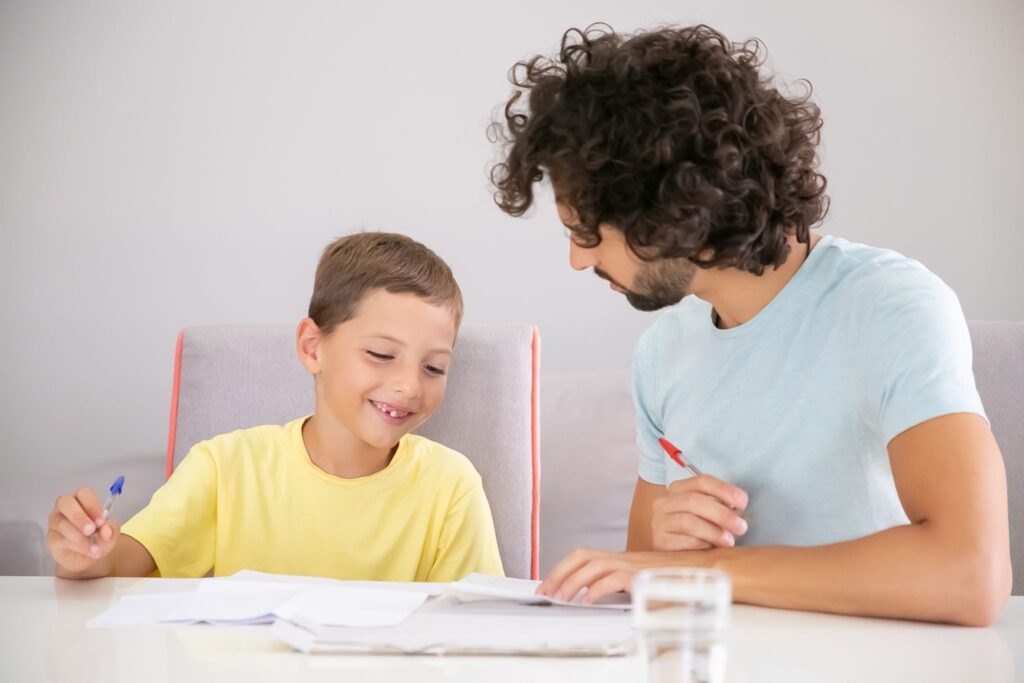
The main task of a parent is to not turn writing a letter to Grandma into a dictation exercise or a test.
- First, make a draft where you can cross things out and make corrections. A clean copy is a neat, rewritten version.
- It can be agreed that you help with only two things: telling them «how to spell a word» and reminding them about capital letters and dots. The child formulates the phrases himself.
- For younger children, it is convenient to quietly point with your finger where a capital letter or period is needed, and he puts it in himself.
If the child is tired, break down the task: today come up with and draft the text, tomorrow carefully rewrite it by hand and prepare the envelope.
Why does handwriting connect generations?
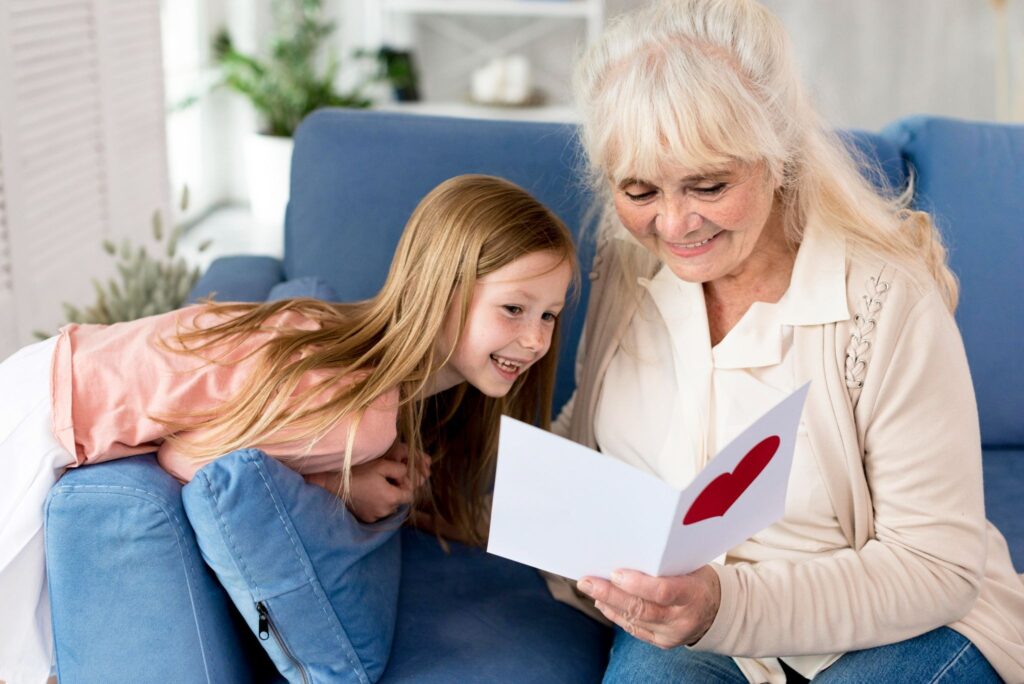
Writing by hand in Russian is not only about spelling and neat letters, but also about attention, memory and brain function in general.
- For a grandmother, this is a very personal thing: the living handwriting of her grandson, his lines, his mistakes, and his efforts. Such a letter is a joy to re-read, to keep, and to show to others.
- The child sees that Russian is needed not only «in class» but also for real communication with loved ones who live far away.
- Through such correspondence, a child learns more about family and history than from textbooks: in response to a letter, stories, memories, and old family histories often come.
Many grandmothers keep their grandchildren's letters for years in boxes, between book pages, or in a separate container. For a child, this is also a powerful experience: they realize that their words and letters live on somewhere else, not just in their notebook. This is how a sense of connection between generations and belonging to one's family is formed.
Learn to write beautifully and correctly, come to our writing lesson
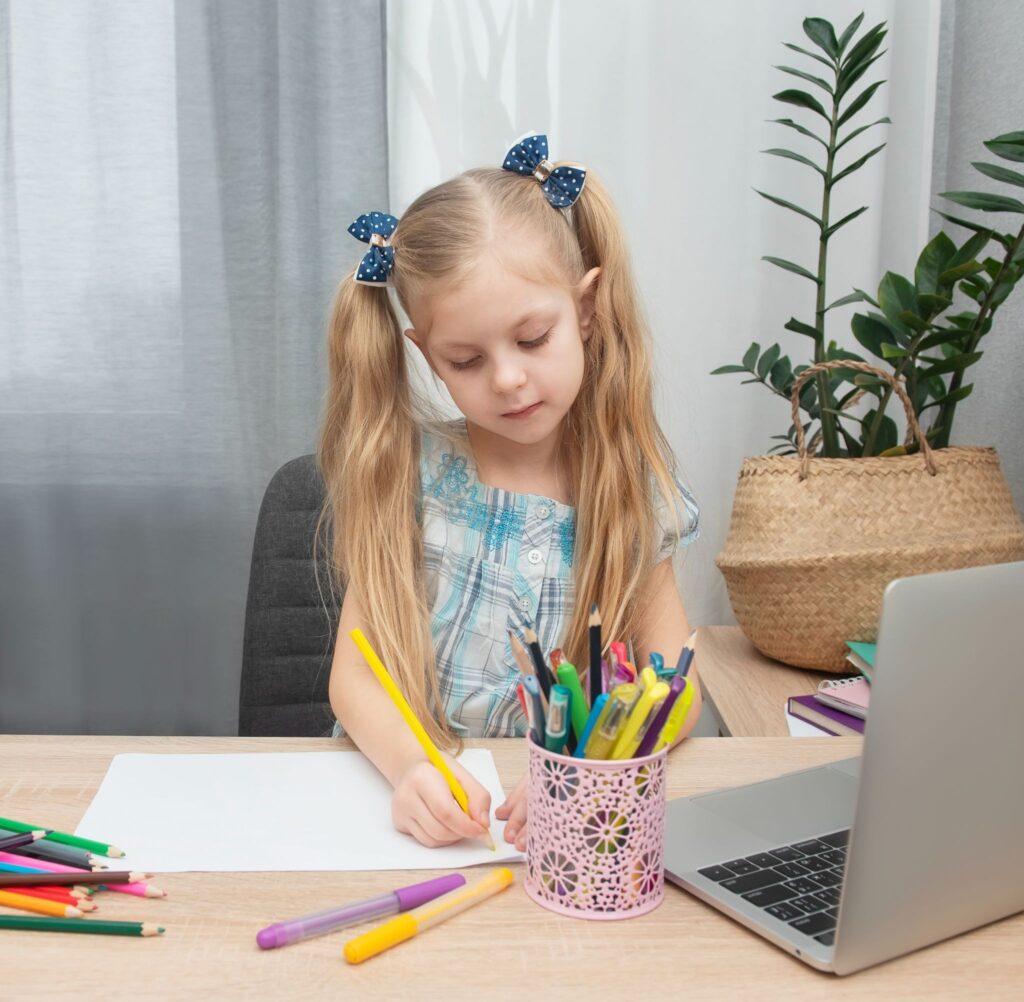
If you see that a child has difficulty keeping both the thought and the spelling of words and the shape of letters in their head at the same time, this is normal for children growing up outside of a Russian-speaking environment.
At Palme School, during writing lessons, children:
- They practice Russian written letters and ligatures so that handwriting becomes clear and confident, rather than individual «printed» symbols.;
- they repeat the rules that are really needed in letters: capital letters in names and at the beginning of a sentence, the most common spelling rules, formatting of greetings and signatures;
- They write short, lively texts: letters to Grandma, postcards, notes, not just exercises from a template.
Sign up for a writing lesson at Palme School: your child will practice writing in Russian neatly and without fear of mistakes, and grandma will have another reason to smile at a real handwritten letter from her grandchild.