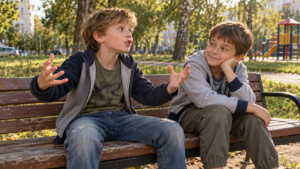



This is a great reason for the whole family to go out and see a Russian-language film. For most Russian-speaking families in North America, such a screening is considered a rare event: it's not an online platform or watching at home, but a real cinema hall and the Russian language on the big screen.
When this happens, it's a sin to miss it.
Why is this important at all?
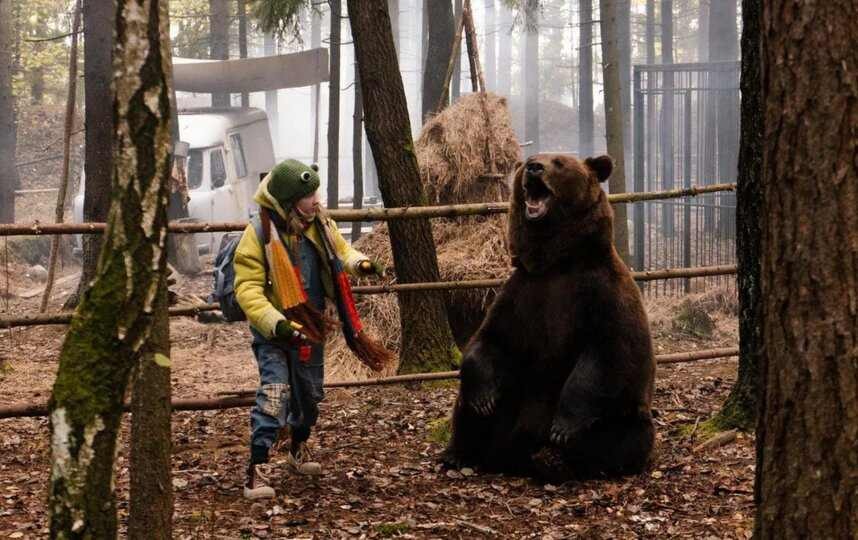
Movies in their native language in a public space work differently than cartoons at home on the couch. A child sees: the Russian language exists not only on the phone and not only in lessons. It sounds in a big hall, from the screen, with or without subtitles, near other people who laugh in the same places.
This is not a lesson. It is an experience of belonging.
For children growing up between two cultures, such moments matter more than they seem to. «We also go to Russian movies» is a simple phrase that imperceptibly strengthens the connection to the language and the child's sense of self as a person with two worlds, not torn between them.
What to do before, during, and after
A trip to the movies can easily be turned into natural language practice, without textbooks or assignments.
Before watching, we can discuss in Russian what, judging by the title, this film is about. What does «bear» mean in Russian culture? Why is it funny? Children often start fantasizing on their own, and the conversation turns out lively.
You don't need to do anything special while watching. Just watch and laugh together.
The most interesting part will come later. Ask the child in Russian: Who did you like the most? What was the funniest thing? Would you like your dad to be a bear? Such questions don't require a right answer, but they do require words. Lively, personal, in Russian.
Little life hack for parents
If a child is not yet very confident in Russian, offer them one task: to memorize three funny phrases from a movie. Not a plot summary, not an analysis, just three phrases that made them laugh. Then they can tell their grandma about them over a video call. It's guaranteed to work better than any homework.
And another thought
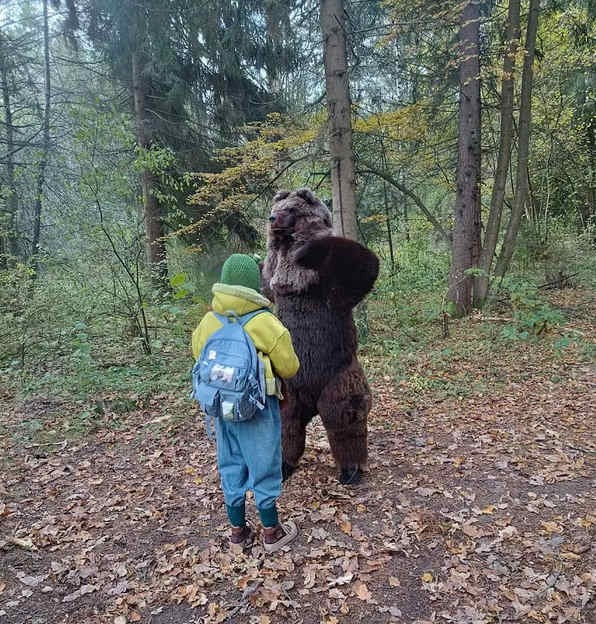
Russian-language cinema in an American or Canadian movie theater isn't nostalgia for adults. It's a point where language stops being domestic and becomes part of a bigger world. For a child, the difference is huge.
Go. Talk about it in Russian. And if the child says something in Russian on their own after the session, just be happy, don't correct them.
If you want going to the movies to be not the only reason to speak Russian, come for a trial lesson at Palmeschool. The first lesson is free, and we will definitely find something that will engage your child.