

A child raised abroad knows the words snow and cold and is completely sure that this is enough. Meanwhile, in Russian, a single word for snow is not enough; there are about a dozen, and the difference between them is not a poetic whim, but a very practical matter: in a country with a six-month winter, how to dress and whether to go outside depends on the type of snow.
The trainer is assembled for precisely this purpose. It contains twenty-six words that most frequently trip up bilingual children and adults learning Russian. Snow, rain, frost, transitional seasons, and impersonal verbs where the weather acts on its own and there is no subject at all.
Everything is set up simply. A description of a phenomenon appears on the screen, with three words to choose from underneath, and you have to pick the correct one. After answering, a short explanation opens up detailing how this word differs from the neighboring one, because remembering one without comparing it to another is almost impossible. The score and record are saved, so next time you can beat yesterday's self.
How to study with a child
The trainer works best in short sessions. Five minutes before a walk is worth half an hour straight, because words about the weather are reinforced in practice.
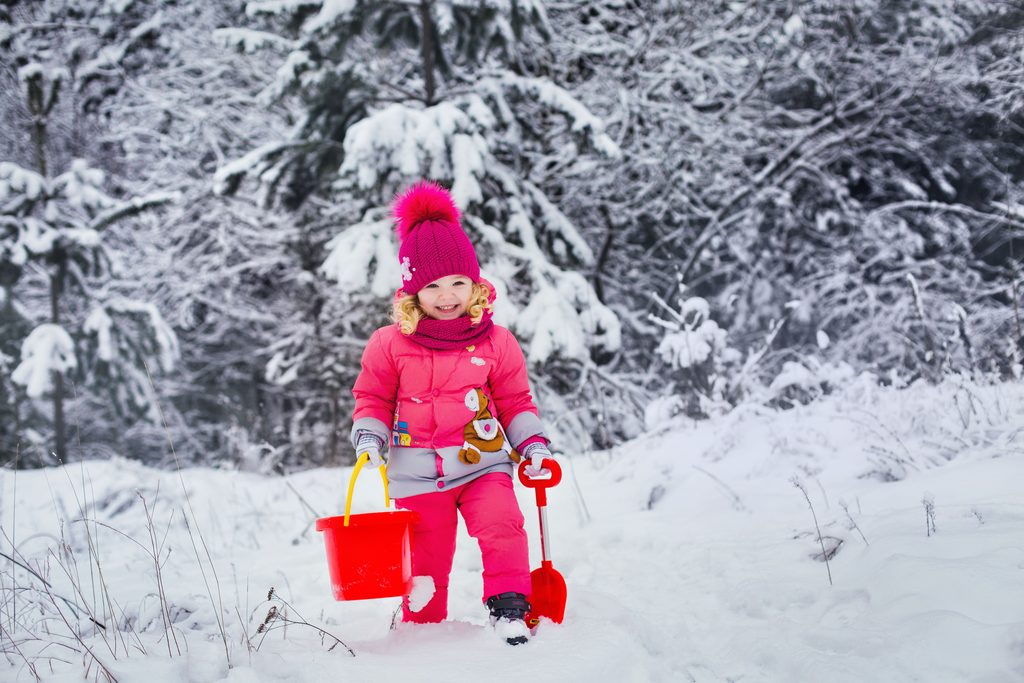
It really helps to get them away from the screen and outside. Go outside and ask what is falling from the sky right now, snow or sleet, if there is a fresh layer of powdery snow, or if there is a crust underfoot. A child who has stepped on a real snow crust even once and felt how it holds weight will remember the word forever.
The Saturday call to Grandma works too. Let the child ask what the weather is like there and try to retell the answer in their own words. Grandma's words like «slushy» or «frozen over» stop being a mystery after the language trainer, and the conversation gets a topic that lasts for a few minutes.
Adults learning Russian should take some time to focus on impersonal verbs. You cannot attach a doer to any of them, and any such attempt ruins the sentence. English requires a formal "it" in the same cases, but Russian manages without any such crutch, and this is the first thing a foreigner stumbles over.
Where all these words came from and why there are so many of them is explained in detail in the article about the weather in Russia and talking about it. There is also a table of temperatures by city, climate zones, and an explanation of why latitude in Russia says less about the weather than longitude.
At our school, we go over this kind of vocabulary in live conversation, because a word is remembered best when it is actually said to someone. Palme School works with children from four to seventeen years old. The groups are small, and proficiency is determined in advance. You can start with two free lessons. The first is with a methodologist who gets to know the child and selects a group, the second is a trial lesson in a group with a teacher.
For adults who are learning Russian on their own, the school has separate tracks, Russian for adults and conversation school, where live turns of phrase like impersonal weather verbs are actually practiced.
Frequently asked questions about the exercise machine
What age is the exercise machine suitable for?
Starting around the age of eight, when the child reads confidently in Russian. Younger children are better off going through it together with an adult, out loud, discussing the explanations. There is no upper limit; the tasks are no easier for adults studying Russian as a foreign language.
Do I need to know the words in advance?
No, you don't need to know anything in advance. Missing here is just as much a part of the job as hitting, and the first round is usually done blindly, while by the third round the word is already recognized by its description.
Is the result saved?
Yes, the score and record are saved in the browser, so the previous result will be visible on your next visit. You can reset it using the button at the bottom of the trainer.
What to do after the gym?
Read books where these words live. A snowstorm in Pushkin, a winter road, a blizzard in Russian fairy tales. A child who has completed the training exercise suddenly notices a familiar word in the text, and this works more powerfully than any repetition.