

У иных книг начальную строчку держат в памяти даже те, кому не довелось их дочитать или хотя бы открыть. Именно так открывается «Анна Каренина», знаменитыми словами про то, что все счастливые семьи похожи между собой, а несчастливая каждая несчастлива на свой манер. И в этой одной-единственной строке, стоит вдуматься, уже спрятан весь увесистый роман. Речь тут пойдет о семьях, о том, что их скрепляет и что незаметно разъедает, и о женщине, чье имя давно стало присловьем, хотя что именно с ней приключилось и почему, вспомнит не всякий.
И вот тут кроется первая ловушка. Спроси сегодня, о чем «Анна Каренина», и в ответ чаще всего услышишь: про женщину, которая изменила мужу и бросилась под поезд. Все верно, да только обидно мелко для романа, над которым Толстой бился четыре года и который сам считал первым своим настоящим романом. Тот, кто ищет anna karenina summary или anna karenina plot в надежде на короткий пересказ, получит сюжет, но упустит главное, потому что свести эту книгу к истории падшей женщины значит не увидеть и половины. Дальше попробуем разобраться, про что она на самом деле, кто там кто и почему спустя полтора века ее все еще читают и экранизируют по всему свету.
О чем роман и когда написан

Работал над романом Толстой на протяжении 1870-х, выпуская его кусками в журнале, и поставил точку в 1877 году. Свою прежнюю громаду, «Войну и мир», он относил к прошлому, к миру большому и возвышенному, а вот эту вещь мерил другой меркой, называя ее романом про нынешнюю жизнь, ту, что шумела прямо за окном. И дышит он совсем иначе: тут не грохот битв, а гостиные, перроны, ипподром, спальни и детские, словом, будни обыкновенных, пусть и не бедствующих, людей.
Действие разворачивается в России того времени, в высшем свете и в дворянских усадьбах, и Толстой, как великий дотошный реалист, выписывает этот мир со всеми его блестящими балами и тайной гнилью под ними. Сам сюжет в пересказе несложен, и его удобнее окинуть одним взглядом в отдельной таблице, а здесь важнее понять устройство романа, потому что именно в нем и спрятан замысел Толстого.
Краткое содержание по двум линиям
| Этап | Линия Анны | Линия Левина |
|---|---|---|
| Завязка | Анна встречает Вронского на вокзале и влюбляется | Левин сватается к Кити, но получает отказ |
| Развитие | Анна сближается с Вронским, идет наперекор мужу и свету | Кити переживает увлечение Вронским, затем сближается с Левиным |
| Перелом | Анна уходит от Каренина, теряет связь с сыном и положение в обществе | Левин и Кити женятся, начинают жизнь в деревне |
| Кульминация | Анна мучается ревностью, виной и отчуждением | У Левина и Кити рождается ребенок |
| Финал | Анна в отчаянии бросается под поезд | Левин обретает душевный покой и смысл |
Две истории вместо одной

Вот что сбивает с толку многих: роман назван именем Анны, но почти половину книги занимает совсем другой человек, которого в заглавии нет вовсе, Константин Левин. И это не промах Толстого, а самый что ни на есть ключ. Писатель ведет сразу две параллельные истории, две линии, и они все время оттеняют друг друга, как свет и тень на одной картине.
Одна линия это Анна, Вронский и блестящая, лживая жизнь большого света, история, что катится к обрыву. Другая это Левин и Кити, их непростое сближение, свадьба, деревня, дети, поиск простого и честного счастья на земле. Левин, в котором Толстой во многом вывел самого себя, мучается теми же вопросами, что и автор: как жить правильно, в чем смысл, где настоящее, а где притворное. И только сложив обе линии вместе, понимаешь, что роман не про измену, а про две дороги, по которым может пойти человек в поисках счастья, и про то, куда какая ведет.
Анна, Вронский и Каренин
В сердце трагической линии стоит любовный треугольник, и каждая его вершина у Толстого живая, без плакатных злодеев. Анна, замужняя женщина, мать, блестящая и полная жизни, встречает молодого офицера Вронского и влюбляется так, что теряет голову и идет наперекор всему, и мужу, и свету, и здравому смыслу. Толстой не судит ее и не оправдывает, он показывает ее изнутри, со всей ее страстью, виной, отчаянием и метаниями, и оттого ее невозможно ни проклясть, ни счесть просто жертвой.
Ее муж, Алексей Каренин, фигура не менее сложная. Это человек долга и приличий, сухой, рассудочный, живущий по правилам морали, но словно не умеющий любить и чувствовать, и в его холодности есть своя драма. Вронский же, поначалу просто блестящий повеса, через любовь к Анне сам меняется и взрослеет, но удержать на себе всю тяжесть ее чувства и сломанной ради него жизни оказывается ему не под силу. Подробнее каждого героя и его роль удобнее разобрать в отдельной таблице, но суть в том, что виноватых тут нет, есть живые люди, которых обстоятельства и характеры ведут к беде.
Главные герои романа
| Герой | Кто это и роль в романе |
|---|---|
| Анна Каренина | Замужняя женщина, мать, чья страсть к Вронскому ведет к трагедии |
| Алексей Каренин | Муж Анны, человек долга и приличий, не умеющий любить |
| Алексей Вронский | Молодой офицер, возлюбленный Анны, меняющийся через эту любовь |
| Константин Левин | Второй главный герой, ищущий смысла жизни, во многом сам Толстой |
| Кити Щербацкая | Возлюбленная и затем жена Левина, светлая семейная линия |
| Стива Облонский | Брат Анны, легкомысленный и обаятельный, связующее звено сюжета |
| Долли | Жена Стивы, образ терпеливой жены и матери |
Чем все кончается
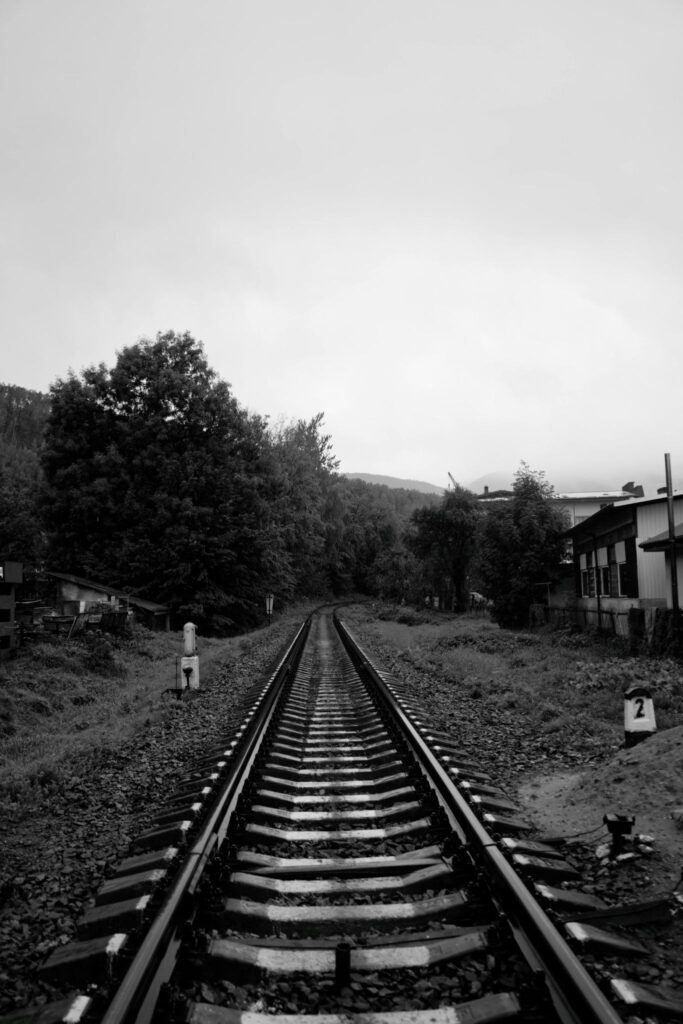
Дальше будет спойлер, но для книги, которой полтора века и финал которой знает едва ли не каждый, это простительно. Отношения Анны и Вронского, добытые такой ценой, не приносят ей счастья. Отрезанная от сына, отвергнутая обществом, измученная ревностью и чувством вины, Анна все глубже погружается в отчаяние, и ей все чаще кажется, что любовь Вронского остывает. В финале, не выдержав этой муки, она бросается под поезд на вокзале.
И тут стоит заметить тонкость, которую Толстой выстроил нарочно. В самом начале романа, при первой встрече Анны с Вронским на вокзале, под поезд попадает сторож, и Анна называет это дурным предзнаменованием. Кольцо замыкается: чем открылось, тем и закрывается. А рядом, в другой линии, тихо идет своим чередом жизнь Левина и Кити, у них рождается ребенок, и Левин, измучившись вопросами о смысле, обретает наконец некий внутренний покой. Две дороги, и два таких разных конца.
О чем эта книга на самом деле

Если снять с романа ярлык истории про измену, обнаружится, что он про очень многое сразу. Прежде всего про семью и про то, чем настоящая близость отличается от ее видимости: счастливы у Толстого лишь те, кто строит союз по любви и совести, как Левин с Кити, а браки по расчету и приличию приносят несчастье. Это и про свободу женщины, про ее право любить и выбирать, и про жестокость общества, которое за нарушение правил карает беспощадно, причем женщину куда суровее, чем мужчину. Толстой ясно дает почувствовать эту несправедливость.
А еще, и может быть, прежде всего, это книга про поиск смысла жизни, и эту ношу несет Левин. Его метания, от отчаяния и мыслей о смерти до тихого прозрения в простом труде, вере и любви, и есть, по сути, духовный нерв романа. Так что под видом семейной драмы Толстой написал книгу о самых больших вопросах: как жить, что такое любовь, где настоящее, и почему за погоней за счастьем порой следует расплата. Оттого роман и не стареет.
Анна Каренина в кино
Мало какой русский роман так любят кинематографисты, и «Анну Каренину» экранизировали десятки раз по всему миру, от Голливуда до России. Роль Анны играли величайшие актрисы разных эпох, и каждая прочитывала ее по-своему, кто трагической жертвой, кто сильной женщиной, кто заложницей страсти. Тут и старая черно-белая классика минувшего столетия, и роскошные костюмные ленты, и совсем дерзкие нынешние прочтения, как нашумевшая картина 2012 года, где действие нет-нет да и оборачивается театральными подмостками.
Уже само это множество экранизаций выдает силу романа: что ни поколение, что ни страна, всякий вычитывает в нем свое и перекладывает на собственный лад. Самые заметные киноверсии удобнее собрать в отдельной таблице, а пересматривать их интереснее всего, уже прочитав книгу, чтобы увидеть, что режиссер взял, что отбросил и что понял по-своему.
Известные экранизации
| Год | Версия |
|---|---|
| 1935 | Голливудский фильм с Гретой Гарбо в роли Анны |
| 1948 | Британский фильм с Вивьен Ли |
| 1967 | Советская экранизация с Татьяной Самойловой |
| 1997 | Международная экранизация Бернарда Роуза с Софи Марсо |
| 2012 | Британский фильм Джо Райта с Кирой Найтли, действие как театр |
| 2017 | Российская версия Карена Шахназарова |
Стоит ли читать Анну Каренину подростку

Родителей часто мучает вопрос, не рано ли давать подростку такую взрослую книгу, где измена, страсть и трагический финал. Однозначного ответа нет, многое зависит от самого ребенка, но в старшем школьном возрасте роман обычно уже по силам, и читают его не ради скандальной фабулы, а ради того, как тонко Толстой понимает людей. Подростку, который растет вдали от России, такая книга дает редкое: живой, не музейный русский язык, целый мир чувств и отношений и тот культурный код, без которого половина мировой культуры остается непонятной, ведь на «Анну Каренину» ссылаются повсюду.
В Palme School мы как раз и стараемся открывать детям русскую классику не как скучную обязанность из-под палки, а как живой разговор о том, что волнует любого человека, о любви, выборе, совести и смысле. Стоит подростку заметить, что герои книги полуторавековой выдержки переживают ровно то же, что и он сам, и литература из пыльного музея вдруг превращается в нечто близкое и свое. Мы учим детей с четырех до семнадцати лет, отдельно для билингвов и для тех, кому русский по сути иностранный, онлайн, в маленьких группах, по сорок минут.
Понять, подойдет ли это вашему ребенку, можно бесплатно. В школе дают два пробных урока. Первый это знакомство с методистом, который определит уровень и расскажет про программу. Второй настоящий урок в группе, с преподавателем и другими детьми. Так сразу видно, как ребенок чувствует себя в русской среде и что ему интереснее всего.
Что унести из этой книги

«Анна Каренина» только притворяется историей про неверную жену, а на деле это огромный роман о самом важном. Толстой ведет в нем две дороги разом: трагическую страсть Анны, что ломает и ее, и близких, и тихий, трудный путь Левина к простому семейному счастью и смыслу. Знаменитый зачин про счастливые и несчастливые семьи задает тон всему: счастье у Толстого возможно лишь там, где союз построен на любви и совести, а не на расчете и приличии. И хотя финал Анны трагичен, книга не приговор ей, а сочувственный и очень умный взгляд на то, как запутываются и ищут себя живые люди. Прочесть ее стоит хотя бы раз, и лучше не в школьном пересказе, а целиком, не торопясь.
Знаменитые строки из романа
| Строка | О чем она |
|---|---|
| Все счастливые семьи похожи друг на друга, каждая несчастливая семья несчастлива по-своему | Знаменитый зачин романа. Счастье у Толстого устроено просто и одинаково, а несчастье у каждой семьи свое, и именно о таких несчастьях книга |
| Мне отмщение, и Аз воздам | Библейский эпиграф ко всему роману. Смысл в том, что судить и карать человека за грехи вправе не люди и не общество, а только высшая сила |
О чем роман Анна Каренина?
Если коротко, это роман про семью, любовь и поиск смысла жизни. В нем две параллельные истории: трагическая любовь замужней Анны и офицера Вронского и светлая, трудная семейная жизнь Кити и Левина. Через них Толстой размышляет о том, что делает человека счастливым, и о цене, которую порой приходится платить за страсть.
Кто главные герои романа?
Главных героев несколько. На первом плане сама Анна Каренина, рядом ее супруг Алексей Каренин и влюбившийся в нее офицер Вронский, а второй линией через всю книгу проходят Константин Левин и Кити Щербацкая. И хотя заглавие отдано Анне, Левину автор уделил ничуть не меньше страниц, вложив в этого героя многое от себя самого.
Чем заканчивается Анна Каренина?
Финал трагический. Измученная разрывом с сыном, осуждением общества и собственной ревностью, Анна впадает в отчаяние и в конце концов бросается под поезд. Параллельно линия Левина и Кити завершается светло, рождением ребенка и обретением Левиным душевного покоя и смысла. Толстой намеренно сводит рядом эти два таких разных исхода.
Почему Анна бросилась под поезд?
К финалу Анна оказывается в безвыходном, как ей кажется, положении: она лишена сына, отвергнута светом, измучена виной и ревностью и уверена, что любовь Вронского угасает. Накопившееся отчаяние и ощущение, что выхода нет, и толкают ее на этот шаг. Толстой показывает это не как осуждение, а как трагедию запутавшегося, страдающего человека.
Когда написана Анна Каренина?
Создавался роман в течение 1870-х и был дописан в 1877 году, а выходил он по частям в журнале. Если «Войну и мир» автор причислял к книгам о минувшем, то эту вещь относил к современности, к рассказу про то общество, что окружало его в ту самую пору.
Про что на самом деле этот роман, если не про измену?
Измена лишь самый заметный, но не главный его слой. По сути роман про устройство семьи и природу счастья, про свободу женщины и жестокость осуждающего ее общества, а также про мучительный поиск смысла жизни, который ведет Левин. Под видом семейной драмы Толстой задает самые большие вопросы о том, как человеку жить.
Кто такой Левин и зачем он в романе?
Константин Левин это второй главный герой, чья линия идет параллельно истории Анны. Через него, во многом списанного с самого себя, Толстой проводит свои размышления о смысле жизни, вере, труде и настоящем счастье. Линия Левина и Кити служит светлым противовесом трагедии Анны, и без нее замысел романа распадается.
Трудно ли читать Анну Каренину?
Роман большой и неспешный, с подробными описаниями и множеством героев, поэтому требует внимания и времени. Но язык Толстого ясен, а человеческие чувства и отношения, о которых он пишет, понятны в любом возрасте. Многие, начав ради сюжета, втягиваются именно благодаря тому, как точно и живо показаны люди.
Сколько существует экранизаций романа?
Очень много, роман экранизировали десятки раз в разных странах, от ранней черно-белой классики до современных постановок. Роль Анны играли многие великие актрисы, и каждая эпоха прочитывала ее по-своему. Среди известных версий есть и голливудские фильмы, и российские, и смелый британский фильм 2012 года.