

В шесть лет Маша уже точно знает, что у нее очень красивая мама. Она это говорит с гордостью, на двух языках сразу. По-английски все легко. My mom is beautiful. А вот по-русски Маша произносит фразу так. Мой мама красивая.
Мама смеется и поправляет. «Моя мама, Машенька. Моя».
Маша задумывается. «А почему? Я сказала my mom. Это и есть мой мама».
В этой утренней сценке в бостонском пригороде вся боль русских местоимений для билингва. В английском «my» одно слово для всех. В русском под каждый род своя форма. И таких ловушек у нас наберется немало.
Эта статья собрана из трех живых историй. Маша шести лет, учится в местной школе под Бостоном. Майкл из Сан-Франциско, тридцать пять, женат на Свете, второй год берет уроки русского. И Алекс девяти лет, ходит по воскресеньям в русскую школу в Бруклине. У каждого свой набор ошибок. У всех общая задача — совместить две очень разные языковые системы в одной голове. По их историям мы и пройдем три главные группы местоимений в русском (личные, притяжательные, указательные), разберем склонение по падежам и заодно сложим список самых типичных промахов. В международных учебниках эта тема известна как personal pronouns Russian.
Маша из Бостона
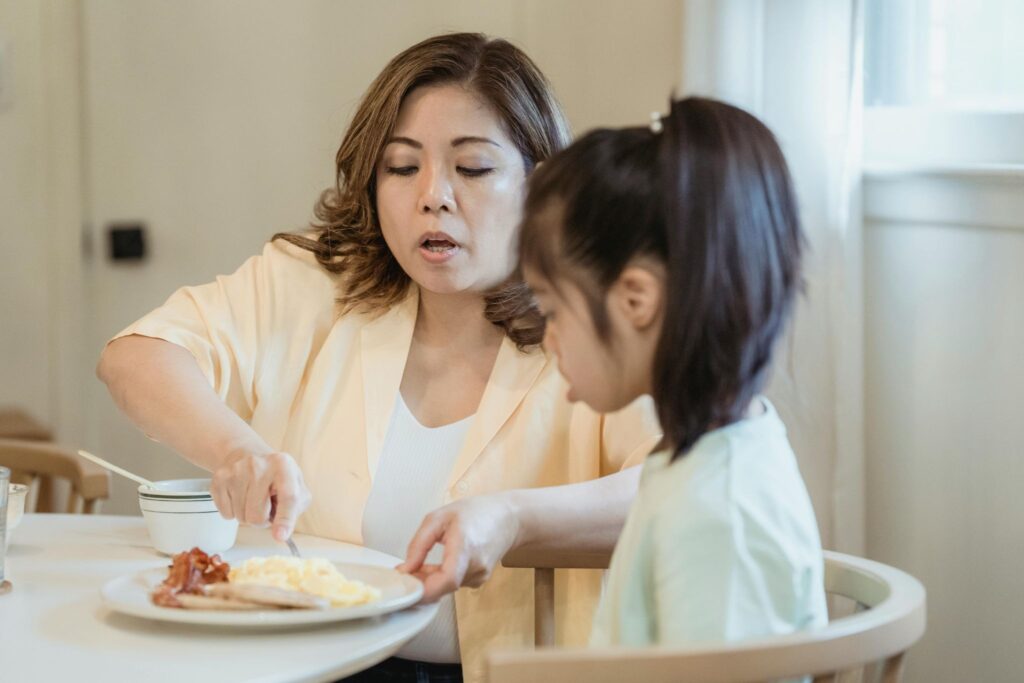
Утренний завтрак, мама поправляет «мой мама красивая» на «моя мама». Маша обижается. По ее логике она сказала правильно, «my mom», все же одинаково.
В русском не одинаково. Притяжательные местоимения «мой», «твой», «наш», «ваш» меняются под существительное. Мой папа. Моя мама. Мое окно. Мои родители. Каждый раз ребенок должен помнить, какого рода слово, к которому он приделывает «мой». Английский об этом не заботится никогда. Поэтому «мой мама», «мой кукла», «моя папа», стандартный набор ошибок в шесть лет.
Лекарство простое. Повторение пар в живых диалогах. Не на уроке, а на кухне. Мой брат, моя сестра. Мой суп, моя каша. Через неделю мозг ребенка начинает делать согласование сам.
У Маши с притяжательными есть и второй подвох. Местоимения «его», «ее», «их» в русском не меняются вообще. Никогда. Его папа, его мама, его окно. Ее папа, ее мама, ее окно. Их папа, их мама, их окно.
Почему так. Потому что «его», «ее» и «их» в роли притяжательных это те же самые формы родительного падежа от «он», «она», «они», только в другой работе. Одна словоформа делает два дела сразу. Одно как местоимение в падеже («его не было дома»). Другое как выражение принадлежности («его книга»). И в обеих ролях форма не меняется. Любой филолог влюбляется в этот парадокс.
Машу подвох не пугает, она наоборот рада. С «мой» приходится подбирать форму, а с «его» подбирать не надо. Маленькая тройка «его, ее, их» дает передышку.
Третья история Маши связана с куклой. Маша держит куклу в руках и спрашивает: «Где он?» Мама поправляет: «Она. Кукла она». Маша моргает. По ее логике, кукла это не живое существо, значит, она должна быть «оно», как it в английском.
Но в русском неживое тоже имеет род. И назначается этот род по окончанию слова, а не по смыслу. Кукла оканчивается на «а», род женский, значит «она». Стол на согласный, мужской, «он». Окно на «о», средний, «оно». Маше эта система кажется странной, но через год она перестает спрашивать «где он?» про куклу.
И последний эпизод дня. Бабушка приехала в гости и привела с собой подругу. Подруга смотрит на Машу и говорит: «А вы умница, в школу ходите?» Маша оглядывается, не понимая, к кому обращение. К ней одной. По-английски «you» работает и на одну, и на много. По-русски одно «ты» к младшему, а «вы» либо к нескольким, либо к одному с уважением. Третий тип ошибки. Маша еще года два будет недоумевать, почему незнакомая тетя говорит ей «вы», как будто их много.
Майкл из Сан-Франциско

Майкл женился на Свете два года назад. Когда родился сын, Майкл понял, что не сможет говорить с ребенком на втором языке семьи, если не разберется с русским всерьез. Купил подписку на приложение, нашел репетитора, стал заниматься каждый вечер по часу. Учит Russian pronouns помимо прочего.
Личные местоимения у Майкла пошли быстро. Я, ты, он, она, оно, мы, вы, они. Восемь слов, без подвохов. На второй неделе он уже понимал базовые фразы. «Я люблю», «Ты понимаешь», «Они придут».
Падежи начались на втором месяце. Майкл говорит, что в этой точке отчаялся. В английском местоимение I это всегда I, неважно, где оно стоит. В русском «я» вдруг становится «меня», «мне», «мной», «обо мне» в зависимости от того, что происходит вокруг. Шесть форм для каждого личного местоимения. Восемь местоимений. Майкл сел за стол и пересчитал. Сорок восемь форм только для базы.
«У меня есть» кажется такой простой английской «I have». А подставь сюда другое лицо, и начинается. У тебя есть, у него есть, у нее есть, у нас, у вас, у них. И почему-то после предлога «у» появляется буква «н» перед «он», «она», «они». У него. У нее. У них. Без буквы «н» получится школярское «у его», которое в живой речи режет слух.
Майкл записал этот эффект отдельно. После предлога идет «н». Без предлога этого «н» нет. «Его книга» (без предлога). «У него есть книга» (с предлогом). «Ее ребенок». «К ней приехал ребенок». Этот «н» автоматически вылезает перед «он», «она», «они» в косвенных падежах после большинства предлогов. Машинальная вещь, которую все носители делают, не задумываясь, и которую все билингвы и иностранцы первое время пропускают.
С притяжательными у Майкла было легче. Он уже знал, что «мой» меняется по родам, как Машино «мой мама». А вот склонение «мой» по падежам Майкл просто заучил. Мой, моего, моему, моего, моим, о моем. Это почти как «новый, нового, новому, нового, новым, о новом». Если уже понимаешь, как склоняется «новый», то «мой» подберется сам.
И финальная победа Майкла была на третьем месяце. Он впервые попросил у свекрови соли за столом без запинки. «Передайте мне, пожалуйста, соль». Дательный падеж от «я», правильное обращение на «вы». Свекровь улыбнулась и передала.
Майкл говорит, что секрет был не в зубрежке таблиц. Секрет в том, что каждое местоимение он привязал к конкретной ситуации в семье. «Меня» закрепилось, когда жена зовет к ужину. «Мне» когда сын просит игрушку. «Со мной» когда выходим на прогулку. И вот так, через быт, склонение садится прочно.
Склонение личных местоимений
| Падеж | я | ты | он, оно | она | мы | вы | они |
|---|---|---|---|---|---|---|---|
| Именительный | я | ты | он, оно | она | мы | вы | они |
| Родительный | меня | тебя | его (него) | ее (нее) | нас | вас | их (них) |
| Дательный | мне | тебе | ему (нему) | ей (ней) | нам | вам | им (ним) |
| Винительный | меня | тебя | его (него) | ее (нее) | нас | вас | их (них) |
| Творительный | мной | тобой | им (ним) | ей (ней) | нами | вами | ими (ними) |
| Предложный | обо мне | о тебе | о нем | о ней | о нас | о вас | о них |
Формы в скобках (него, нее, нему, ней, ним, ними, них) используются после предлогов. У него, к ней, с ними, о нем.
Склонение притяжательных местоимений (на примере «мой»)
| Падеж | мой (м.р.) | моя (ж.р.) | мое (с.р.) | мои (мн.ч.) |
|---|---|---|---|---|
| Именительный | мой | моя | мое | мои |
| Родительный | моего | моей | моего | моих |
| Дательный | моему | моей | моему | моим |
| Винительный | мой / моего | мою | мое | мои / моих |
| Творительный | моим | моей | моим | моими |
| Предложный | о моем | о моей | о моем | о моих |
Местоимения «твой», «свой», «наш», «ваш» склоняются по тому же образцу. Местоимения «его», «ее», «их» в роли притяжательных не склоняются вообще, везде используется одна и та же форма.
Склонение указательных местоимений (на примере «этот»)
| Падеж | этот (м.р.) | эта (ж.р.) | это (с.р.) | эти (мн.ч.) |
|---|---|---|---|---|
| Именительный | этот | эта | это | эти |
| Родительный | этого | этой | этого | этих |
| Дательный | этому | этой | этому | этим |
| Винительный | этот / этого | эту | это | эти / этих |
| Творительный | этим | этой | этим | этими |
| Предложный | об этом | об этой | об этом | об этих |
Местоимение «тот» склоняется по тому же образцу: тот, того, тому, того/тот, тем, о том. Для женского рода и множественного числа аналогично «эта» и «эти».
Алекс из Бруклина
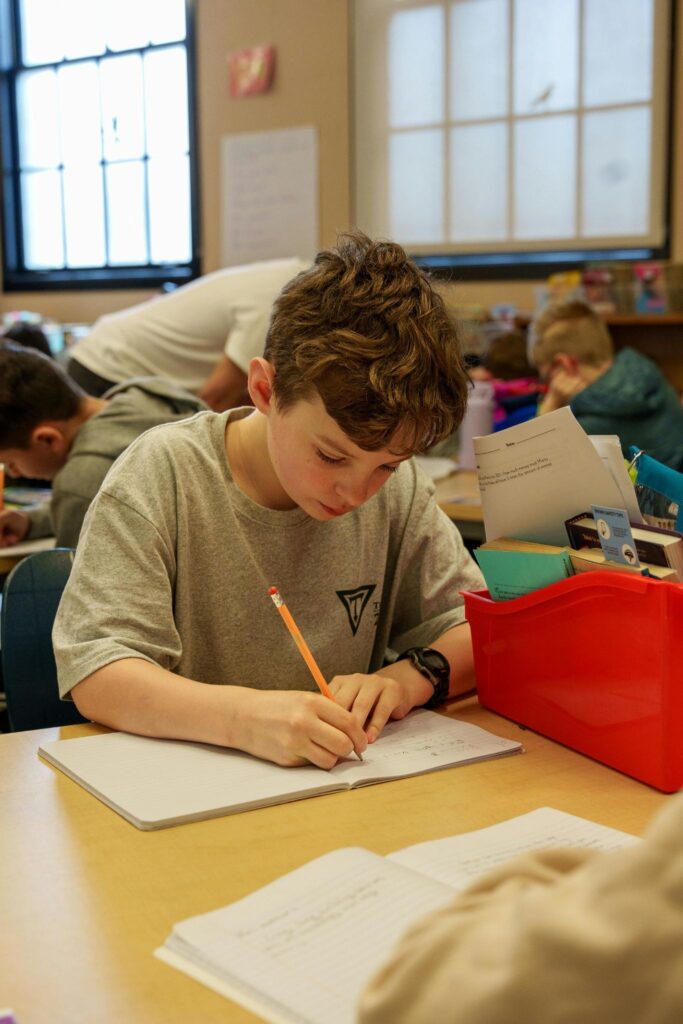
Алексу девять. Он родился в США, мама приехала из Питера двадцать лет назад. Алекс говорит по-русски свободно, бегло, но грамматику в речи ловит интуитивно, без объяснений. На воскресных уроках в русской школе виден весь набор типичных ошибок мальчика-билингва.
Самая частая ошибка та же, что у Маши. «Мой мама». Дома Алекс говорит так с трехлетнего возраста, и до сих пор иногда соскакивает. Лечится терпеливо, повторением в живых диалогах. Учительница говорит «моя мама», Алекс повторяет «моя мама». Через пять-десять раз эта пара садится в память.
Вторая ошибка про букву «н». Алекс говорит «у его есть собака», вместо «у него». Это сигнал того, что мальчик уже использует косвенные падежи, но еще не освоил правило про «н» после предлога. На это уходит больше времени, чем на «мой/моя».
Третий эпизод. Алекс упорно называет куклу «он», а телефон «она». В английском it никак не различает род у предметов, и Алекс, не имея этой опоры, назначает род как придется. Помогает не зубрежка, а внимание к окончанию слова. «Кукла» оканчивается на «а», женский. «Телефон» оканчивается на согласный, мужской. Окончание подсказывает род надежнее, чем смысл предмета.
Иногда Алекс выдает фразу вроде «Это его книга есть». Английский всегда хочет глагол to be. Русский в настоящем времени глагол спокойно опускает. «Это его книга», и все. Без «есть» в конце. Эта ошибка тоже из тех, которые исправляются через многократное проговаривание.
И последнее, что у Алекса пока не получается надежно. Путаница между «свой» и «мой». Однажды на уроке он написал «Я люблю мой мама» вместо «Я люблю свою маму». Учительница объяснила: «Свой» работает в случаях, когда подлежащее и владелец это одно и то же лицо. Я взял свою сумку, а не мою сумку. Алекс кивнул, понял теоретически. На практике переключение между «свой» и «мой» осваивается обычно уже к школьному возрасту, и Алексу еще год-два до полной свободы.
А вот указательные местоимения у Алекса проблем не вызывают. В магазине игрушек он легко показывает на медведей: «Этот мишка большой, а тот маленький». Указательные местоимения работают через противопоставление близкого и дальнего. Этот близко, тот далеко. Этот мишка, эта кукла, это пианино, эти машинки. Аналогично «тот, та, то, те». В английском обычно this и that, и в этой зоне русский ничем не удивляет. Согласование по родам и числам у указательных строгое, но привычка к нему приходит вместе с навыком слышать русские окончания.
Типичные ошибки билингвов с местоимениями
Список собран из реальных историй детей-эмигрантов 6-9 лет, которые учатся в школах США и Канады. У каждой ошибки своя логика, связанная с переносом английской системы на русскую. Все они проходят через 2-3 месяца регулярной практики дома или с педагогом.
| Что говорит ребенок | Как правильно | Что произошло |
|---|---|---|
| Мой мама красивая | Моя мама красивая | Родовое несогласование притяжательных. В английском «my» одинаково для всех, и ребенок выбирает форму мужского рода по инерции. |
| Мой кукла любимая | Моя кукла любимая | Тот же тип. Лечится повторением пар «мой папа, моя мама» в живых ситуациях. |
| У его есть собака | У него есть собака | Потеря буквы «н» после предлога. Местоимения третьего лица после большинства предлогов получают «н» в начале. |
| К ее пришел друг | К ней пришел друг | Тот же эффект. С предлогом «к» правильно «к ней», без предлога «ее книга». |
| Где он? (про куклу) | Где она? (про куклу) | Перенос английского it на русскую систему рода. В русском у любого существительного есть род, определяемый по окончанию слова. |
| Телефон она звонит | Телефон он звонит | Тот же сбой в восприятии грамматического рода. «Телефон» оканчивается на согласный, значит «он». |
| Это его книга есть | Это его книга | Лишний глагол «есть» в настоящем времени. Английский всегда хочет to be, русский в настоящем времени глагол спокойно опускает. |
| Я люблю мой мама | Я люблю свою маму | Двойная ошибка. Путаница между «свой» и «мой» плюс несогласование рода. «Свой» используется, когда подлежащее и владелец это одно и то же лицо. |

Три разные истории, Маша, Майкл и Алекс, показывают одну общую закономерность. Между английским и русским местоимения работают очень по-разному. Согласование по родам, склонение по падежам, особые формы после предлогов, разделение «ты» и «вы», парадокс с «его, ее, их» — все это в английском или отсутствует, или работает иначе.
Хорошая новость в том, что местоимения это закрытый список. Их всего около двадцати, и каждое можно отработать в реальных диалогах за пару месяцев регулярной практики. Если хочется потренировать местоимения с педагогом, в Palme School первый урок бесплатный. Записаться можно на странице школы для билингвов или русского как иностранного.
Сколько местоимений в русском языке
В базовой школьной программе разбирают около двадцати местоимений. Восемь личных, семь притяжательных плюс отдельное возвратно-притяжательное «свой», четыре указательных. Остальные группы (вопросительные, отрицательные, неопределенные и возвратные) обычно изучают отдельно. Если считать с учетом всех падежных форм, наберется около сотни разных слов. Полную таблицу склонения лучше держать перед глазами как справочник, особенно на первом году изучения языка.
Почему «он» и «она» в русском относятся не только к людям
В русском у каждого существительного есть грамматический род. Определяется он в основном по окончанию слова. Стол, дом, мяч заканчиваются на согласный, это мужской род, и они «он». Кукла, книга, машина женского рода, и они «она». Окно, поле, время среднего, «оно». Это не зависит от того, живое существо перед нами или предмет.
Как сказать «у меня есть», «у тебя есть», «у него есть»
Конструкция «у + кого-то + есть» в русском выражает принадлежность. «У меня есть книга» это эквивалент «I have a book». При этом местоимения после предлога «у» меняются. От «я» получается «у меня», от «ты» «у тебя», и так дальше через все восемь местоимений. И важная деталь, в которой ошибаются почти все билингвы. Местоимения третьего лица после предлога получают букву «н». У него, у нее, у них. Без буквы «н» получится школярское «у его», которое в живой речи сразу режет слух.
Когда «Вы» пишется с большой буквы
Прописная буква в местоимении «Вы» применяется в строго официальных контекстах. Это деловое письмо генеральному директору, приглашение на церемонию, обращение к президенту в публичной речи. В личной переписке между знакомыми, даже если общение на «вы», местоимение пишется со строчной буквы. И когда речь идет о группе людей, тоже всегда строчная, потому что вежливая форма с прописной для множественного числа не работает.
Чем отличаются «свой» и «мой»
«Мой» обозначает принадлежность говорящему. «Свой» обозначает принадлежность подлежащему предложения. Если подлежащее это сам говорящий, разница стирается. «Я взял свою сумку» и «Я взял мою сумку», оба варианта понятны, хотя «свою» предпочтительнее. А вот в третьем лице разница становится критичной. «Маша взяла свою сумку» (свою собственную) и «Маша взяла ее сумку» (чужую). Это два разных события.