

Petersburg stands on water, and water is the main architect here. The city is cut through by rivers and canals, its palaces gaze into the Neva, bridges soar above the water at night, and the ghostly light of the White Nights turns the embankments into theatrical scenery. This city didn't grow on its own, over centuries and at random; it was conceived and built as a grand portrait of an empire, and that's why it is so stately and so beautiful. In three days, you can manage to examine this portrait up close, and up close it turns out to be even better than in postcards.
Those who search for "St. Petersburg tourist attractions" or wonder "what to do in St. Petersburg" usually get a plethora of names, from cathedrals to museums, and have little idea how to fit it all into a short trip. Meanwhile, St. Petersburg has its own clear logic, and if you follow it, three days will fall into place on their own. One day for the city's grand facade, its squares, avenues, and cathedrals. One day for the great treasury, the Hermitage, and for the fortress where it all began. And one day for suburban luxury, for the palaces and fountains of the suburbs. This is the plan we will follow.
City drawn on water
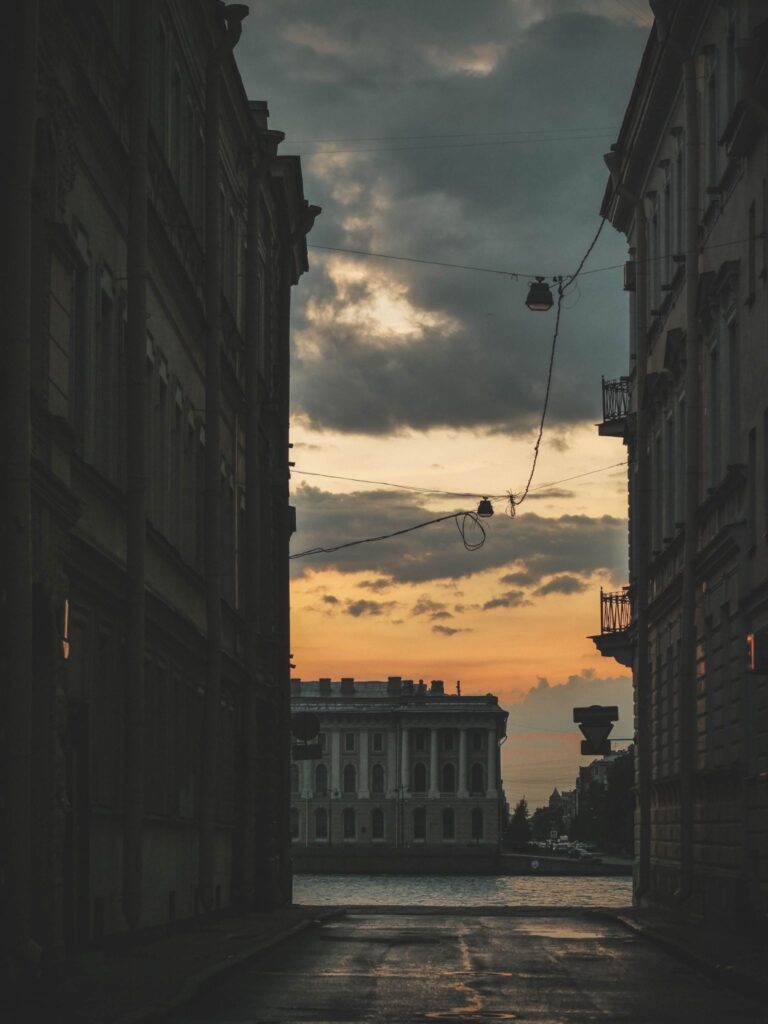
For St. Petersburg to reveal itself, it's useful to understand its unique character from the very beginning. It's a city of design, a city of blueprints, built by Peter's will on the marshy banks of the Neva as a new capital and a window to Europe. It lacks Moscow's centuries-old diversity and crampedness; on the contrary, everything here is subordinate to line and ensemble: straight avenues, measured squares, continuous facades along the water. This is why St. Petersburg is often called the most European of Russian cities and an open-air museum.
In this museum, water is not just decoration, but its soul. The Neva with its granite embankments, countless rivers and canals, islands and bridges – all of this creates that very St. Petersburg mood, strict and romantic at once. Therefore, on any of the three days, it's worth walking along the water for at least a little while or taking a boat trip along the canals. The city shows itself best from the water. It's convenient to keep your itinerary for each day in front of your eyes in a separate table.
St. Petersburg in Three Days. Itinerary
| Day | Subject | Main places |
|---|---|---|
| Day 1 | City's main entrance scene | Palace Square, Nevsky Prospekt, Kazan Cathedral, St. Isaac's Cathedral, the Bronze Horseman, Church of the Savior on Spilled Blood |
| Day 2 | Hermitage and Fortress | Hermitage, Peter and Paul Fortress, views of the Neva River |
| Day 3 | Country luxury | Peterhof with its fountains or Tsarskoye Selo with the Amber Room |
Day one, the city's ceremonial scene
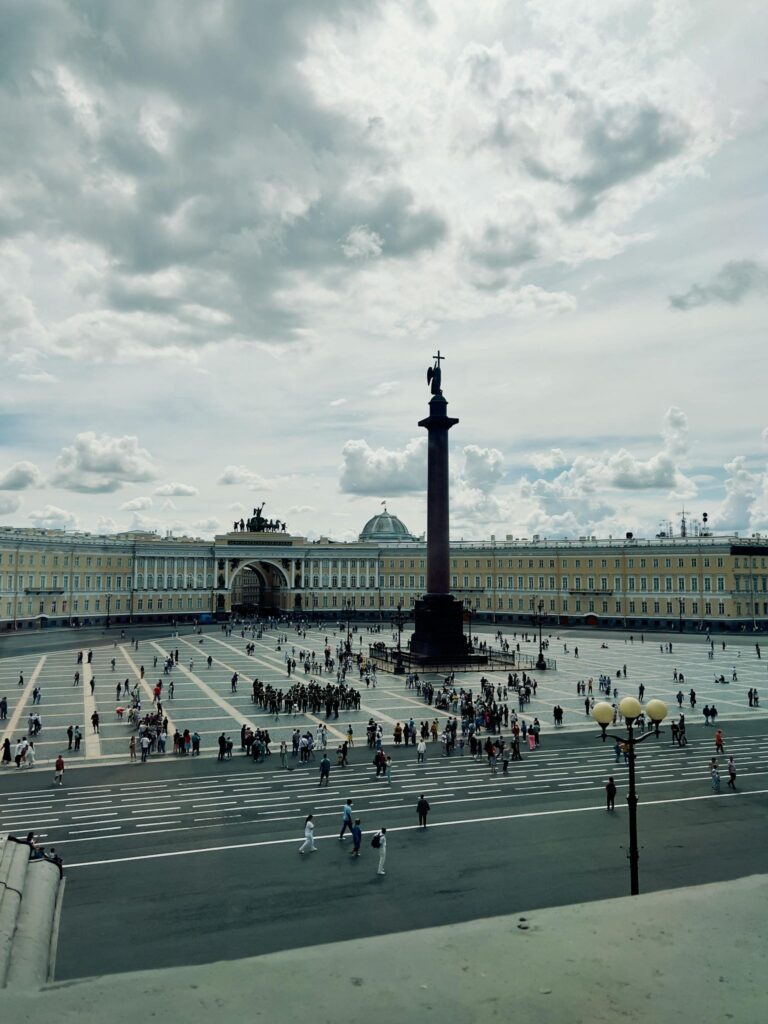
Let's start our acquaintance with the most ceremonial place, Palace Square, the city's main square and one of the most beautiful in the world. It is closed off by the turquoise Winter Palace, the former residence of the emperors, and in the middle stands the Alexander Column. From here, it's a stone's throw to Nevsky Prospekt, the city's main street, where you can walk and walk, admiring palaces, churches, and old trading houses. Nevsky also features the majestic Kazan Cathedral with its sweeping colonnade.
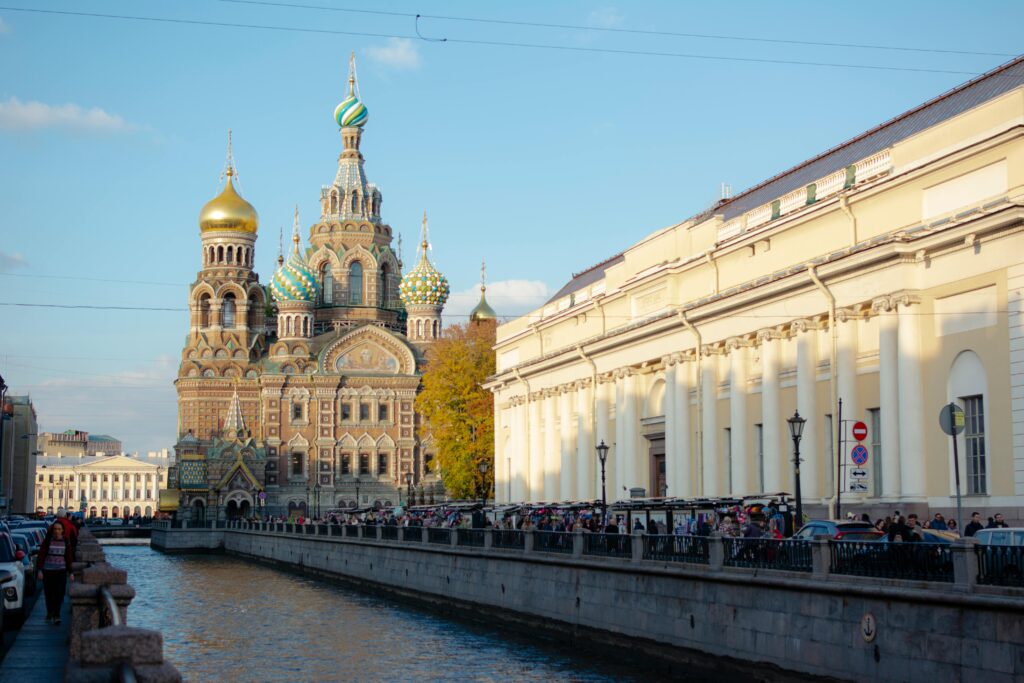
Next, the path leads to St. Isaac's Cathedral, a giant with a golden dome visible from afar. You can climb to its colonnade, and from the top, a wonderful view of the city's rooftops and domes opens up. Nearby, on the Neva River, stands the Bronze Horseman, Peter the Great's famous monument immortalized by Pushkin, depicted on a rearing horse. To cap off the day, visit the Church of the Savior on Spilled Blood, a magnificent temple with colorful domes that is reflected in the waters of the Griboyedov Canal. Thus, in one day, you'll experience all of St. Petersburg's grand classical landmarks. And in the evening, if the weather permits, take a boat trip and see everything you've witnessed once more, but from the water: the palaces and cathedrals drifting by in the twilight or pale white night light are perhaps the most vivid memories of all.
Day two, Hermitage and the fortress
The second day should be almost entirely devoted to the Hermitage, and this is a case where rushing is inappropriate. The Hermitage is among the greatest museums on Earth, and its collection is truly bottomless, from antiquities of the ancient world to canvases by old European masters, and in addition, the interiors of the Winter Palace themselves, throne rooms and galleries that remember the footsteps of emperors. You can wander here from morning until closing and still leave with the feeling that you've only peeked through a slightly ajar door. Therefore, it's wiser to choose in advance what you definitely want to see and not try to see everything.
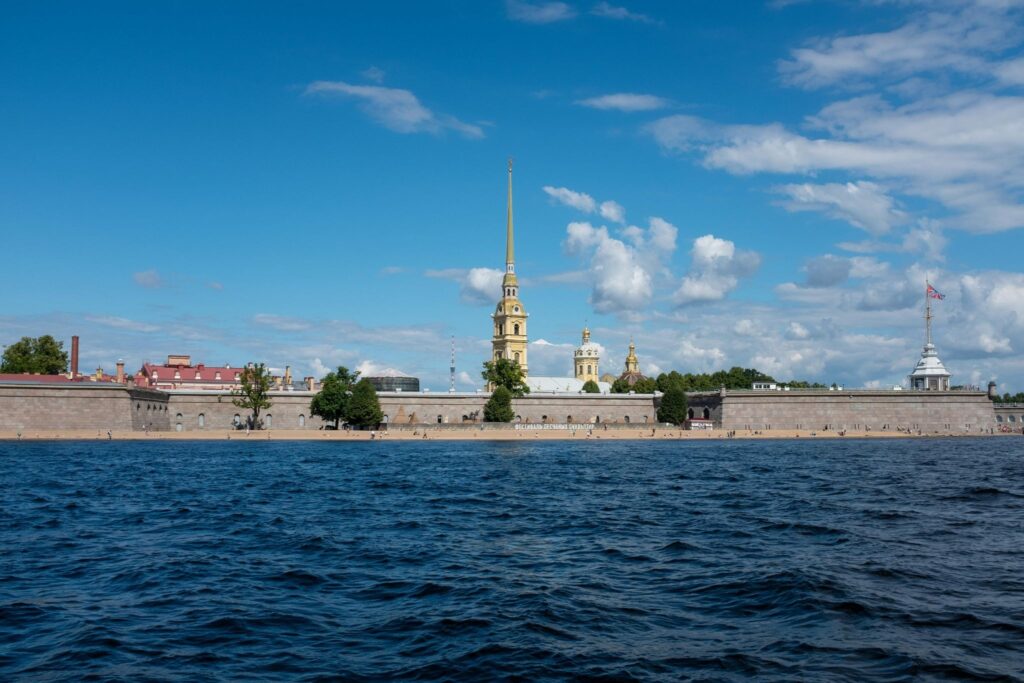
After the Hermitage, if you have the energy left, cross to the other bank of the Neva, to Peter and Paul Fortress. This is the very first structure in the city, the place from which St. Petersburg began. Above the fortress soars the slender gilded spire of the cathedral, where Russian emperors are laid to rest, and from the fortress walls, one of the best views of the Neva and the palaces opposite opens up. Here, you especially feel how young this city is by historical standards and how much it has accomplished.
Day three, country luxury
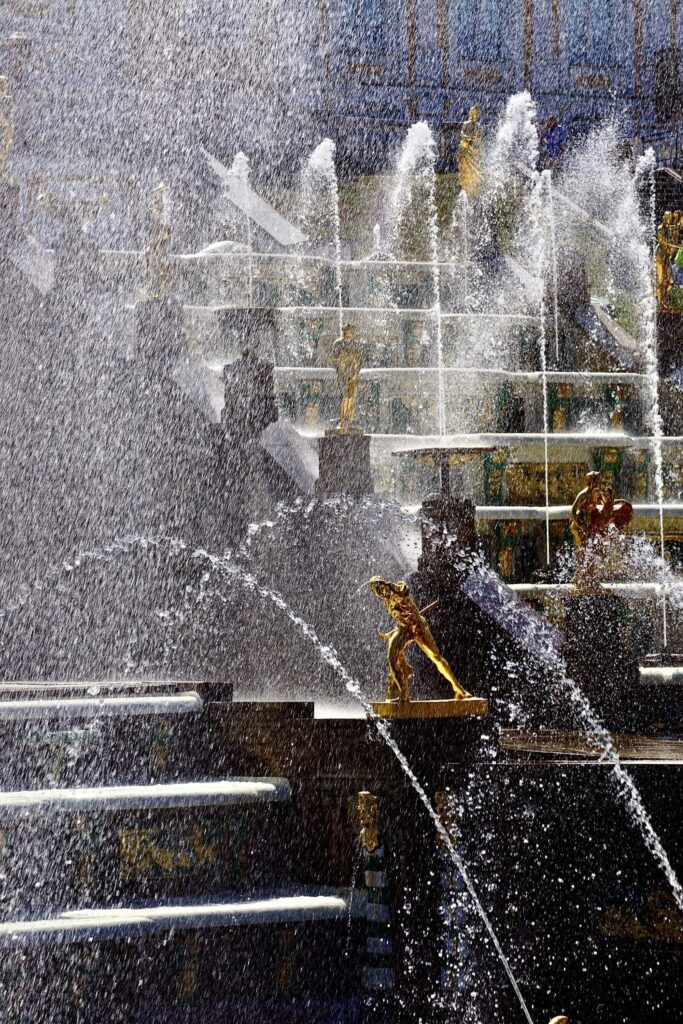
The third day should be dedicated to the suburbs, and the first on the list is Peterhof, a brilliant summer residence on the shore of the Gulf of Finland, often compared to Versailles. The main wonder of Peterhof is its fountains, dozens large and small, led by the golden Samson tearing open the lion's jaws. It's important to remember that the fountains operate during the warm season, so in winter Peterhof greets guests with quiet snow-covered parks and palaces, also beautiful, but in a completely different way.
A worthy alternative or addition, if time permits, is Tsarskoye Selo with its luxurious palace and the famous Amber Room, as well as the lyceum where the young Pushkin studied. The suburbs of Petersburg are a world in themselves, which can take more than one day to explore. But even one such trip shows the scale on which the empire was built and why these palaces and parks still amaze guests from all over the world.
White nights and drawbridges
St. Petersburg has a wonder that no other major European capital possesses: the White Nights. In early summer, the sun barely sets below the horizon, and in the deep of night, it's as bright outside as on a cloudy day. During these weeks, the city seems to never sleep at all: the embankments are full of strolling people, and the night itself transforms into a long, silvery evening. The bright nights last from roughly the end of May to the middle of July, and this is the most romantic time to visit.
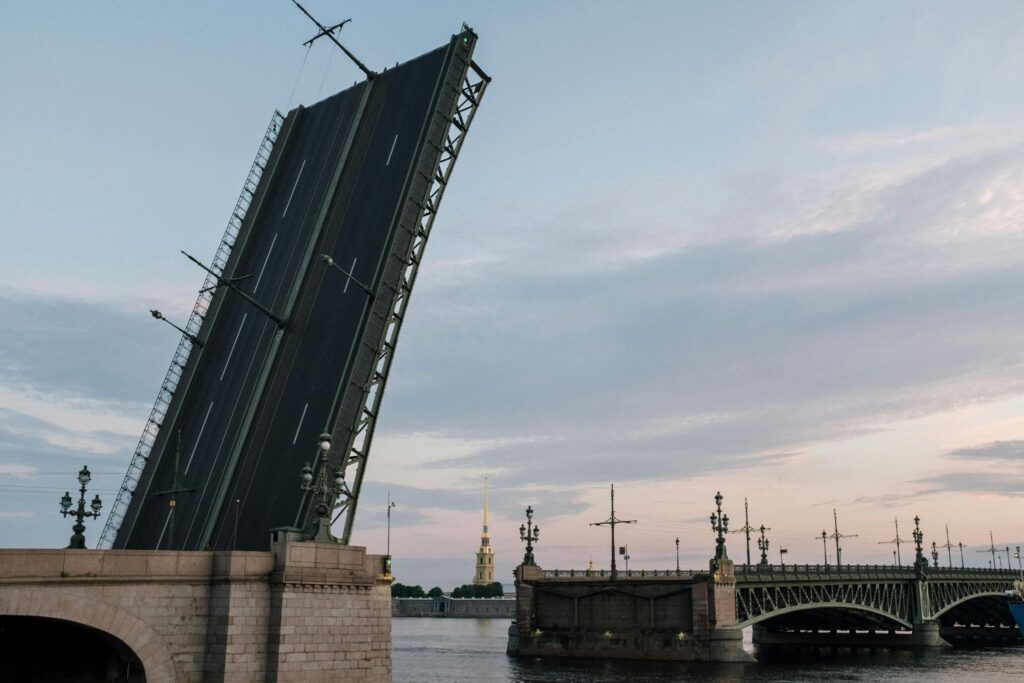
The second famous spectacle, the raising of the bridges, is also associated with the white nights. Late at night, the huge spans of the bridges over the Neva slowly rise into the sky, allowing ships to pass, and hundreds of people gather on the embankments to watch this performance. The sight is truly captivating, especially at the Palace Bridge against the backdrop of the bright sky. The bridges are raised during the navigation period, approximately from mid-spring to the end of autumn, so the spectacle is also available outside the white nights; you just have to admire it in the dark, in the glow of the lighting, which is also spectacular in its own way. However, in winter, when the Neva is frozen over and ships do not sail, the bridges are not raised at all; this is worth considering when planning a winter trip. The only thing nighttime strollers should remember is that raised bridges temporarily divide the city into parts, and if your hotel is on the other side of the Neva, you could easily find yourself cut off from it until morning. So, plan your nighttime walk with your side of the river in mind; it seems every guest of St. Petersburg has made this mistake at least once.
How not to drown in beauty

Petersburg can be tiring not because of its distances, but because of its abundance; there's so much beauty here that your eyes get tired before your feet do. That's why the main advice is the same as for any great city: don't chase quantity. You're better off with one Hermitage at a leisurely pace than three museums at a gallop. Build in breaks, sit in coffee shops, wander aimlessly along the canals; it's in these moments that Petersburg truly reveals itself.
It's also worth remembering the local weather, which is changeable and loves surprises, so keep an umbrella or raincoat handy even in summer. Comfortable shoes are a must; you'll be doing a lot of walking. And the St. Petersburg metro, one of the deepest in the world, will not only get you where you need to go but also deserves a look in itself; many of its stations are as beautiful as palace halls. And don't forget about the boats: a boat trip along the rivers and canals is perhaps the most Petersburg way to see the city.
The city also has its own seasonal truth. Summer with its white nights is the peak of beauty and the peak of guests at the same time, so be prepared for crowds. Early autumn offers golden suburban parks and is more tranquil. Winter Petersburg is strict, snowy, and uncrowded; it has its own severe charm, although the days are short. In short, there is perhaps no bad time for this city; it has different moods, and which one to choose is a matter of taste.
White Nights and Seasons of Petersburg
The dates are approximate and change slightly from year to year.
| When | What to expect |
|---|---|
| Late May - Mid-July | White nights, the brightest and most romantic weeks, peak season for visitors |
| From mid-spring to the end of autumn | Navigation, bridge openings at night, Peterhof fountains during the warm season |
| Winter | Snowy, stern, and sparsely populated city, bridges don't open, fountains don't work |
The city of Pushkin and Dostoevsky
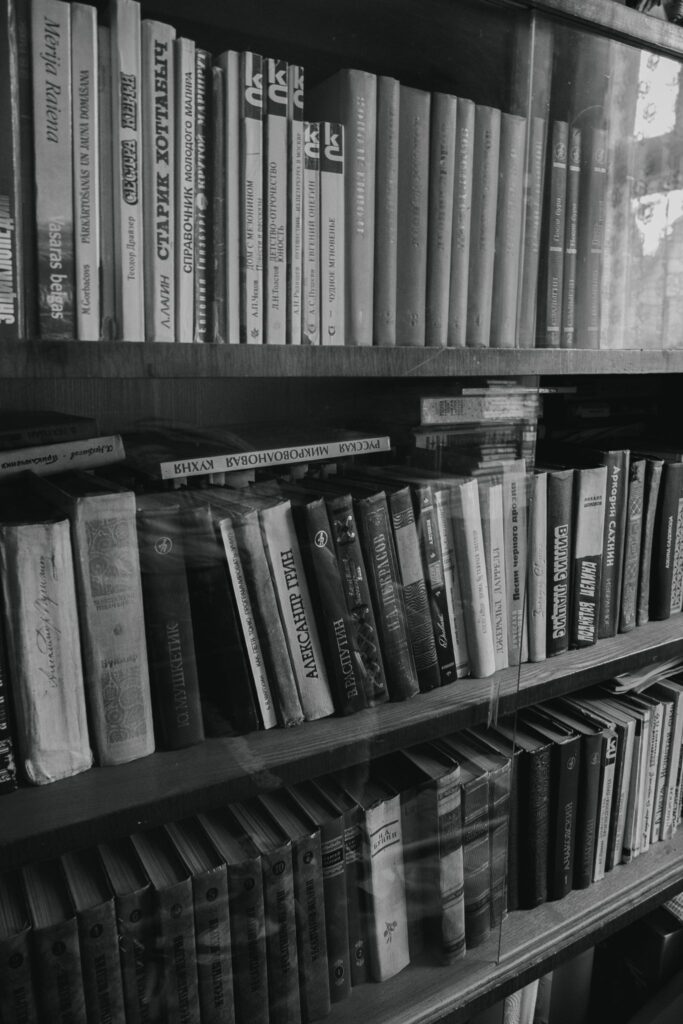
Saint Petersburg has another dimension that cannot be seen on postcards; it is a city of great literature. Here, Raskolnikov, the hero of Dostoevsky's «Crime and Punishment,» paces through the courtyards. It was on these embankments that Gogol's characters met their eccentrics. Pushkin's poem «The Bronze Horseman» is dedicated to Saint Petersburg, and the Petersburg chapters of «Eugene Onegin» are also set there. No matter where you turn in the center, the street will belong to someone, inhabited by one of the classics, so that for a well-read person, a city walk replaces flipping through favorite books.
For those who already have Russian classics in their family history, the city will offer a special pleasure of recognition: here is the house where Pushkin lived, here are the courtyards where Raskolnikov wandered, and here is the very horseman who came to life in the famous poem. And if you haven't gotten around to classiscs yet, Petersburg can be the best invitation to them, because after seeing such a city, books about it are read completely differently. The city and literature here illuminate each other, and this is a special gift of Petersburg.
Petersburg Through the Eyes of a Child

St. Petersburg reveals itself to children in its own way, and they certainly don't get bored here. The town's waterways and ships usually impress young travelers the most: a boat trip along the canals, a cruiser by the embankment, a fortress with a real cannon that fires at noon. In Peterhof, children are delighted by the trick fountains that suddenly douse unsuspecting visitors, a prank invented by Peter himself.
To prevent the urban landscape from blurring into an endless wall of palaces for a child, bring it to life with stories. Why is the equestrian statue made of bronze and who is depicted on it, why does the city have so many bridges and why do they open at night, who lives in the Hermitage besides paintings? And by the way, famous Hermitage cats live there, protecting the museum from mice for centuries. Such stories turn a walk into an adventure, and St. Petersburg will be remembered by a child not as a jumble of buildings, but as a city of wonders.
Why should a child growing up far away know St. Petersburg?

St. Petersburg occupies a special place in Russian culture: it is the city of Pushkin and Dostoevsky, the city of the Hermitage and the White Nights, without which it is impossible to tell the country's history. For a child whose family is from Russia, it becomes one of those images through which a distant country gains a face. And it doesn't matter if the trip happens soon or remains a dream; one can get to know this city now, through books, films, and family stories, and this acquaintance, in itself, brings one closer to the culture.
At Palme School, we are convinced that language lives precisely this way, through cities, stories, and images, not just through exercises. In our classes, children discover St. Petersburg and much more that lies behind the Russian word. We teach children from four to seventeen years old: for those with Russian roots, we await you. Program for bilinguals, and for those who find language comes easily foreign, A separate course will work. Online format, small groups, lessons are forty minutes long.
You can check if it's suitable for your child for free. The school offers two trial lessons. During the first, a methodologist gets acquainted with the child, assesses their level, and explains the program. The second is a full lesson in a group, with a teacher and other children. After these, it's immediately clear how comfortable the child is in the Russian environment and what interests them most.
In short
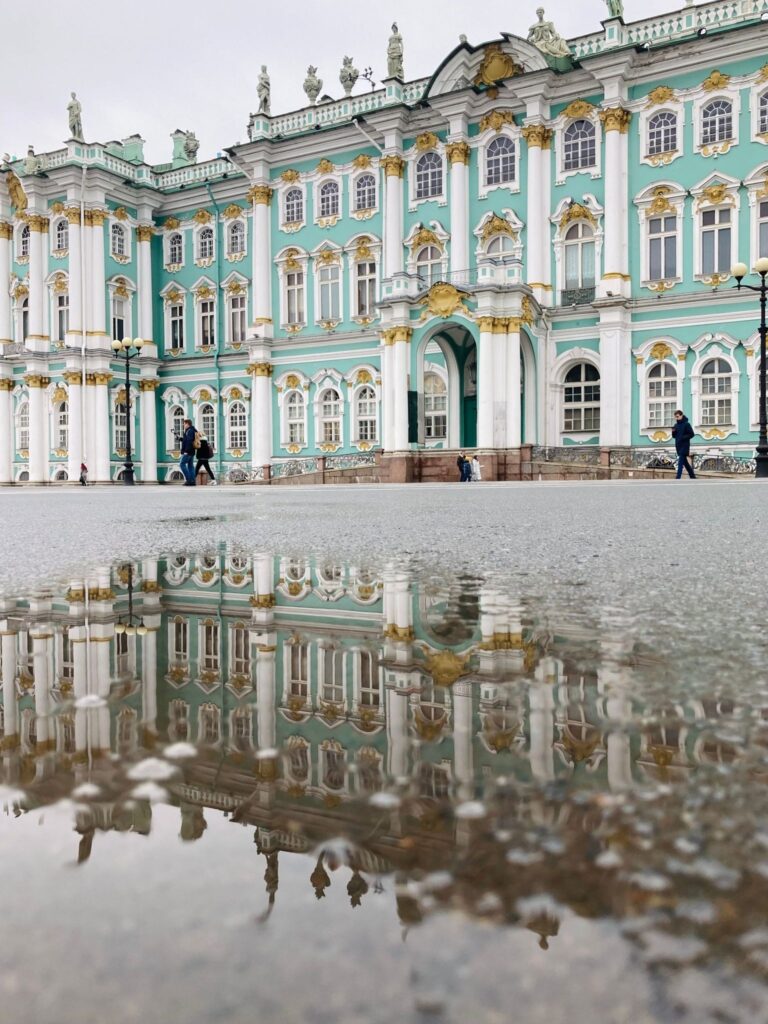
St. Petersburg is a city of concept, drawn on water, and three days in it should be structured according to its own logic. Dedicate the first day to the ceremonial scene, Palace Square, Nevsky Prospekt, St. Isaac's Cathedral, and the Church of the Savior on Spilled Blood. The second day should be dedicated to the Hermitage, without rushing, and then cross over to the Peter and Paul Fortress, where the city was born. Leave the third day for suburban luxury, for Peterhof with its fountains or Tsarskoye Selo. If you are lucky enough to visit during the White Nights, you will also experience the main St. Petersburg wonder, the bright nights with the bridges opening over the Neva. And for a child growing up far from Russia, a story about this city offers another vivid image of the country that lies behind their family's language, and another reason to love that language.
Here's what you absolutely must see in St. Petersburg: * **The Hermitage Museum and Winter Palace:** One of the largest and oldest museums in the world, home to an incredible collection of art and artifacts. The opulent state rooms of the Winter Palace are a sight in themselves. * **Peterhof Palace and Gardens:** Known as the "Russian Versailles," this stunning palace complex is famous for its magnificent fountains, especially the Grand Cascade. * **St. Isaac's Cathedral:** A colossal cathedral with a breathtaking dome offering panoramic views of the city from its colonnade. * **Church of the Savior on Spilled Blood:** An iconic church with vibrant mosaics and intricate architecture, built on the site where Emperor Alexander II was assassinated. * **Nevsky Prospekt:** The city's main avenue, bustling with shops, cafes, theaters, and historic buildings. It's perfect for a stroll and soaking in the atmosphere. * **Peter and Paul Fortress:** The original citadel of St. Petersburg, housing the burial tomb of Russian emperors and the Peter and Paul Cathedral. * **Catherine Palace and Park (including the Amber Room):** Located in Pushkin, this stunning palace is renowned for its lavish interiors, particularly the reconstructed Amber Room. * **Boat trip on the Neva River and canals:** Seeing the city from the water offers a unique perspective of its bridges and architecture, especially during the White Nights (summer). * **Mariinsky Theatre:** A world-famous opera and ballet theatre. Even if you don't see a performance, the building is impressive. * **Cruiser Aurora:** A historic warship docked on the Neva River, famous for its role in the October Revolution. These are just the highlights, but they offer a fantastic introduction to the beauty and history of St. Petersburg.
To put it concisely, you need to see three things: the grand center around Palace Square, the Hermitage itself, and at least one of the suburban palaces. The full list of places, broken down by day, is detailed in the article and compiled in the itinerary table. And let's add the most St. Petersburg experience of all, a boat trip along the rivers and canals.
Are three days enough for St. Petersburg?
Three days are enough for the main attractions if you plan them wisely. A convenient schedule would be: one day for the grand center with its squares and cathedrals, one day for the Hermitage and Peter and Paul Fortress, and one day for the suburbs. Of course, St. Petersburg is one of those cities you'll want to return to, but even in three days, it manages to show its character and make you fall in love with it.
How much time do you need for the Hermitage?
Half a day is the absolute minimum, and ideally, a full day. The museum is so large that you won't be able to see it all in one go, no matter how much you want to. Therefore, it's worth choosing the main things for yourself in advance and following your own route, calmly leaving everything else for your next visit. What exactly is there and why haste is ruinous is explained in more detail in the article.
White nights are a natural phenomenon that occurs in the polar regions during the summer.
This is the time at the beginning of summer when the sun in St. Petersburg hardly sets below the horizon, and it's bright on the streets at night. The White Nights last from about the end of May to mid-July. During this time, the city lives a special life, the embankments are full of people strolling until morning, and it is during the White Nights that the most romantic season in St. Petersburg occurs.
When are the bridges raised?
Bridges over the Neva River are raised late at night to allow ships to pass, but only during the navigation season, which is roughly from mid-spring to late autumn. In winter, when the river is iced over, the bridges are down. The spectacle is most beautiful during the White Nights, and the most famous sight is the raising of the Palace Bridge near the Hermitage. The schedule changes, so it's worth checking locally before your night walk.
Do the Peterhof fountains work in winter?
No, the fountains of Peterhof only operate during the warm season, approximately from late spring to mid-autumn. In winter, the parks and palaces are open, and snowy Peterhof is beautiful in its own way, but you won't see the main spectacle, the playing fountains with the golden Samson, during the colder months. If the fountains are a priority, it's worth planning your trip for the summer.
What is interesting for children in St. Petersburg?
Most children are usually impressed by anything related to water and ships: boat trips, the fortress with its midday cannon shot, and ships by the embankments. In Peterhof, they are delighted by the trick fountains that douse unwary visitors. Children also enjoy stories, such as those about the Hermitage cats, who have been guarding the museum from mice for centuries.
How does St. Petersburg differ from Moscow?
These are two completely different cities. Moscow is older, more diverse, and faster-paced; it grew for centuries around the Kremlin. St. Petersburg, on the other hand, was built with a single plan as the new capital, which is why it's more formal, more uniform, and considered the most European city in Russia. Moscow impresses with its energy and scale, while St. Petersburg captivates with its ensembles, water, and special atmosphere. The best answer to the debate about which city is better is to see both.
Why should a child know about St. Petersburg?
Petersburg is a huge layer of Russian culture, a city of Pushkin, the Hermitage, and the White Nights. Getting acquainted with it, even if initially remotely, through books and stories, helps a child see a living, beautiful, and interesting country behind the Russian language. Such images fuel interest in one's roots far better than any instructions and make the family's language truly native.