


Seven-year-old Alyosha returned from school. His mom met him: «Alyoshenka, how was your day?» He went to his room, and immediately his grandmother's call rang out: «Where's my Leshka? Call him.» A minute later, his dad from the kitchen: «Alexey, wash your hands.» And in his backpack lay a notebook with the inscription Alexey Smith. The American stepfather, who had just joined the family, looked and honestly asked his wife, "What are their real names, does each child have six names or what?".
This is not a question of the number of names. This is a question of closeness.

This «or what» is the main mystery of Russian names for those who didn't grow up speaking Russian. One person has the name Aleksandr in their passport, and the same person at home is Sasha, with friends Sanya, with grandma Sashenka, during arguments with their mother Aleksandr, on their work business card also Aleksandr, and in friendly banter Sashka. Seven versions of one person, and each works only in its own context. If you mix up the register, you'll notice it immediately. No one would say «Sashenka» to a colleague at work. No one would say «Aleksandr Viktorovich» to their wife in bed.
Russians perceive these nuances automatically. A child who grew up outside a Russian-speaking environment doesn't have this automaticity. For them, Sasha and Sashenka sound the same, as do Shurik and Sashka. An adult on the phone with their grandmother might accidentally say «Mashka» instead of «Masha» and not understand why their grandmother on the other end choked. Russian diminutives are not decorative wrapping; they are social navigation.
What is your mom's name at home, at work, and when she doesn't answer?
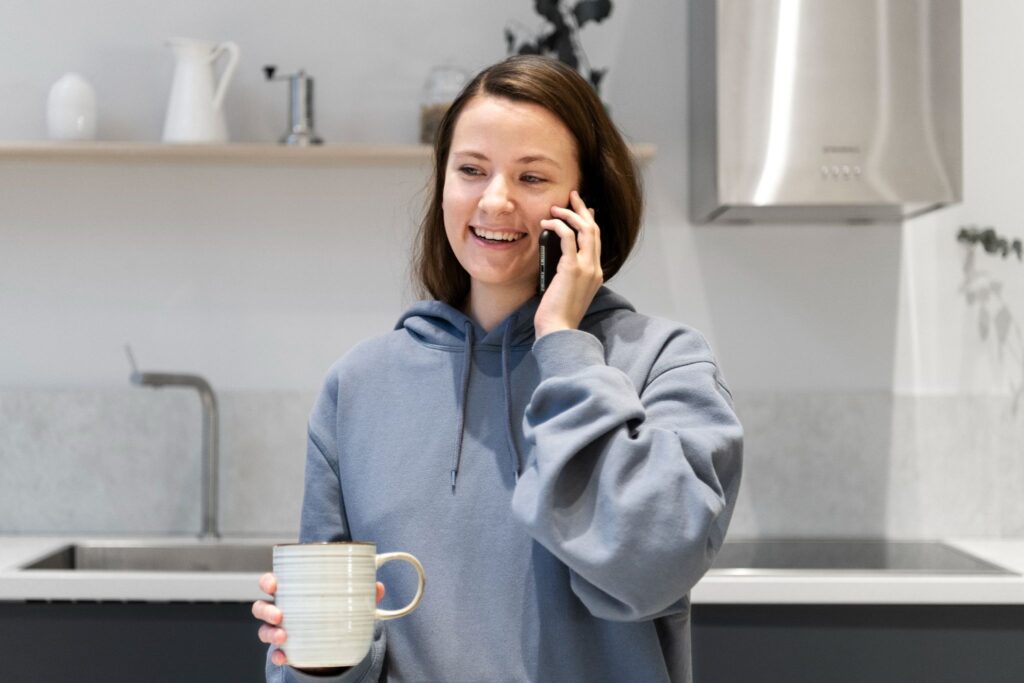
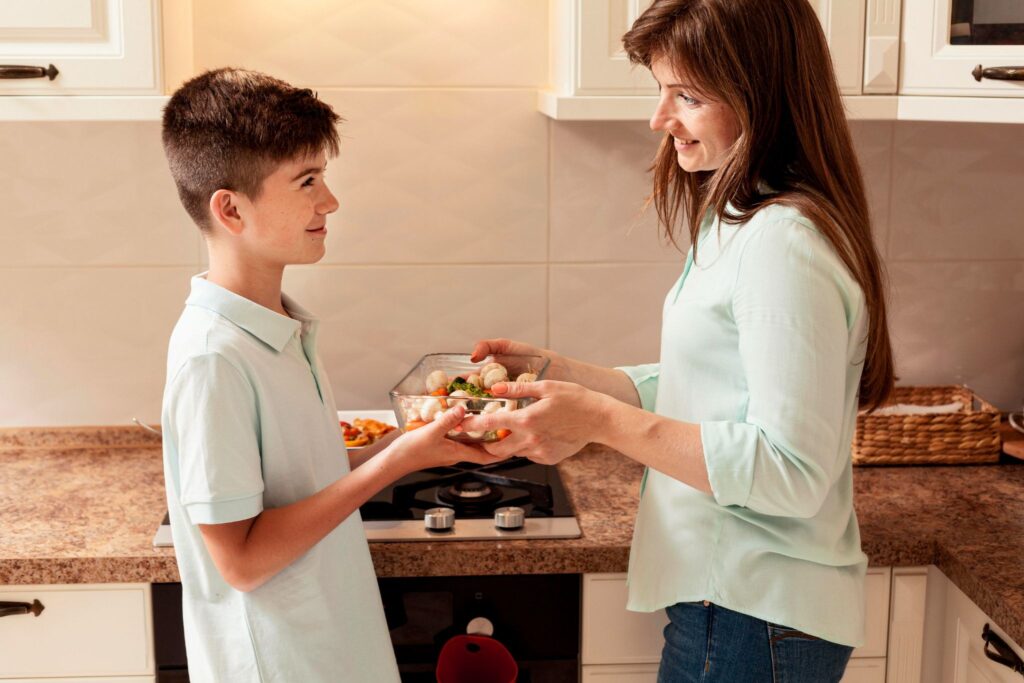
The woman's name is Ekaterina Sergeevna. At work, everyone calls her by her full name and patronymic. Younger colleagues might shorten it to Ekaterina without the patronymic, but rarely in her presence. Her friends from school always call her Katya, and at this age, there won't be any other options. At home, her husband also calls her Katya, or Katyusha in a good mood, Katenka when he's tired, and Katyushenka in a tender moment. Her son, if he wants to ask for something, says «mommy.» If he's offended, he also says «mommy,» but with a different intonation. Her teenage daughter, if they are arguing, will emphasize "mom." Just "mom," like a shot.
When Katya doesn't answer the call, her husband calls again and leaves a voicemail: «Katerina, pick up the phone.» This is no longer Katya. This is a signal: something is serious. Using someone's full name in Russian works like a red flag. If someone has called you Sasha your whole life, and suddenly says «Aleksandr,» it means the conversation won't be about the weather.
Many everyday scenes are built on this difference. Children notice it first: Mom is calm when she calls out «Dima,» but anxiety sets in when she says «Dmitry.» Conversely, the warmest-sounding versions of the name, «Dimochka» or «Dimulya,» come during moments that children remember for a long time. They were sick, lying with a fever, and Mom sat beside them, stroking their head and saying, «My Dimulya.» This is remembered more strongly than any «I love you.».
Alexander, Sasha, Sanya, Sashenka, Shurik
Five versions of one name, and each has its own inhabitant. The full Alexander is carried in the passport, on the business card, and at that precise moment when the mother is displeased. Sasha is for public, universal, suitable for everyone. From preschooler to pensioner. Sanya is closer to guys, in company, in jokes, in text messages with «Sanya, I'll come over.» Women can also say «Sanya,» but only to their husband or son in a relaxed setting. Sashenka is for home, tender, belonging to grandmothers and wives. If a colleague says Sashenka, someone here is not a colleague.
And then there's Shurik. This name has almost disappeared from everyday speech but lives on in quotes from «Operation Y.» Young people don't call themselves Shurik anymore. But in family traditions, where the grandfather was named this, the name might be passed down to a grandson. A foreign friend might ask, "Why is this guy named after a comedy character?" Grandmothers remember from the old days. movies, young people rarely use. The answer is simple: it happened historically.
Interesting point. The female name Alexandra gives almost the same set: Sasha, Sanya, Sashenka, Shura. That is, one «Sasha» in Russian can be both male and female. In conversation, this is usually clarified through verb endings. «Sasha said» (masculine): man. «Sasha said» (feminine): woman. This is a separate hassle for English speakers: in English, Sasha is usually female.
Maria, Masha, Manya, Marusya, Mashenka, Mashka
Maria has her own set of names. Masha is common, Mashenka is very warm and affectionate, Marusya is rustic and tender, almost like from an old song. If a woman introduces herself as «Marusya,» she has consciously chosen it. It isn't accidental. Manya is rare now, almost museum-worthy, but you can still hear it from grandmothers. Mashunya is for friends and close ones. Mashka is rough, but not always offensive. Among school friends, «Mashka, let's go» is fine. From a teacher, «Mashka, stand up» already sounds reproachful.
There is also "Maria-light," "Maria-spring," and other dual forms with an adjective from Maria. This is no longer colloquial, but poetic, and is found in folk songs and Russian fairy tales. It is not used in everyday speech, but children who have read Russian fairy tales remember it.
How are diminutives formed

There are no rules in Russian that can be hung on the wall. But there is a set of suffixes that add nuance. There are several of them, and each works in its own way.
-onka
Tenderness and warmth
Sashulya, Kolya, Katya, Masha
Grandmother to grandson, mother to child, wife to husband in good times. Not used at work.
-et'ka
Soft tenderness, lighter
Mashenka, Katechka, Sergey-chka, Dimochka
It sounds like -енька, but a bit more airy. It's more often said to children and girls.
ear
Hominess and coziness
Katya, Andrew, Ilya, Vanya
Between relatives and loved ones. It sounds warm, but without excessive sweetness.
-nyanya
Playfulness and affection
Dima, Masha, Sasha, Dasha
In couples and with small children. Between friends sounds too intimate.
Familiarity, simplicity
Sashka, Masha, Dimka, Kolka, Tanya
It's fine among friends. A bit rough with strangers. Could be accusatory with a child.
Lightness, almost a nickname
Dimmchik, Pashik, Liamchik, Davidik
Frivolous, playful. Often appears with foreign names in Russian families.
Sometimes suffixes pile up. Sasha becomes Sashenka, and Sashenka can become Sashenka-kotyonok (little kitten) or Sashulechka. The more suffixes, the warmer it feels. And the closer the relationship. By the fifth layer, it's almost baby talk between lovers, which no one but them can understand.
It's interesting that foreign names in Russian families also get diminutive forms. Emily becomes Emilka. Jacob turns into Yakob, and then into Yasha. David turns into Davidik or Dasha. An American mother will hear in a Moscow kindergarten that her son Noah is being called «Noechka,» and she'll be surprised. In Russian speech, it's a habit not to leave a name in its «bare» form.
Here are some nicknames for Sasha and other popular names: **Sasha:** * Sanya * Shura * Sashok * Sashulya **Alexander:** * Alex * Sasha * Shura * Sanya * Alexey * Lyosha * Alik * Sasa * Xander **Anastasia:** * Nastya * Nasyunya * Nastasya * Tasia * Asi * Stasya **Dmitry:** * Dima * Mitya * Dima * Dmitriy * Dima **Ekaterina:** * Katya * Katyusha * Katya * Katerina * Katrin * Katyunya **Ivan:** * Vanya * Vanyusha * Vanek * Vanyok * Van **Maria:** * Masha * Masha * Mashenka * Mary * Mariya **Nikolay:** * Kolya * Kolka * Nik * Kolyan **Sergey:** * Seryoga * Sergunya * Seryozha * Sergey * Goga **Tatyana:** * Tanya * Tanechka * Tatyanka * Tana * Tytka **Yuliya:** * Yulya * Yulenka * Yulka * Yulechka * Jules This list includes common Russian diminutives and variations. The specific nicknames used can also depend on family, friends, and personal preference.
Here are some of the most common male names with all their basic forms: **Alexander** * Full name: Alexander * Short forms: Alex, Sasha * Diminutives: Sashenka, Shura **Dmitry** * Full name: Dmitry * Short forms: Dima * Diminutives: Dimochka, Mitya **Sergei** * Full name: Sergei * Short forms: Seryozha * Diminutives: Seryozhenka **Andrei** * Full name: Andrei * Short forms: Andrey * Diminutives: Andryusha **Ivan** * Full name: Ivan * Short forms: Vanya * Diminutives: Vanechka **Nikolai** * Full name: Nikolai * Short forms: Kolya * Diminutives: Kolenka, Kolushka **Maxim** * Full name: Maxim * Short forms: Max * Diminutives: Maksik **Vladimir** * Full name: Vladimir * Short forms: Volodya, Vova * Diminutives: Volodenka, Vovochka **Mikhail** * Full name: Mikhail * Short forms: Misha * Diminutives: Mishka, Mishenka **Artem** * Full name: Artem * Short forms:TYOM (pronounced "tyom") * Diminutives: Tyoma.
| Full name | Short | Tender shapes | Familiar |
|---|---|---|---|
| Male names | |||
| Alexander | Sasha, Sanya, Shurik | Sasha, Sashi | Sashka, Sanek |
| Alexey | Alex, Alyosha | Alexei | Alex, Alex |
| Dmitry | Dima, Mitya | Dima, Dima, Mitya | Dimka, Mitka |
| Nicholas | Kolya | Kolya, Kolenka | Kolya, Kolyan |
| Michael | Misha | Misha, Mishutka | Teddy bear, Teddy |
| Ivan | Vanya | Vanechka, Vanyusha | Vanka, Vanek |
| Sergei | Sergei | Seryozha, dear Seryozha | Earring, Gray |
| Vladimir | Volodya, Vova | Volodya, Vovochka | Vovka, Volodka |
| Female names | |||
| Maria | Masha, Marusya | Masha, Masha | Masha, Manya |
| Anna | Anya | Anya, Anyuta | Anka, Nyura |
| Ekaterina | Katya | Katyusha, Katenka | Katya |
| Elena | Lena, Alyona | Lenochka, Lenusya | Lenka |
| Olga | Olya | Olenka, Olunya | Olga |
| Tatyana | Tanya | Tanechka, Tanyusha | Tanya |
| Natalia | Natasha, Nat | Natasha | Natasha, Natalka |
| Daria | Dasha | Dasha, Dashulya | Dasha |
There are pairs of names that give the same short forms for men and women. Valentin and Valentina are both Valya. Yevgeny and Yevgenia are both Zhenya. Sasha can be both Aleksandr and Aleksandra. This is sometimes confusing even for Russians: «Zhenya is coming»: and it's not entirely clear whether to expect him or her.
Are there names that have virtually no diminutive forms? Vera stays Vera, or at most Verochka. Nika is just Nika. Alice is just Alice, perhaps Aliska among close friends. These short, two-syllable names seem to be diminutives in themselves, and suffixes just don't stick to them.
Examples in dialogues
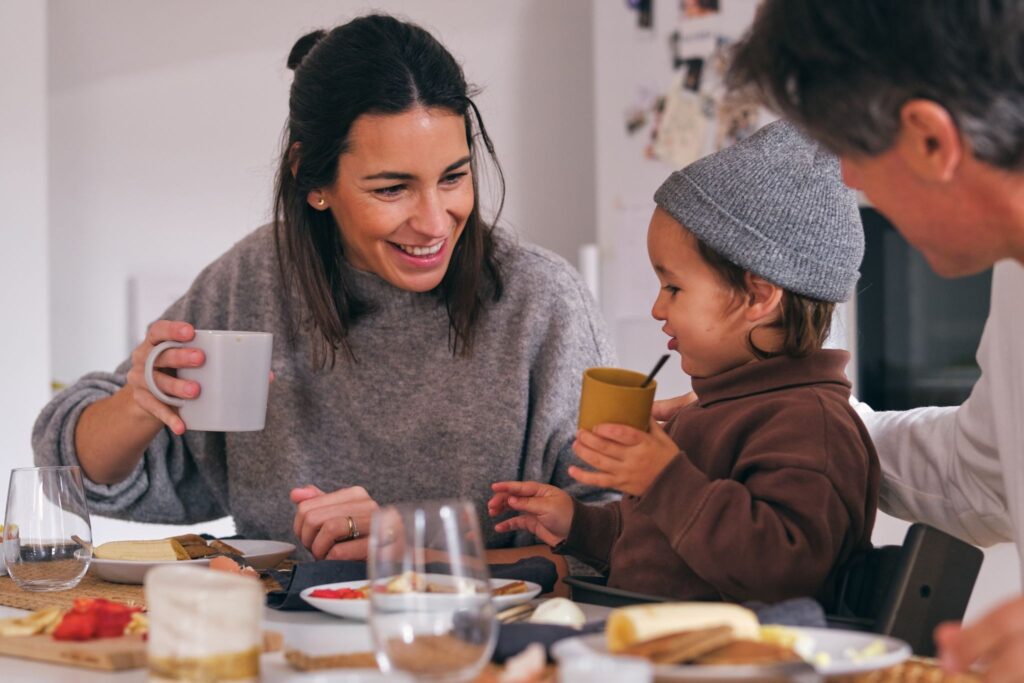
Short scenes show how one name changes in different situations throughout the day.
Morning at home. Mom: «Sasha, breakfast.» Child doesn't react. Mom, louder: «Sasha, come on already!» Silence. Mom from the hallway: «Alexander, I won't repeat myself!» Ten seconds later, the child is in the kitchen. After going through three registration steps, the name did the trick.
Grandma's evening call. «Mashenka, how are you, is everything okay?» Mashenka is twenty-five, married, with two children, and works as a chief accountant. But for Grandma, she's Mashenka, and that doesn't diminish her. It's her place in the family, and it's unchanging.
Meeting of old friends. «Sanyok, it's been so long!» In a Russian company, this is a common address between friends who are over forty, over fifty. They will remain Sanyoks and Lekhas until they are eighty. Their full names would sound like an insult.
A husband talking to his wife. On an ordinary day: «Kat, I'm running late.» In a moment of irritation: «Ekaterina, how much longer can this go on?» In a tender moment: «Katya, look at the moon!» Three forms of a name, three intonations, one person. The wife reads her husband's mood from a single word faster than from his entire tone of voice.
What to do for bilinguals and mixed families
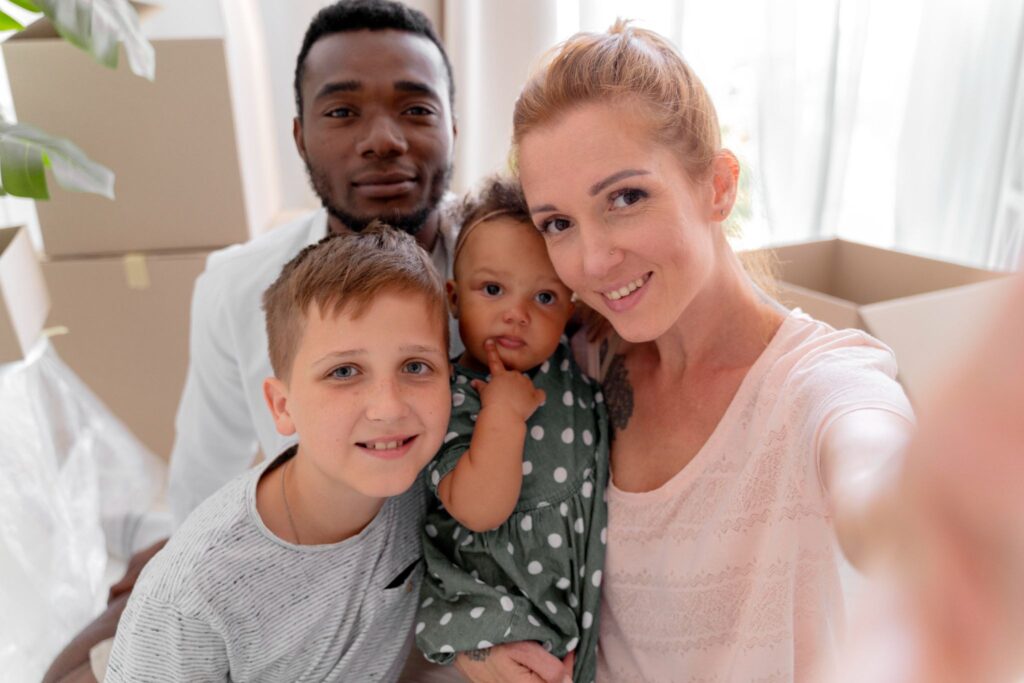
Children in emigration They often don't understand what their name is. Grandma calls him Sashenka. Mom calls him Sasha. His American dad calls him Alex. His teacher calls him Alexander. By age six, the child has four versions of his own name in his head, and sometimes this confuses him. When asked «What is your name?», he might honestly reply, «I don't know, depends on who's asking.».
Russian mother in a blended family often consciously chooses a simpler form. Sashenka sounds beautiful, but an American dad will have a hard time pronouncing all the soft sounds. As a result, the child is called Sasha at home, and that's enough. If the mother insists on «Sashenka,» the father will pronounce it clumsily, and unnecessary tension will arise in the family. It's simpler to agree: Sasha at home, Sashenka at grandma's, Alex at school. Each form for its own space.
One difficulty many families face is having a double name on documents. In their US passport, the name is Alexander. On their Russian birth certificate, it's Alexander. In reality, it's the same name, but bureaucracy sometimes leads to misunderstandings, especially if a grandmother sends a gift addressed to «Sasha» and the package isn't delivered. Russian diminutives don't exist in American systems.
Another detail. The child's American friends, when they come over, hear what the child is called at home. Sometimes the child is embarrassed and asks their mom to switch to their English name when guests are present. This is a normal reaction. Over time, as the Russian identity strengthens, the child will themselves stop being embarrassed and will proudly say, «My name is Alex but my grandma calls me Sashenka.».
How do we work with names at Palme School
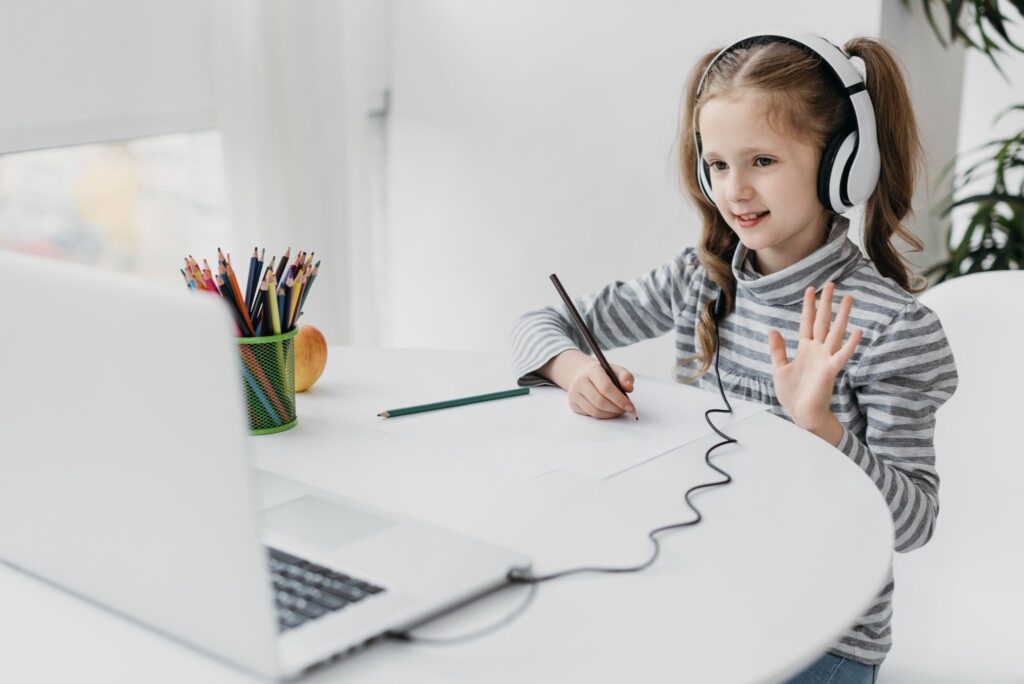
In Palme School classes, names are a separate topic because they are connected to grammar, culture, and emotions. We show children how «Alexander» can have five or six variations and what each one means. We explain why «mommy» is not just «mom,» but «mom with love.» We go over Russian suffixes through a game: a child takes their name and tries out which forms sound right and which don't.
The most important thing is to figure out what these forms do to speech. A child learns to hear the difference between «Sasha, come here» and «Sasha, come to me.» The first is neutral, the second is affectionate. He begins to understand when his grandmother loves him and when she is hurrying him. This changes everything, because before the child simply heard Russian noise, and now he distinguishes nuances.
The result is usually like this. After a couple of months of classes, the child starts using diminutives for loved ones themselves. They'll say «babulya» to their grandma. They'll write a note to their mom saying «mamochka.» When they fly to Russia, relatives there notice: the child speaks Russian like a native, not like a tourist.The first two lessons at Palme School are free. Come and see, How is a lesson structured, and how children usually react to their names being taken apart for the first time. Many families report that after this, the child's Russian unexpectedly comes alive.
Why does one Russian name have so many forms
Each form conveys a shade of attitude. A full name is a formal register. A short one is casual. A diminutive is warm. A coarse one is familiar. One name covers several communication levels at once, and Russians switch between them effortlessly.
Sasha is a real name or a diminutive
This is short for Alexander or Alexandra. Your passport will have the full name, but in everyday life, a person can be called Sasha their whole life, and that's normal. Nobody expects you to say your full name when you first meet someone.
Yes, you can call a Russian colleague by a diminutive, but it depends heavily on your relationship and the context. Here's a breakdown: * **Close colleagues and friends:** If you have a friendly and informal relationship with your Russian colleague, using diminutives is very common and can be a sign of warmth and closeness. * **Formal settings:** In a formal or professional setting, especially when you don't know the colleague well, it's generally best to stick to their formal name (e.g., "Ivan Petrovich" or "Anna Sergeevna" if you know their patronymic, or just "Ivan" or "Anna" if that's how you address each other). * **Hierarchy:** If your colleague is significantly senior to you, it's usually safer to avoid diminutives unless they explicitly invite you to use them. * **Individual preference:** Some people are more open to diminutives than others. It's always a good idea to observe how other colleagues address them or (if appropriate) ask them directly. **Common ways to form diminutives:** * **For male names:** Often by adding suffixes like -a, -ya, -ik, -ok, -usha (e.g., Ivan becomes Vanya, Alexander becomes Sasha, Dmitry becomes Dima). * **For female names:** Often by adding suffixes like -a, -ya, -ochka, -enka, -usha (e.g., Anna becomes Anya, Maria becomes Masha, Elena becomes Lena). **In summary:** If you're unsure, err on the side of formality. If you have a good rapport with your colleague, you can try using a diminutive and see how they react. If they seem comfortable with it, it's a sign that it's acceptable.
Yes, in short, if he introduced himself that way. Colleagues are called «Sasha,» but not «Sashenka.» Affectionate forms are only for close friends.
How to choose a Russian name for a child in a mixed-heritage family
It's better to choose a name that the other parent can easily pronounce. Sasha, Masha, Misha, Katya, and Anya work in most languages. Sashenka and Mashenka are prettier, but difficult for an American dad to pronounce. It's simpler to reserve them for grandma.
Why does Sasha sometimes sound offensive?
The suffix «-k, -ka» adds familiarity. It's warm between close friends, but can sound rough between strangers. With a child, it might sound like a reproach: "Sashka, how much longer!" The same suffix, a different emotion, all decided by intonation.
Yes, there are Russian diminutives for foreign names.
They often appear in families. Emily becomes Emichka, David becomes Davidik, Liam becomes Liamchik. It works if the speaker themselves doesn't mind. If someone introduced themselves as «Emily» and isn't called «Emichka,» it's better not to make one up.
How to explain to a bilingual child that he has several Russian names
A simple formula: one name for official documents, one for friends, one for Grandma. All real, all his. The older the child, the easier it is for them to accept that they have different variations for different situations. Preschoolers can be shown their favorite cartoon character, who also always has a full name and a «nickname.».