

There are more clues to one old riddle than it seems.
«No windows, no doors; it's full of people.».
Adults usually respond immediately. Cucumber.
Now try saying «pumpkin.» Or «watermelon.» Or «tomato.».
Is that wrong?
In Klimanova and Goretsky's textbook of literature for second graders, this riddle is presented in the variant «No windows, no doors; the whole floor is covered with people.» And they ask directly: "Can there be different answers?" Watermelon, cucumber, pumpkin, sunflower, zucchini, eggplant?
It turns out that the school textbook itself suggests doubting the cucumber.
And with this question, the mystery ceases to be a guessing game with a pre-determined answer. It becomes a task that can be solved.
First, figure out what is being said.
Any mystery consists of signs. It does not name the object but tells what it is.
We have three of them.
There are no windows.
There are no doors.
There are a lot of people inside.
One word needs to be explained here. The attic is a room, bright and clean, in an old country house. The child who grew up in the living room and bedroom probably doesn’t know it. One sentence is enough: «The attic is a room. Just an old one.».
It's clear from here on out. The room has no windows or doors, and it's completely sealed off. And inside it's cramped.
Who is sitting there?
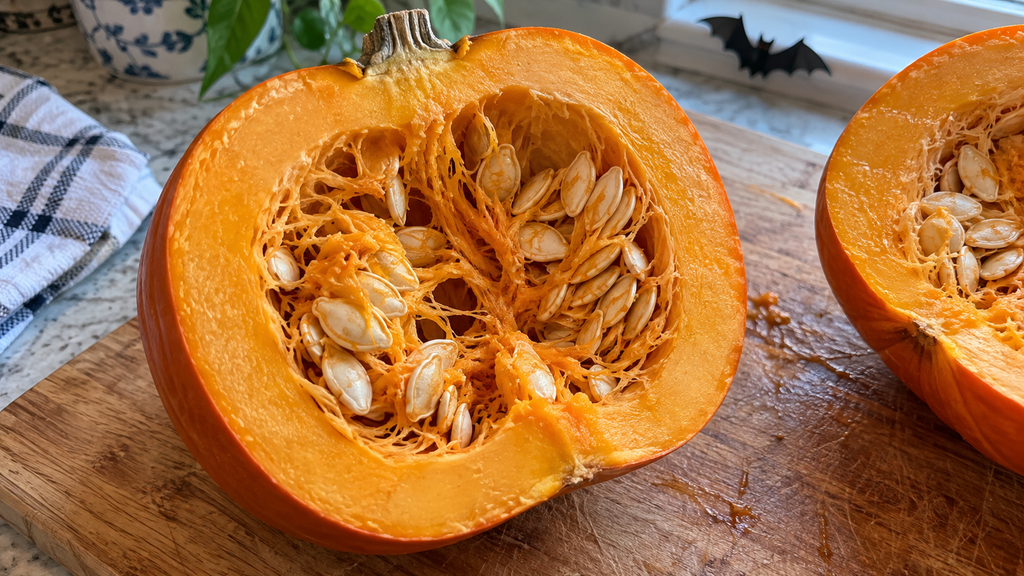
Seeds. Every seed is a little person in this hive.
Now check each answer.
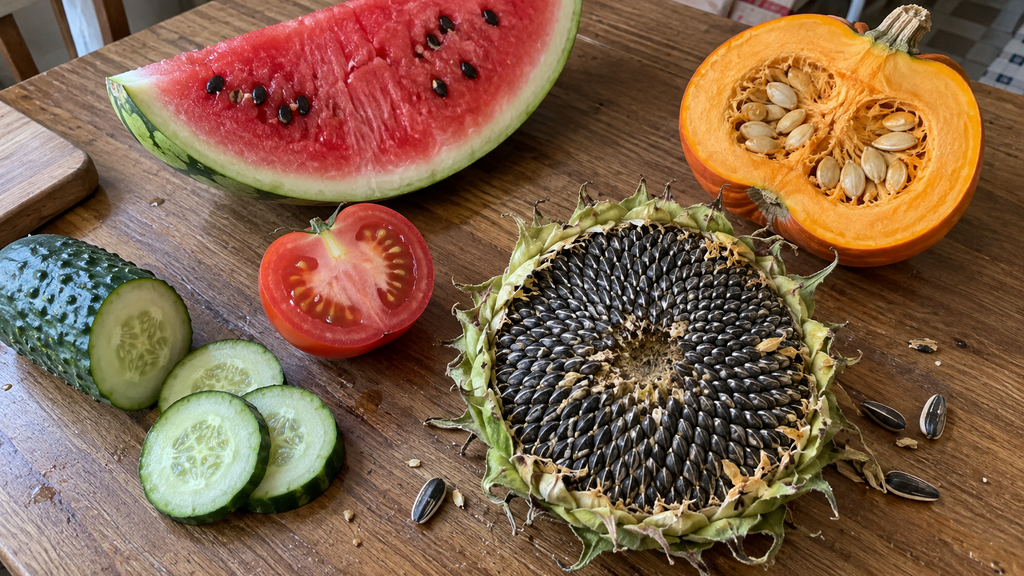
The cucumber is suitable. The skin is completely smooth on the outside, and the seeds are inside.
The watermelon is suitable. The rind is thick and there are many seeds.
The pumpkin is suitable. The walls are thicker than those of a watermelon, and there are so many seeds inside that they are then dried on a whole baking sheet.
Cucumbers, eggplant, tomatoes also pass. No windows, no doors, seeds inside.
And the sunflower?
This is where the debate begins, and even the authors of the study guide for this textbook answer differently. Some say that all six are suitable. Others cross out the sunflower. The seeds are outside, in plain sight, in an open basket. What kind of a greenhouse is this if everyone is sitting outside?
The argument can go on for a long time, and it’s a good kind of argument. In it, the child does exactly what the riddle requires. He takes the answer and applies it to each characteristic in turn.
If even one clue doesn't match, the answer is not valid.
The flashlight no longer fits
Halloween brings a surprising twist to this reasoning.
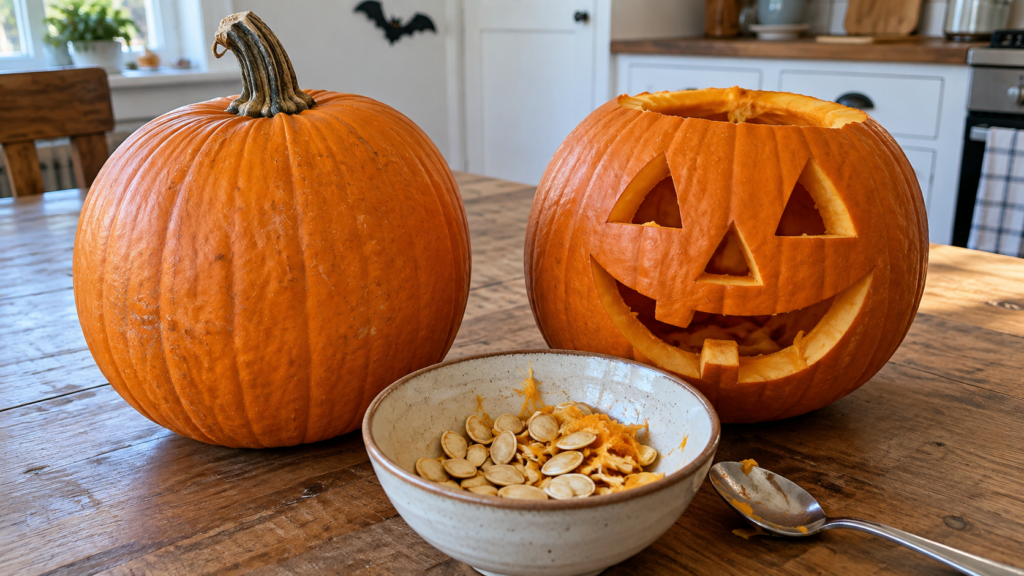
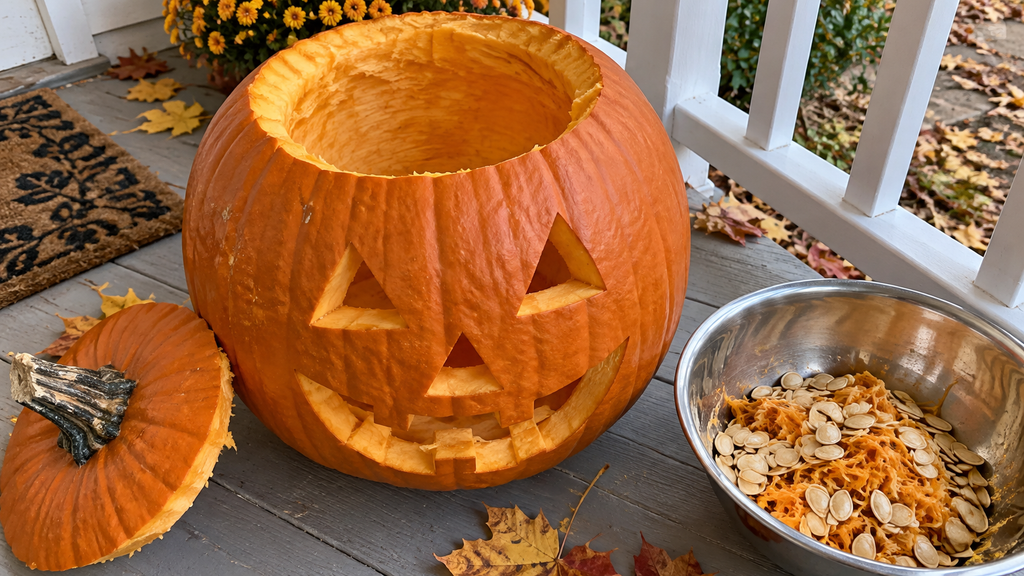
A whole pumpkin fits the puzzle. A pumpkin on the porch at the end of October usually isn’t whole anymore.
A lantern was carved out of it.
The lamp has eyes and a mouth, holes through and through. These are windows. The seeds were scooped out with a spoon even before the candle was lit. The jar is empty.
So if the child looks at the flashlight and says that it doesn't fit the riddle about the tent, he is correct. And he can explain why. There are windows, but no people.
Two of the three signs do not match.
Why there are so many riddles
Now you can ask the main question.
Why is there so many correct answers to this riddle?
Because there are few signs. No windows, no doors, with people inside—this description applies to any fruit with seeds inside. The mystery left the door open, if you can say that about a mystery without doors.
To keep the answer a surprise, you need another clue.
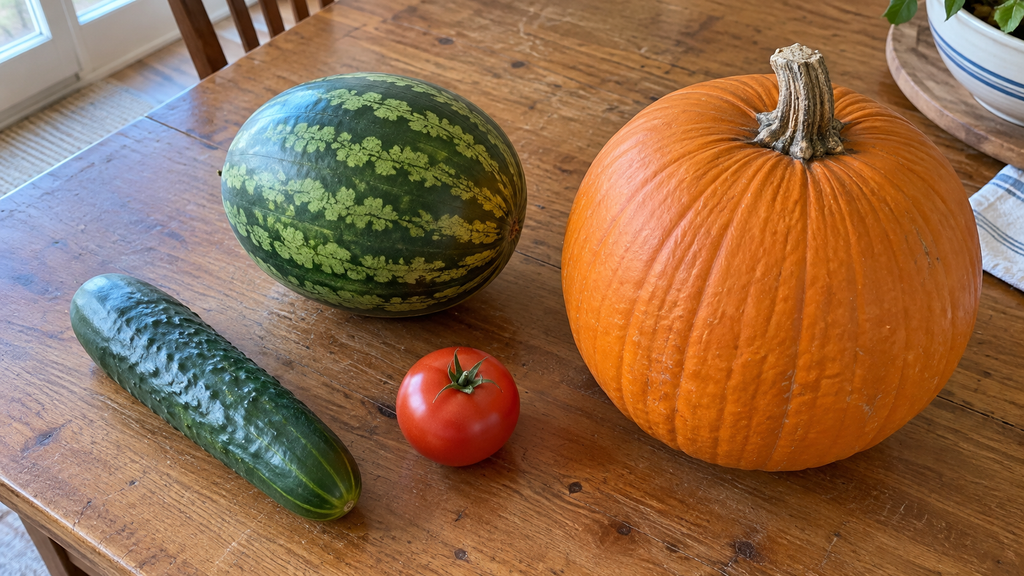
Let's take pictures of a green cucumber, a small red tomato, a striped watermelon, and a large orange pumpkin.
No windows, no doors; it’s full of people. It’s orange on the outside. It’s big.
The cucumber is gone; it’s green. The tomato is small. The watermelon is striped. The squash remains.
Each new clue cuts off a part of the clues. The more precise the clues are, the less there is left.
That is what the whole game of riddles is based on. The one who guesses chooses the clues; the one who guesses the answers goes through the items and checks whether each one fits.
We eliminate the guesses
When a child makes a wish
It is easiest for a child to start with two clues. Rhyme is not necessary. Old-fashioned words like «gorgony» are also not necessary; that is a parental example.
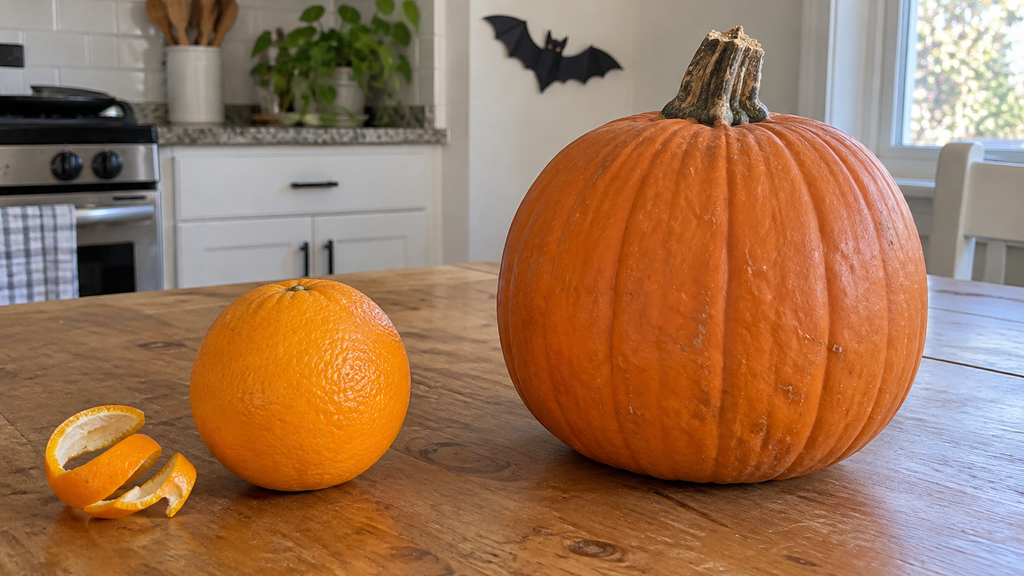
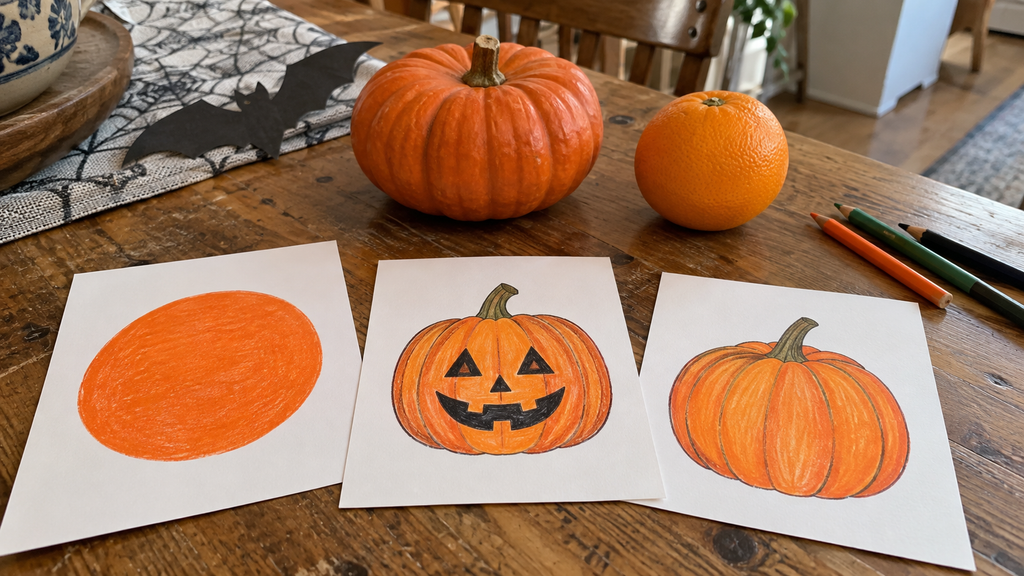
For example, he cast a spell on a pumpkin in the yard.
«Round. Orange.».
An adult honestly considers the options. Round and orange. The pumpkin is a good choice, but not just that one.
«Orange?»
At first the child is outraged. Then he agrees that the orange is also round and orange. So there was not enough evidence.
«Big. They make a lantern out of it.
«Pumpkin!»
It's the same kind of work as with the riddle, only from a different perspective. With the riddle, the child filtered out the extra clues. Here, he added a mark himself when he saw that something different matched his description.
The adult in this scene doesn't need to pretend. The orange did fit the description. If the description had been accurate from the start, they would have guessed it right immediately, and that would also be a good outcome.
There is no need to repeat anything for an adult. The child decided on what to add on their own and said it in their own words.
Two clues, several guesses
Halloween is convenient for this kind of game. Almost every festive item has neighbors with similar characteristics.
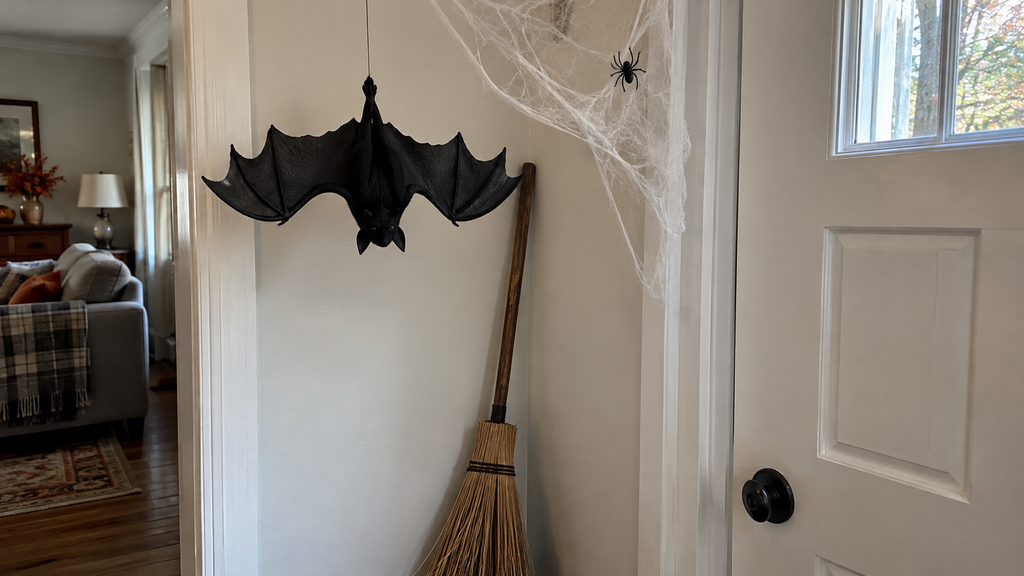
Black, flying. A flying mouse? A raven?
White, hanging in the corner. A curtain? Or a blind?
A long handle is used to clean the floor. A broom? Or a mop?
Each pair of these insects suggests what to add. The bat has webbed wings, and it sleeps with its head down. The web is thin, and a spider sits inside it. A witch does not fly on a broomstick.
If the child cannot yet name the sign, the adult guesses, and the child guesses. The prompts can be said one at a time, and after each one ask, «Which one fits?» Sometimes three things are appropriate, sometimes just one.
The age here is approximate; it ranges from five to eight years. More importantly, does the child know the names of objects and simple words for signs? It is round, large, black, long, flying, and glowing.
The word for the sign adapts to the object. The flashlight is round, the bulb is round. An adult simply says what they say, it’s not necessary to break it down separately during the game.
Guess by clues
You can continue in The «Guess the Word» game», In which clues are meaningful words that are connected to each other. And for another evening we have Puzzles for children.
Which clue worked?
Once the answer is known, there is only one question left.
«What tip helped?»
The answer can be any word. A sign, an image, «this one, about the flashlight.» If an adult has been asking for a word, the child remembers what they heard and what they understood from it. If the child has been asking for a word, they see which word worked. Next time, they might start with that word.
The outcome of the game is simple. The correspondent guessed the object based on the description. Or, if he didn't guess at first, the child added a sign, and then guessed it correctly.
In the interactive version, the puzzle can be assembled from pre-assembled pieces. This is a good starting point. But assembling the puzzle from pre-assembled pieces is not the same as describing the object yourself.
Don't rush with the cucumber
The ordinary riddle is often perceived as a question with only one correct answer, which has to be guessed or remembered.
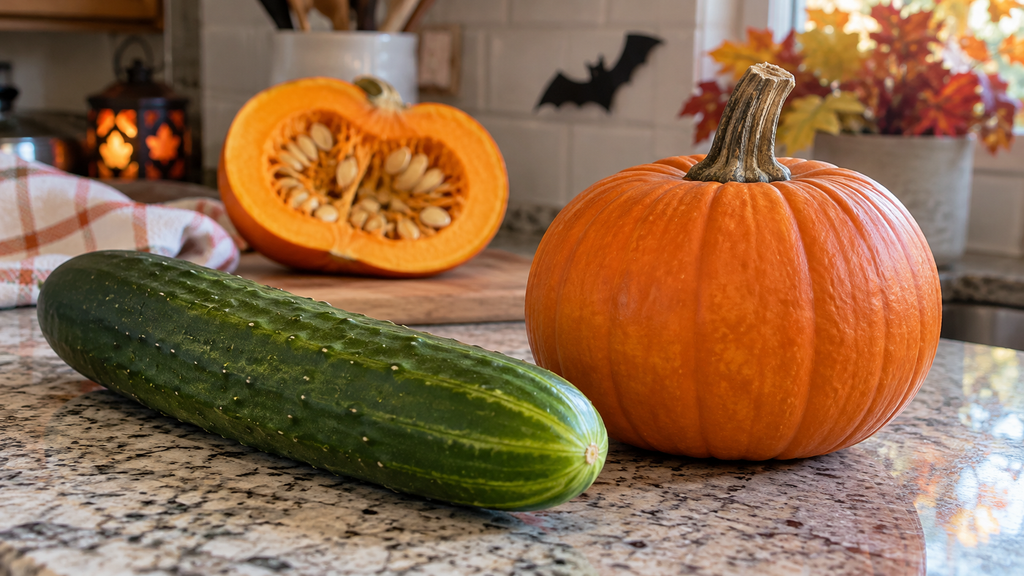
The riddle about the basket shows that it is arranged differently. The clues set a framework, and several items can fit into the framework. The correct answer is the one that fits all.
Therefore, if your child says the riddle about a pumpkin in a basket, don’t rush to correct them.
First, ask him:
«And she has windows?»
To spell out an object, a child needs words to describe it; the easiest way to do this is in a live conversation. At the «Russian for Bilinguals» course at Palme School, children aged four to seventeen engage in online classes with a teacher.
You can start with two free lessons. First, the methodologist determines the child's level and helps choose a program. Then you can meet the teacher during a free lesson.
Sign up for free lessonsFrequently asked questions about Halloween riddles
What is the correct answer to the riddle «Without windows, without doors, full of people»?
The usual answer is «cucumber,» but you can also answer with a squash, watermelon, zucchini, tomato, or any fruit with seeds inside. The "gornitsa" here means a room, and people are the seeds. The correct answer would be one that fits all the characteristics of the riddle.
Why does a pumpkin lantern not fit into this riddle?
The eyes and mouth have been carved out of the lamp; that is, windows have appeared. And the seeds from it were removed when the candle was inserted. Of the three clues in the riddle, only two do not match, so only a whole pumpkin fits, and the lamp is not included.
From what age can people start solving riddles based on signs?
The age range for such play is roughly five to eight years old. What matters is the child's ability to understand Russian names for objects and simple words for things like «round,» «black,» and «flies.» The adult can read the prompts out loud.
Is it necessary for a child to come up with a riddle in rhyme?
No. For starters, two non-rhyming clues are enough, for example «round, orange.» If an adult comes up with another clue, the child adds a third clue. Rhyme and comparisons like «cradle» may appear later.
What to do if a child calls a sign in English?
You can accept the prompt and continue the game, or simply say the Russian word in response, for example, «Yes, orange.» The child is not required to repeat it. The main thing is that the interlocutor understands what the subject is about.
And after the holiday, the child can tell us who they were on Halloween. How to help them do this in Russian, we have explained in this article. a separate article.