


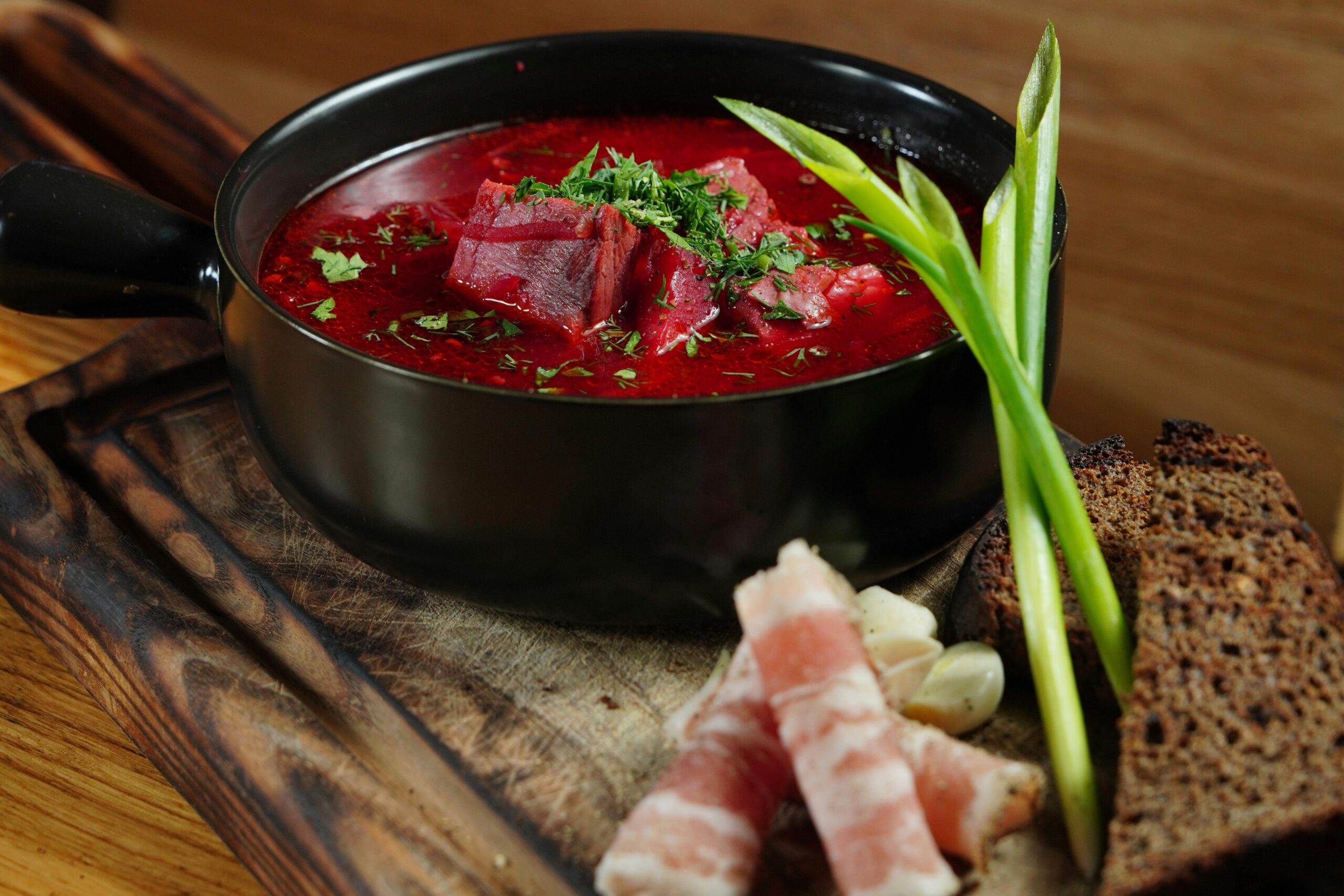
A Friday evening at a kitchen table near Philadelphia is a useful place from which the question of what is Russian food can be answered, because the answer is being handed across the table in real time to a guest who has never met any of it. The friend has been promised soup and dumplings and is met, in the first bowl, by borscht (борщ) of a beet red so deep that the spoon is lifted with some caution. After a spoonful of sour cream has been stirred through and the color has gone to pink, the soup is tasted, and it is found to be both sweeter and more sour than the friend had expected of a soup.
What do Russian people eat at a table like this one

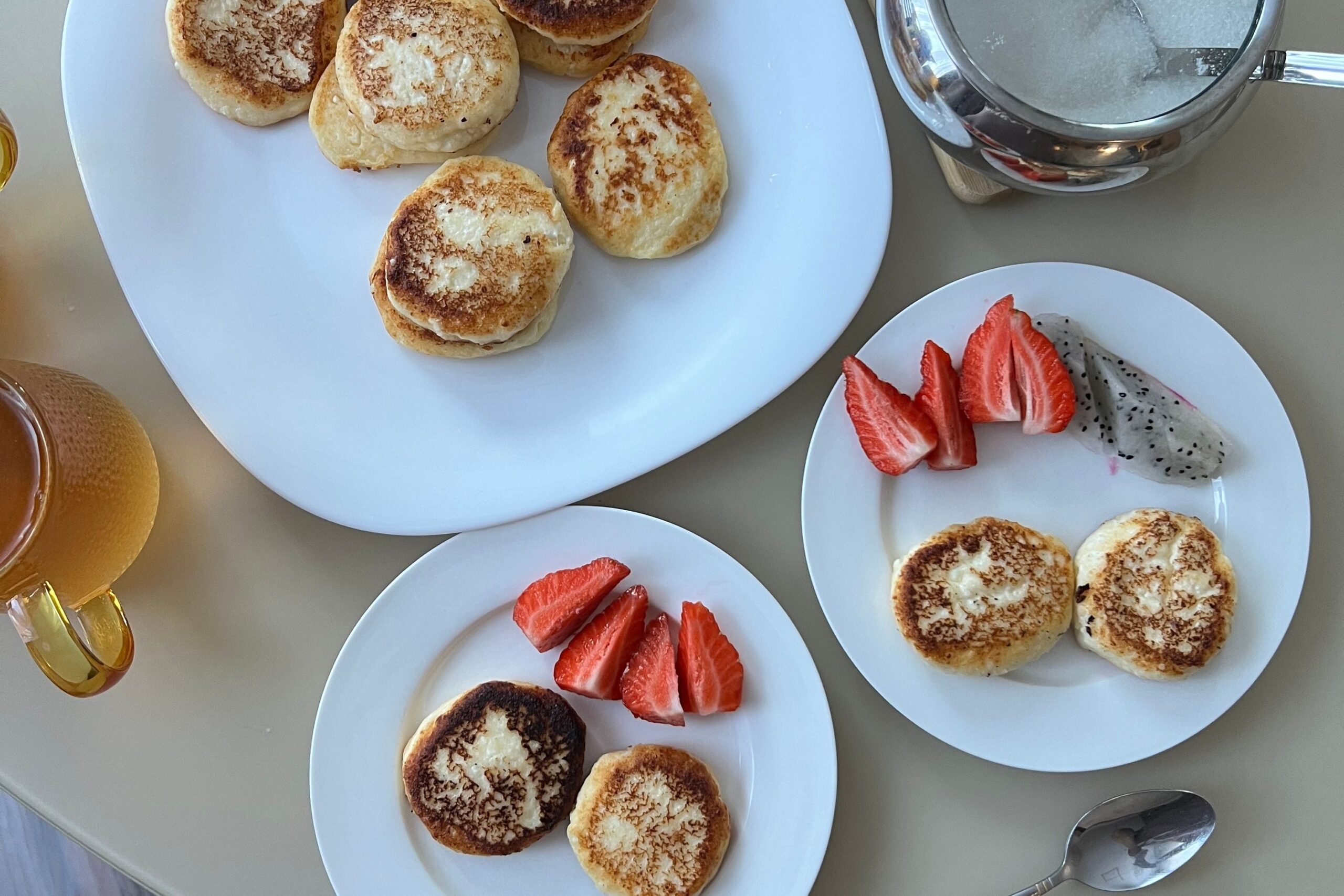
When the borscht bowls are carried off, Kira brings out pelmeni (пельмени), little pockets of thin dough pinched shut around peppered ground pork and beef, boiled until they bob to the surface, and she sets sour cream and a small dish of vinegar beside her friend’s plate, who, already at home with ravioli, starts in without a word of instruction. To name what do Russian people eat past the dumplings is to name a handful of unfussy dishes. Blini (блины) are slim pancakes that are wrapped around a filling or smeared with preserves, and pirozhki (пирожки) are palm sized baked rolls that are packed with cabbage or with ground meat. Syrniki (сырники), the little griddled patties of a fresh curd cheese known as tvorog, are what closes out a lighter meal on its sweet side, and kasha (каша), most often a pot of boiled buckwheat, sits at the plain far end of the whole repertoire. The cold mayonnaise salad of diced potato, carrot, egg, peas, and pickle is the dish that most Americans have already met under the name Russian salad. The borscht is the point at which Russian cuisine is seen to have soft borders, since the beet soup is rooted deeply in Ukraine, where the cooking of Ukrainian borscht was added to the UNESCO heritage list in 2022, and it is shared across Russia, Poland, Belarus, and the Ashkenazi Jewish kitchens by which it was carried to North America. As Kira explains it to her guest, the soup is owned by a whole part of the world rather than by one country.
What is Russian sauce and why the name is misleading
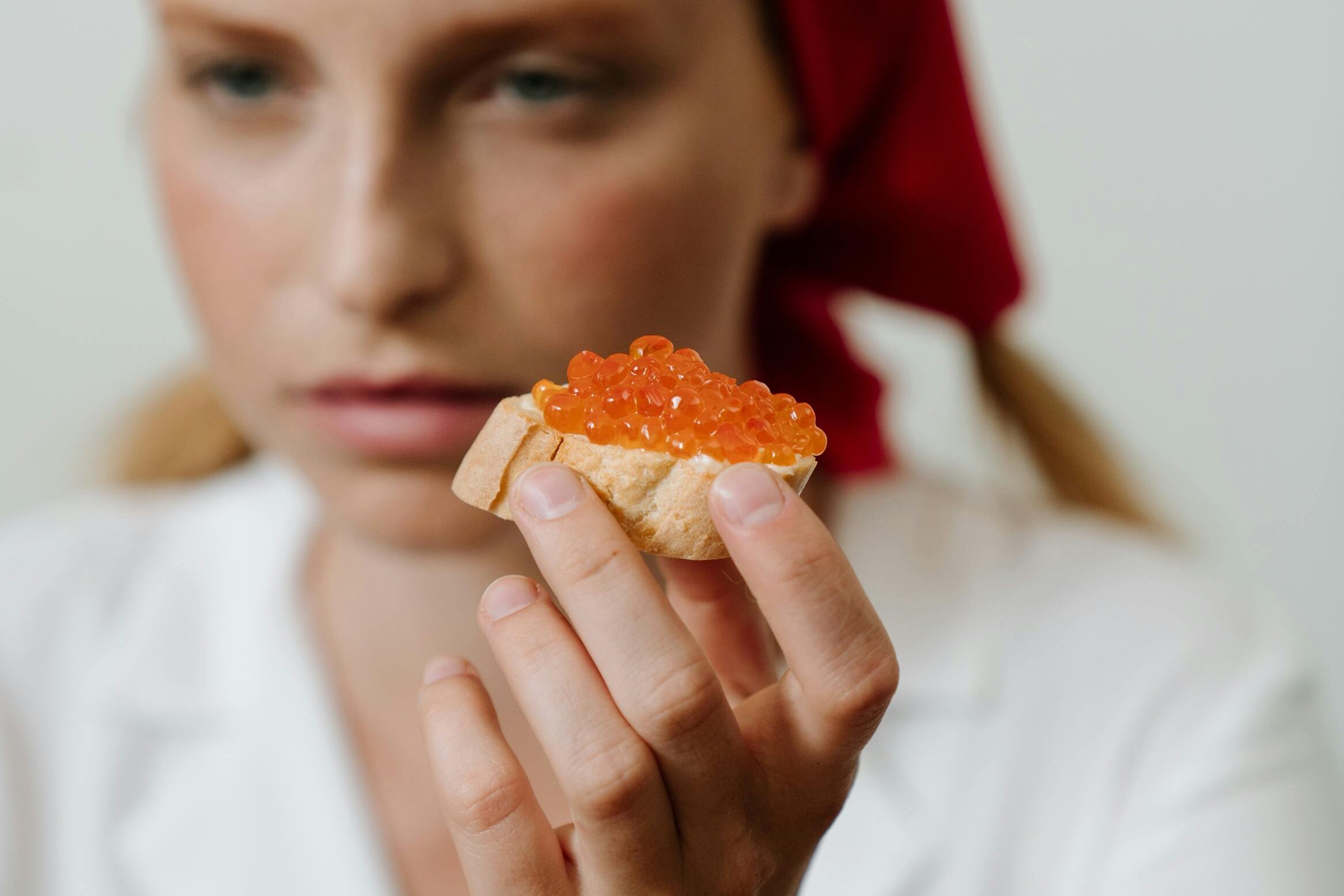
Sooner or later a guest from this side of the ocean points to the bottle standing in the refrigerator door and asks what is Russian sauce, or Russian dressing as the grocery shelf prints it, and the reply tends to catch people off guard. The rosy, sharp tasting blend of mayonnaise, ketchup, and horseradish that gets layered onto a Reuben was thought up in America and owns nothing of Russia in its history. Credit for it goes to James E. Colburn, who ran a grocery in Nashua, New Hampshire, and whose sales of the dressing are documented through the first decades of the twentieth century, while the reasons given for the Russian name, a little caviar stirred in by one account or simply the cachet of a pricey import by another, have never moved past guesswork.
What is Russian tea, the samovar and the spiced mix
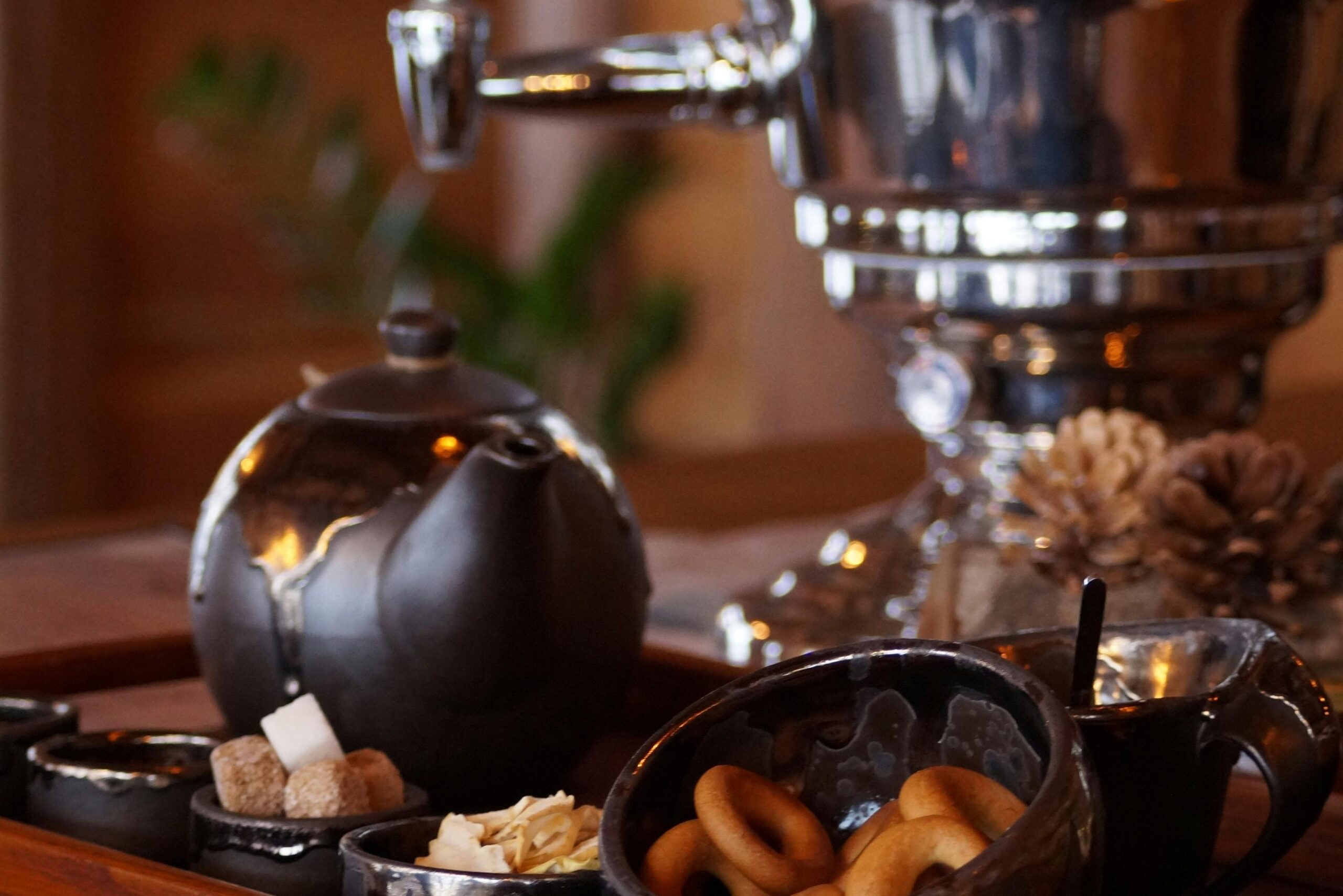
Tea is the second name that has split into two unrelated things, and so what is Russian tea has to be answered in two parts. The real one centers on the samovar (самовар), a metal urn that holds its water hot for hours, and on a strong concentrate called zavarka brewed in a small pot above it, from which a little is poured into each glass and let out with hot water from the urn, so that everyone dials in the strength to taste and drinks it with lemon or with a spoonful of fruit preserves. The other thing that goes by the same name is an American invention entirely, a sweet powdered drink mix of instant tea, an orange flavored powder, sugar, and warm spices that became popular through church cookbooks in the American South around the middle of the twentieth century and that has almost nothing in common with the urn and the concentrate.
What is Russian halva and what Russian cream actually is
The answer to what is Russian halva is a firm, crumbling slab pressed from ground sunflower seeds and sugar, the Eastern European member of a confection that is prepared across a far wider region, and it ought not be mistaken for the Middle Eastern halva that is built on sesame paste, since the two crumble and taste in their own distinct ways despite sharing both a name and a method. The question of what is Russian cream is the third of the misleading labels in this guide, because the gelatin set dessert of heavy cream, sour cream, and sugar that goes by that name on American dessert menus, a dish close to a tangy panna cotta and usually served cold under fresh berries, is an American creation and not a fixture of a Russian table.
How a child keeps the language that the food is named in
The dinner works as an introduction to a cuisine only because Kira is able to give every dish its name in the language it came from and to tell her guest, in plain English, what each one is. That fluency is the first thing that is lost by kids who are raised in Russian speaking families in the United States and Canada, and it is what our school is built to keep. For families who want to begin, two free lessons are offered in a fixed order. The first is an assessment with a methodologist who determines the child’s level, and the second is a trial group lesson with a teacher. The lessons are taught in small groups, and the program is intended for kids between four and seventeen.