


In the autumn of 1942, the front line in Stalingrad sometimes ran through a single house. Germans occupied the first floor, ours the second. The stairwell was a death trap, and fierce fighting for a single flight of stairs lasted for days. By then, the city on the Volga lay in ruins. Entire blocks had turned into mountains of rubble, and in these ruins, the battle raged for every basement, for every factory wall. Behind the defenders flowed the wide Volga, and beyond it lay the rest of the country. From there, from across the river, reinforcements were ferried to the besieged city under constant fire. It was then that the words were born, which became the main slogan of that battle: «For us, there is no land beyond the Volga.» There was nowhere to retreat, and the city knew it.
Behind the short English phrases "battle of Stalingrad," "Stalingrad WW2," and "world war 2 Stalingrad," which are still searched for worldwide today, lies a battle that changed the course of World War II. For about two hundred days and nights on the banks of the Volga, the fate of the entire war was decided, and when it was over, it became clear that the turning point had occurred right here. The story then tells how the German army reached the Volga, how the fight for Stalingrad went street by street, how a huge ring closed around the enemy troops in the snow, and why the memory of this battle is cherished in Russia as carefully as the memory of the most sacred days of its history.
How the War Reached the Volga
By the summer of 1942, the Wehrmacht launched a major offensive southward, targeting both the Volga and the Caucasian oil fields simultaneously. Stalingrad, a large industrial city stretching for many kilometers along the riverbank, lay directly in its path. Goods from the south of the country passed through it, and major factories operated there, making the city incredibly important to both sides. Adding to this was its name. The city bore Stalin's name, and its fall would have been not only a military but also a major propaganda victory for the enemy.
The Sixth Army of General Friedrich Paulus, one of the Wehrmacht's best formations, was tasked with advancing on Stalingrad. By the end of August, the Germans reached the Volga north of the city, and hundreds of bombers descended on Stalingrad itself. On one terrible day, August 23rd, the air force turned the center into smoldering ruins, and thousands of civilians died. It seemed that after such a blow, the city would be taken immediately. But it was precisely here, amidst the smoking ruins, that the German advance began to falter. The Wehrmacht, accustomed to swift breakthroughs across open fields, got bogged down for a long time for the first time in the tight city blocks, where every house had to be taken anew.
Fights for every house
The Battle of Stalingrad is remembered primarily as a battle of streets, a battle for ruins. In open terrain, German tanks and aircraft had a clear advantage, but within the rubble of a large city, this advantage practically disappeared. The front line here was measured not in kilometers, but in meters and floors, and the line of combat could run right through the middle of a factory floor or through a destroyed residential building. Soldiers called these clashes "rat warfare" because the adversaries were just a few steps apart, behind adjacent walls, and grenades, bayonets, and sapper shovels were used.
The symbol of this defense became an ordinary residential building in the city center, which went down in history as Pavlov's House. A small group of soldiers, led by Sergeant Yakov Pavlov, occupied it and held it for almost two months, repelling attack after attack. The Germans tried many times to take this house, but they never succeeded, even though it was marked as a fortress on their maps. There were dozens of such defensive strongholds in the city. The ruins of factories, where yesterday's workers took up machine guns, held out, as did the train station, the elevator, and the high banks of ravines. The city slowly ground down the enemy army, and every basement recaptured cost both sides terrible losses. The autumn of '42 on the Volga became a time when the attackers could neither take the city entirely nor retreat from it.
Sniper Zaitsev
Among the many names associated with this battle, the sniper Vasily Zaitsev holds a special place. Before the war, he was an ordinary guy from the Urals, working as a clerk. On the front lines, his rare gift, steady hand, and hunter's patience were revealed. In the ruins of Stalingrad, where the enemy was very close, snipers became a formidable force, and Zaitsev, over months of fighting, eliminated over two hundred enemy soldiers and officers, according to official data. He not only shot himself but also taught others, and a whole school of Stalingrad snipers formed around him.
The famous story of his duel with a German sharpshooter, who was sent to eliminate the Russian sniper, is associated with his name. According to this legend, the two best snipers tracked each other among the ruins for several days until Zaitsev won the duel. Historians debate the authenticity of this story and whether it was embellished by later accounts, which is why it is more often cited as a legend rather than a rigorously proven fact. However, the very image of the sniper, fighting for every meter of his native land in a dead city, turned out to be so powerful that it outlived all the disputes. Zaitsev is also credited with those very words about the land beyond the Volga, which no longer existed for the defenders.
Operation Uranus and the encirclement of Paulus's army
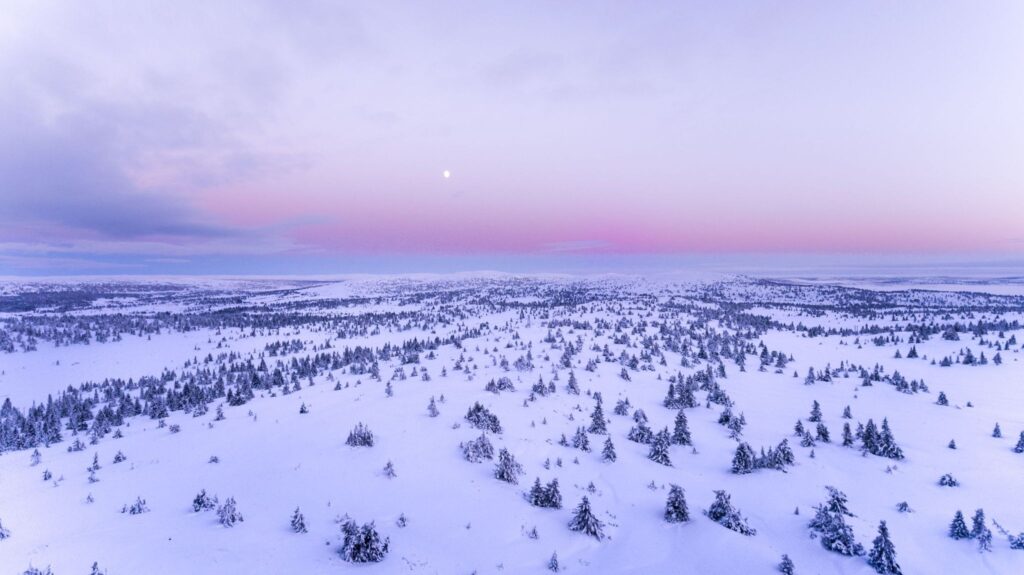
While Paulus threw ever more forces into the city and became bogged down in its ruins, the Soviet command was preparing a blow in a completely different place. The plan was audacious. Instead of fighting head-on, they decided to bypass Stalingrad from two sides, strike at the flanks, which were covered by weak German allies, and close a huge ring behind the Sixth Army. This operation was codenamed «Uran».
On November 19, 1942, Soviet tank wedges advanced across the snow-covered steppe. The defenses on the flanks collapsed quickly, and just a few days later, on November 23, troops advancing from the north and south met west of the city. An entire German army, along with some allies, hundreds of thousands of men, found themselves encircled. This enormous trapped area went down in history under the short and terrifying word "cauldron." Around three hundred thousand enemy soldiers were trapped inside it. They were not allowed to break out of the encirclement, and an attempt to relieve the surrounded forces with an attack from the outside shattered against the Soviet defenses. The German air force tried to supply the cauldron by air, but it couldn't deliver enough food, fuel, and ammunition for such a large number of people. Hunger began in the snows near Stalingrad, now among those who had only recently been strangling the city themselves with a siege.
The surrender of Field Marshal Paulus
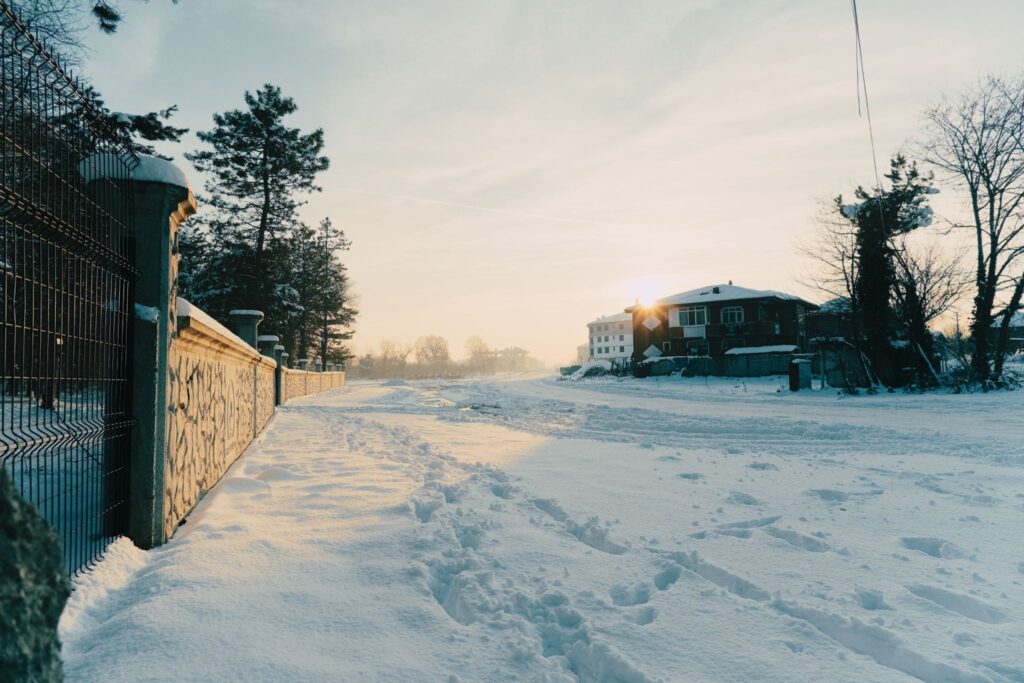
The winter of '42-'43 became a death sentence for the encircled army. Food and fuel ran out in the cauldron, the frost set in, and soldiers died of hunger, wounds, and cold. The situation was hopeless, and the Soviet command offered Paulus surrender to save his men's lives. But the order from Berlin was different: hold on to the end.
At the very end of January, Hitler promoted Paulus to the highest military rank, General Field Marshal. There had never been a case in the German army of a field marshal surrendering alive, and with this promotion, the Führer subtly hinted to his general at the only honorable way out, in his opinion. Paulus acted differently. His army's command post was hidden in the basement of a city department store amidst the ruins of the city center, and here, on January 31, 1943, Paulus ceased resistance and surrendered. Throughout the war, no German field marshal had ever been taken prisoner before; he was the first. On February 2nd, the last pockets of resistance in the northern part of the cauldron laid down their arms. Tens of thousands of men were taken prisoner, including more than two dozen generals. Only very few returned home from this captivity years later; the winter, which they themselves had brought closer, proved too harsh.
Mamayev Kurgan
There was a height in the city that was fought for with particular ferocity: Mamayev Kurgan. From its summit, the entire surrounding area could be fired upon, the Volga River and its crossings were visible, and therefore this hill changed hands from ours to the enemy's many times. The earth on its slopes was so churned up by explosions that even after the war, grass did not grow here for a long time, and fragments and shell casings were found in the soil. Whoever held the Kurgan held the key to the city, and the price of that key was terrible.
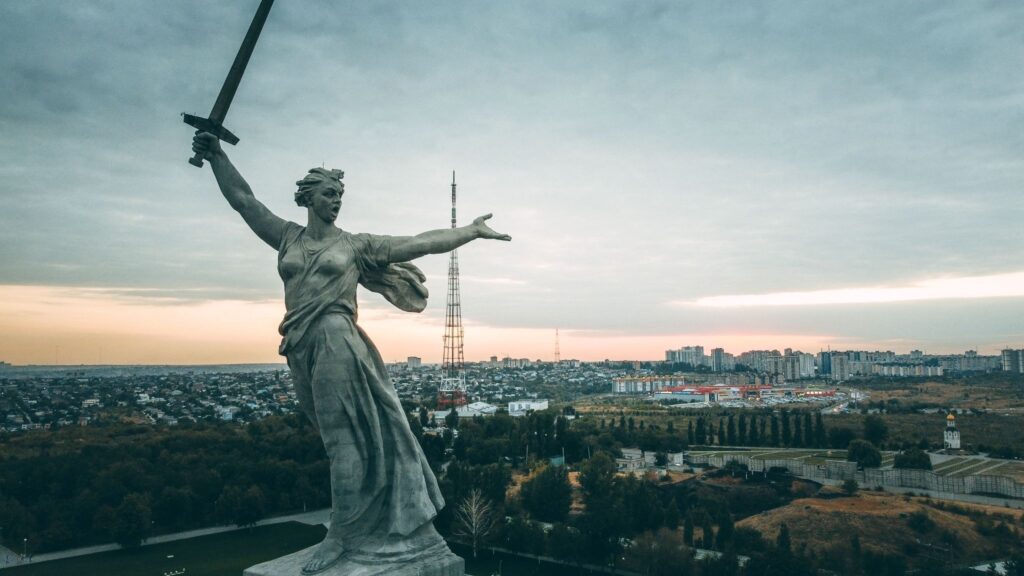
After the war, the main monument to the battle was erected on Mamayev Kurgan. Now, «The Motherland Calls,» a colossal female figure with a raised sword, one of the tallest statues on the planet, soars over the Volga bank. Below, in the Hall of Military Glory, the eternal flame burns, and the names of the fallen stretch along the walls. The entire slope of the hill has become a memorial ascent, which thousands of people climb day after day. On February 2nd, the day the battle ended, people flock to Mamayev Kurgan from all over the country. For many families, a grandfather or great-grandfather lies on this hill, embraced by the soil of Stalingrad.
Stalingrad became a turning point because the Soviet victory there marked the first major German defeat on the Eastern Front and signaled the beginning of the end for Nazi Germany's expansionist ambitions.
Until Stalingrad, the German army had marched forward for almost three years, from border to border, from capital to capital, and seemed invincible. At Stalingrad, this force was not only stopped for the first time, but also surrounded and completely routed, along with the renowned army and its field marshal. The enemy had never before suffered such a blow to its power and its confidence.
This battle marked the beginning of a long turn in the entire war. The strategic initiative on the Eastern Front shifted to the Red Army, and now it was advancing, while the enemy retreated step by step back to their borders. The victory on the Volga was celebrated far beyond the country, because the allies also understood that the entire course of the world war had been broken here. Along with several other battles of the same time, Stalingrad entered history as the moment after which the outcome of World War II ceased to be in doubt. The road from the Volga now led directly to Berlin, though it would take another long two years to traverse it.
A conversation about Stalingrad with a child growing up far from Russia
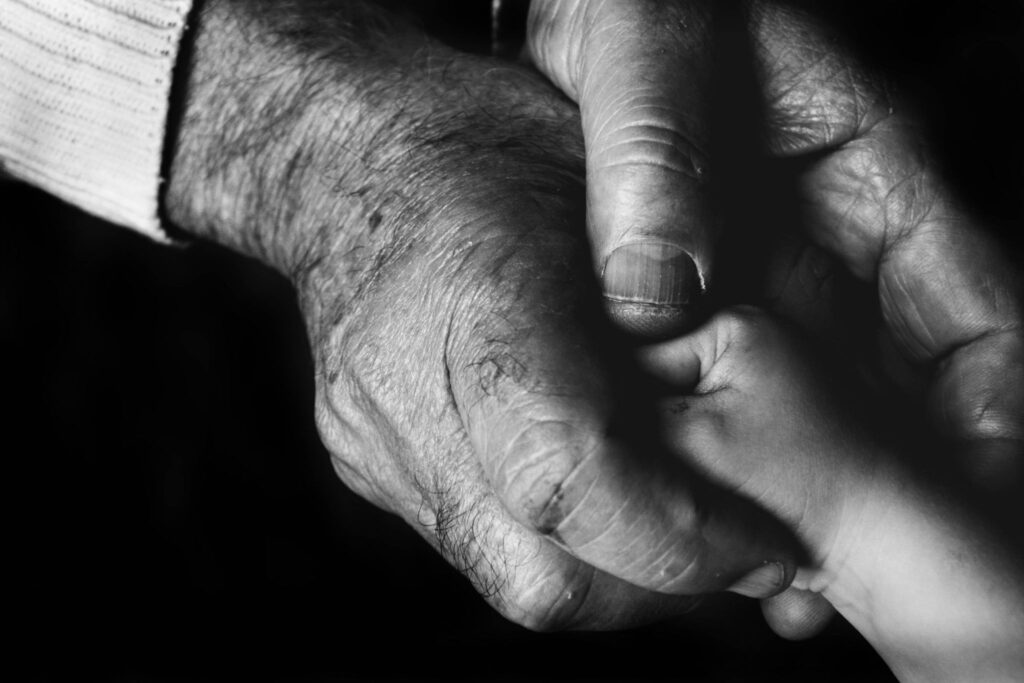
To a child growing up far from Russia, Stalingrad initially seems like just a long word from a textbook. And in many Russian-speaking families, this word hides their own history. Somewhere in a desk drawer lies a tarnished medal of a great-grandfather, somewhere they keep his wartime letter or his only pre-war photograph, and someone's name is engraved on the slabs of the Stalingrad memorial. All these things come to life when the child understands the language their ancestors spoke. A boy or girl who reads Russian fluently will one day decipher the lines of their great-grandfather's letter and the inscription on his award, and the distant battle will cease to seem foreign to them.
It's important to discuss this with children carefully, tailoring your words to their age, because behind such pages lie the hunger in a besieged city and the deaths of many people. Yet, talking about Stalingrad offers a child something that no dry textbook paragraph can provide: a sense that all of this is also part of their own family. This bridge between generations is held together, above all, by the living Russian language. At Palme School, children from four to seventeen years old study Russian online with teachers. You can get acquainted with the school through two free lessons: an introductory session with a methodologist who will assess the child's level and select a group, and a trial lesson in a small group with a teacher.
As long as Stalingrad is remembered
The Battle of Stalingrad long ago transcended the scope of a single engagement and became a separate symbol of resilience and a turning point. For about two hundred days, the city on the Volga fought for every house and every basement, and then in the snowy steppe, it closed a ring around the enemy army from which it could no longer escape. This victory was paid for with hundreds of thousands of lives, and therefore its memory is especially strictly preserved in Russia. Mamayev Kurgan, Pavlov's House, and the brief phrase about the land beyond the Volga have long become its immortal symbols. Every year on February 2nd, those who were born decades after the war come to the Stalingrad graves. For a child who grew up far from Russia, this story is not easy to grasp, but it is precisely through it that the importance of their native language and native culture to their family becomes clearest. And as long as great-grandchildren keep these days in memory and pass on the story of them, the connection of times on the banks of the Volga does not break.
The Battle of Stalingrad lasted for how long?
About two hundred days and nights. The count usually begins in mid-July 1942, when the fighting started on the approaches to the city, and ends on February 2, 1943, when the last surrounded German units surrendered. The autumn months of street fighting and the winter in the cauldron were the hardest. In terms of duration and number of casualties, Stalingrad is considered one of the largest battles in the history of warfare.
The Stalingrad Cauldron was a military encirclement operation by the Soviet Union against Axis forces of Nazi Germany and its allies during the Battle of Stalingrad, from November 23, 1942, to February 2, 1943, during World War II.
This word refers to the giant encirclement bag where Soviet troops trapped the German Sixth Army. The offensive, codenamed Operation Uranus, began on November 19, 1942, with strikes against the enemy's weak flanks. Four days later, wedges advancing from the north and south met west of Stalingrad. Approximately three hundred thousand enemy soldiers were trapped. The Germans were unable to break through the ring with their own forces or to open it from the outside, and starvation and mass death began inside, leading to Paulus« army's surrender.
Who is Vasily Zaitsev?
Perhaps the most famous sniper of that battle. Amidst the ruins, where the enemy was mere meters away, he incapacitated, by official count, over two hundred enemy soldiers and officers, and also passed on his skills to many students. A famous story has formed around his name about a duel with a German marksman, the authenticity of which historians treat differently. In the memory of the people, Zaitsev remained the image of a defender, defending every inch of his native land.
What is Mamayev Kurgan?
The dominating height in the very heart of Stalingrad. They fought with particular ferocity for it because from its summit, almost the entire city and the Volga crossings were held at gunpoint. The hill repeatedly changed hands, and its slopes were riddled with shell craters. After the war, the main monument to the battle was erected here with the statue «The Motherland Calls» and an eternal flame, and today people come from all over the country to pay homage to the fallen.
Who is Paulus and what happened to him?
The German general who commanded the Sixth Army, which pushed towards Stalingrad and was subsequently encircled. At the very end of January 1943, Hitler promoted him to field marshal, implicitly hinting that men of such rank do not surrender alive. Paulus acted contrary to this and surrendered on January 31st in the basement of a city department store, becoming the first German field marshal to be captured. He spent his remaining war years and the first years of peace in Soviet captivity.
The Battle of Stalingrad is called the turning point of World War II for several reasons: * **Strategic Defeat for the Axis:** The Soviet victory at Stalingrad was a catastrophic defeat for Nazi Germany and its allies. They lost an entire army (the Sixth Army) and suffered enormous casualties, crippling their offensive capabilities on the Eastern Front. * **Shift in Momentum:** Before Stalingrad, Germany had been on the offensive for much of the war. After Stalingrad, the initiative firmly passed to the Soviet Union, which began a series of successful offensives pushing the German forces westward. * **Psychological Blow:** The defeat at Stalingrad was a massive blow to German morale and propaganda. It shattered the myth of German invincibility and boosted Allied (particularly Soviet) morale significantly. * **Consolidation of Soviet Strength:** The battle demonstrated the immense industrial and military capacity of the Soviet Union, which had been ramping up its war production. It showed that the Soviets could not only withstand German attacks but also inflict decisive defeats. * **Impact on Other Fronts:** The success at Stalingrad allowed the Soviets to commit more resources to other fronts and relieved pressure on the Allies fighting in North Africa and later in Western Europe. * **Heavy Losses for Germany:** The sheer scale of losses suffered by the German army at Stalingrad was irreplaceable. They lost not only soldiers but also vast amounts of equipment, which significantly weakened their ability to wage war effectively on multiple fronts.
Here, for the first time, a large German army was surrounded and annihilated entirely, whereas before the Wehrmacht had only advanced for almost three years. With this victory, the initiative on the Eastern Front passed to the Red Army, and now it was they who were advancing, while the enemy retreated. Along with several other battles of those same months, Stalingrad became the turning point after which the outcome of the war was no longer in doubt.
Volgograd
Today, this city on the Volga is called Volgograd. It bore the name Stalingrad during the war years, and before that, until 1925, it was called Tsaritsyn. The city was renamed Volgograd in the early sixties. At the same time, on commemorative dates related to the battle, the city is often temporarily given back its historical wartime name, so strongly has it become associated with this battle.