

«Собаке мясник кинул кость».
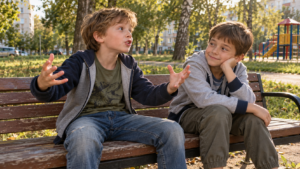
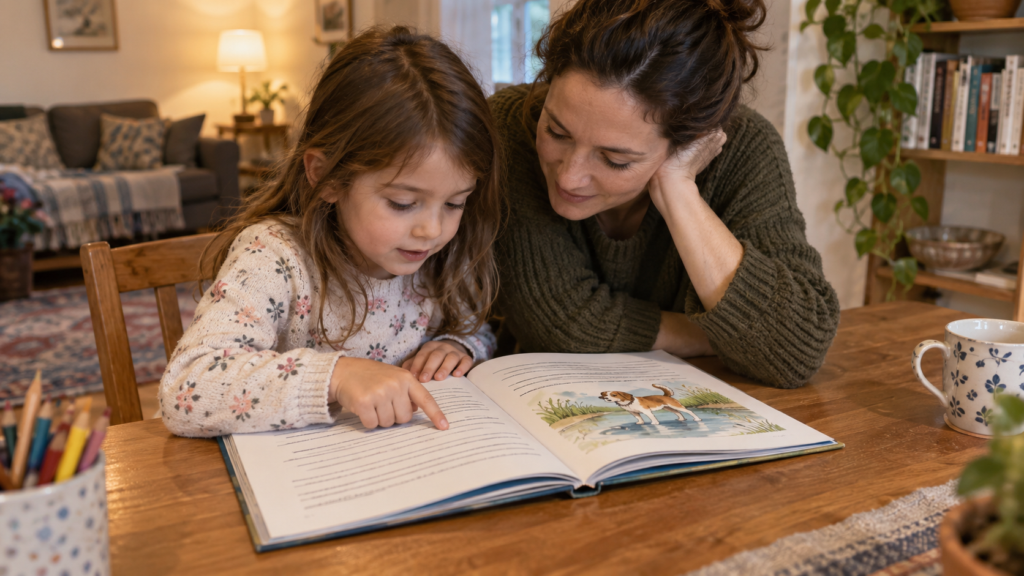
Так начинается пересказ. Ребенок читал басню Толстого «Собака и ее тень» и теперь рассказывает ее своими словами. Уверенно, с подробностями. Кость большая. В воде другая собака, и у той кость еще больше.
Взрослый заглядывает в книгу.
Мясника там нет.
Кости тоже. У Толстого собака несет через речку мясо. Про размер ни слова.
Первое желание понятное, сказать «ты перепутал». Мы бы с этим подождали.
Откуда взялся мясник
Мясник настоящий. Просто живет он в другой книге.
В американском сборнике The Æsop for Children 1919 года, который выкладывает Библиотека Конгресса, эта басня называется The Dog & His Reflection. Там мясник бросает собаке кость, собака бежит домой по узкому мостику, видит внизу пса с костью покрупнее, прыгает в воду и еле выбирается на берег.
Обе истории выросли из одной басни Эзопа. Толстой пересказал ее коротко. Американская книга подробно.
Если ребенок слышал английский вариант в школе, а русский читает дома, две версии легко склеиваются в одну.
Так что мясник в пересказе появился не из головы. Это память о другом тексте.
Можно спросить: «А где ты встречал мясника?»
Иногда оказывается, что в классе.
Одна строчка в конце
Дальше начинается задание, из-за которого все и затевалось. Найти главную мысль.
В английской книге с этим просто. Под басней отдельной строкой стоит It is very foolish to be greedy. Жадничать очень глупо.
Ребенок, привыкший к такой странице, ищет последнюю строку.
У Толстого последняя строка другая. «И осталась собака ни при чем».
Все. Наставления после нее нет.
Ребенок перелистывает, смотрит вниз страницы. Мораль должна же где-то быть.
Не находит и пишет «про собаку».
Жадность назвали раньше
В английском тексте есть еще одна подсказка. Слово greedy стоит не только в конце. Собаку называют жадной прямо на мостике, до прыжка, пока кость у нее в зубах.
Читатель заранее знает, кого осуждать.
Толстой так не делает. Он ничего не говорит про характер собаки. Показывает, что она сделала и что потеряла.
Выходит, в русской басне главную мысль надо собрать самому.
Собрать из двух движений
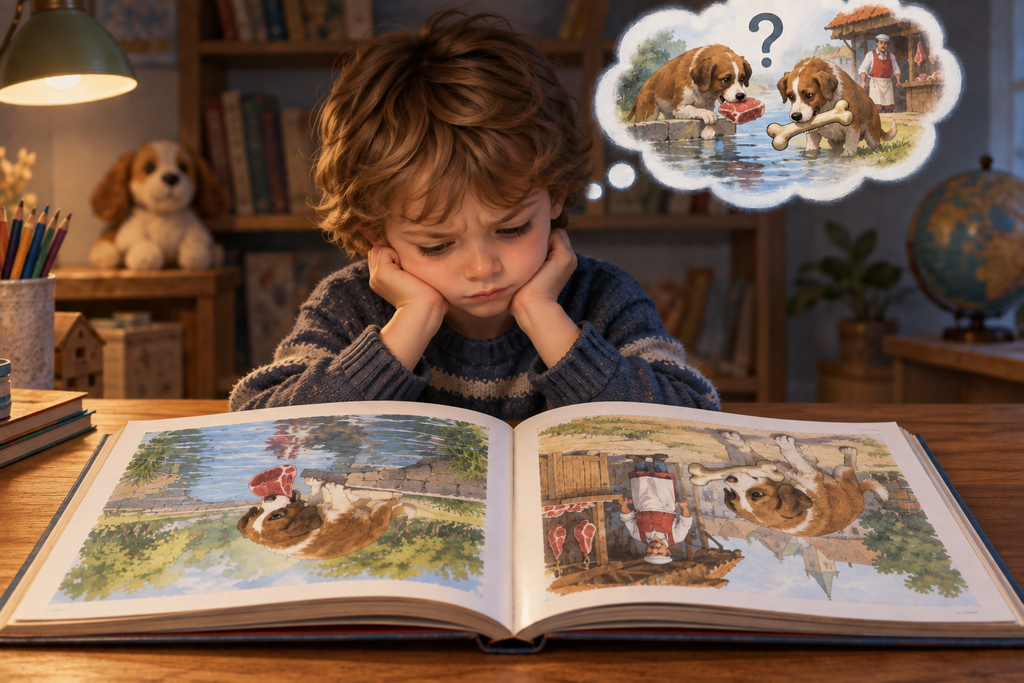
Попробуйте вместе с ребенком найти в басне Толстого два места.
Собака бросила свое мясо и кинулась отнимать чужое.
Свое мясо унесла вода.
Больше ничего не надо. Ни мостика, ни мясника, ни размера кости.
Теперь вопрос: что случилось с собакой, потому что она захотела чужое?
Ответ ребенок может дать своими словами. «Погналась за чужим и потеряла свое». Или «жадной собаке ничего не досталось».
Обе фразы подходят. Главное, что каждую можно проверить по тексту и показать пальцем, откуда она взялась.
С английской строчкой так проверять тоже полезно. Закройте ее полоской бумаги и спросите, почему в конце написано именно это. Если ребенок может ответить, опираясь на кость и прыжок, он понял басню, а не только нашел последнюю строку.
А мясник пусть остается
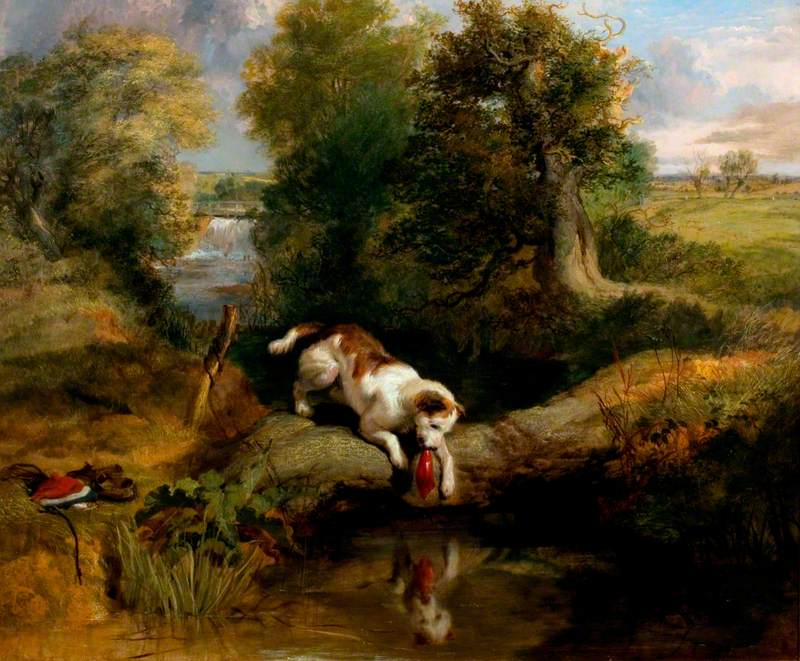
Мясник в пересказе мысль не портит. Он отвечает на другой вопрос, откуда у собаки кость.
Для главной мысли он просто лишний.
Подробности можно менять, путать, приносить из другой книги. Главное остается на месте.
Собака бросила свое ради мнимого чужого.
И осталась ни при чем.
Тема, пересказ или главная мысль
Понадобятся басня «Собака и ее тень» Толстого and английская версия из Библиотеки Конгресса. Отвечать можно устно. Оставьте тексты перед глазами, чтобы проверять себя по странице.
Разложите три ответа
Определите, где названа тема, где коротко пересказано событие, а где сформулирована главная мысль.
- «Погнавшись за чужим, можно потерять свое».
- «О жадности».
- «Собака захотела чужого мяса и лишилась своего».
Check answers
Первый ответ выражает главную мысль: это обобщенный вывод. Второй называет тему. Третий кратко пересказывает событие с собакой. Попросите ребенка объяснить хотя бы одно из своих решений.
Найдите поступок и последствие
В тексте Толстого найдите, где собака пытается отнять чужое мясо и где говорится, что стало с ее собственным. Объясните, как эти два события связаны.
Затем найдите похожую связь в английской версии. Какие слова на каждой странице подтверждают вывод о последствиях жадности?
Посмотреть опору в тексте
У Толстого это «кинулась отнимать» и «свое волною унесло». В английской обработке собака бросает кость, прыгает к отражению и выбирается без добычи. Для нашего вывода важны и желание получить чужое, и потеря своего.
Закройте мораль и скажите по-своему
Прикройте последнюю строку английской басни. Сформулируйте общий вывод своими словами и назовите два события, которые его подтверждают. Затем проверьте, подходит ли этот вывод к тексту Толстого.
Compare with the example
Например: «В погоне за чужим можно лишиться своего». Возможны и другие формулировки, если их поддерживают поступок и развязка. Ответ «собака потеряла кость» пока сообщает только о событии.
Для взрослого. Не требуйте одинаковых формулировок. Спросите: «На какое место в тексте ты опираешься?» Если объяснение пока не складывается, вернитесь к одному поступку и тому, что произошло после него.
Когда хочется обсудить книгу
На занятиях по литературному чтению в Palme School дети обсуждают произведения, пересказывают прочитанное, задают вопросы и учатся формулировать собственные выводы.
Оставьте заявку на два бесплатных урока: вводное занятие с методистом и пробный урок в группе с преподавателем.
Try literary readingЧастые вопросы про главную мысль текста
What is the main idea of the text?
This is the main meaning that is revealed through the content of the work. It can be expressed in your own words and substantiated by the events or details of the text. The character's name and a brief summary do not yet explain what it is that the story helps us to understand.
Is morality always written at the end of a fairy tale?
No. In the English version, the moral is presented in a separate line. Tolstoy has no instructions after the plot is resolved. Even the printed instructions are useful if they are explained through the actions of the hero and the outcome of the story.
Is it possible to formulate the main idea differently than in the textbook?
A more appropriate way to discuss this topic at home would be to formulate your own statement that you can then support with an example. Ask the child to explain which events support their answer. If the school assignment requires them to write out the moral in full detail, you should follow that instruction exactly.
What should I do if my child has mixed up the Russian and English versions?
Ask where he heard the story, and open both pages. The butcher with the bone is in the English version of the article. In Tolstoy's story, the dog carries the meat. First, determine where the detail came from, then check if it changes the conclusion.
Is it possible to answer first in English?
For a conversation at home, you can agree on a procedure like this: the child explains in words they understand, then you together choose the Russian phrase. Both greedy and «greed» are qualities. To get to the conclusion, you need to also link the dog’s desire to gain prey with the loss of it.
How is the main idea different from the central message and the moral?
In Common Core for third grade, the main idea is used in an informational text task. For narrative stories, the central message, lesson, or moral is named. In both tasks, the answer is linked to key details. Follow the instructions for the specific text.
Is it necessary for a child to read the English version?
No. The act and loss can be explained through Tolstoy’s narrative. An English translation is needed to compare the details and see the moral conveyed separately. If self-reading still makes it difficult to have a conversation, an adult can read the selected text aloud.