

It was a competition. At the beachnov dances, bets were placed; the winner received a prize, and the fame of a good beachnov spread throughout the region, not worse than the fame of a fist fighter. Competitions were held at fairs and on the Feast of the Annunciation of the Virgin Mary; before the revolution, they were held everywhere, and in some places even until the mid-twentieth century.
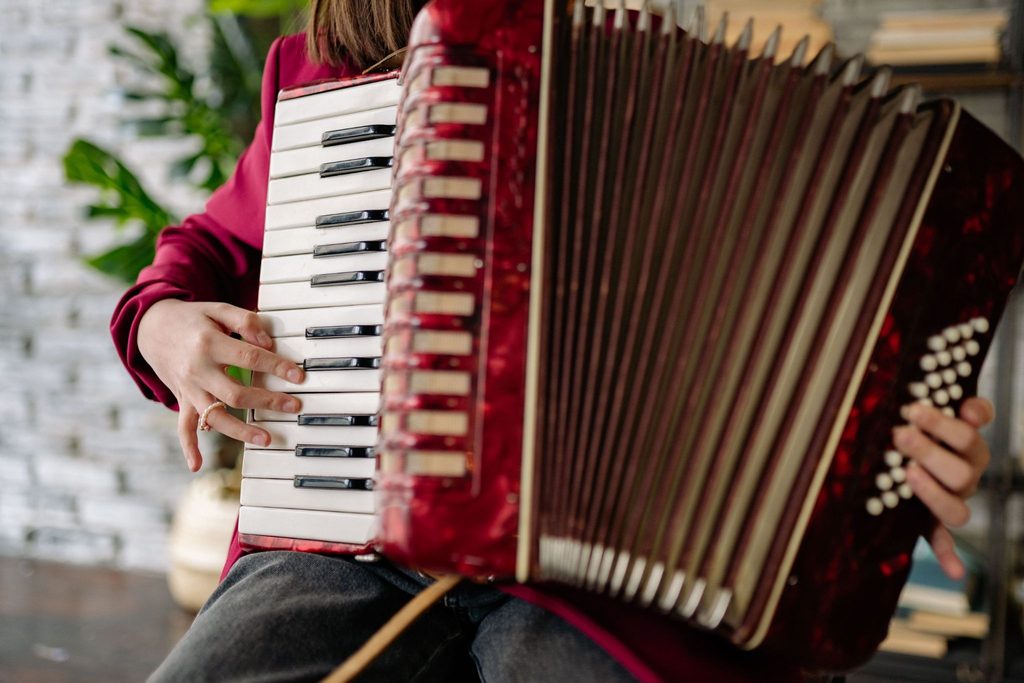
The fair, a circle of onlookers, two people in the middle. A musician is playing the accordion. One of them comes out, does their own dance move, and steps away; the other has to respond and add.
So the first thing to know about Russian dance is that it was not a decoration for the holiday, but a way to show what you are capable of.
Taking an oath as a man’s exam
The most recognizable movement, the one for which foreigners even include videos, has become more famous than the others.
There is a beautiful version that they would have attacked lying down: the prone position pulls the body under the impact, and from there it is convenient to hit the legs. This is not supported by the documents, and there is no similar situation in the military regulations of the eighteenth century.
Ethnographers explain it more boring and reliable. The sit-in has always been a test of strength and endurance for men; a way to show that you can do what the neighbor can’t. The Navy has its own sit-in routine, called «Apple,» which got its name from the way it is played.
This is where the difference between male and female in Russian dance comes from. A man shows strength, jumping, agility, and the ability to fall and get up again. A woman keeps her torso upright, moves smoothly, and all the expression goes to her hands, shoulders, and head.
The most ancient of all the canals
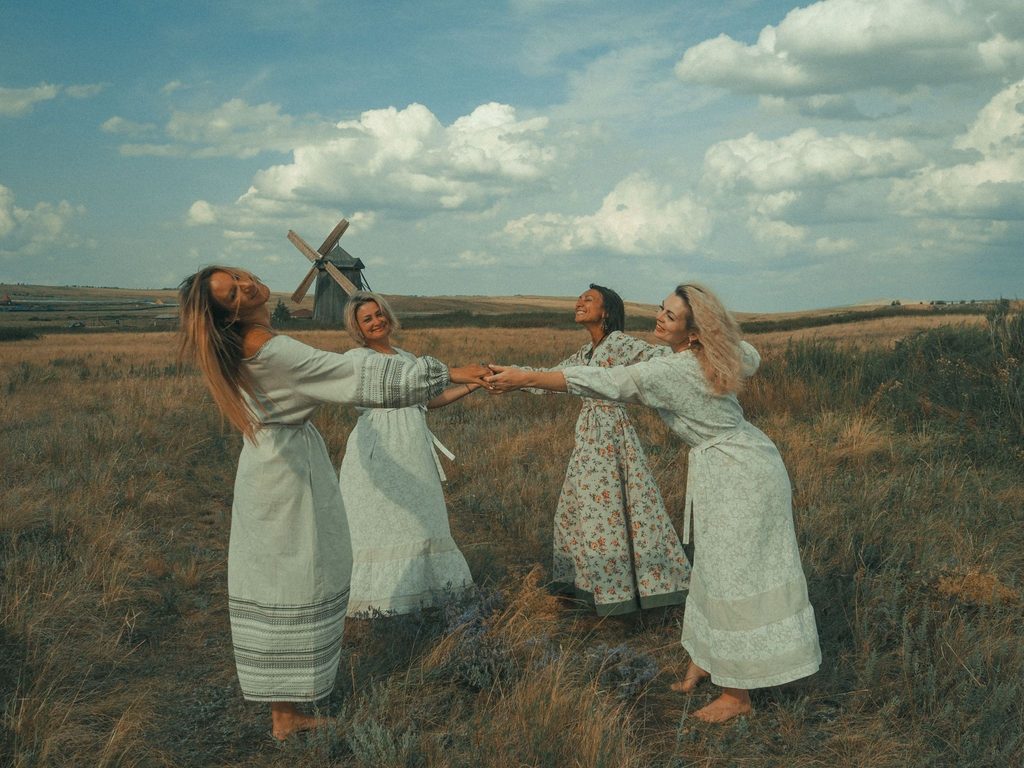
The circle remains the most ancient form, and it's not even really a dance. The circle was used in rituals, and songs are associated with it; participants in it are both spectators and performers.
The device changed from place to place. Somewhere it went in one line, somewhere in four rows; they grabbed onto the belts or held the towels. In the south, such a procession was called the «dance.».
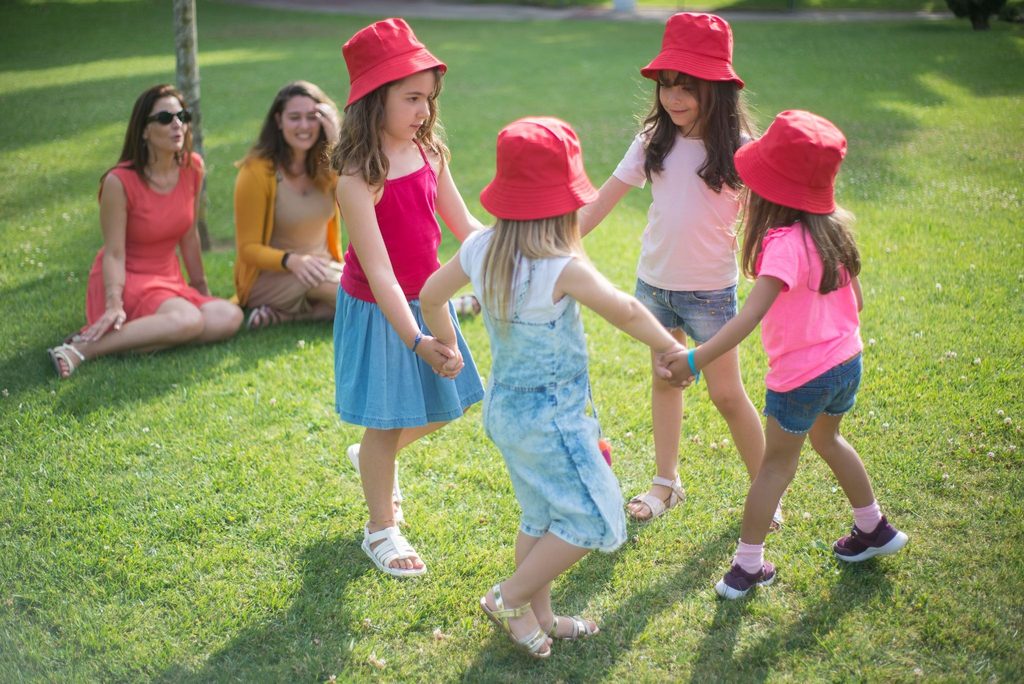
For a child growing up abroad, the parade is usually familiar only in its single form, around a Christmas tree. It’s worth knowing that the tree here is a late visitor, and the actual form dates back many centuries earlier.
Who from where and who belongs to whom
| Dance | Whose is it? | How many people |
|---|---|---|
| Horovod | Russian, a common Slavic form | many, circles or lines |
| Dance | Southern Russian version of the horodov dance | Many, marching in rows |
| Barbynya | Russian | Two, a man and a woman |
| Kamarinskaya | Russian, Komaritskaya volost | more often solo, male |
| Trepak | Russian | solo or group |
| Apple | Russian, sailor, beginning of the twentieth century | solo or group |
| Kadriel | Russian by origin, French by descent | pairs, usually four or more |
| Kazachok | General, Ukrainian, Southern Russian and Belarusian | pair or group |
| Gopak | Ukrainian, Zaporozhian Cossacks | Initially solo, on stage a mass phenomenon |
A bar where a sports event is hidden away
In the bar dance scene, the plot takes shape. She and he dance in turn, as if arguing; the argument is about class: the woman portrays the barmaid, important and dignified, while the man portrays the man, skilled and daring. The refrain goes like this: «Barmaid-barmaid, noblewoman-barmaid.».
The meaning was understood immediately and by everyone. The peasant who danced with a peasant woman at the fair was doing in front of the village what he could not do in real life.
Kamarinskaya and a certain man
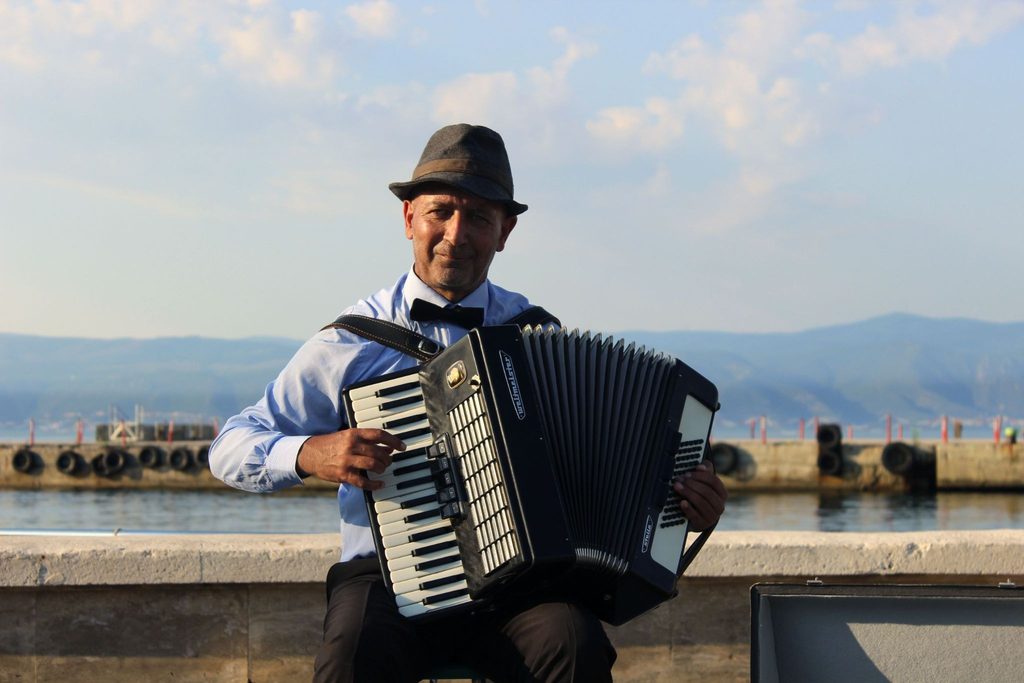
Kamarinskaya's character is structured similarly; there are only two characters: the plashun and the narrator.
The name comes from the Komaritskaya district in the southwest of the Oryol Governorate; the Kamarin man from the song is a man of a completely determined character who has lost all respect for anyone and everyone. Later, this village melody evolved into a larger work: Glinsky wrote an orchestral fantasia on it, and Shostakovich composed his own «Kamarinskaya» for the «Children’s Album.» A rare thing happened: the folk dance became the basis of the music that is played in conservatories.
A similar story ended with a bang. The dance with a stick and a squat, fast, two-thirds of the way through, made it into Shchelkunchik as a Russian dance, and now millions of people know it, having never seen a real bang dance before.
Kadriell from France and Gopak from Zaporizhia
But here's where the surprise awaits. Kadril, which is recorded in the purest Russian village dances, arrived in Russia from French salons as a ballroom dance; and there it grew out of a counterdance with English roots. From the ballroom halls, it descended into the village and settled in so much that it created dozens of local versions.
This story is instructive. Folk music does not have to be ancient or necessarily unique: the language of dance borrows from the language of everyday life just as readily as the ordinary language. We examined a similar plot using the example of violin, which was initially despised, but then became a symbol of the country.
The story behind the dance comes from a folk dance that for decades appeared on foreign posters with the word "russian". It is Ukrainian, originated in the everyday life of the Zaporozhian Guard between the sixteenth and eighteenth centuries, first as a solo male dance, and acquired its usual pair-group form on stage.
Confusion has arisen with the tour: Soviet ensembles performed a common program; in the foreign brochures, everything was written with the word "Russian"; and the gag ended up in the same line as the joke. The gag is even called Ukrainian, Southern Russian, and Belarusian at the same time: it is universal.
It's worth understanding this at least out of politeness. To call a Ukrainian dance a Russian dance is roughly the same as to call an Irish jig an English one.
How to watch so that you can see something
Without preparation, any recording looks the same: people move their feet quickly.
There are three things worth watching: the body: in a woman it is almost motionless, all life is in her hands and shoulders; in a man it is fully active. The third thing is the split, that is, the rhythmic stamping of the feet; what’s more interesting here is not the speed but the pattern. And the final thing is the composition: the dance goes round and round, the dance is built as a dialogue, where each person answers the previous one.
If you include the recording of the ensemble and the recording of the village performance together, the difference is immediately apparent. The scene requires brilliance and synchronicity. And the village lived by improvisation, and in each village they danced in their own way.
Six movements worth learning
Including any recording, look at three things at once: what the instrument’s body is doing, what the drone’s sound is like, and how the composition is structured—is it a circle or a dialogue between two plunks?.
What is there to talk about with a child here
Dance among children growing up abroad usually falls into the same category as a wooden doll and a balalaika, that is, as something cute and not real.
It’s easier to start a conversation by asking why they were doing it. People would gather in groups to compete, show off, flirt, and argue with the barmaid, who you couldn’t argue with in real life. The folk songs that these dances were based on, by the way, also contained a lot of poetry: Yesenin he grew up on the fringes, and that is heard in his lyrics.
Where will this be useful in lessons
Culture is more memorable through storylines than through lists of names, and language along with it. At Palme School we tackle such topics in our classes because words like «dance line,» «fraction» and «tap dance» are remembered along with the picture that goes with them. We accept students from four to seventeen years old.
You can find out if this is right for your child at two free lessons. The first one is held with a methodologist, who gets to know the child, determines their level, and talks about the program. The second one takes place like a real group lesson, with a teacher and other children.
Frequently Asked Questions
Which dances are considered Russian folk dances?
Horovod, barauni, kamarinskaya, trepak, pervyad, kadril in its Russian versions, as well as many local dances with their own names. Gopak is not included in this category; it is Ukrainian.
What is a charade?
A dance competition where the winner is the one who has a richer set of figures and more endurance. It was held under the accompaniment of a piano or singing, most often between two participants, sometimes between entire groups. A good plussun was a man well known in the village, and this reputation was seriously valued.
Where did the bench come from?
There are several versions. A popular one links the swearing to military training, but the documents do not confirm this. Ethnographers see in it an element of male dance that demonstrates strength and endurance, and this explanation is shared by most researchers.
How is men's dance different from women's dance?
In the distribution of roles. The man shows strength and agility, jumping, squatting, and making sharp movements. The woman keeps her torso straight and moves smoothly, while the expression is concentrated in her hands, shoulders, and head movements.
Whose Gagak dance, Russian or Ukrainian?
It originated in the Zaporozhian Cossack community. Abroad, it is often called Russian because Soviet ensembles performed a common program under the label "Russian dance," and the dances of different peoples were mixed together.