

Вообразите на минуту такую картину. Государь огромной державы, которому положено восседать на троне в золоте и принимать послов, вместо этого тайком, под чужим именем, нанимается на чужую верфь простым работником и собственными руками, в стружке и поту, тешет доски, чтобы выучиться строить корабли. Никакому другому царю, ни до, ни после, такое и в страшном сне не приснилось бы. А Петр Первый взял и сделал именно так, всерьез, на полгода с лишним превратившись в плотника по имени Петр Михайлов. И если искать один-единственный образ, в котором весь Петр виден насквозь, то вот он, этот: царь с топором в руках. Человек, который не приказывал стране меняться откуда-то сверху, а сам хватал ее за шиворот и волок за собой, не гнушаясь черной работы и не жалея при этом никого, и менее всего себя самого.
Тот, кто наберет в поиске peter the great или peter the great russia, получит дюжину парадных портретов в латах и мантиях, и ни один из них не объяснит главного. А главное в том, что этот человек переделал страну так круто и так насильно, как до него не делал никто, и спор о том, спаситель он или мучитель России, не утих и за три столетия. Вот в этом споре, а не в перечне побед, и стоит разобраться, потому что Петр интересен именно своей неоднозначностью, и за нее же его и проклинали, и боготворили.
Царь с топором в руках
Чтобы понять, откуда в нем эта ломовая, нечеловеческая энергия, стоит вспомнить, что трон достался ему странно и рано. Мальчишкой его провозгласили царем вместе с болезненным братом Иваном, на двоих смастерили даже особый двойной трон, а реально правила за них сестра, царевна Софья. И пока при дворе шли свои интриги, юный Петр был предоставлен сам себе и пропадал в Немецкой слободе, среди иноземцев, да на воде, возясь с лодками и потешными полками. Там, вдали от чопорного кремлевского обихода, и вырос не церемонный московский государь, а нетерпеливый, любопытный, рукастый человек, которому все хотелось пощупать, разобрать и переделать по-своему.
Эта черта и определила все его царствование. Петр не умел и не желал править чинно, сидя сложа руки. Он всюду лез сам: сам брил бороды боярам, сам выдергивал больные зубы у придворных, сам водил полки в бой и сам стоял у токарного станка. Власть для него была не привилегией восседать, а инструментом, которым он принялся перекраивать неповоротливую, как ему казалось, страну, и перекраивал ее с яростью человека, уверенного, что прав, и не привыкшего, чтобы ему перечили.
Зачем царь поехал в Европу простым плотником
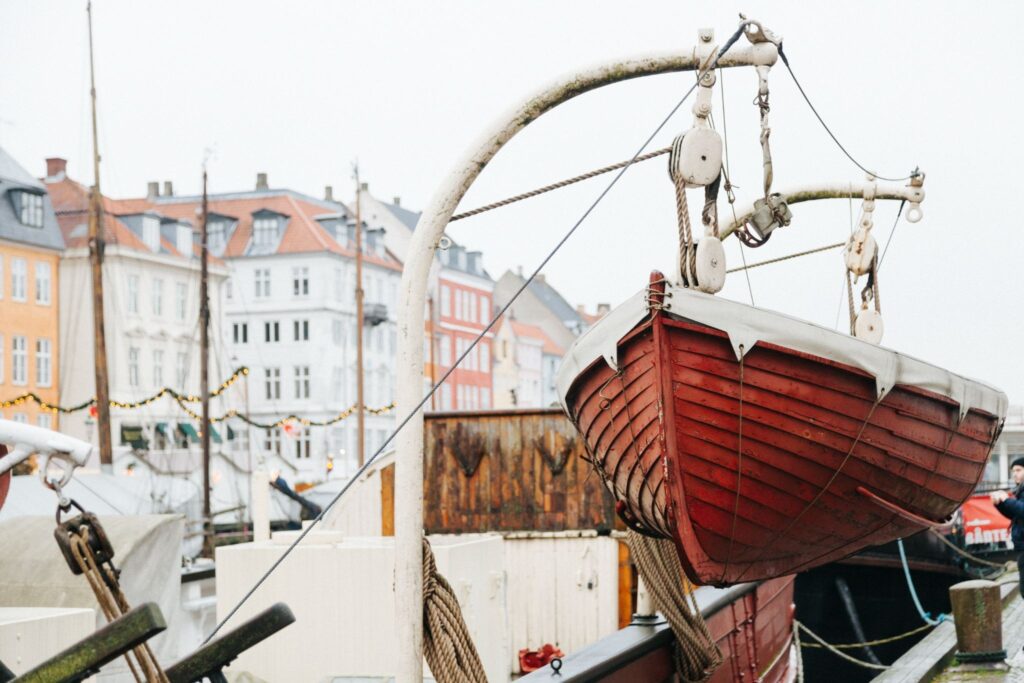
То самое путешествие, с которого мы начали, было не царской прихотью, а делом государственным, и называлось оно Великим посольством. В 1697 году молодой царь отправил в Европу большую дипломатическую миссию, искать союзников против давних врагов, и сам поехал с ней, но не во главе, а в тени, под именем простого бомбардира Петра Михайлова. Хитрость была шита белыми нитками, двухметрового царя узнавали повсюду, и все же она давала ему свободу делать то, чего государю не положено: учиться ремеслу руками.
И он учился жадно, как одержимый. В Голландии осваивал плотницкое и корабельное дело на верфях, в Англии ходил по музеям, монетным дворам и мастерским, заглянул и в Оксфорд, и в Гринвичскую обсерваторию, всюду выспрашивая, как что устроено. Назад он привез не столько военный союз, которого, по правде, толком и не добыл, сколько нечто куда более взрывоопасное: жгучую, нетерпеливую уверенность, что Россию надо немедленно, любой ценой развернуть к этому новому миру. С этой мыслью он и вернулся, и стране после его возвращения предстояло содрогнуться.
Бороды, календарь и новая страна
Начал он с вещей, которые задели каждого, и оттого запомнились ярче иных великих реформ. Едва вернувшись, царь принялся самолично резать боярам длинные бороды и полы старинных кафтанов, а тем, кто желал бороду сохранить, велел платить особый налог, словно за роскошь жить по старине. Кому-то это покажется мелочью, но борода для русского человека той поры была делом чести и веры, и Петр, посягнув на нее, ясно дал понять: прежней жизни конец, ломать будут все, вплоть до лица.
И ломал. Он перенес начало года с осени на первое января и велел встречать его по-новому, с украшенными деревьями, так что сама привычка праздновать Новый год зимой пошла от него. Завел первую в стране печатную газету, «Ведомости». Загнал дворянских недорослей за парты, поставив продвижение по службе в зависимость от учения. А в 1721 году сделал и вовсе невиданное: упразднил патриаршество и подчинил церковь государству через особый совет, Синод, объяснив, что двух государей в стране быть не может. Каждая из этих перемен по отдельности перекраивала уклад, а все вместе они за одно царствование превратили Московское царство в незнакомую самой себе страну. Перечень главных его преобразований удобнее окинуть одним взглядом в отдельной таблице, но суть их в одном: Петр не подправлял Россию, он пересобирал ее заново.
Главные реформы Петра I
| Область | Что сделал Петр |
|---|---|
| Армия | Создал регулярную обученную армию по европейскому образцу |
| Флот | Построил с нуля военный и торговый флот |
| Церковь | Упразднил патриаршество, подчинил церковь государству через Синод |
| Календарь | Перенес начало года на 1 января, ввел новое летоисчисление |
| Быт | Запретил бороды и старинное платье, ввел налог на бороду |
| Образование | Открыл светские школы, связал службу с учением |
| Печать | Завел первую регулярную газету «Ведомости» |
| Управление | Перестроил государственный аппарат на новый лад |
Война длиной в двадцать лет
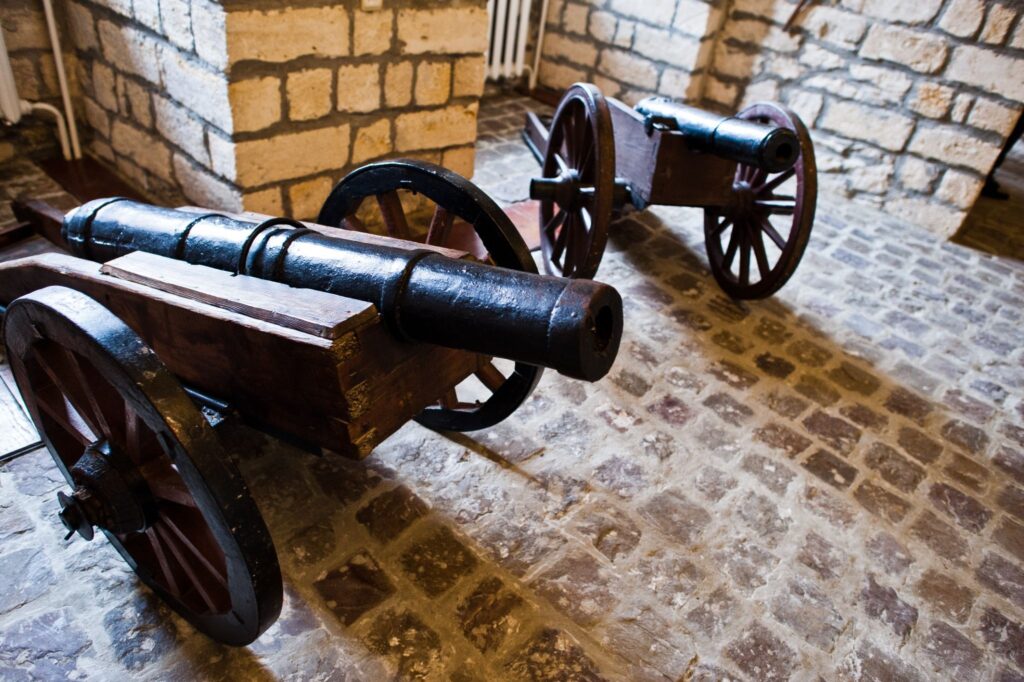
Все эти перемены затевались не из любви к новизне, а ради одного, сделать Россию сильной и пробить ей выход к морю, без которого большая держава задыхалась. Ради этого Петр и ввязался в Северную войну со Швецией, сильнейшей тогда военной державой севера, и война эта растянулась на два десятка лет, с 1700 по 1721 год.
Начиналась она для России позорно, с тяжелого разгрома под Нарвой, и многие решили, что молодой царь зарвался. Но Петр был из тех, кого поражение лишь распаляет. Он перекроил армию заново, лил пушки, по преданию не побрезговав и церковными колоколами, поднял с нуля флот, а под Полтавой в 1709 году разнес дотоле непобедимых шведов в пух. Та баталия и надломила весь ход войны, так что к развязке, в 1721-м, Россия получила вожделенный балтийский берег и протиснулась в первый ряд европейских держав. В награду за эту победу Петр и принял титул императора, став тем, кого в истории знают как emperor peter i, а страна из царства стала империей. Ход этой долгой войны, от Нарвы до Полтавы и мира, удобнее проследить по отдельной таблице.
Северная война, ключевые вехи
| Год | Событие |
|---|---|
| 1700 | Начало войны со Швецией, тяжелое поражение под Нарвой |
| 1703 | Основание Санкт-Петербурга на отвоеванной земле |
| 1709 | Полтавская битва, разгром шведов, перелом в войне |
| 1721 | Ништадтский мир, выход к Балтике, титул императора |
Город на пустом месте
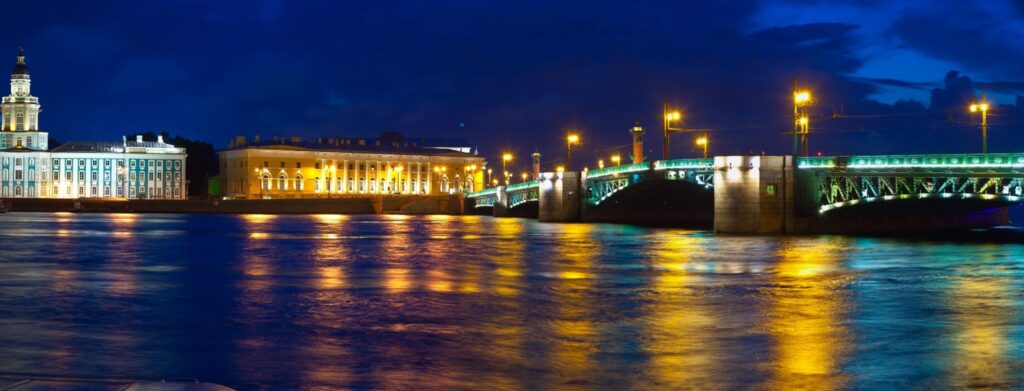
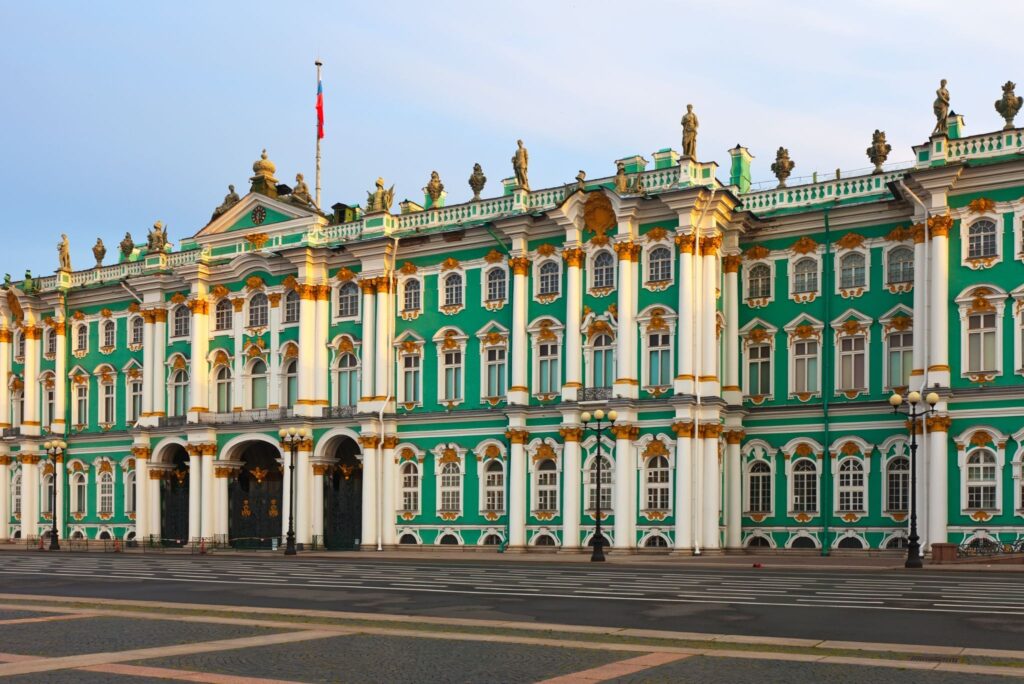
Самый зримый памятник этой эпохе Петр заложил прямо посреди войны, на отвоеванной у шведов гнилой, болотистой земле в устье Невы. В 1703 году здесь, среди топей и комаров, где не было ровно ничего, он основал новый город и назвал его на иноземный лад Санкт-Петербургом. Затея выглядела безумной: строить столицу на краю государства, на болоте, под боком у врага, с которым еще идет война.
Но в этом весь Петр. Город рос на костях, в прямом смысле, его возводили согнанные со всей страны работники, многие из которых так и остались лежать в этой сырой земле, и цена ему была заплачена страшная. И все же на пустом месте за считаные годы поднялась новая, светлая, прямая, на европейский манер расчерченная столица, та самая, про которую поэт потом скажет, что отсюда Петр прорубил окно в Европу. Перенеся сюда из старой Москвы столицу, царь будто заявил, что и страна теперь будет другой, лицом к морю и к западу, а не к привычной старине.
Цена, которую за все заплатили
И вот тут пора сказать о том, о чем в восторженных рассказах про великого преобразователя часто умалчивают. За все эти корабли, победы и города было заплачено непомерной, жестокой ценой, и платила ее вся страна. Чтобы найти деньги, людей и руки на бесконечные войны и стройки, Петр выжимал из народа все соки, давил налогами, сгонял на работы, ломал сопротивление беспощадно. Стрелецкие бунты он подавлял с такой свирепостью, что сам, по свидетельствам, участвовал в казнях. Страна рванулась вперед, но рывок этот дался ей кровью и надрывом, и многие за блеск новой империи заплатили жизнью.
Самая же темная и личная страница этой цены это судьба царевича Алексея, родного сына Петра. Старший наследник вышел вовсе не в отца, тихим, набожным, чуждым отцовских реформ, и в конце концов, не вынеся отцовского гнета, бежал за границу. Петр вернул его хитростью и обещаниями, заставил отречься от престола, а затем повел над ним следствие. Под пытками и допросами дело шло к худшему, и летом 1718 года, после смертного приговора, царевич умер в Петропавловской крепости при так и не проясненных обстоятельствах. Был ли он и вправду виновен в заговоре, доконали ли его пытки или с ним расправились тайно, доподлинно не знает никто. Ясно лишь, что отец, перекраивая страну, не пощадил и собственного сына, и в этой мрачной истории Петр виден весь, с его величием и его страшной готовностью идти до конца.
Так гений или тиран
Вот мы и вернулись к тому, с чего начали. Кем же все-таки был Петр, спасителем России или ее мучителем. И самое честное, что можно ответить, обоими разом, и в этом нет никакого противоречия. Он действительно вытащил страну из вековой замкнутости, дал ей флот, армию, науку, города и место среди великих держав, и в этом смысле гений, каких мало. И он же добивался всего этого насилием, кровью и надрывом целого народа, ломая через колено и уклад, и людей, и в этом смысле тиран. Недаром оценки его и поныне расходятся до полной противоположности: одни видят в нем величайшего из русских правителей, другие человека, что силой и кровью переломил естественный ход жизни страны.
И, пожалуй, спорить, какая из оценок верная, бессмысленно, потому что верны обе сразу. Петр велик именно тем, что в нем эти две правды не отменяют, а усиливают друг друга. Он остается в истории фигурой громадной и неуютной, человеком, который любил Россию так, как умел, то есть безжалостно, и переделал ее так круто, что мы живем в стране, которую во многом скроил именно он.
Зачем это знать ребенку вне России
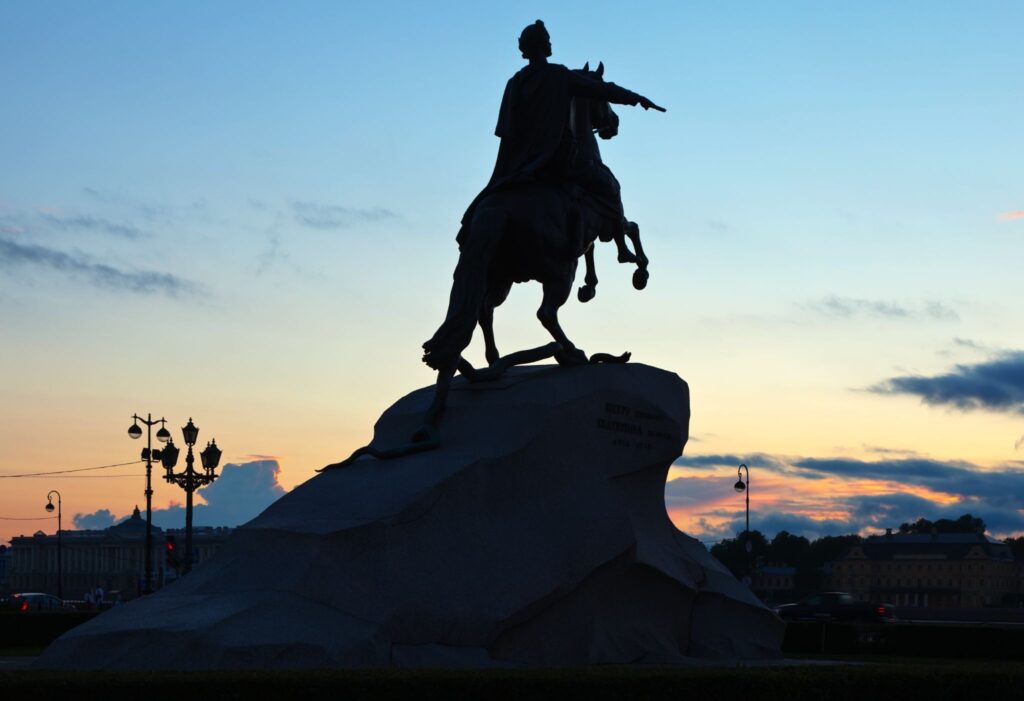
Для ребенка, что растет вдали от России, Петр Первый обычно сводится к бронзовому всаднику да паре строчек из учебника, великий царь, основал Петербург, и все. А ведь за этим стоит история захватывающая и совсем не однозначная, про человека-вихрь, который силой втащил целую страну в новое время и заплатил за это страшную цену. Понять такую фигуру значит научиться видеть в истории не плоские ярлыки великий или ужасный, а живую, противоречивую правду, и это умение пригодится далеко за пределами рассказа о Петре.
В Palme School мы и стараемся подавать историю вот так, объемно, через характеры, поступки и их цену, а не через строй сухих дат. Понять, кем был Петр, что он сделал со страной и почему о нем спорят до сих пор, для нас такой же урок языка и культуры, как чтение или грамматика, ведь без этого слоя язык остается плоским. Мы учим детей с четырех до семнадцати лет, отдельно для билингвов и для тех, кому русский по сути иностранный, онлайн, в маленьких группах, по сорок минут.
Понять, подойдет ли это вашему ребенку, можно бесплатно. В школе дают два пробных урока. Первый это знакомство с методистом, который определит уровень и расскажет про программу. Второй настоящий урок в группе, с преподавателем и другими детьми. Так сразу видно, как ребенок чувствует себя в русской среде и что ему интереснее всего.
Россия до и после Петра
| Что | До Петра | После Петра |
|---|---|---|
| Статус | Московское царство | Российская империя |
| Столица | Москва | Санкт-Петербург |
| Выход к морю | Почти отрезана от морей | Балтийский берег и флот |
| Армия | Стрелецкое и поместное войско | Регулярная армия и флот |
| Начало года | 1 сентября | 1 января |
| Церковь | Во главе с патриархом | Подчинена государству через Синод |
| Облик и быт | Бороды, старинное платье | Европейское платье, бритые лица |
Что стоит запомнить
Петр Первый остается в истории человеком, который переделал Россию так круто, как не удавалось никому. Он съездил в Европу простым плотником, привез оттуда замысел перекроить страну и взялся за дело без оглядки: брил бороды, менял календарь, строил флот и города, выиграл двадцатилетнюю войну со Швецией, основал на болотах Петербург и превратил царство в империю. Но за этот рывок страна заплатила страшную цену, кровью, тяготами и жизнями, не исключая и жизни его собственного сына. Оттого о Петре и спорят третий век, гений он или тиран, и самое верное тут что обе правды живут в нем разом. А итог его трудов мы видим до сих пор, ведь во многом живем в той России, которую скроил именно он.
Кто такой Петр Первый и чем он знаменит?
Это русский царь, а с 1721 года первый российский император, при котором страна совершила резкий поворот к Европе. Он создал флот и регулярную армию, выиграл долгую войну со Швецией, основал Санкт-Петербург и провел реформы, перекроившие весь уклад. За масштаб этих перемен его и прозвали Великим, хотя добивался он их крайне жесткими методами.
Зачем Петр Первый ездил в Европу?
В 1697 году он отправился с Великим посольством, чтобы найти союзников против врагов России, а заодно своими глазами увидеть европейскую жизнь и технику. Ехал он тайно, под именем простого бомбардира Петра Михайлова, и в Голландии лично учился строить корабли. Союзников нашлось немного, но домой Петр привез твердое намерение переделать Россию на европейский лад.
Какие реформы провел Петр Первый?
Очень многие, и они затронули все стороны жизни. Он заставил брить бороды и носить европейское платье, перенес начало года на первое января, завел первую газету, упразднил патриаршество и подчинил церковь государству через Синод, перестроил армию, создал флот, развивал образование и промышленность. По сути, он пересобрал страну заново.
Почему Петр основал Санкт-Петербург?
Заложили его в 1703 году в невском устье, на свежеотбитой у шведа земле, ради того самого выхода к Балтике и короткой дороги в Европу. Топь, сырость, гиблое место, и стройка эта унесла без счета жизней, и все же именно сюда Петр и перетащил столицу, развернув страну лицом к воде и к западу. Петербург стал главным символом новой, преобразованной России.
Что такое Северная война?
Так зовут затяжную войну со Швецией за балтийский берег, что шла с 1700 по 1721 год. Для России она открылась горьким разгромом под Нарвой, а переломил ее полтавский триумф 1709 года. К финалу страна получила выход к морю, а Петр короновался императором, обратив царство в империю.
Почему Петра называют Великим?
Потому что за одно правление он изменил Россию сильнее, чем иные правители за века. Он вывел страну к морю, сделал ее сильной военной и морской державой, основал новую столицу и провел глубокие реформы. Титул императора и прозвище Великий он получил после победы в Северной войне. При этом методы его были крайне жесткими, и оценки его личности расходятся до сих пор.
Правда ли, что Петр был жестоким?
Да, у его величия была тяжелая цена. Реформы и войны Петра требовали огромных средств и рук, и он добивался их беспощадно, давил налогами, сгонял людей на стройки и подавлял бунты с большой жестокостью. Самая трагическая страница это судьба его сына, царевича Алексея, погибшего в крепости после следствия. Поэтому Петра одновременно и прославляют, и осуждают.
Что случилось с сыном Петра, царевичем Алексеем?
Старший сын царя был отцовским затеям чужим человеком и под конец бежал за рубеж. Петр выманил его назад, принудил отречься от трона и завел следствие. Летом 1718 года, уже после смертного приговора, царевич угас в Петропавловской крепости, и как именно, темно по сей день. Доподлинной причины не знает никто, и страница эта остается из самых черных во всей петровской судьбе.
Петр Первый был хорошим или плохим правителем?
Прямого ответа тут и быть не может, в том и соль. Он выдернул Россию из вековой затворенности, дал ей флот, армию, науку и место среди сильнейших, и этим велик. Да только платой за все это были неисчислимые тяготы народа, принуждение и кровь. Оттого для одних он первейший из русских правителей, для других мучитель, и опираются обе стороны на одни и те же факты.