

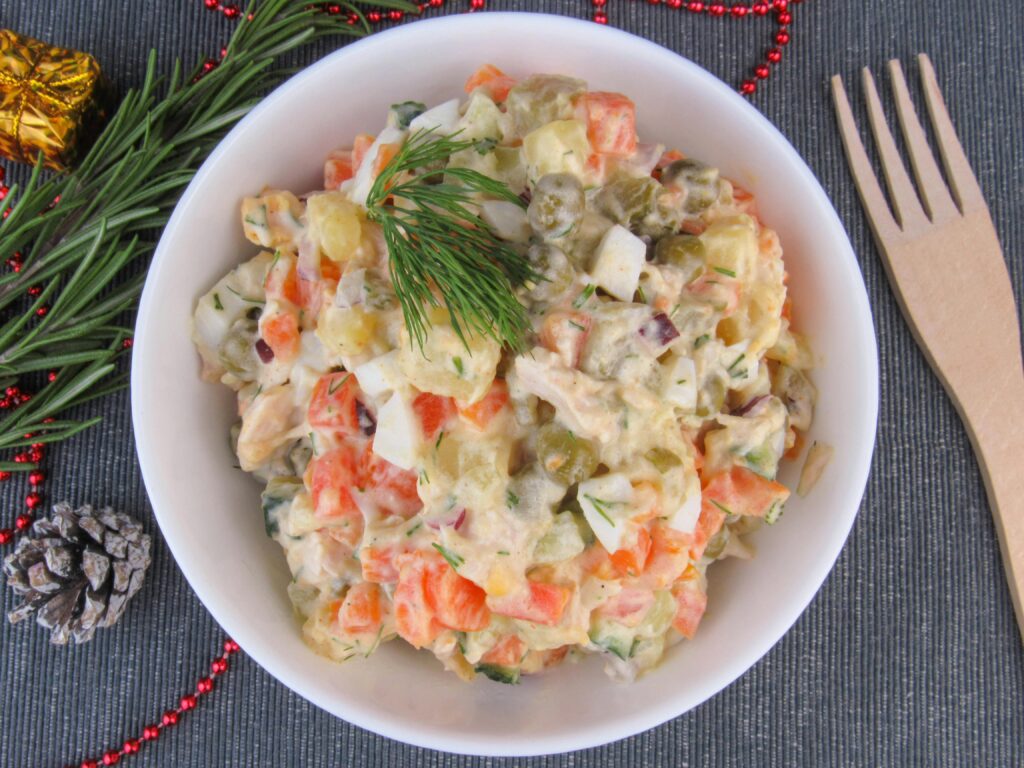

Во всем мире его так и зовут, русский салат. Для иностранца оливье и есть сама суть русского застолья, та самая загадочная миска, без которой у русских будто бы и Новый год не Новый год. И тут кроется первый из его парадоксов: русский салат придумал француз. А второй парадокс еще занятнее: то, что режут в каждой квартире под бой курантов, отварная колбаса с картошкой, морковью и горошком под майонезом, имеет к французскому первоисточнику примерно такое же отношение, как фотография к человеку. Имя осталось, а блюдо сменилось почти целиком.
История оливье это, по сути, история о том, как изысканное ресторанное кушанье спустилось с барского стола на кухню обычной семьи, растеряв по дороге дорогие продукты, но зато став родным для целой страны. Тот, кто ищет olivier salad и хочет один правильный рецепт, обычно обнаруживает десятки, и ни один из них не оригинал. Дальше разберемся, кто и зачем придумал оливье, почему его настоящий состав не знает никто, как из дичи он превратился в колбасу и почему без него немыслим русский Новый год.
Русский салат, который придумал француз
Родился он в Москве позапрошлого века, в стенах шикарного «Эрмитажа», и навсегда сросся с фамилией Оливье. Чаще всего рассказывают про француза Люсьена Оливье, но историки до сих пор не сошлись ни в том, откуда он был родом, ни в том, какую роль играл при ресторане, повара или хозяина, так что и сам автор салата проступает из прошлого смутно, словно сквозь туман. Бесспорно одно: блюдо, носящее его имя, стало гвоздем меню и приманкой для богатой публики.
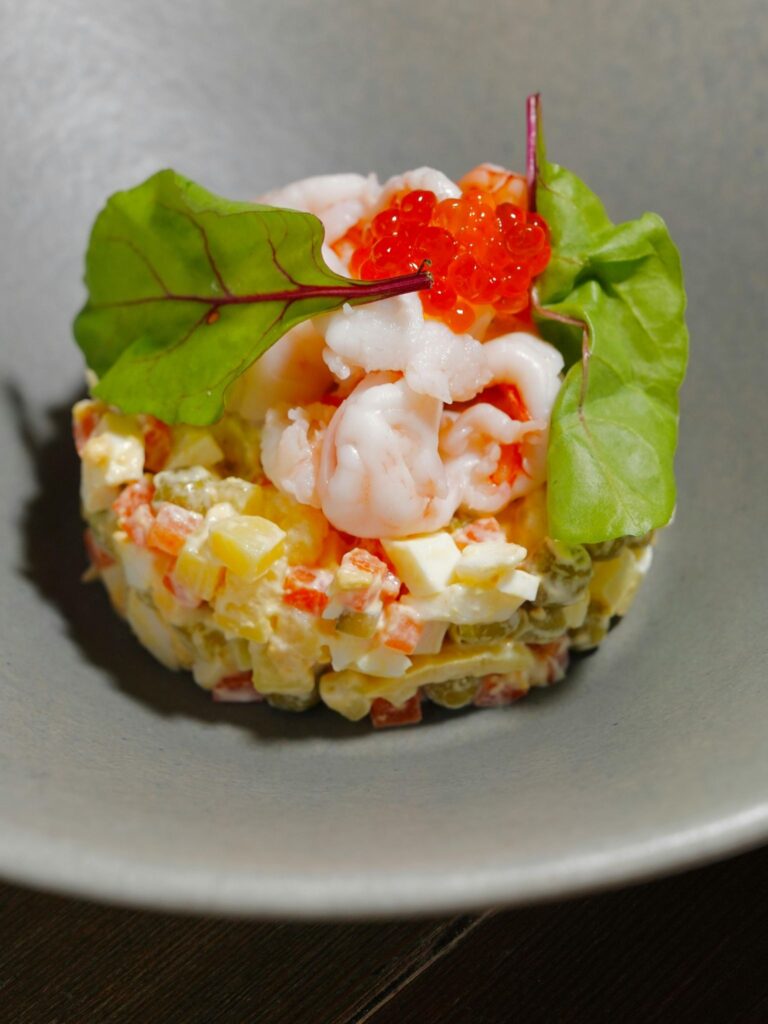
Любопытно, что изначально это был вовсе не салат в нашем понимании, не перемешанная горка нарезанных продуктов. Подавали его как изящную композицию на блюде, красиво уложенную, и в ход шли продукты, от одного перечня которых кружится голова: филе рябчиков, отварной телячий язык, раковые шейки, паюсная икра, свежие огурцы, каперсы. Все это великолепие соединял особый соус, предок нынешнего майонеза, который на французский лад звался провансаль. Гости, как гласит предание, повадились перемешивать эту красоту на тарелке в общую массу, и повар, оскорбленный таким варварством, в сердцах смешал все сам, превратив композицию в тот самый салат. Правда это или красивая байка, проверить уже нельзя, но превращение действительно случилось: со временем оливье из произведения искусства стал блюдом, которое попросту мешают в миске.
Тайна, которую унесли в могилу
Вот теперь самое интересное: настоящего рецепта оливье не знает никто. Создатель берег секрет своего салата, и прежде всего секрет того самого соуса, так ревниво, что не доверял его даже собственным поварам, готовившим рядом с ним каждый день. Он унес тайну с собой, не оставив записи, и все позднейшие реконструкции это лишь более или менее правдоподобные догадки.
Выходит почти невероятная вещь: самый знаменитый салат русской кухни это блюдо, точного рецепта которого не существует в природе. Любой «настоящий» оливье, что предлагают старинные кулинарные книги или нынешние повара, на деле попытка восстановить утраченное по косвенным приметам, по обрывкам воспоминаний тех, кто его пробовал. И в этом, если вдуматься, есть особая прелесть: блюдо, у которого нет канона, каждый волен делать на свой лад, и никто не вправе сказать, что это неправильно.
Как оливье стал советским
Дореволюционный оливье с его рябчиками и раковыми шейками был едой богатых, и спокойно жить ему оставалось недолго. Революция смела и сам ресторан «Эрмитаж», и тех, кто туда ходил, а главное, само снабжение деликатесами. Доставать дичь, раковые шейки и заморские каперсы стало попросту негде, и казалось, салат обречен исчезнуть вместе со старым миром.
Но случилось обратное, и это самое любопытное в его судьбе. Оливье не умер, а приспособился, заменив дорогое доступным. Рябчиков сменила вареная колбаса или курица, раковые шейки и икра попросту исчезли, благородные добавки уступили место отварной моркови и зеленому горошку из банки, а изысканный провансаль, магазинному майонезу. Из блюда для избранных оливье превратился в салат, который мог собрать у себя на кухне кто угодно, были бы картошка, яйца, банка горошка и майонез. Любопытно, что самым правильным, классическим в советское время считали оливье именно с говядиной, а привычная многим докторская колбаса была скорее частой выручалочкой, чем эталоном. Так барское кушанье, потеряв роскошь, обрело куда большее, всенародную любовь, и стало тем самым russian salad, который знает весь мир.
Из чего делают оливье сегодня
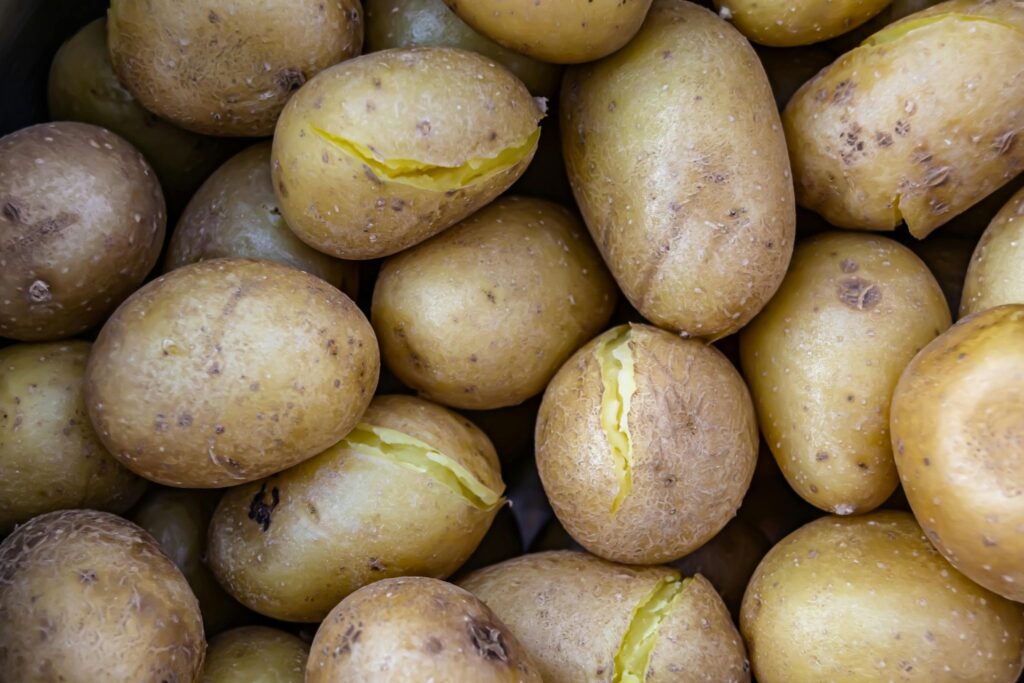
Современный оливье прост и собирается из того, что есть в любом магазине. Основа его это отварной картофель и морковь, крутые яйца, зеленый горошек и соленые либо свежие огурцы, а главным действующим лицом выступает мясная составляющая, чаще всего вареная колбаса, отварная курица или говядина, тут уж кто что любит. Связывает все это майонез, и в этом советская простота салата.
Споров вокруг состава хватает, и они-то и делают оливье таким семейным. Одни кладут только соленый огурец и презирают свежий, другие ровно наоборот. Кто-то добавляет свежее яблоко ради кислинки, кто-то немного лука, кто-то заменяет колбасу куском хорошего отварного мяса, возвращаясь к дореволюционным корням. Точный набор продуктов и пропорции удобнее держать перед глазами отдельным списком, и им место в таблице, но сам дух блюда в том и состоит, что строгого списка нет.
Как приготовить оливье

Главная премудрость оливье спрятана не в составе, а в нарезке. Все продукты режут мелким кубиком, и, что важнее всего, кубиком одинаковым, чтобы в ложке оказывались сразу все вкусы вперемешку, а не один кусок картошки или огурца. Именно ровная мелкая нарезка отличает аккуратный, ладный оливье от небрежно покромсанного, и именно на нее уходит больше всего времени и терпения.
Дальше все просто. Картофель, морковь и яйца отваривают заранее и непременно дают полностью остыть, иначе теплые продукты испортят майонез и салат поплывет. Все нарезанное складывают в большую миску, добавляют горошек, и тут есть негласное правило: заправлять майонезом стоит только перед самой подачей, особенно если салат не съедят за один присест, иначе он быстро раскиснет и потечет. Поэтому опытные хозяйки часто нарезают все заранее, а соединяют с майонезом в последний момент. Сам порядок действий по шагам сподручнее иметь под рукой отдельной памяткой.
Оливье, ингредиенты и пошаговый рецепт
Ингредиенты на большую миску
| Продукт | Количество |
|---|---|
| Картофель | 4 штуки |
| Морковь | 2 штуки |
| Яйца | 4 штуки |
| Вареная колбаса или отварное мясо | 300 г |
| Соленые или свежие огурцы | 3 штуки |
| Зеленый горошек | 1 банка |
| Лук репчатый | половина небольшой луковицы по желанию |
| Майонез | по вкусу |
| Соль, перец | по вкусу |
Как готовить
| Шаг | Что делать |
|---|---|
| 01 | Картофель, морковь и яйца отварить заранее и полностью остудить |
| 02 | Все продукты нарезать мелким одинаковым кубиком |
| 03 | Сложить в большую миску, добавить зеленый горошек, посолить, поперчить |
| 04 | Перемешать, попробовать, при желании добавить немного лука |
| 05 | Заправить майонезом перед самой подачей, чтобы салат не раскис |
Сколько семей, столько оливье
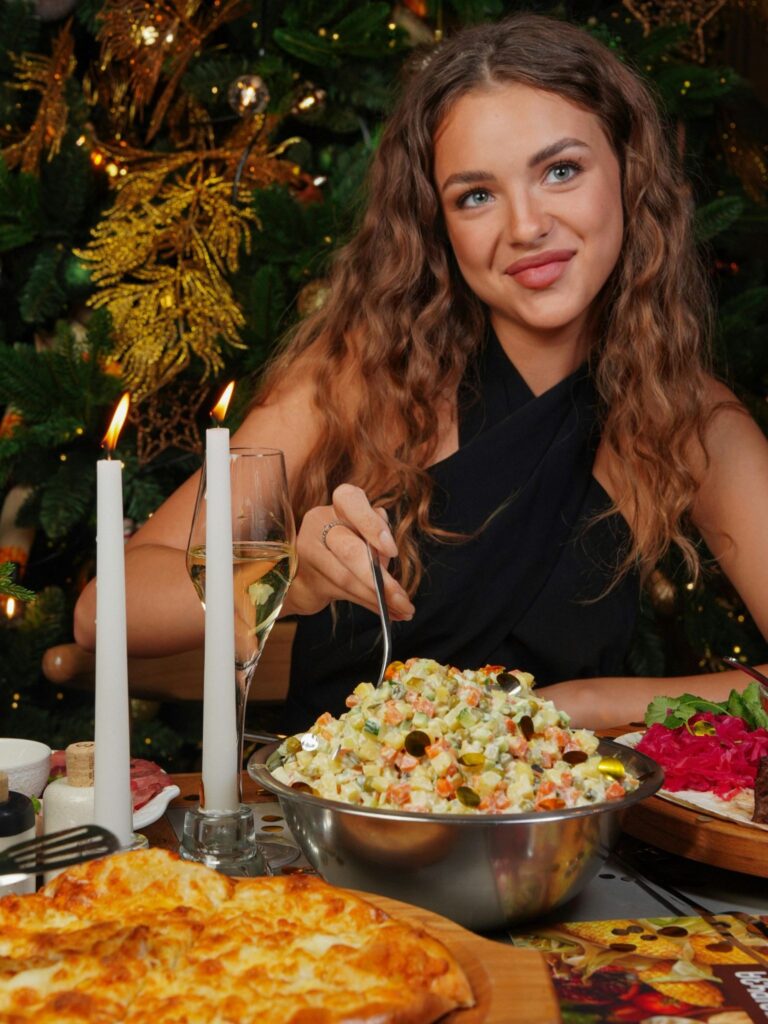
Если есть в русской кухне блюдо, у которого нет двух одинаковых версий, то это оливье. В каждой семье он свой, и рецепт этот передается не по книге, а от матери к дочери, с малыми, но свято хранимыми отличиями. Где-то режут колбасу, где-то отварную говядину, а где-то курицу. Кто-то делает оливье с соленым огурцом, кто-то со свежим, и обе стороны убеждены в своей правоте. Существуют и более смелые версии: с красной рыбой или крабовыми палочками вместо мяса, с яблоком, с разными хитрыми добавками.
Какие бывают вариации оливье
| Вариант | Чем отличается |
|---|---|
| С колбасой | Самый простой и привычный домашний вариант |
| С говядиной | Считался классическим в советское время, вкус богаче |
| С курицей | Легче и нежнее, ближе к историческим рябчикам |
| С рыбой или крабовыми палочками | Морская версия вместо мяса |
| С яблоком | Свежая кислинка в составе |
| На соленом или свежем огурце | Вечный домашний спор о том, какой правильнее |
Особенно любопытно сравнить два полюса этого блюда, тот дореволюционный оливье из дичи и раковых шеек и привычный советский с колбасой и горошком. Между ними полтора века и целая пропасть в продуктах, а имя одно. Наглядно развести оригинальный и советский варианты проще всего в небольшой таблице, но суть в том, что перед нами не два рецепта, а две эпохи одной страны, уместившиеся в одной салатнице.
Оригинальный и советский оливье
| Что сравниваем | Дореволюционный оригинал | Советский вариант |
|---|---|---|
| Мясная основа | Рябчики, телячий язык | Вареная колбаса, курица или говядина |
| Деликатесы | Раковые шейки, паюсная икра, каперсы | Исчезли |
| Овощи | Свежие огурцы | Морковь, горошек, соленые или свежие огурцы |
| Заправка | Особый соус провансаль | Магазинный майонез |
| Подача | Изящная композиция на блюде | Перемешанный салат в миске |
| Кто ел | Богатая публика ресторана | Вся страна, особенно на Новый год |
Почему оливье это весь русский Новый год
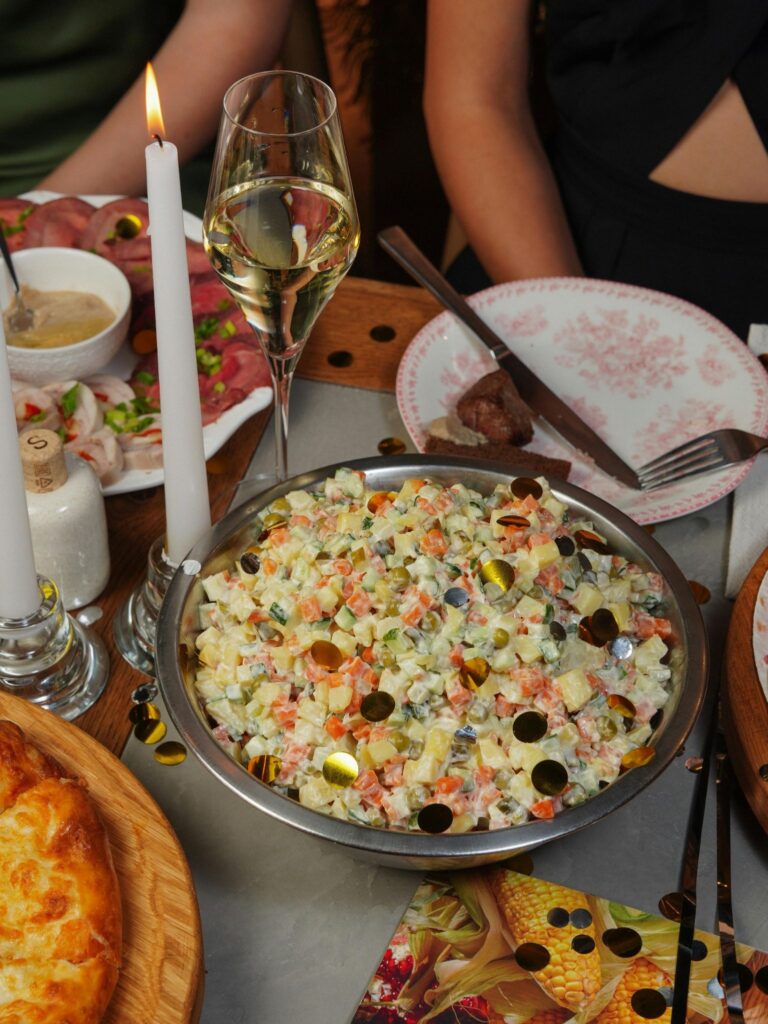
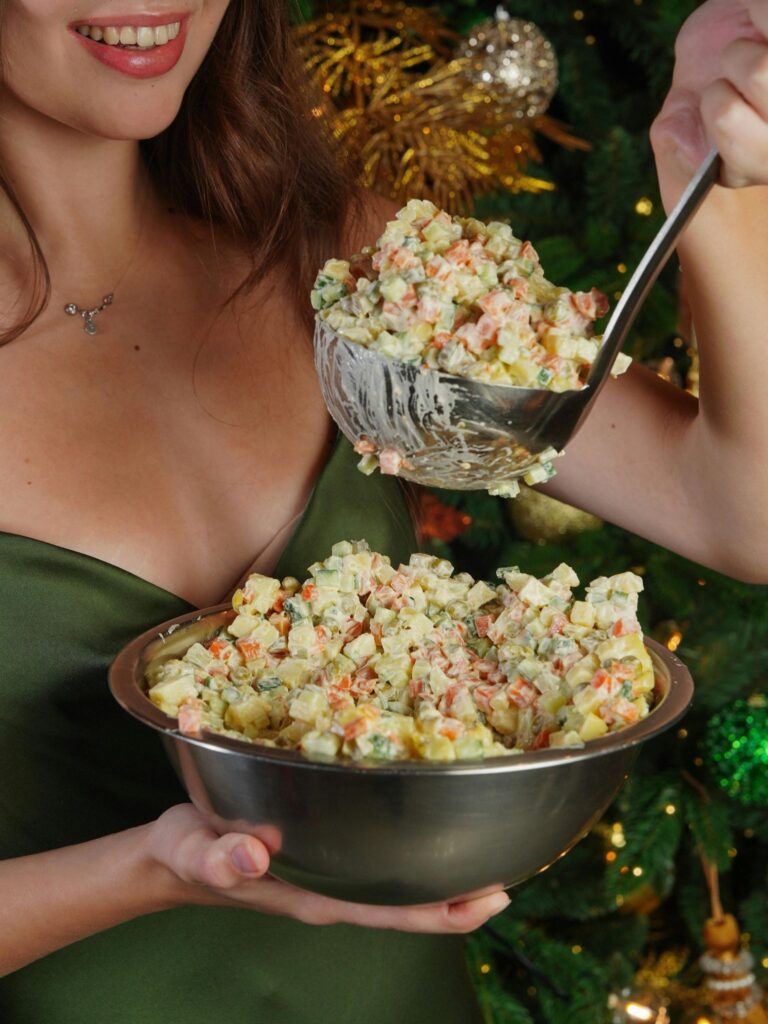
Ни один русский салат не сросся с праздником так, как оливье с Новым годом. Для миллионов людей запах и вкус этого салата неотделимы от тридцать первого декабря, от наряженной елки, от телевизора с обращением и боем курантов. Его готовят загодя и помногу, целыми тазами, чтобы хватило и на новогоднюю ночь, и на первое января, и на гостей. Рядом с ним на столе непременно мандарины, чей аромат для выросших в этой культуре и есть запах праздника, и бокал шампанского под бой часов.
В этом и весь феномен оливье. Давно перестав быть просто едой, он сделался обрядом, частью новогоднего ритуала, таким же его символом, как елка или подарки. И когда за границей русская семья режет под Новый год оливье, который иностранцы так и называют, new year russian salad, она режет не салат, а кусочек дома.
Зачем это знать ребенку вне России

Для ребенка, который растет вдали от России, оливье часто оказывается одним из самых ярких новогодних воспоминаний, тем вкусом, что намертво связывается с праздником, семьей и елкой. Через простую миску салата ребенок чувствует, что Новый год у его семьи особенный, не такой, как у соседей, и эта связь с родной культурой остается с ним надолго.
В Palme School мы стараемся показать детям, что за каждым таким блюдом стоит живая история, и оливье тут отличный пример: француз, тайный рецепт, превращение барской еды в народную, целая эпоха в одной салатнице. Рассказать это значит сделать язык и культуру не сухим уроком, а чем-то по-настоящему интересным. Мы учим детей с четырех до семнадцати лет, отдельно для билингвов и для тех, кому русский по сути иностранный, онлайн, в маленьких группах, по сорок минут.
Понять, подойдет ли это вашему ребенку, можно бесплатно. В школе дают два пробных урока. Первый это знакомство с методистом, который определит уровень и расскажет про программу. Второй настоящий урок в группе, с преподавателем и другими детьми. Так сразу видно, как ребенок чувствует себя в русской среде и что ему интереснее всего.
Что стоит запомнить
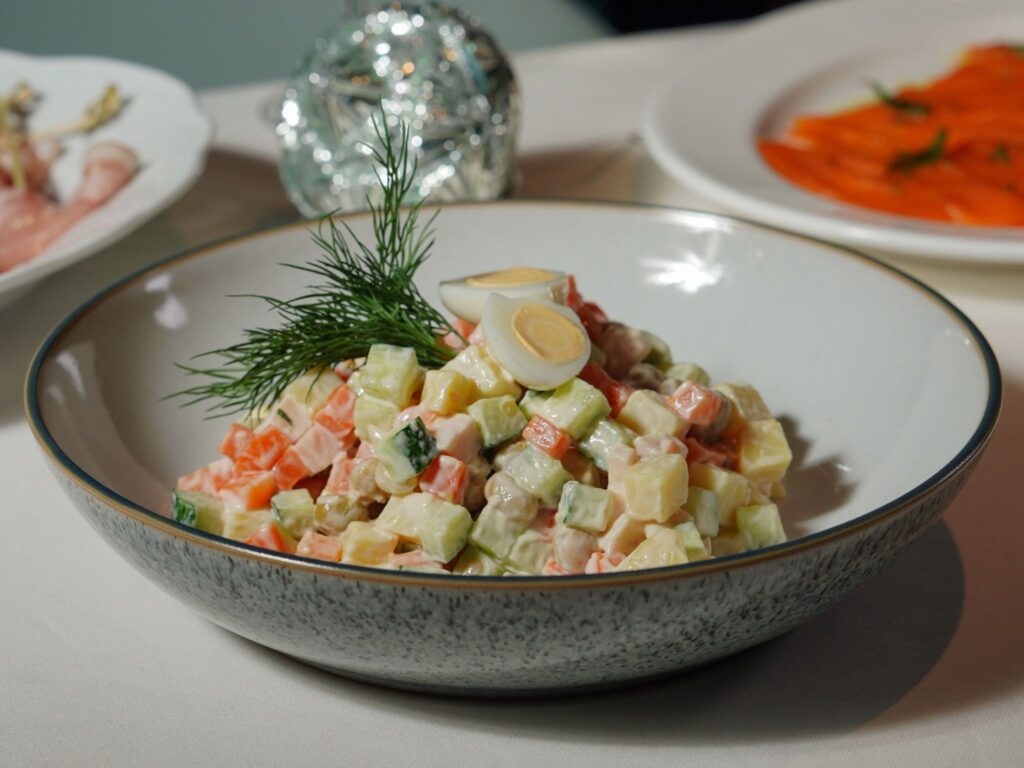
Оливье оказывается не просто салатом, а целой историей страны в одной миске. Его придумал в Москве повар с французской фамилией, подавал как изысканное блюдо из дичи и раковых шеек, а настоящий рецепт унес в могилу, так что точного оригинала не знает никто. Революция отняла у салата деликатесы, но взамен сделала его всенародным: дичь сменила колбаса, и барское кушанье превратилось в тот самый русский салат, без которого не обходится ни один Новый год. А раз канона у оливье нет, то и правильного рецепта быть не может, и самый верный тот, что режут в вашей семье под бой курантов.
Почему оливье называют русским салатом?
Так его зовут за рубежом, потому что для всего мира он накрепко связан с Россией и русским праздничным столом. Парадокс в том, что придумал его в Москве повар с французской фамилией Оливье, а нынешний вид с колбасой и горошком салат приобрел уже в советское время. Получается, русским он стал не по рождению, а по любви целой страны.
Какой оливье настоящий?
Строго говоря, никакой, ведь оригинальный рецепт создатель салата держал в тайне и не записал. Дореволюционный оливье делали из дичи, телячьего языка, раковых шеек и икры под особым соусом, но точный состав утрачен. Все нынешние рецепты это реконструкции и догадки, так что единственно правильного оливье попросту не существует.
Чем дореволюционный оливье отличался от советского?
Почти всем, кроме имени. В оригинале были дорогие продукты: рябчики, телячий язык, раковые шейки, икра, особый соус провансаль. В советское время, когда деликатесы стали недоступны, их заменили вареной колбасой или курицей, морковью, горошком и магазинным майонезом. Так роскошное ресторанное блюдо превратилось в простой домашний салат.
Какое мясо класть в оливье?
Это дело вкуса и семейной традиции. Чаще всего берут вареную колбасу, отварную курицу или говядину. В советское время самым классическим считали оливье с говядиной, а колбаса была частой, но более простой заменой. Те, кто хочет ближе к старине, кладут хорошее отварное мясо вместо колбасы.
Когда заправлять оливье майонезом?
Лучше всего перед самой подачей, особенно если салат не съедят сразу. Заправленный заранее оливье быстро раскисает и теряет вид, продукты пускают сок. Поэтому опытные хозяйки нарезают все заранее, держат в холоде, а соединяют с майонезом в последний момент.
Почему оливье едят именно на Новый год?
Так сложилось в советское время, когда оливье стал доступным праздничным салатом, который можно приготовить заранее и помногу. Постепенно он прочно сросся с новогодней ночью и стал ее символом наравне с мандаринами, елкой и боем курантов. Сегодня для многих Новый год без оливье просто немыслим.