

Шестилетний Марк из Денвера за неделю выучил, что dinosaur делает roar, что в гараже у его любимого героя живет excavator, и спел маме всю песенку про wheels on the bus, ни разу не сбившись. Откуда это взялось, мама даже не уследила. Где-то между мультиком на планшете и игрой в машинки на ковре. А вечером она позвала «Марк, давай чуть-чуть позанимаемся русским», и Марк сполз под стол, схватился за живот и сообщил, что заболел.
Любая мама в эмиграции узнает эту сцену с первой строчки. Английский липнет к ребенку сам, без усилий, между делом. Русский приходится выманивать, уговаривать, тащить клещами. И вывод напрашивается обидный: значит, русский труднее, значит, поздно, значит, ничего не выйдет.
А ведь Марк не отвергает русский. Он отвергает слово «позаниматься». Мультик, игра, песенка не пахнут уроком, не требуют сесть ровно, не грозят проверкой. Английский Марк выучил играя, и русский он возьмет ровно так же, стоит только перестать звать это занятиями. Дальше о том, как именно: с какого возраста, какими играми, какими мультиками и приложениями, и где проходит граница между «помогает» и «час перед экраном впустую».
С какого возраста начинать и почему спешить не стоит
Вопрос «с какого возраста» родители задают чаще любого другого. И ждут одну цифру, а ее нет.
Двухлетняя Тая из Портленда не занимается русским ни минуты. Просто у нее дома с утра до вечера крутится «Синий трактор», бабушка по видео поет «Ладушки», а мама проговаривает все подряд: «надели носочки, идем гулять». Тая пока молчит на обоих языках, но в два с половиной выдает первое внятное «бибика поехала», и это русское «поехала», а не английское. Никакой методики тут нет, есть только язык вокруг, и в этом возрасте больше ничего и не требуется.
Пятилетняя Кира из Сиэтла уже совсем другая история. Она тараторит, обожает правила, лепит, клеит, выпрашивает «еще разочек». Это тот самый возраст, когда буквы, цвета, счет и первые слова заходят легче всего, потому что для Киры они в одном ряду с лего и прятками, а не с учебой. Сорок минут пару раз в неделю плюс возня с буквами на кухне дают за пару месяцев такой результат, какого со взрослым за это время и близко не добьешься.
Восьмилетний Гриша из Чикаго до сих пор только слышал русский от родителей, а говорить почти не говорил. Зато по-английски он уже бегло читает, и эту способность можно перетащить на кириллицу. Сейчас ему как раз пора складывать слоги и разбирать первые надписи. С нуля в восемь лет совсем не поздно, просто игра у Гриши посложнее, чем у Киры: не «найди букву на холодильнике», а «расшифруй записку и отыщи, где спрятан приз».
Тринадцатилетняя Вероника из Торонто пришла к русскому сама. После лета у бабушки в Питере, где двоюродные сестры трещали без умолку, а она стояла и улыбалась, не понимая половину. Подростку бесполезно говорить «надо», ему нужно «зачем», и у Вероники это «зачем» наконец появилось. С ней работают уже не песенки, а сериалы, переписка с сестрами, разбор песен, которые она и так слушает в наушниках. Игра тут превратилась в дело.
По этим четверым видно главное. Опоздать с русским почти невозможно, с нуля начинают и в два, и в восемь, и в тринадцать. Меняется не сама возможность, а ход к ней: малышу нужна среда, дошкольнику игра, школьнику чтение, подростку причина.
Почему через игру язык заходит, а через уроки буксует
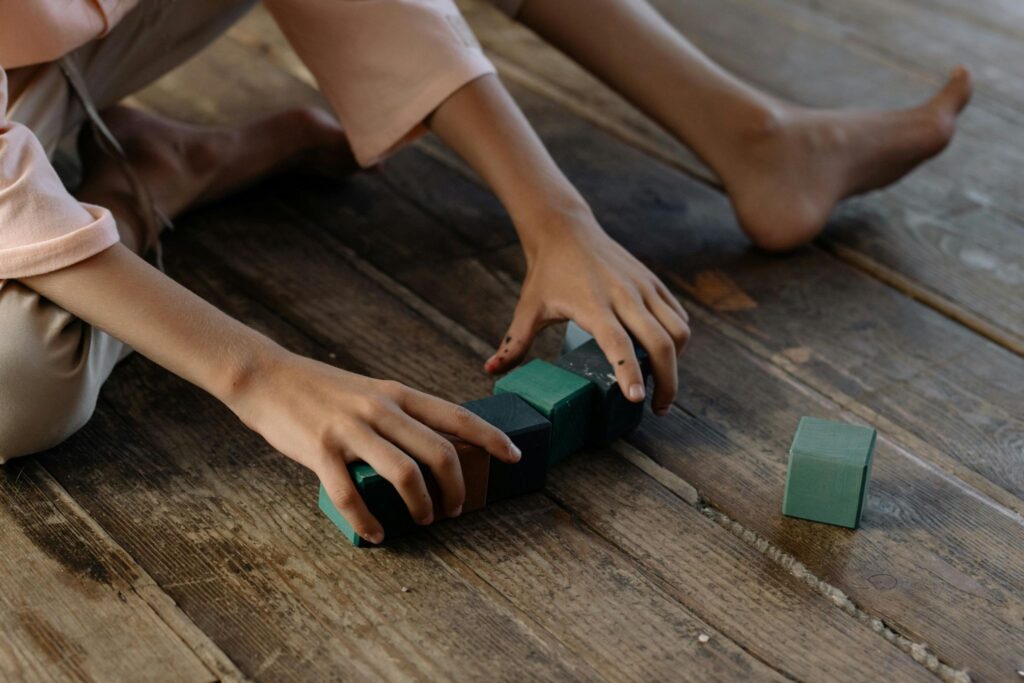
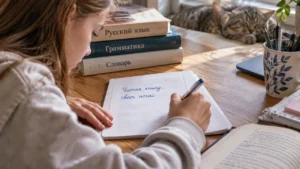
Мама Марка, того самого, что сполз под стол, выросла на советских прописях и честно начала так же. Усадила, положила тетрадь, написала строчку палочек, велела повторить. Марк вывел три кривые палочки, заскучал на четвертой и запросился в туалет. Через неделю таких подходов он уже заранее ныл при одном слове «русский».
Беда не в Марке и не в маме. Детский мозг просто не приспособлен учиться сидя и по команде. Он хватает то, что случилось в движении, в азарте, в смешной заварухе. Слово из скучного упражнения испаряется к ужину. Слово, которое ребенок выкрикнул, обогнав в игре старшего брата, оседает намертво.
Та же мама через месяц зашла с другого боку. Вместо «повтори цвета» она стала прятать по комнате цветные прищепки и просить принести сначала красную, потом синюю. Марк носился, пыхтел, спорил, желтая прищепка или все-таки оранжевая, и за неделю усвоил цвета, которые не давались за столом. Он по-прежнему не подозревал, что «занимается русским». Он играл.
Есть и вторая вещь, которую дома почти все делают наоборот. Подают слова поштучно: «это собака, скажи собака». А носитель словами не сыплет, он говорит кусками: «ой, смотри, какая лохматая собака потащила палку». Ребенок и берет язык такими готовыми кусками, целыми оборотами, а через пару месяцев начинает вставлять их сам, к изумлению родителей. Так что дома полезнее не диктовать слова по одному, а просто много и живо болтать, проговаривая вслух каждую мелочь. Ниже три приема, на которых эта мама и сотни других в итоге и выехали.
Методы обучения, которые работают дома
| Метод | Как это выглядит | Что тренирует |
|---|---|---|
| Игра в ситуацию | Принеси что-нибудь красное, накроем кукле стол | Словарь в действии и понимание речи |
| Алфавит руками | Магнитные буквы, лепка из теста, охота за буквой по дому | Буквы и звуки |
| Карточки как реквизит | Лото, мемори, игра в магазин | Словарь и говорение |
| Песни и потешки | Каравай, Ладушки, Синий трактор | Ритм и первые фразы на слух |
| Мультики на русском | Совместный просмотр с переспросом по ходу | Аудирование и живая речь |
| Игры с правилами | Съедобное-несъедобное, записки с поиском клада | Словарь, чтение и азарт |
Алфавит через игру
Четырехлетняя Майя из Остина выучила первую букву случайно. Они лепили из соленого теста улитку, хвостик загнулся, и вышла буква «эс». «Как у Майи? Нет, как у Сони, твоей подружки», и Майя влюбилась в мысль, что буквы это начала имен. Дальше покатилось само: «эм» как мама, «бэ» как ее обожаемый банан, «ка» как кот соседей.
Так буквы и берутся, не над прописью, а руками и через знакомое. Магнитные буквы на холодильнике, из которых каждое утро складывается новое слово, пока варится каша. Облава по квартире на все, что начинается на «п»: подушка, пульт, папа. Буквы из палочек, из веревочки, из печенья, которое разрешают съесть, как только назовешь. Рисование пальцем на запотевшем после душа зеркале. Майя не помнит «букву эс», она помнит, как лепила улитку, и буква приклеилась к тому теплому вечеру навсегда.
Карточки, которые и правда работают
Папа Сони из Сан-Диего купил красивую коробку карточек и сделал ровно то, что делают все. Сел напротив дочки, показывал картинку, называл, ждал, чтоб повторила. Сони хватило минут на шесть, дальше она сползла под стол не хуже Марка. Коробка отправилась в шкаф на полгода.
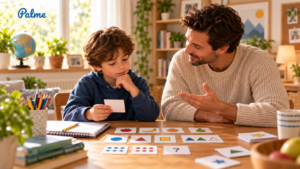
Достал он ее, когда Соня сама затеяла играть в магазин. Карточки вдруг стали товаром, Соня продавцом, а папа покупателем, который то и дело путал, где помидор, а где яблоко, и Соня его строго поправляла по-русски. Те же карточки заработали и в лото, где надо закрыть картинку, услышав слово, и в мемори на поиск пары вслух. Зубрить никто ничего не зубрил, а слова осели.
Хорошая детская карточка крупная, с одной понятной картинкой и подписью на русском, без мелкого английского перевода сбоку. Англоязычные и смешанные семьи, которые ищут russian for kids в магазине приложений или печатные наборы в интернете, обычно и натыкаются на такие колоды про животных, еду, семью, одежду. Брать их стоит не чтобы ребенок их вызубрил, а чтобы было чем играть в тот же магазин.
Песни, потешки и первые слова
Песню недооценивают совершенно зря. Рифма с мелодией запоминают строчку за ребенка, а смысл подтягивается потом сам. Та же двухлетняя Тая, которая толком не говорит, уже подпевает «Синему трактору» хвостами слов и хлопает в нужный момент в «Ладушках». Она не понимает, что значит «вот такой нижины», когда поет «Каравай» на чужом дне рождения, и это абсолютно неважно.
Тут одна ловушка, в которую тянет всех взрослых. Хочется каждую строчку перевести и растолковать, и ровно в эту секунду песня умирает, оборачиваясь уроком. Не надо. Пусть будет просто весело, ритмично и непонятно. Свои первые английские песенки ребенок тоже распевал задолго до того, как разобрал в них хоть слово, и никто не стоял над ним с переводом.
Приложения, которые нравятся детям
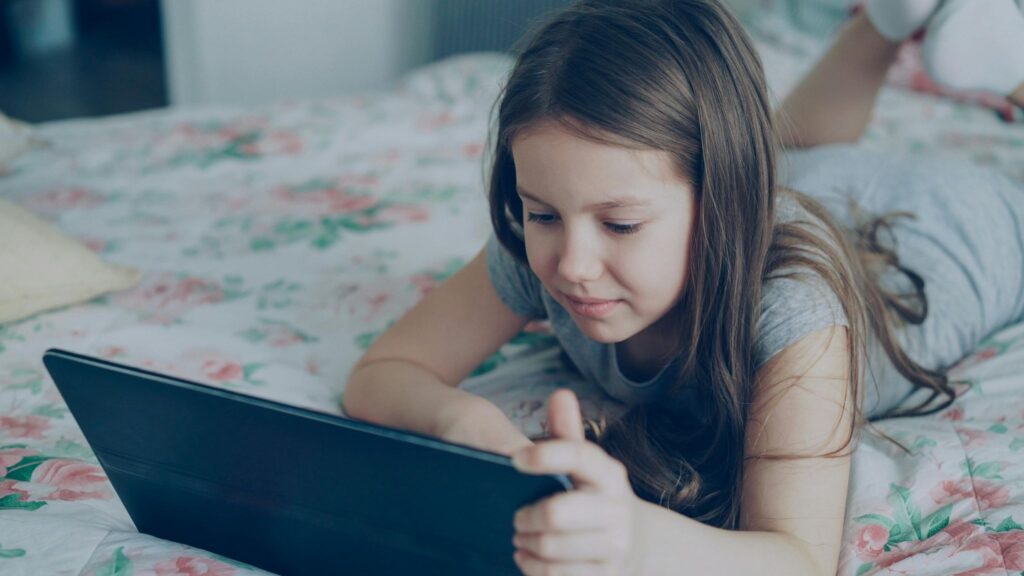
Сразу честно: ни одно приложение не выучит ребенка русскому за вас. Семилетний Костя из Филадельфии за месяц перепробовал три штуки. Первое мама поставила сама, нагуглив learn russian for children, и Костя забросил его на третий день. Второе он сам выпросил после яркой рекламы, и надоело оно еще быстрее. А третье, с озвученным алфавитом и игрой на буквы, он открывал уже без напоминаний и злился, когда садилась батарейка. Разница между ними была не в качестве, а в том, тянет ли к приложению самого Костю.
В этом и весь секрет выбора. Тянется сам и канючит «ну еще чуть-чуть» значит работает. Приходится каждый раз уговаривать и подкупать значит толку не будет, экран только сожрет время. И роль у приложения всегда вторая: оно довесок к живому языку и занятиям, особенно удобный, когда маме позарез нужно двадцать минут тишины, а совесть не дает включить очередной пустой ролик.
Что ставить, зависит от возраста. Малышам лет с трех до семи годятся программы по русскому алфавиту и первому чтению, как Костино третье: там обводят буквы пальцем, тянут слог к слогу, ловят звуки, и все без английского внутри, так что подходит даже тем, кто еще ни буквы не читает. Кто постарше и кто учит русский как иностранный, тем ближе универсальные тренажеры. Карточные Anki и Quizlet превращают слова в игру на запоминание, к ним легко скачать готовую колоду русского алфавита. Бесплатный Duolingo выдает кириллицу в первом же модуле, хотя дальше пары сотен слов на нем одном далеко не уедешь. А русские аудиоистории про динозавров и космос, где смешной голос ведет ребенка по сюжету, незаметно подтягивают разом и язык, и кругозор, и слушать их удобно прямо в машине.
Подробный разбор конкретных приложений у нас есть отдельно, а здесь хватит запомнить Костину историю: приложение не учитель, оно помощник, который работает ровно настолько, насколько ребенок сам к нему тянется.
Приложения для детей по возрасту и задаче
| Приложение | Возраст | Что дает | Доступ |
|---|---|---|---|
| Алфавитные приложения | 3–7 | Буквы, слоги и первое чтение через игру, без английского внутри | Обычно бесплатно |
| Anki, Quizlet | 7+ | Карточки на запоминание слов, есть готовая колода русского алфавита | Бесплатно |
| Duolingo | 8+ | Кириллица в первом модуле и базовый словарь | Бесплатно, есть подписка |
| Аудиоистории на русском | 4–9 | Слушание, словарь и кругозор, удобно в машине | Чаще по подписке |
Подробный разбор конкретных приложений в отдельной статье блога.
Игры, в которых ребенок незаметно учит русский
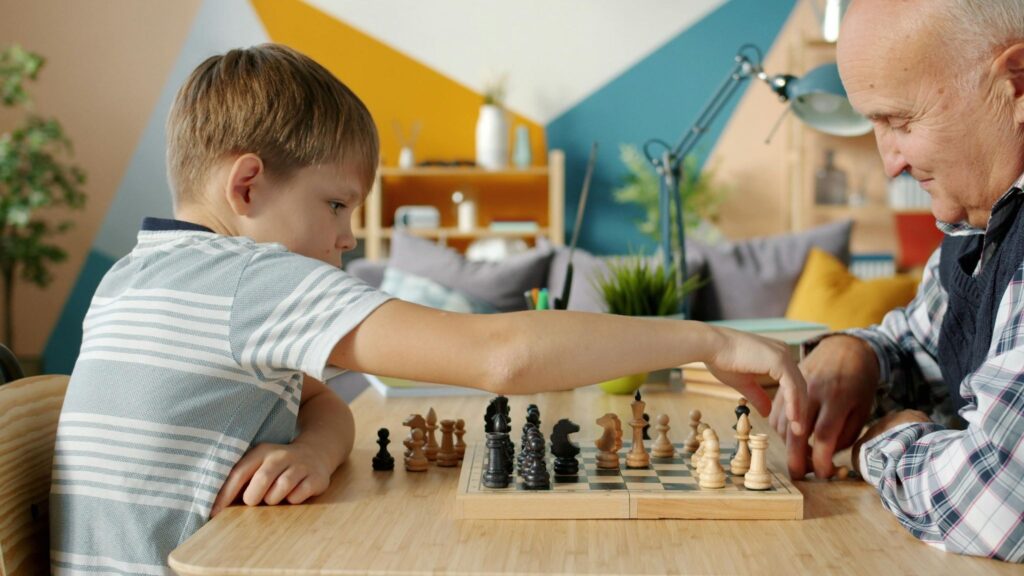
Лучшие игры для русского почти все бесплатны, и в этом есть что-то слегка обидное для родителей, накупивших развивающих наборов.
Семья Дани из Майами скрашивает дорогу в школу игрой «я вижу что-то красное», и за десять минут пробок Даня перебирает половину цветов и десяток предметов за окном. Дома у них в ходу лото с картинками, где надо закрыть клетку, расслышав слово, и старое доброе «съедобное-несъедобное» с мячиком, под которое за пять минут проносится прорва существительных. По выходным затевают магазин или больницу: Даня то кассир, то доктор, и из этих ролей сами собой вылезают целые фразы, «сколько с меня», «где болит», «дышите глубже».
Когда ребенок уже читает, чудесно идет игра в записки. Родитель прячет по дому карточки с простыми словами или рисунками, ребенок крадется от подсказки к подсказке и в финале выкапывает спрятанную конфету. Тут разом и чтение, и охотничий азарт, и повод произнести найденное вслух. Дети постарше с удовольствием режутся в настолки на угадывание слов, лишь бы правила шли на русском.
Во всех этих играх русский не цель, а инструмент, без которого не выиграть и не найти клад. Язык, который понадобился для дела прямо сейчас, оседает сам собой, без единого «выучи к завтрашнему уроку».
Мультики на русском и что с ними делать
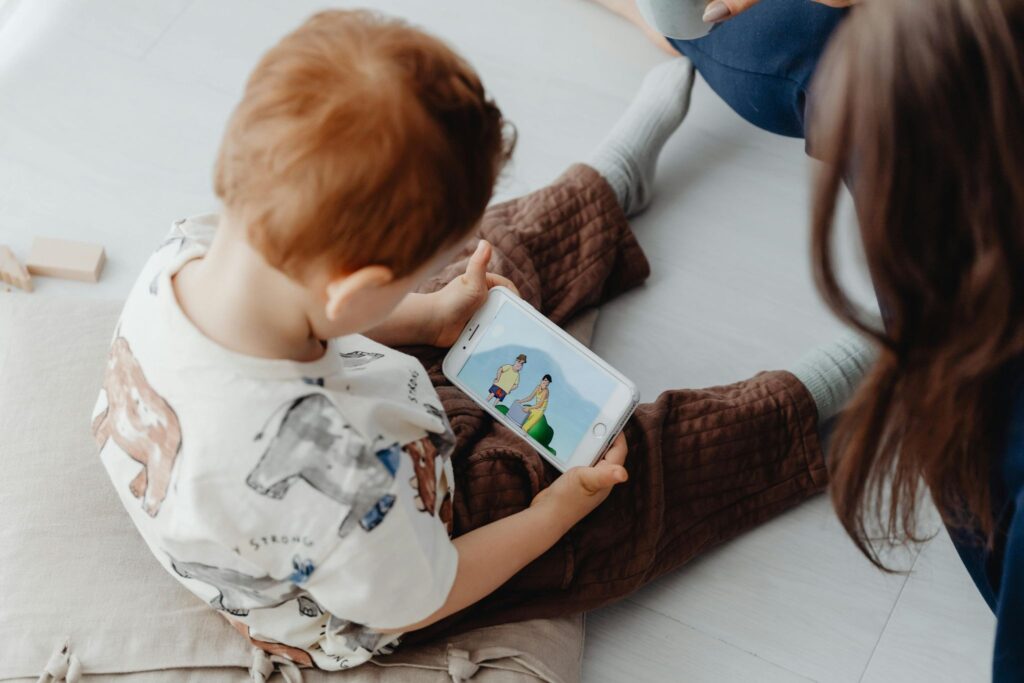
С мультиками родители обычно кидаются в одну из двух крайностей. Либо экран под полным запретом, либо он бубнит фоном весь день, пока мама готовит. Толку нет ни там, ни там, а золотая середина выглядит примерно как у Платона.
Пятилетний Платон из Калгари смотрит «Фиксики» по одной серии после ужина и обязательно рядом с папой. Папа иногда тормозит запись и спрашивает «а что Симка только что сказала», Платон пересказывает своими словами, иногда подсматривая в русский, иногда сползая в английский, и тут же получает недостающее слово. После серии про пылесос они вдвоем разбирают настоящий пылесос. Двадцать минут такого мультика бьют час фонового шума с разгромным счетом.
Что включать, зависит от возраста и от того, как быстро в мультике говорят. Самым маленьким, лет до четырех, нужна медленная певучая речь: «Синий трактор» с песенками про машинки, «Малышарики», «Три кота» с их крошечными историями про садик и про день рождения. Слов мало, они простые и повторяются, ребенок цепляет их по одному и подпевает. Дошкольникам и младшим школьникам уже по силам сюжет побогаче: «Лунтик» с его добротой, те же «Фиксики», что между делом объясняют устройство вещей, «Простоквашино», и старое, и новое, с живыми характерами и репликами. А лет с восьми, когда база собрана, идут «Смешарики», где герои философствуют почти как взрослые, и из их разговоров ребенок уносит уже не слова, а целые обороты. Особняком стоит «Ну, погоди», где слов почти нет, зато эмоций хватит на любой уровень языка.
Мультики на русском по возрасту
| Мультик | Возраст | Чем полезен |
|---|---|---|
| Синий трактор | 2–4 | Песенки и медленная простая речь |
| Малышарики | 2–4 | Короткие истории и простые слова, которые повторяются |
| Три кота | 2–5 | Бытовые сюжеты про садик, доктора, день рождения |
| Лунтик | 4–7 | Доброта и понятный язык |
| Фиксики | 5–9 | Объясняют устройство вещей и подбрасывают полезные слова |
| Простоквашино | 5–9 | Живые диалоги и яркие характеры |
| Смешарики | 8+ | Взрослые темы и богатая речь, ребенок уносит целые обороты |
| Ну, погоди | любой | Почти без слов, зато эмоции и юмор на любой уровень |
Англоязычные родители часто так и набивают в поиске cartoon in russian language и тонут в сотнях ссылок без подсказки, что под какой возраст. А секрет вовсе не в названии, а в привычке смотреть вместе, переспрашивать и хоть иногда доигрывать сюжет в жизни. И железное правило поверх всего: никаких английских субтитров, иначе ребенок читает перевод, а русскую дорожку пропускает мимо ушей.
Как мы учим малышей русскому в Palme School
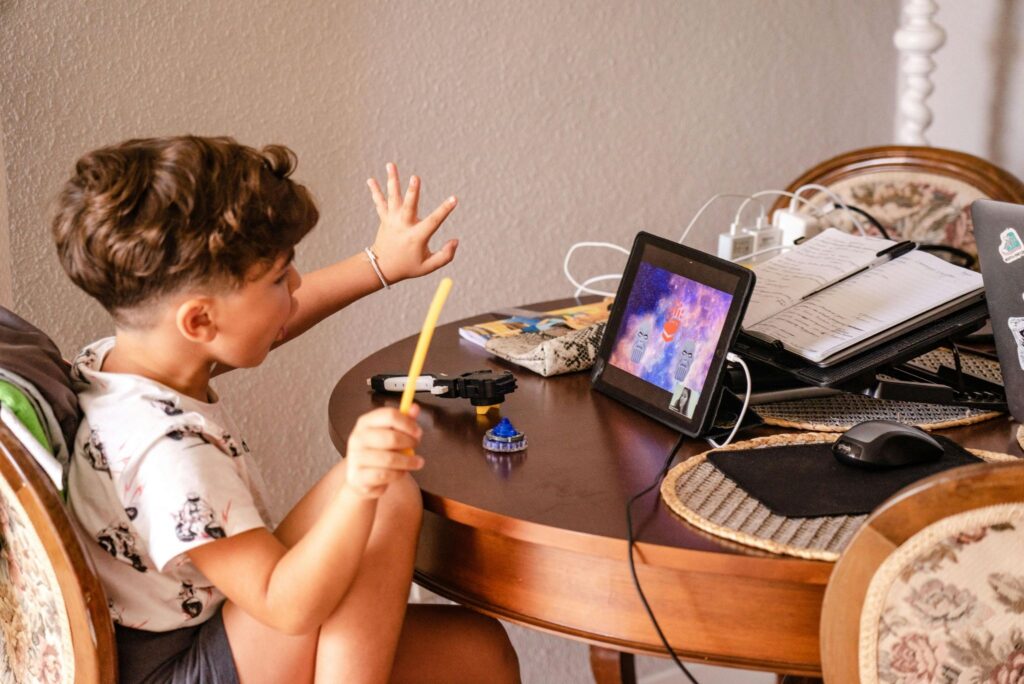
Все, о чем шла речь, реально тянуть дома в одиночку. Но у домашних сил есть потолок. Не всегда хватает времени, не всегда понятно, что за чем, и почти никогда не хватает терпения, особенно когда ребенок упирается и отвечает по-английски назло. Вот тут школа и снимает с родителя то, что выматывает сильнее всего.
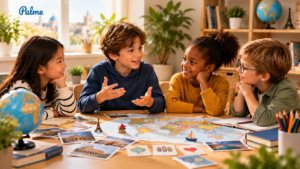
В Palme School берут детей с четырех до семнадцати лет, в том числе с полного нуля, и ведут отдельно группы для билингвов и для тех, кому русский по сути иностранный. Уроки идут онлайн, в маленьких группах до четырех или пяти человек, чтобы каждый успевал говорить, а не дремал в очереди. Длятся по сорок минут, ставятся под ваш часовой пояс, а часть заданий живет в чате, куда можно заглянуть когда удобно.
Внутри урока работает ровно то, о чем говорилось выше. Никаких списков слов на дом, вместо них живые ситуации и игра. Несколько занятий нанизаны на общий сюжет, ребенок идет по нему как по квесту, добывая слова и разгадывая загадки. Есть короткие артикуляционные разминки на трудные звуки и элементы нейрогимнастики, чтобы ребенок собрался и не растекался к середине урока. А учителя у нас не зануды с указкой, это носители языка и культуры, которые ловят внимание даже у самого отъявленного непоседы и держат урок на похвале, а не на окрике, так что после занятия ребенок выходит довольный.
Понять, ваше это или нет, можно бесплатно. В школе дают сразу два пробных урока. Первый это знакомство с методистом, который послушает ребенка, определит уровень и подберет группу. Второй уже настоящий урок в этой самой группе, с преподавателем и другими детьми. Так и родитель, и ребенок видят все своими глазами до того, как что-либо оплачивать.
Что стоит запомнить
Русский с нуля у ребенка идет не через силу, а через интерес. Песня, охота за буквой, игра в магазин, серия «Фиксиков» рядом с папой делают для языка больше, чем самый правильный урок за столом. Стоит перестать «учить» в том смысле, в каком это слово понимают взрослые, и начать играть, как язык сам поползет к ребенку, ровно как когда-то прилип английский про dinosaur и excavator. А когда захочется системы и чьего-то крепкого плеча, школа его подставит и достроит из домашней возни понятный маршрут от первой буквы до свободной речи.
С какого возраста ребенку лучше начинать учить русский?
Слышать русскую речь полезно с рождения, а садиться за что-то похожее на занятия удобно годам к четырем или пяти, когда ребенок уже болтает и любит игры с правилами. Поздний старт тоже не приговор. С нуля русский поднимают и в семь, и в десять, и в тринадцать, просто инструменты разные: малышу песни и игры, школьнику чтение и квесты, подростку внятная причина, зачем ему это все.
Сколько времени в день нужно заниматься, чтобы был результат?
Дошкольнику хватает пятнадцати или двадцати минут игры либо мультика в день плюс одно полноценное занятие пару раз в неделю. Регулярность тут важнее длительности: каждый день по чуть-чуть бьет два часа разом по субботам. А если русский вшит в быт через игры, песни и болтовню, ребенок набирает куда больше, вообще не подозревая, что его учат.
Ребенок понимает русский, но отвечает по-английски. Что делать?
Обычная история у билингвов, и она лечится. Главное не давить и не передразнивать, иначе замкнется намертво. Подсовывайте ситуации, где по-английски не выкрутишься: видеозвонок бабушке, которая «не понимает» английский, игра с правилами только на русском, любимый мультик без субтитров. Когда ребенок сказал по-английски, можно мягко переспросить то же по-русски, будто не расслышали. Стоит русскому стать нужным для дела, и дети сами потихоньку переползают на него.
Можно ли выучить русский только через мультики и игры, без занятий?
До какого-то уровня вполне. Мультики, песни и игры отлично качают понимание на слух, словарь и произношение. А вот чтение, письмо и грамотную речь без системы и взрослого, который вовремя поправит, вытянуть трудно. Игра дает живой язык, занятия дают каркас. Где есть и то, и другое, там и едет быстрее всего.
Какие приложения для русского языка подходят детям?
Малышам подходят программы по алфавиту и первому чтению, сделанные как игра, без рекламы и без английского перевода внутри. Кто постарше, тем годятся карточные Anki и Quizlet и бесплатный алфавит в Duolingo. Только не путайте роли: приложение это добавка к живому общению, а не его замена. Сам тянется и просит еще, значит, попали.
Как учить алфавит, чтобы ребенку не было скучно?
Руками и через игру. Магнитные буквы на холодильнике, охота за предметами на нужную букву, лепка из теста или пластилина, рисование пальцем на запотевшем зеркале. Когда буква оказывается частью веселой возни, а не строчкой в прописи, она запоминается вместе с этой возней. Зубрежка по порядку тут проигрывает вчистую.
Справится ли школа, если родитель сам слабо знает русский?
Справится. Половина наших учеников растет там, где по-русски говорит один родитель или вообще только бабушка с экрана. Преподаватели умеют работать с детьми, для которых русский фактически иностранный, опираются на картинки и наглядность и не вешают на родителя проверку домашних заданий. От вас нужны интерес и похвала, остальное школа берет на себя.