
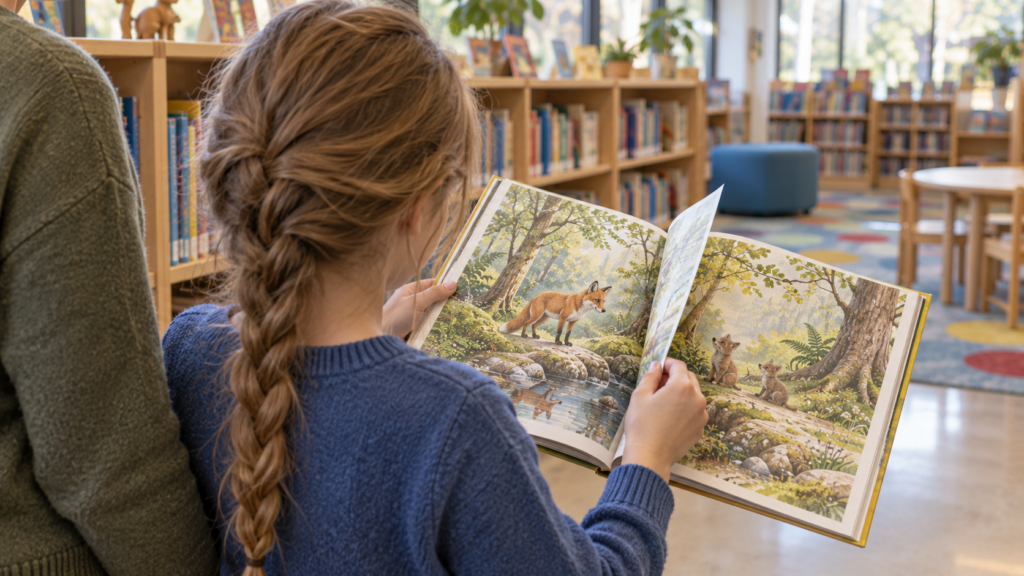

The child stands by the shelf with Russian books and holds one in his hand.
«And I have to read it all?»
The question is honest. If you answer «of course,» the book can quietly return to its place.
The Russian language has a better answer for this situation. There are three verbs, and they promise different things.
Flip through
«To »flip through” means to open a book and turn over a few pages. To look at the pictures, to read a line here and a line there.
The one who is scrolling through something doesn’t owe anyone anything.
This is a good place to start in the library.
«Let's go through it.
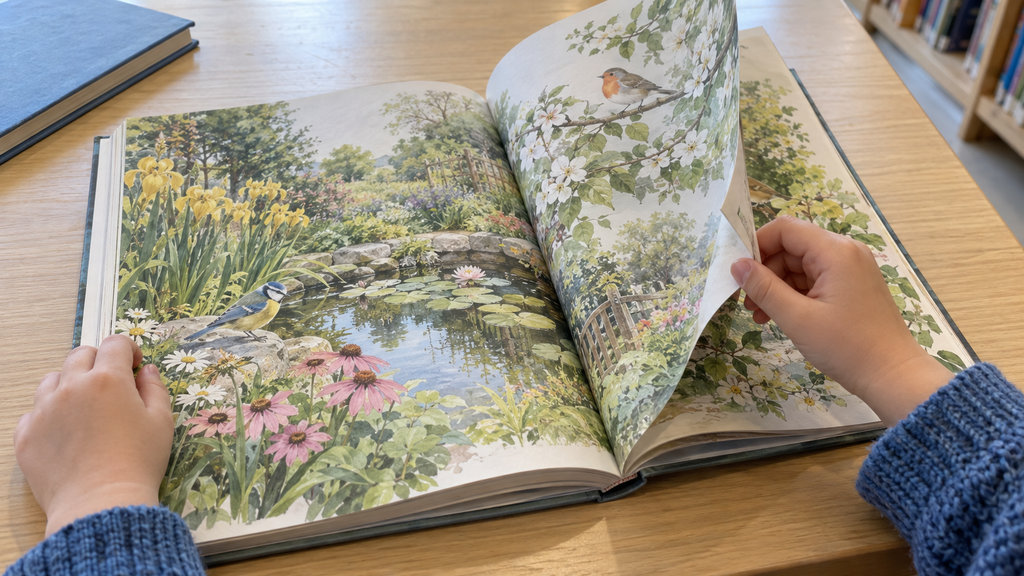
You can flip through as many books as you want. Seven for seven, right next to the shelf or at the table nearby.
In English, the child probably knows it as to flip through or simply browsing. He might not have even heard the word, although he does it every time.
What you see when you flip through the pages
First, the cover. It tells you what the book is about and whether you want to open it.
The Russian cover often features a symbol, 0+, 6+, or 12+. It indicates the age range at which the book can be given. It does not indicate how easy it is to read.
Then the first page. Let the child read the first paragraph, out loud or to themselves.
After that, one question is enough.
«I want to know what happens next?»
If you don't want to read it, you can put the book aside, no matter how beautiful the cover is.
And third place—which adults usually skip over. In Russian children's books, the information about the publication is printed in small print on the back of the title page or on the very last page; among them there is often a line about the reader.
«For younger school-age children.».
«For adults to read to children.».
The second line tells how the book is intended to be read, aloud and together with an adult. This can be chosen for shared reading. The age indication does not take into account how much this child has actually read in Russian.
You can assign the task of finding this line to a child. The font is tiny, and it’s hidden, so finding it is interesting in itself.
To read
The prefix is the same, but the word is different. «To read» means to read for a certain period of time. How long exactly, the word does not specify.
He has a ready-made place in the library.
«I'll take a look.».
That is how they say it in Russian when talking about a book that they take home. There is no word «until the end» in this phrase. A person takes a book to read for a while, and that’s the end of the promise.
This is the answer to the question on the shelf.
«You don’t need to read everything. Just read a little.».
A library book is the best choice for such a word. It can be returned if you haven't finished reading it, and there's no harm in making a mistake with it.
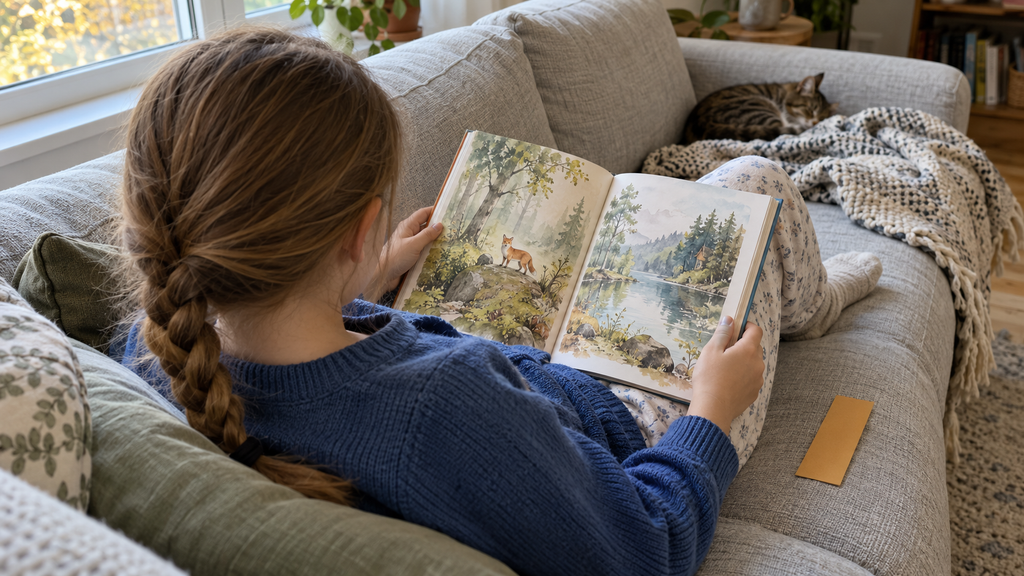
Read
To read a book means to read it to the end.
«Have you already read it?»
This question asks about completion. A child who has stopped in the middle can only answer with «no».
Try asking in another way.
«Have you already read it?»
This question concerns whether time was devoted to reading. The answer to it is «yes» after ten pages. Discussion of the book is possible after any answer.
Where to start
Let’s say the child has looked through several books and wants to take three of them.
Ask them to name one that they would like to read first.
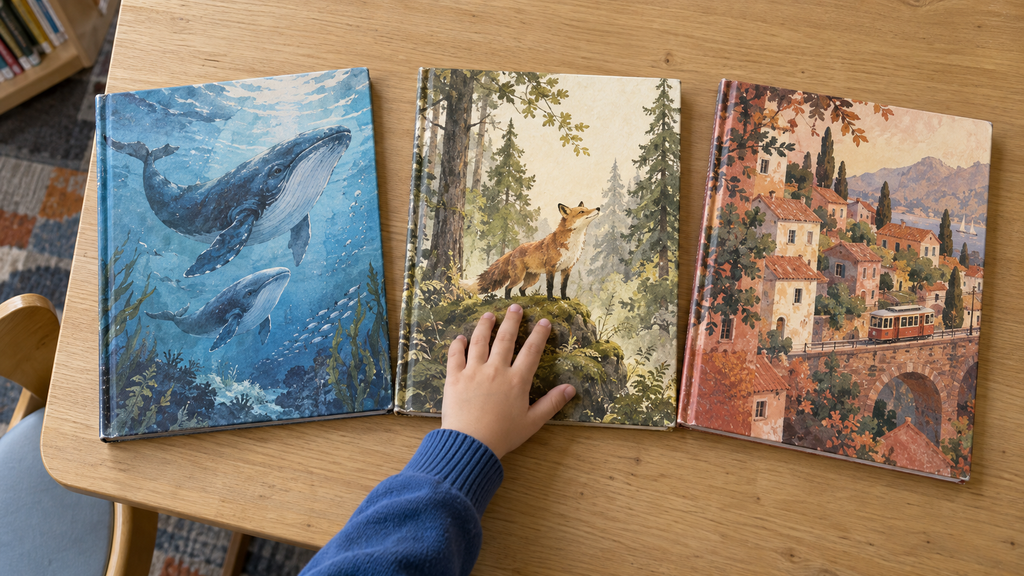
We can agree that only she will be going home today. This is a family decision; she doesn't have to choose it herself.
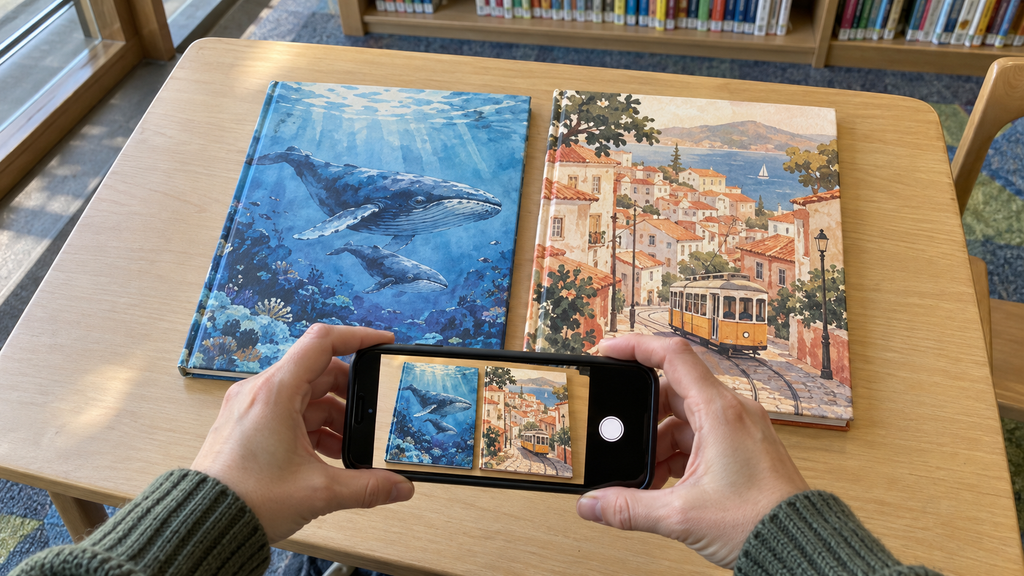
The covers of the other books are worth photographing. Before the next trip, the child will have a ready answer to the question of why they have to go to the library again.
Is there a Russian section in the library?
It is not available everywhere, and it is not worth promising it to a child in advance.
You can find out this before the trip. The catalog of almost any large library has a language search. You select Russian, add the children's section, and see what's available in what branch.
The title of the Russian book in the catalog can be written in Latin. If searching in Russian doesn't yield anything, ask the librarian.
Here is one example. The Toronto Public Library writes on their website, That she has books, films, and music in more than forty languages, and Russian is on that list. It's there too. page about which branches have meetings in different languages.
In Toronto, an available copy can be ordered and selected from a branch where it can be picked up. In English, this is called place a hold.
And the shelf has enough space for three words. You can flip through several of them. Then you can choose which one you want to read first. Whether it will be read or not will be revealed at home.
Frequently asked questions about Russian books in the library
How can a child choose a book in Russian at the library?
First, read a few books: look at the cover, read the first paragraph and ask yourself if you want to find out what happens next. Then choose the one you want to read first.
What is the difference between «to read» and «to be read»?
«To »read« means to read for a certain period of time; exactly how long is not specified. To read a book means to finish it. The phrase »I will read it to the end« does not include the words »to the end".
What does 6+ mean in a Russian children's book?
The age symbol indicates the age at which the book can be given. It does not indicate how easy it is to read.
What does «For reading by adults» mean?
This line in the publication information tells us how the book is intended to be read, aloud and with an adult present. This kind of book can be chosen for shared reading.
How do I find out if there are Russian books in the local library?
Almost every major library's catalog has a language search. You select Russian, add the children's section, and see that it's available at the library branch where you are. The title of the Russian book can be written in Latin; if the search in Russian doesn't yield anything, ask the librarian.
Is it necessary to finish reading a library book?
No. You can return the library book if you haven’t finished reading it, and there’s no harm in making a mistake with it.
What to look for on the shelf will be indicated by a collection of books for bilingual children. There is an article about library programs. Summer reading in the USA.