


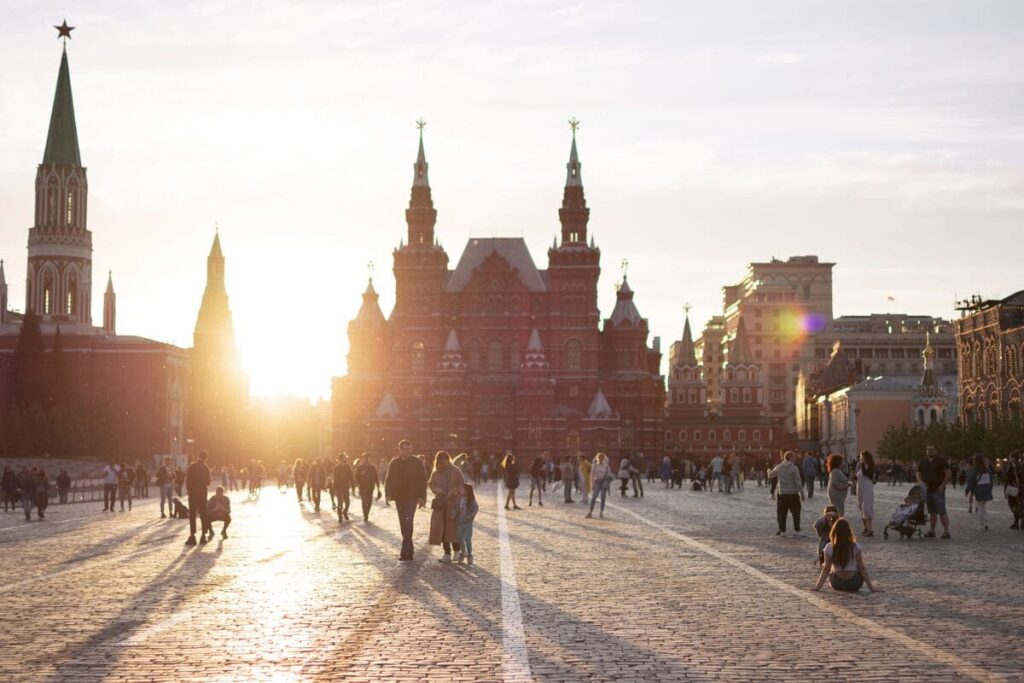
Take a look around. There are so many beautiful things out there. It can be a dress, a blue sky over the parking lot where you leave your car, your favorite song on the radio, or even a friend’s baby. In English we call all of them beautiful and that’s it. In Russian it works a little differently, because there are several words for it, and the one you choose depends on what you’re talking about.
So how do you say beautiful in Russian? Most of the time you just say красивый (krasivyy), and the ending changes depending on who or what you’re talking about. But sometimes красивый feels too simple, for example after a really nice evening that you’re going to remember for a long time. In that case people say прекрасный (prekrasnyy). In this article we’ll look at both words, and then at красиво, красота and a few other words that sound a bit more special. There is also a section about how Russians react when they get a compliment, and that part was a surprise for us.
How to Say Beautiful in Russian: The Short Answer
If you open a dictionary, the first word you see for beautiful is красивый. It works for people and for things, so it’s the one you’ll use most often. The only thing it doesn’t fit well with is weather. Russians don’t really say красивая погода. For a nice day they say хорошая погода (khoroshaya pogoda), and if they feel more excited about it, they say прекрасная погода. All the other words in the table are about the mood you want to show.
| Russian | Transliteration | Roughly means |
| beautiful / beautiful | krasivyy / krasivaya | beautiful, pretty, handsome |
| Beautiful | beautiful | beautifully, “how nice it looks” |
| wonderful | beautiful | lovely, wonderful, excellent |
| wonderful | magnificent | magnificent, gorgeous |
| adorable | ocharovatel’nyy | charming, enchanting |
| cute | sympathic | Nice-looking, pretty |
| красота | krasota | beauty, or “wow!” |
| Beautiful woman | beautiful girl | a beauty, a stunner (a woman) |
A simple way to remember the other words: прекрасный means excellent, великолепный means magnificent, and очаровательный is what you say about a person who charms everyone in the room. Красивый only says that something looks nice. The other words say how you feel about it.
Krasivyy, Krasivaya, Krasivoye: Matching Beautiful to Gender

Now a little bit of grammar. In Russian, the adjective always matches the noun, so красивый is actually four words. You use красивый for a man or any masculine noun, красивая for a woman or a feminine noun, красивое for a neuter noun, and красивые when you talk about several people or things.
Here are some examples you can say out loud: красивая девушка (krasivaya devushka), a beautiful girl; красивый мужчина (krasivyy muzhchina), a handsome man; красивое платье (krasivoye plat’ye), a nice dress; красивые места (krasivyye mesta), beautiful places. You just match the ending with the noun, and that is enough for the basics. Later you’ll see that the ending also changes with the case, for example “I see a beautiful girl” is “Я вижу красивую девушку” (Ya vizhu krasivuyu devushku), but you don’t need to think about it right now.
The stress is in the middle, kra-SEE-vyy. The feminine form красивая is the one you’ll hear most often, because people say a lot of compliments to women, for example “Ты сегодня такая красивая!” (Ty segodnya takaya krasivaya!), “You look so beautiful today.” You can also use it for an event, like “Это была красивая свадьба” (Eto byla krasivaya svadba), “To była piękna ceremonia poślubna,” or to compare people, like “Она не такая красивая, как её сестра” (Ona nie takaya krasivaya, jak jej siostra), “She’s not as beautiful as her sister.”
Красивый is not only for people. You can say “У тебя очень красивый свитер” (U tebya ochen’ krasivyy sviter), “У тебя очень красивый свитер”, and it sounds completely normal. The word свитер is masculine, so the ending is -yy. For a man you use the same word, “Он красивый” (On krasivyy), “Он красивый”, and only the ending changes when the noun changes.
Prekrasnyy: The Bigger, Warmer Beautiful
Прекрасный (prekrasnyy) is the word you use when красивый is not enough, or when you’re not talking about looks at all. Talkpal’s comparison says that красивый is about what looks pleasing, and прекрасный is more about the feeling, so you can use it for someone’s talent or character too.
Here are two sentences to see the difference. “Мы провели прекрасный день на пляже” (Мы провели прекрасный день на пляже) означает ’Мы провели прекрасный день на пляже“. ”Он прекрасный актёр“ (Он прекрасный актёр) означает ”Он прекрасный актёр“. Если вы называете актера красивым, вы говорите о его внешности. Если вы называете его прекрасным, вы говорите о его игре.
The weather also belongs here. For a normal nice day Russians say хорошая погода (khoroshaya pogoda), and красивая погода sounds a little strange. If you want to say it with more warmth, you can say прекрасная погода (prekrasnaya pogoda), “lovely weather,” or “Какой прекрасный день!” (Kakoy prekrasnyy den’!), “What a beautiful day!”
There are a few more words close to прекрасный. Великолепный (velikolepnyy) means “magnificent,” and people say it about a view, a hotel or a performance that is really impressive. Очаровательный (ocharovatel’nyy) is for a person or a smile that charms you, and прелестный (prelestnyy) means lovely in a sweet way. Симпатичный (simpatichnyy) is a more relaxed word, “nice-looking” or “cute,” and you can use it when you simply like someone’s face, for example “Он очень симпатичный” (On ochen’ simpatichnyy), “He’s very good-looking.” You don’t need fancy words every day, but it’s good to know when красивый feels too simple.
Krasivo and Krasota: Beautiful as a Word on Its Own
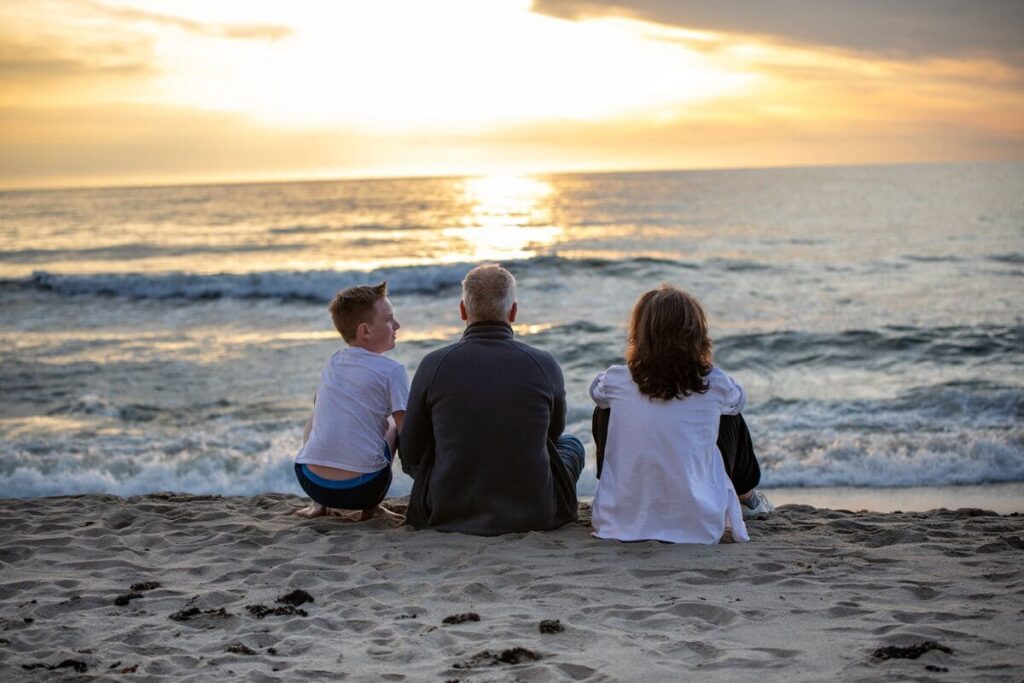
In Russian, you can also leave out the noun. Красиво (krasivo) is an adverb, and people use it as a quick reaction: “Красиво!” (Krasivo!), “It’s beautiful!” You can say it about a sunset, a song, or a nicely set table. You can also use it to compliment how someone looks: “Ты красиво выглядишь” (Ty krasivo vyglyadíš’), “You look beautiful,” or “Ты очень красиво выглядишь!” if you want to be more warm and friendly. This is for people you know quite well. If you say вы to the person, the more natural phrase is “Вы прекрасно выглядите” (Vy prekrasno vyglyadíte), “You look wonderful,” where прекрасно is the adverb form of прекрасный.
Then there is красота (krasota), the noun “beauty.” You can see it in “Красота не имеет значения” (Krasota ne imeyet znacheniya), “Beauty isn’t important.” People also use it as an exclamation. According to the online dictionary Kartaslov, “Красота” can mean “how wonderful!” or “how great!” and it can sound admiring or ironic. If you say “Красота!” when you look at a great view, you mean it. If you say it right after you slip in the mud, you are joking about yourself.
Two more words are good to know. Красавица (krasavitsa) is “a real beauty” for a woman, for example “Она настоящая красавица” (Ona nastoyashchaya krasavitsa), “Она настоящая красавица”, and красавец (krasavets) is the same for a man, a handsome man. If you like the softer words that Russians use for the people they love, you’ll find many of them in our post on Russian terms of endearment, and our guide to Popular Russian names has the names that go with all those красавицы.
When Krasnaya meant beautiful
This part is fun for most people. The word красный (krasnyy) means “red” today, but the same root is inside красивый and красота. According to History.com, The name Red Square has nothing to do with the color of the buildings or with the Communist Party. The name comes from krasnyy, which meant “beautiful” in Old Russian and only later became “red.”
Wikipedia It says something similar. It says that the old word красная (krasnaya) meant “beautiful” and that the main squares in several Russian towns were often called Krasnaya ploshchad, or Beautiful Square. For the one in Moscow, it gives 1661–62 as the first mention of the Krasnaya name. So the next time you see the square in a photo, you can think of it as “Beautiful Square.” It’s a bit like finding out that your street has a secret name.
Russians also like to say that beauty will save the world, “Красота спасёт мир” (Krasota spasyot mir), and many people connect this with Dostoevsky’s novel. The Idiot. A article in the Orthodox magazine Pravmir says that this line is a bit misremembered. Prince Myshkin doesn’t say it himself, other characters say it about him, and what he says is that beauty is a riddle. You can read it however you like, but it shows how important красота is for Russians.
How Russians Give and Receive Compliments
Now that you know the words, what happens when you say one to a Russian friend? Many Russian speakers don’t give compliments all the time. When they do, they mean it, and that is why it matters more. If you praise too much, it can sound like exaggeration or even sarcasm, and from a stranger it can feel fake. Polyglottist Language Academy writes about the same habits in its guide to Russian compliments.
People respond in the same way. Many of them first wave the compliment away, and it’s not rude; it’s just modesty. You may hear “Ой, да что ты!” (Oy, da chto ty!), “Oh, come on!”, or “Да ладно тебе…” (Da ladno tebe…), “Oh, stop it…” Younger people and people from big cities more often just say thank you and add something small: “Спасибо, мне очень приятно” (Spasibo, mne ochen’ priyatno), “Thank you, that’s very nice of you.” The word ладно here is like a polite shrug, and it’s the same word Russians use for “OK,” which we explain in our guide on how to say OK in Russian.
There is also a custom that can be surprising. When someone compliments a child, some Russians add “Тьфу-тьфу, чтобы не сглазить!” (T’fu-t’fu, chtoby ne sglazit’!), “So we don’t jinx it!”, because of the belief in the evil eye. So if you say “Какой красивый малыш!” (Kakoy krasivyy malysh!), “What a beautiful baby!”, and hear this back, don’t worry. It’s a kind of protection, not a rebuke.
So which word should you choose? For looks, use красивый or красивая and match it to the person; the same goes for something that looks nice. For a day or a talent, use прекрасный; for plain good weather, хорошая погода. If you just react to what you see, “Красиво!” or “Красота!” works well. And for a person who looks great, “Ты красиво выглядишь” is for people you know, and “Вы прекрасно выглядите” is for someone you call вы.
Frequently Asked Questions About Saying Beautiful in Russian
How do you say beautiful in Russian?
The usual word is красивый (krasivyy), and it changes with the noun: красивая (krasivaya) for a woman or a feminine noun, красивое (krasivoye) for a neuter noun, красивые (krasivyye) for several things.
What is the difference between красивый and прекрасный?
Красивый is about how something looks. Прекрасный is warmer and wider, so you’ll hear it for a good day or for someone’s talent, for example прекрасный актёр. For plain nice weather, people simply say “хорошая погода.”
How do I tell someone they look beautiful?
To a woman you can say “Ты красивая” (Ty krasivaya). A man can hear “Ты красивый” (Ty krasivyy), but “Ты красиво выглядишь” (Ty krasivo vyglyadish’), “You look good,” is easier between people who know each other. If you say “вы” to the person, the natural phrase is “Вы выглядите прекрасно” (Vy prekrasno vyglyadite), “Вы выглядите великолепно”.”
What does красота mean?
It’s the noun “beauty,” as in “Красота не имеет значения.” In conversation it also works as a short exclamation, “wow, great!”, either admiring or ironic.
Why does Moscow’s main square have “Red” in its name?
According to History.com, the name comes from krasnyy, a word that meant “beautiful” in Old Russian before it came to mean “red.” “Beautiful Square” is closer to the original idea.
Free download
500 Russian Words for Kids
A starter word list to help your child begin speaking Russian abroad
What to Do Next
It’s easier to remember words like these when a child can say them to a teacher and get a smile back. If your child is starting Russian from scratch, our Russian as a foreign language The course was made for that. If Russian is spoken at home but reading and writing are harder, take a look at Russian for bilinguals.
Before you decide anything, Palme School offers two free steps: a short introductory session with a curriculum specialist, then a trial lesson in a small online group. A lesson lasts 40 minutes, and the school works with students ages 4 to 17. And the next time your child sees a sunset, they’ll be able to say it: “Красиво!”