
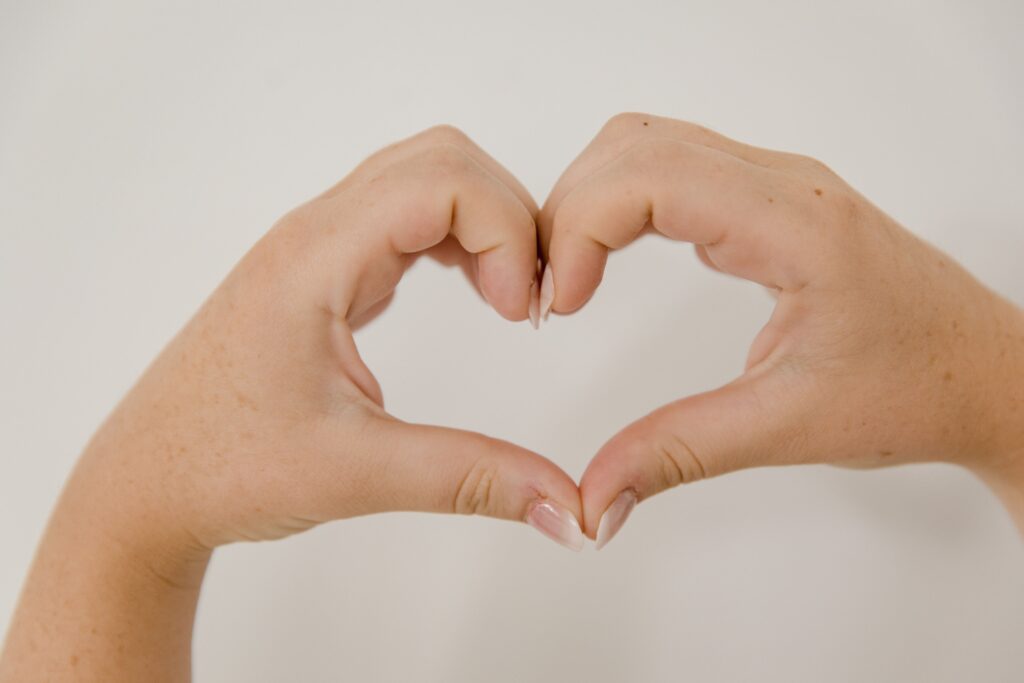

During one of his first Russian lessons, Mark, who had come to Moscow from Chicago, pointed to his hand and asked what it was called. The teacher replied, "ruka." Mark clarified, "And if it's down here, this part, the wrist," and again heard, "ruka." That's how he first encountered the fact that in Russian, one word comfortably covers both "arm" and "hand," whereas English uses two different words for them.
For anyone going from English to Russian, this moment is almost mandatory. It turns out that the Russian language is full of such traps, from gender to idioms, and it's most convenient to navigate them with Mark, for whom they came up one after another. A complete guide with words, stresses, and pronunciation awaits below.
The lesson where "hand" became two words

After figuring out the hand, Mark immediately encountered the same logic in the leg. The single word "leg" extends from the hip to the toes and covers both the leg and the foot at once. When he needed to say "foot," the teacher suggested the words "кисть" (kist') for hand and "ступня" (stupnya) or "стопа" (stopa) for foot, but warned that they are rarely used in spoken language; the full length words "hand" and "leg" are usually sufficient.
A couple of minutes later, Mark had cornered himself. He wanted to complain that he had rubbed his finger raw and stumbled because in English, the words "finger" and "toe" were spinning in his head, two different words. It turned out Russian managed with just one here too. A finger on the hand is "палец," and a toe on the foot is also "палец," and if precision is needed, they say "палец на руке" (finger on the hand) or "палец на ноге" (toe on the foot). Only the thumb stands alone, always separate in counting and gestures.
Where did Mark stumble the most
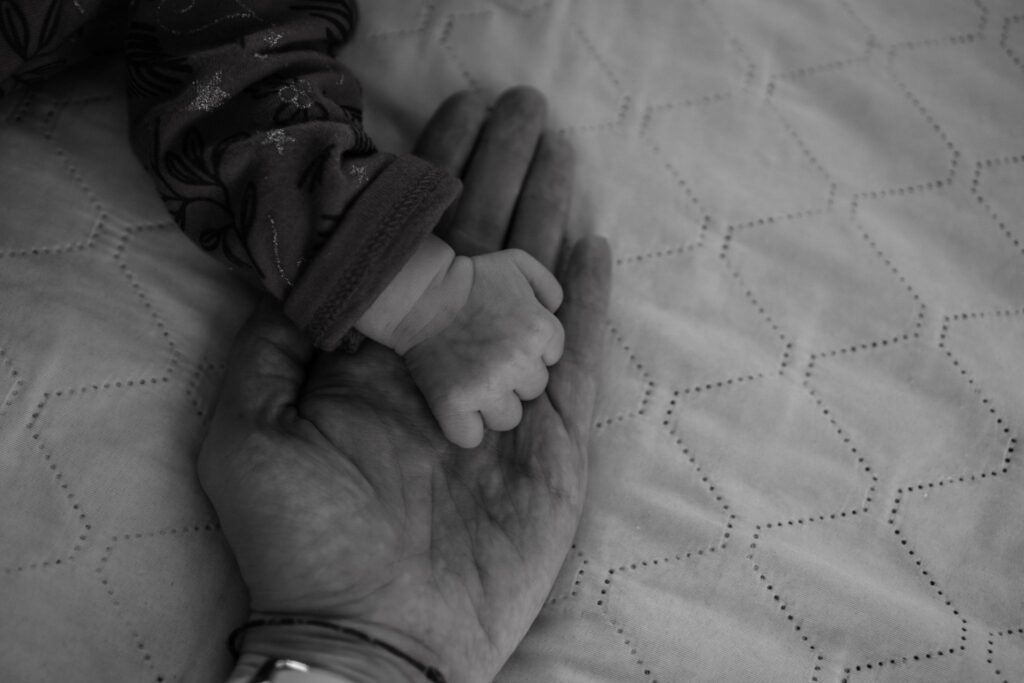
Then came smaller, but persistent errors. Mark, out of habit, said "my рука" (my hand), and the teacher gently corrected him, "моя рука" (my hand), because "рука" is feminine in Russian. It turned out that every body part has a gender, and you have to memorize it along with the word. Head, leg, back, cheek, neck are also feminine. Nose, forehead, elbow, tooth, tongue are masculine. Heart, ear, shoulder, knee, face are neuter. There are almost no rules that indicate gender by meaning, but it's the gender that later holds the entire phrase together, from "my hand" to "a broken knee.".
A separate snag awaited in the plural. Mark confidently pronounced "glazy and uhi" [eyes and ears], and the teacher smiled. Correctly "glaza i uhi" [eyes and ears]. The plural of "koleno" [knee] gives "koleni" [knees], "plecho" [shoulder] gives "plechi" [shoulders], and the word "volosy" [hair] generally exists mainly in the plural, while a single strand of hair is "volos". For the English ear, where "hair" is conceived as something singular, everything is inverted.
Pen, leg, and conversation in the park
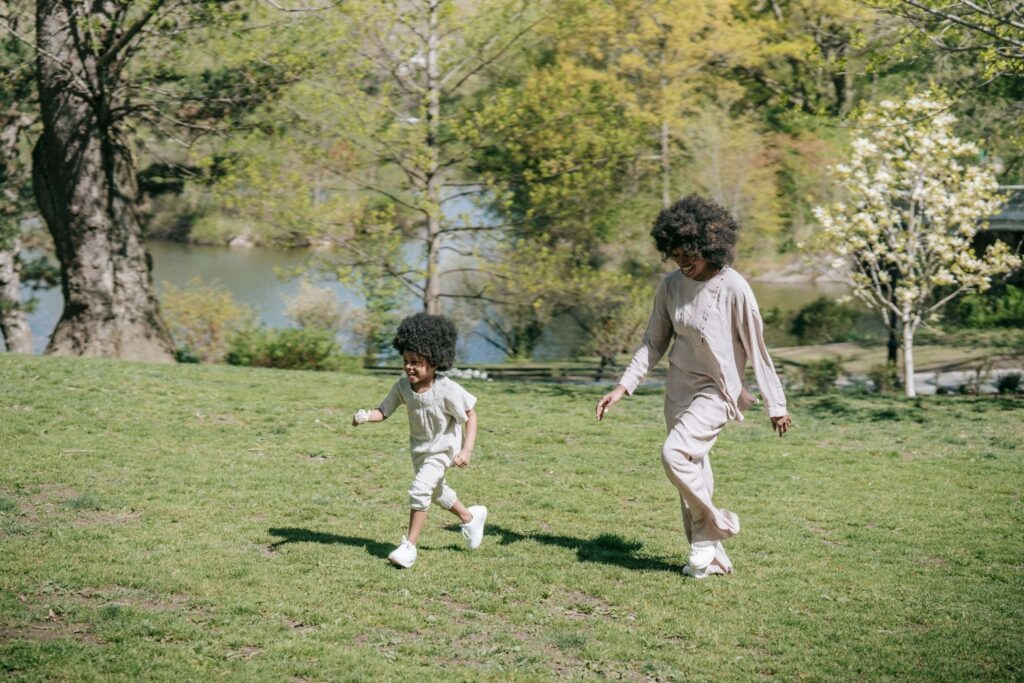
On his day off, Mark was sitting in the park and heard a young mother coaxing her toddler:.
These forms aren't just for toddlers. An adult will also say "pen" for something small or cute, and a diminutive can add tenderness, irony, or appreciation. For Families where a child is raised speaking Russian, Tender words about the body are one of the first and warmest doors into a language. You can't learn this from a list; it's absorbed from the living speech around you.
Idioms that were baffling
The hardest part for Mark was the expressions where body parts suddenly stopped meaning body parts. His colleague was praised; he had golden hands, ..., and Mark was confused about what gold had to do with it. They said the lazy worker was working with a negligent hand. Mark's friend, sympathizing about his car being broken, said he was like a fish out of water. The picky boss, as it turned out, got out of the wrong side of the bed. A noisy child needs a second pair of eyes, and the chatterbox was asked to hold his tongue. When Mark got nervous before the exam, his colleague nodded and said, "Your heart is not in its place.".
It's impossible to understand such phrases literally; their meaning lives separately from the words. These are precisely what give away a person who truly masters a language, and for their sake, it's worth keeping all the body parts in mind at once. Mark was familiar with some of them; part of the imagery echoed English, and part was completely foreign and therefore especially intriguing.
Doctor's appointment

By the end of the month, Mark caught a cold and went to the doctor, and another layer of complexity was revealed. He said his stomach hurt and prepared to hear some complicated medical term in response. But the doctor's heart remained a heart, his liver a liver, his stomach a stomach; most organs simply don't have separate scientific names. The difference wasn't in the words, but in the precision. Mark complained vaguely, "My stomach hurts," while the doctor clarified exactly where – higher, lower, to the left – and translated the complaint into anatomically precise language. True pairs of simple and bookish words were found only for a few body parts, like "stomach" and "abdominal cavity" or "throat" and "pharynx.".
This experience turned out to be more useful than any textbook. Understanding both everyday complaints and a doctor's words is important for anyone living with Russians abroad, whether it's a conversation at the pharmacy or a discussion about a child's health.
How to wrap your head around this

Over the course of a month, Mark traversed a path familiar to almost anyone who delves into the Russian language. First, there was the surprise that "рука" translates to both "arm" and "hand," then the struggle with gender and plurals, followed by affectionate forms, idioms, and conversations at the doctor's office. Individually, each rule isn't complex, but together they transform a simple topic into a whole layer of the language. And this layer is best tackled not through rote memorization, but through living speech, play, and conversation, where words immediately latch onto meaning.
That's how classes at Palme School are structured. Children aged four to seventeen learn Russian through conversation and real-life examples, online and in small groups. You can get acquainted with us through two free lessons. The first is introductory, where a methodologist assesses the child's level and selects a program. The second is a trial lesson, which takes place in a small group with a teacher.
Home
A topic that appears brief reveals an entire world. One word where English uses two, gender for every body part, capricious plurals, a sprinkle of affectionate forms, idioms, and a special language used at the doctor's. Mark's journey illustrates the main point. In spoken language, all of this comes naturally, much easier than rote memorization of tables. And a complete list with stress and pronunciation is always at hand in the table below.
Stress is marked with a symbol above the vowel, and the pronunciation is given in Latin letters for those coming from English.
| Word | Pronunciation | Translation |
|---|---|---|
| Head | ||
| head | head | Head |
| face | lemon | Face |
| hair | hair | hair |
| eye, eyes | eye, eyes | eye, eyes |
| nose | us | nose |
| mouth | rot | mouth |
| ear, ears | ear | ear, ears |
| tooth, teeth | tooth, teeth | tooth, teeth |
| language | Shame | tongue |
| Cheek | cheek | cheek |
| lip, lips | goblin, goblins | lip, lips |
| forehead | Lob | forehead |
| chin | chin | chin |
| neck | Shaya | neck |
| Torso | ||
| body | hello | body |
| back | Stain | back |
| chest | grudge’ | Chest |
| stomach | belly | belly, stomach |
| shoulder, shoulders | plecho, pletchi | shoulder, shoulders |
| waist | talia | waist |
| Hands | ||
| hand, hands | hand, hands | arm / hand |
| brush | chest’ | hand |
| palm | thief’ | palm |
| finger, fingers | pallets, fingers | finger / toe |
| thumb | thumb | thumb |
| elbow | smoke’ | elbow |
| wrist | Zapyastye | wrist |
| nail | fingers’ | nail |
| Legs | ||
| leg, legs | nogás, noguis | leg / foot |
| foot | stupnyá, stopá | foot |
| knee, knees | knee, knees | knee, knees |
| thigh | bedro | thigh, hip |
| heel | party | Heel |
| Organs | ||
| heart | heart | heart |
| lungs | light | lungs |
| Cookie | Pecan’ | liver |
| stomach | stomach | stomach |
| kidneys | pancakes | kidneys |
| brain | move | brain |
| blood | roof’ | blood |
| bones | cost | bones |