Before the first group exercise, there is one simple thing to do at home. A phone with a stopwatch and an ordinary evening are needed.
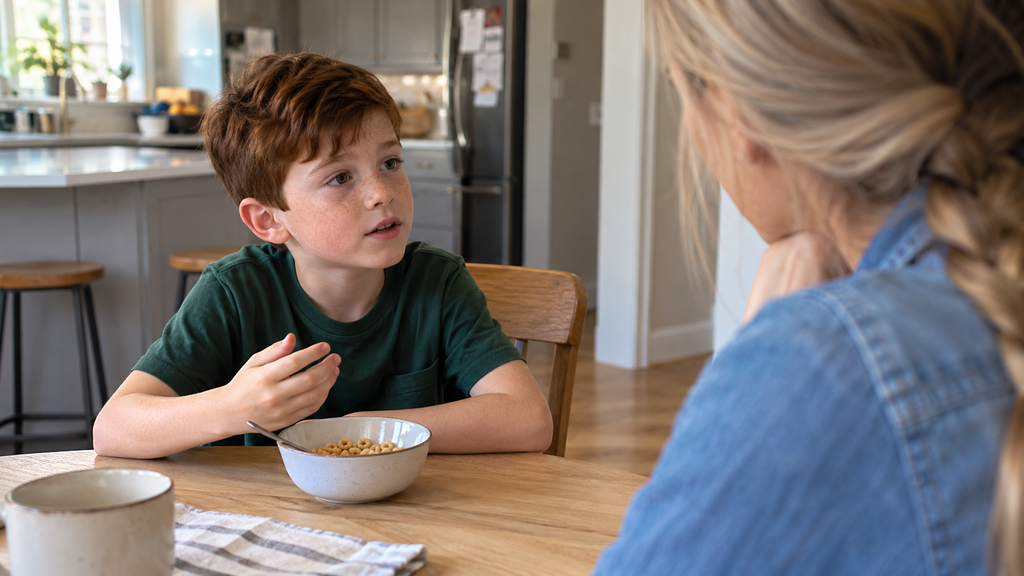
Ask the child in English what he/she ate for breakfast. Record the time it takes for him/her to start responding.
Then ask the same thing in Russian.
Try again in a few minutes.
The numbers will almost certainly be different. And the second number will be more useful to you in the first lesson than any questionnaire.
What counts as the beginning of the response
First, agree with yourself when to stop the stopwatch.
The child can say «ee».
He might say «well.».
He can start in English and move to Russian.
Maybe he could just point at the refrigerator.
It’s most convenient to stop when the first word in the case is spoken. «Casserole.» «Omelet.» «Egg.» Everything before that, too, requires a response; the child just thinks out loud during those seconds.
Don't tell him that you are counting time. Otherwise he will start hurrying and the result will be that the time is rushed.
Why one time is not enough
One question may be too easy or too difficult. The child will answer quickly about breakfast if they have eaten the same thing every day, and slowly if they have eaten something new that they don’t know the Russian name for.
Ask several different questions on different days. What happened at school. What did you play with during recess. Who is the funniest person in the class today.
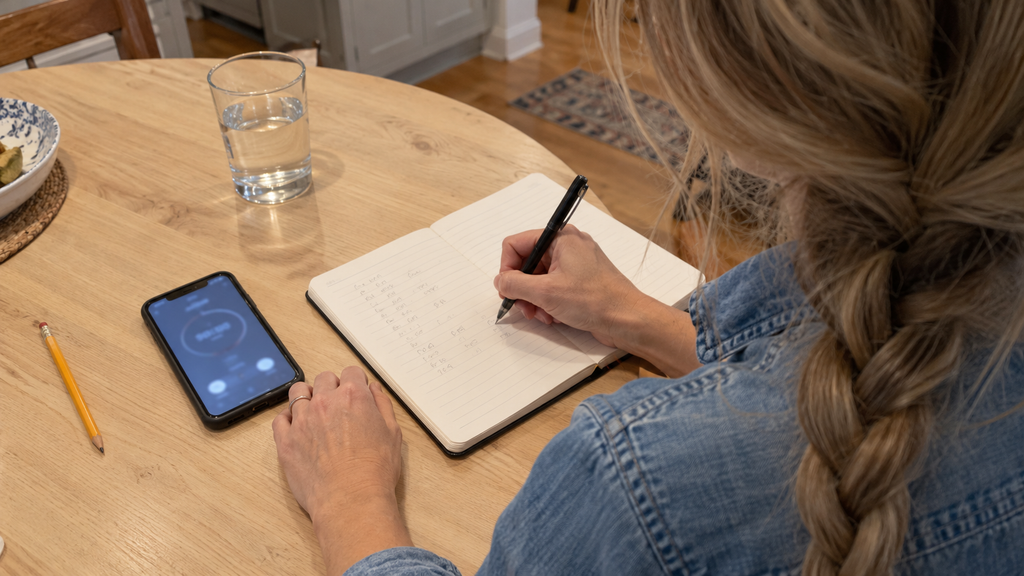
Write down both numbers next to each other, the English and the Russian ones.
In a week you will have a small number bar. It shows how many seconds it usually takes your child to start speaking in Russian.
Where does the difference go?
If the Russian number is larger than the English one, it does not mean that the child does not know the answer well.
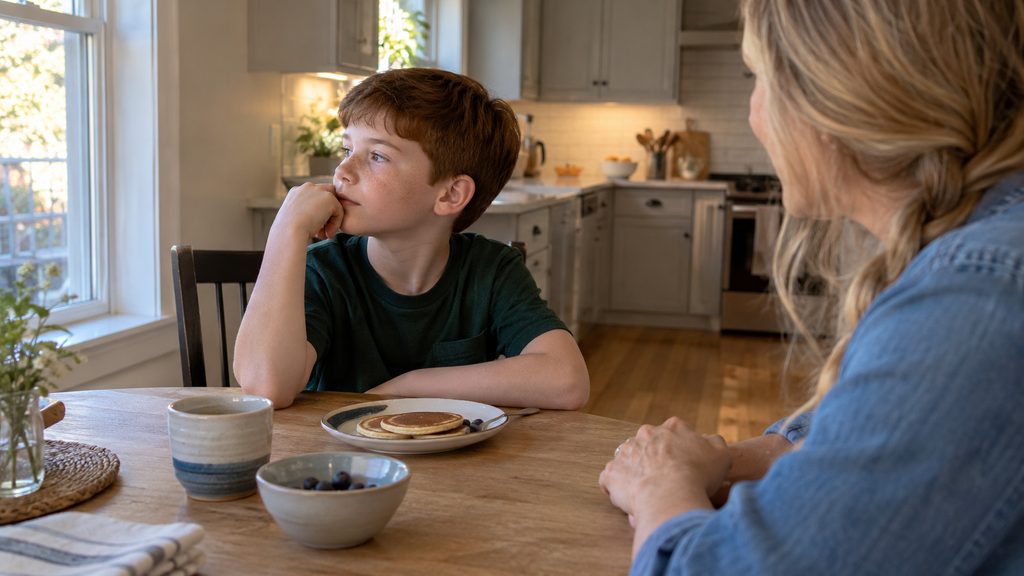
Look at what he does in those extra seconds.
Sometimes he remains silent and looks in a certain direction. He is searching for the right word.
Sometimes it starts with «pancakes, oh, blini.» The word was first found in another language, and it had to be changed.
Sometimes he asks again. So the question itself wasn’t understood in Russian right away.
It's impossible to tell from the pause whether the answer was ready. Sometimes the path to the Russian word is just a little longer.
With this number in the lesson
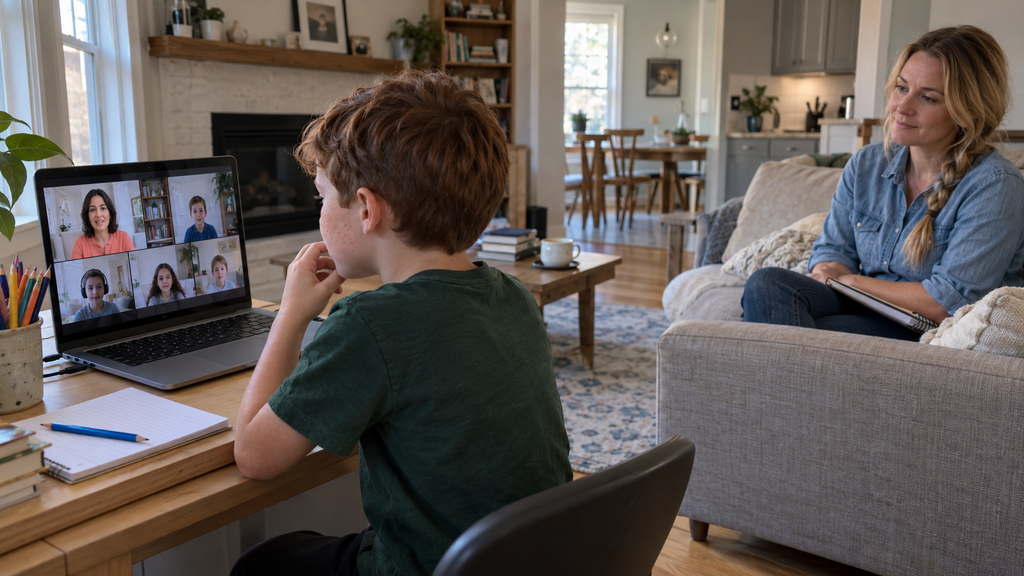
Now you can sit on the side of the screen during the first lesson.
The teacher asks a question to the group. Start counting mentally.
If the first answer comes in one second, and your child usually needs three, you already know that he most likely won't be able to answer. This doesn't say anything about his Russian. It says how many seconds in that group the question lives.
Count several times per lesson.
Look at what the teacher does when someone else starts talking first.
Does he pause after asking a question before naming the name?.
He calls your child by name and waits for them to find the word.
Whether he returns to him if the answer was intercepted.
See if the child has had the opportunity to start and finish their answer. Home measurements help to notice a pause, but they do not determine how much time the child will need in class.
If the numbers don't match
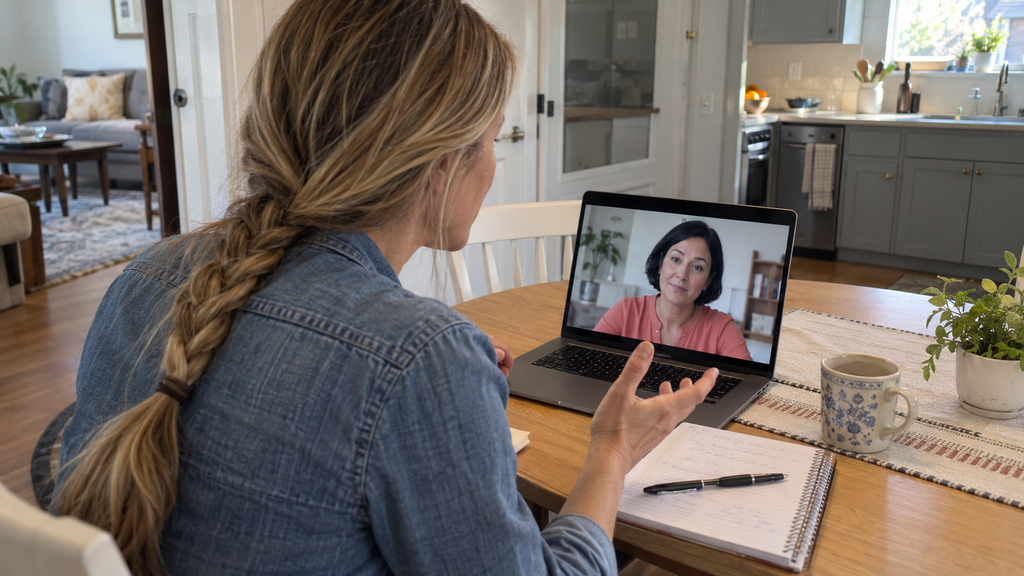
Sometimes a child needs four seconds at home, but in class they are given no more than two. One lesson still doesn’t solve anything. In the first session, the teacher doesn’t know the children yet and doesn’t know how many of them need what.
Tell him.
«In Russian, it usually takes him three seconds to start responding. In English, one second.
This is not a complaint. The teacher couldn't have known this on the first day of class. But you saw it at home when they were measuring.
And ask him in response how he gives children who need more time to think.
In a month
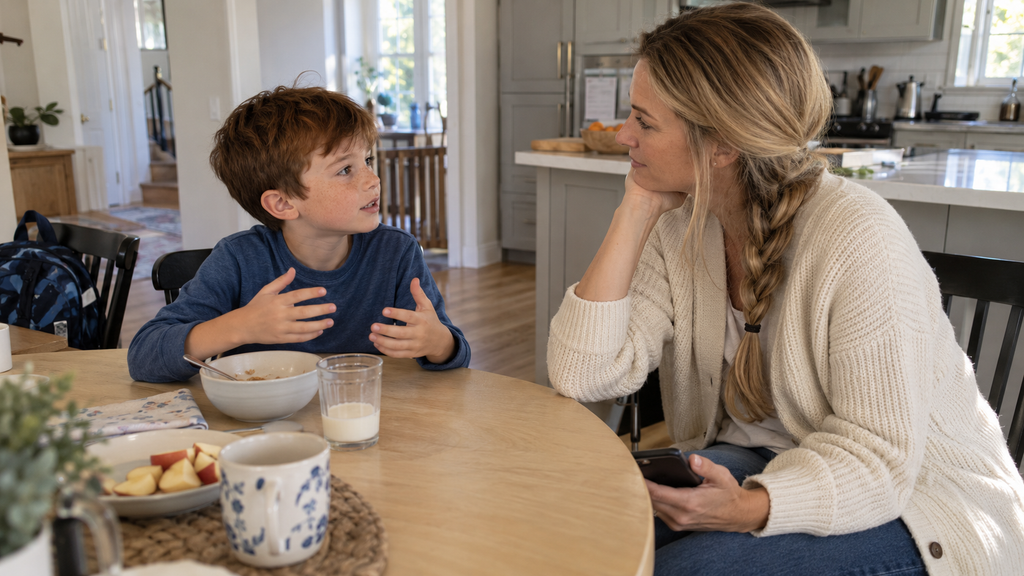
After a month of classes, you can ask the same questions again at home and take the test again.
The Russian figure may be smaller.
Or it can stay the same, and that's also okay. What's more important is that the child has as many seconds in class as they need.
Below is a stopwatch that is convenient for keeping track of both numbers and writing them down in a column.
Russian seconds
Ask the child a question in English and click «Start.» Stop when the first word in the sentence is spoken. Then do the same thing in Russian. The child doesn’t need to know that you are counting.
In English
0,0с
In Russian
0,0с
| № | Question | In English, with | In Russian, with |
|---|
The recordings are stored only in this browser. Home measurements help to notice the delay, but they do not determine how much time the child will need in class.
At Palme School, children aged four to seventeen learn Russian online in small groups on the «Russian for Bilinguals» course. If a child needs a little more time to start speaking in Russian, it is worth telling the teacher about it from the very beginning.
You can start with two free lessons. In the first method, the educator determines the child’s level and helps to choose a program; in the second method, the family gets acquainted with the teacher.
Sign up for free lessonsFrequently asked questions about the first session in the Russian group
How does the first group Russian class for children go?
In an online group session, there are several children and a teacher; each in their own box. The teacher asks questions, the children answer, and they play and read. For the parent at the first session, it is useful not only to see how many times their child answered a question, but also how much time passes after the question before the answer is given.
Why does a child remain silent in class even though they answer at home?
There could be many reasons, and it’s impossible to pinpoint one. One possible reason has to do with time. If it takes the child a few seconds to start responding in Russian, and the first response in the group comes in before that, they might simply not have time.
How can you determine how much time a child needs to answer in Russian?
Ask the same question in English and Russian and time it until the first word in the lesson. Repeat with different questions on different days and write down both numbers next to each other. Home measurements help you notice the pause, but they don't determine how much time the child will need in class.
What should I say to the teacher after the first lesson?
One could name a domestic number, for example, that in Russian a child usually needs three seconds to start responding, while in English it’s one. And ask how the teacher gives the children time to think, for those who need more time.
Can the response time in Russian be shortened?
Maybe, but it’s not possible to say in advance when and how much. After a month of classes, you can ask the same questions again at home and compare the results.