

С виду их ничто не роднит. Юная фигуристка, что под музыку чертит узоры на льду, и боец, за всю карьеру не уступивший в клетке ни разу. Теннисистка, чей резкий вскрик при ударе знает вся планета, и невозмутимый теннисист, изматывающий любого соперника своей упрямой, цепкой игрой. Разные арены, разные нравы, разные пути. И все же есть то, что связывает их в одну компанию: каждый поднялся на самую вершину мирового спорта и стал тем, по кому весь мир узнает о русских чемпионах.
Тот, кто ищет famous russian athletes или russian sports stars, обычно ждет простого перечня имен с медалями. Но за каждым из этих имен стоит не только список титулов, а характер, годы труда и путь, который почти всегда начинался далеко не в роскоши. Давайте разберемся, кто эти люди, в каких видах спорта русские прогремели на весь мир и, самое интересное, что же общего у фигуристки, теннисиста и бойца, кроме самого факта победы. Потому что именно это общее и есть самое поучительное в их историях.
Разные арены, один характер

Если приглядеться к судьбам русских чемпионов, в них проступает один и тот же узор, независимо от вида спорта. Почти никто из них не вырос в богатстве и не получил свой талант даром. За плечами у большинства тяжелое детство в обычных, часто небогатых семьях, ранние подъемы на тренировки, переезды ради спорта, травмы и бесконечные часы изматывающей работы, которых никто не видит. Блеск медалей это всегда лишь верхушка айсберга, под которой скрыты годы пота и отказов от всего, что есть у обычного ребенка.
Второе, что их роднит, это характер, та самая несгибаемость, без которой на вершине не удержаться. Умение проигрывать и подниматься, выходить на решающий матч с дикой болью, держать удар и не сдаваться, когда силы на исходе. Именно характер, а не только талант, отличает большого чемпиона от просто одаренного спортсмена. И этот характер, выкованный в спорте, потом остается с человеком на всю жизнь, помогая ему и далеко за пределами корта или ринга. Вот об этом стоит помнить, перебирая громкие имена и звания.
Теннис, где зажглись мировые звезды
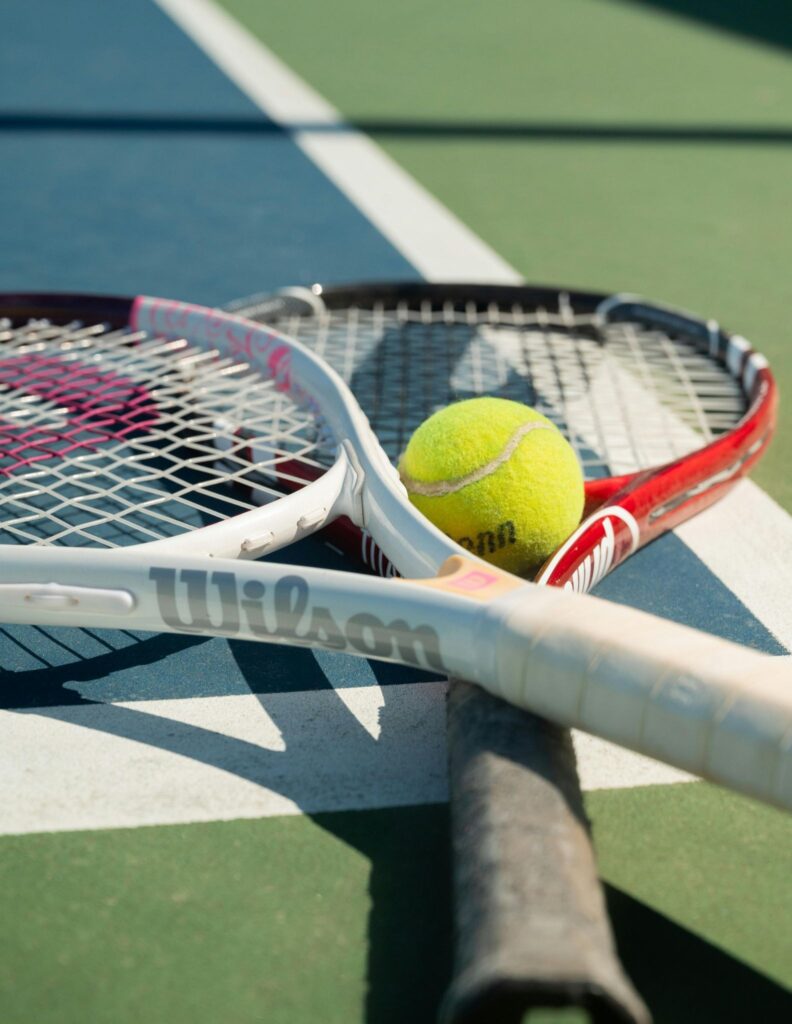
Теннис стал, пожалуй, той ареной, где русские имена зазвучали особенно громко на весь мир. И первое из них, конечно, Мария Шарапова. Тренироваться ее отправили в Америку совсем ребенком, а в семнадцать она уже гремела на весь мир, выиграв Уимблдон. Дальше были и другие главные турниры, и место на самой вершине рейтинга, и слава звезды, которую узнавали в лицо повсюду. Когда несколько лет назад Шарапова простилась с теннисом, вместе с ней закончилась целая эпоха.
Из тех, кто блистает сейчас, всех ярче Даниил Медведев. Сперва он выиграл US Open, а затем сумел подняться на первую строчку мирового рейтинга, и до него из наших соотечественников на это оказались способны лишь двое, еще на стыке веков. Медведев и сегодня среди сильнейших на планете, а его цепкая, ни на кого не похожая игра давно стала его визитной карточкой. Главных наших чемпионов с их достижениями удобнее охватить взглядом в одной таблице
Русские чемпионы мирового уровня
| Спортсмен | Вид спорта | Главные достижения |
|---|---|---|
| Мария Шарапова | Теннис | Пятикратная победительница турниров Большого шлема, первая ракетка мира |
| Даниил Медведев | Теннис | Победитель US Open 2021, бывшая первая ракетка мира |
| Алина Загитова | Фигурное катание | Олимпийская чемпионка 2018 года |
| Хабиб Нурмагомедов | Смешанные единоборства | Чемпион мира, завершил карьеру непобежденным |
Фигурное катание, русское золото льда

Если в теннисе наши среди лучших, то в женском фигурном катании последних лет им почти нет равных. Русская школа этого спорта превратилась в настоящий конвейер чемпионок, изумляющих мир труднейшими прыжками и выверенностью каждого жеста. На льду девушки исполняют то, что совсем недавно казалось немыслимым, и спор за золото на главных турнирах годами шел в основном между самими россиянками.
Самое яркое лицо этой золотой поры Алина Загитова. В 2018 году, когда ей было всего пятнадцать, она завоевала олимпийское золото, очаровав мир чистотой и сложностью своих программ. Известность пришла к ней мгновенно, и она сделалась настоящей звездой, кумиром миллионов. Позже Загитова отошла от большого спорта, но осталась одним из самых любимых и узнаваемых имен в фигурном катании. За ее историей и историями других чемпионок льда стоит та самая знаменитая русская школа, что десятилетиями держит мировую планку.
Бойцы, не знавшие поражений
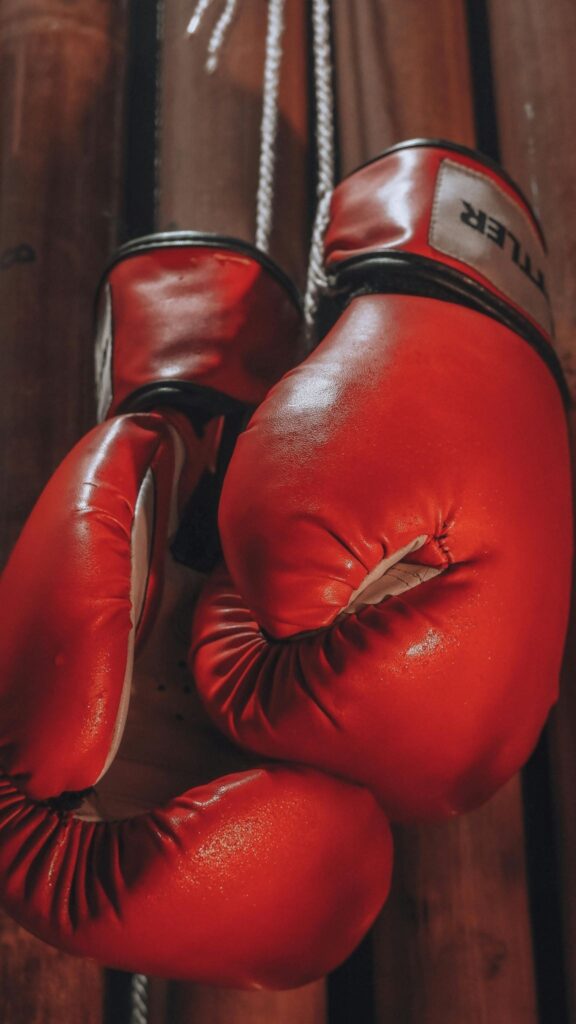
Совсем другая арена, и совсем другой характер, это мир единоборств, где в последние годы тоже гремели русские имена. Бои это спорт жесткий, требующий не только силы, но и железной воли, выдержки и ума, и здесь русские бойцы доказали, что им нет равных. Главное имя тут Хабиб Нурмагомедов, ставший легендой еще при жизни и далеко за пределами спорта.
Прославился Хабиб тем, что ушел из профессионального спорта, не зная поражений вовсе, не уступив ни в одном бою, что в большом спорте случается крайне редко. Он стал чемпионом сильнейшей бойцовской лиги мира в легком весе, и помнят его не только за мастерство, но и за железную волю, скромность и за то, что сдержал данное матери обещание завершить карьеру непобежденным. История Хабиба это рассказ о том, как характер, дисциплина и верность своим принципам ценятся в мире не меньше, а порой и больше, чем просто грубая сила. Полный перечень наших звезд по видам спорта удобно собрать в отдельной таблице.
Где русские блистали ярче всего
| Вид спорта | Чем сильны |
|---|---|
| Теннис | Мировые звезды и первые ракетки планеты в разные годы |
| Фигурное катание | Сильнейшая женская школа, золото крупнейших турниров |
| Смешанные единоборства | Бойцы мирового класса, чемпионы сильнейших лиг |
Что стоит за их победами
Когда смотришь церемонию награждения, видишь только сияющий миг триумфа. Но за этим мигом всегда стоит то, чего не показывают по телевизору. Прежде всего невероятный труд, годы ежедневных тренировок, начавшихся обычно в раннем детстве, когда другие дети играли во дворе. Чемпионами не рождаются, ими становятся через тысячи часов работы, и в этом главный и самый честный урок большого спорта.
За победами стоят и поражения, без которых не бывает чемпионов. Каждый из этих спортсменов проигрывал, падал, получал травмы и сомневался в себе, но находил силы подняться и идти дальше. Умение пережить неудачу и не сломаться оказывается важнее самого таланта. А еще за их успехом почти всегда стоит чья-то поддержка, родители, годами возившие ребенка на тренировки, тренеры, поверившие в него, семья, ставшая опорой. Большой спорт, при всей его внешней индивидуальности, почти никогда не бывает делом одного человека.
Спорт как мост между культурами
Спорт обладает удивительным свойством, он понятен без перевода и объединяет людей поверх любых границ и языков. Триумфы русских атлетов признают и ценят по всему свету, и для ребенка, что растет вдали от России, это и повод для гордости, и живая ниточка к культуре его семьи. Когда человек с твоими корнями, пусть и далекий, всходит на мировой пьедестал, поневоле ощущаешь себя частью чего-то большого.
Истории чемпионов это к тому же отличный разговор с ребенком о по-настоящему важных вещах, о трудолюбии, упорстве и умении не сдаваться. На примере любимого спортсмена куда легче объяснить, что успех не падает с неба, что за ним стоят дисциплина и труд, и что поражение это не конец, а часть пути. Такие примеры работают лучше любых нравоучений, потому что за ними стоят реальные люди и реальные победы, которыми восхищается весь мир.
Стоит ли это знать ребенку, растущему вне России
Для ребенка вдали от России спорт нередко становится самым простым и радостным мостиком к родной культуре. Болеть за наших, знать их имена и истории, гордиться их победами это естественный и живой интерес, который не надо навязывать. А от интереса к спортсмену один шаг до интереса к языку и стране, откуда он родом, и этим стоит пользоваться.
В Palme School мы любим отталкиваться от того, что ребенку по-настоящему близко, будь то спорт, кино или музыка, и через это вести к языку и культуре. Когда русский это язык твоих кумиров и твоей семьи, а не строчка в расписании, и учить его хочется совсем иначе. Наши ученики занимаются с четырех до семнадцати лет, и для ребят с русскими корнями есть программа для билингвов, а для тех, кому язык ближе как иностранный, своя. Все уроки идут онлайн, малыми группами, по сорок минут.
Проверить, подойдет ли это вашему ребенку, можно бесплатно. Школа дает два пробных занятия. На первом методист знакомится с ребенком, определяет уровень и рассказывает о программе. Второе это уже настоящий урок в группе, с преподавателем и другими детьми. После них сразу видно, насколько ребенку уютно в русской среде и что увлекает его сильнее всего.
Если коротко
За громким перечнем наших спортсменов мирового масштаба стоят люди очень разные, и арены у них очень разные, от теннисного корта и ледовой дорожки до бойцовской клетки. Кто-то покорял большой теннис, кто-то ослеплял публику на льду, кто-то не знал поражений в боях, и каждый поднялся на самую вершину своего дела и прославился на весь мир. Но при всей пестроте видов спорта есть у них общая и самая важная черта: характер, закаленный годами труда, и умение держать удар и вставать после падений. Их победы это всегда вершина огромной невидимой работы, начавшейся в детстве. И в этом, пожалуй, самый ценный урок их историй для любого ребенка, ведь упорство и воля нужны не только в спорте, но и в любом деле, за которое берешься всерьез.