


The afternoon is a Sunday one, in a town south of Seattle. Nina is nine. Three weeks with her grandparents in the house have ended, and the suitcases now stand against the wall by the door, since the evening flight back to Russia is the one that has been booked. Nina is held by the shoulders by her grandmother, who says nothing and waits for the Russian word that the moment calls for. The visit has been conducted by Nina almost entirely in English, and yet the word is found by her, and «до свидания» is what she says, the phrase that this same doorway has heard from the adults around her since before she can date the memory. It is said back to her by the grandfather at half the speed, and the leaving is turned in this manner into a short lesson in how to say goodbye in Russian.
How to say goodbye in Russian when the visit comes to an end

What Nina finds first, «до свидания» (da svee DAH nya), is the form that gives no offense in almost any setting, and that property is the reason for which it is placed earliest in front of children. The word is assembled from a root that has to do with seeing or meeting, and for that reason the sense given to learners is held near «until we see each other,» a gloss offered as approximate and not as anything to be trusted word for word. Once Nina's shoulders are released the grandmother sets a lighter word beside it, «пока» (pa KAH), the plain bye that passes between people who separate without ceremony and that is carried with a sense close to «for now.» In an unremarkable moment the answer to how do you say bye in Russian is this «пока,» while the weightier «до свидания» is the one held back for a formal leave taking and for adults outside the family.
Do svidaniya
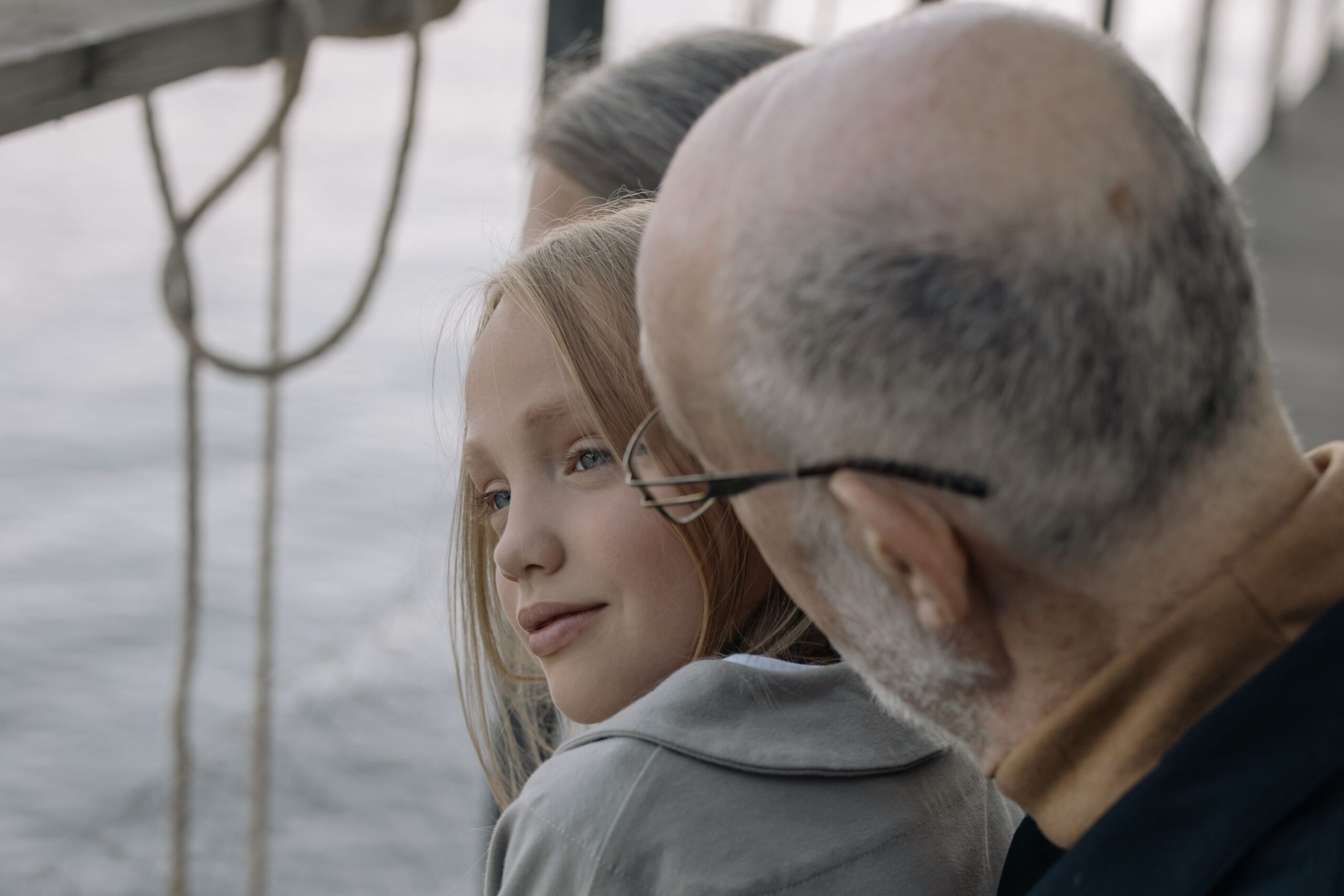
For a child whose native language is English, the difficulty lies not in the meaning of the word, but in where its stress is dropped. This is because a Russian word with an incorrectly placed stress is perceived by a listener as foreign, even if every individual sound is correct. The stress in «до свидания» (do svidaniya) falls on the middle syllable of this long word, da svee-DAH-nya, and the final syllable is pronounced softly rather than with emphasis. In «пока» (poka), the stress is shifted to the final syllable, while the initial syllable is reduced to almost nothing, po-KAH, an arrangement that goes against what an English speaker expects. The grandfather has Nina pronounce each word twice: first at a normal speaking pace, and then elongated. This is because how to pronounce goodbye in Russian is determined less by an explicitly stated rule and more by an ear that has been shaped through repeating the word alongside someone whose Russian is fluent.
Until next time

An airport departure is just one kind of goodbye. Shorter partings that happen during a normal week draw on their own small store of words, kept by friends and cousins. As a Russian lesson ends, or as a video call with a cousin in Russia is closed, the words chosen are those that look toward the meeting yet to come. «Do vstrechi» (da VSTRYEH chee), translated as «until we meet,» is a degree warmer and a degree less formal than «do svidaniya,» and it's the phrase used when both parties expect to meet again. «Uvidimsya» (oo VEE deem sya), akin to «see you,» is even more informal and is most commonly heard among children. A very casual sign-off used among teenagers, «davai» (da VAI), stands alone at the end of a call, its purpose being to conclude the conversation rather than to convey a specific meaning. For this reason, it is the last phrase a heritage child typically learns.
Do svidaniya
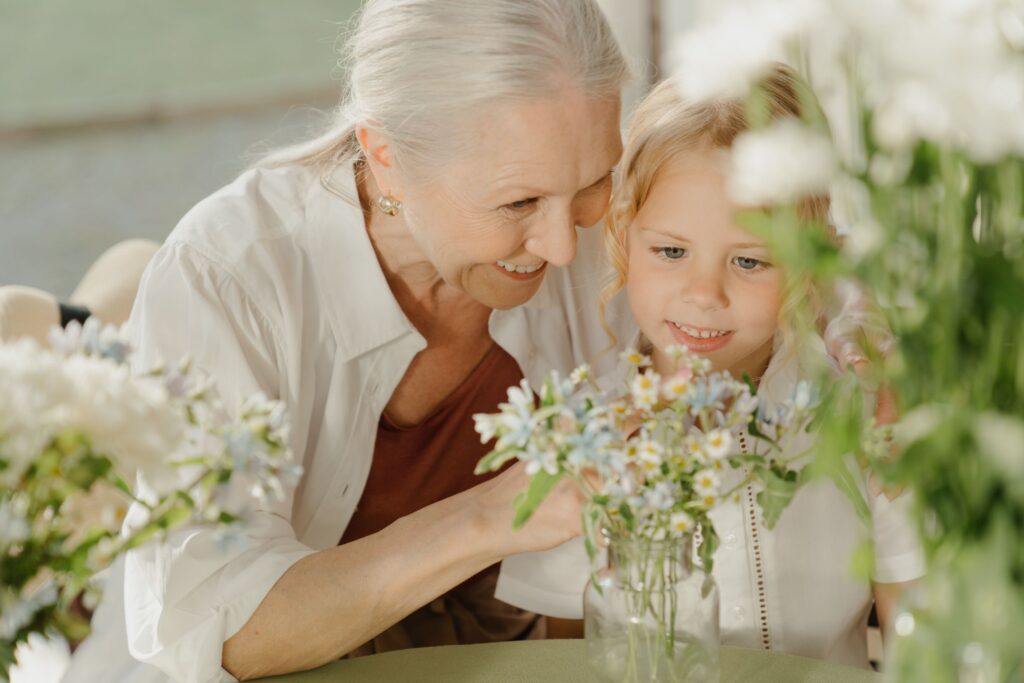
A second group of farewells is spoken not to mark the parting but to wish the other person well, and these are the ones the grandmother uses at the door alongside «do svidaniya.» «Vsego khoroshego» (fsye VOH ha ROH she va), together with its near twin «vsego dobrogo» (fsye VOH doh bra va), is understood by both sides to mean «all the best,» and the two are cast in a grammatical case that a child has no need to deconstruct in order to use them correctly through imitation. «Schastlivo» (shchas LEE va) is the warmer and more casual of the partings and carries a sense close to «take care,» a word of the kind that is acquired from being around it rather than from a page. For the parent whose question is how do you say goodbye in Russian in a manner that does not sound stiff, these well-wishing forms earn their place because they take the edge off the bare «bye,» which on its own can sound abrupt.
Прощай

Among farewells, one stands out, and it is the one withheld by the grandfather at the door, despite the long separation ahead. «Прощай» (pra SHCHAI), with its polite form «прощайте» (pra SHCHAI tye), is a weighty word reserved for a parting that is final or close to it, the rough equivalent of the English «farewell.» According to one account, the word is linked to the verb meaning «to forgive,» a derivation that is often brought up, though it's wiser to consider it a probable source rather than a definitive one. For a child, what matters is the weight the word carries, as «прощай» directed at a grandmother who is merely flying home for a season would be misplaced, and on this basis, the common «до свидания» and "пока" are used first and relied upon most.
Learning how to say goodbye in Russian matters for a child growing up abroad because it helps them maintain a connection to their cultural heritage and family roots. This seemingly small phrase, "do svidaniya" (until we meet again) or "poka" (bye, informal), can be a gateway to understanding and preserving the language, traditions, and sense of identity that are part of their Russian background. For a child living away from their native land, language is often the most tangible link to their heritage. Being able to say goodbye in Russian, even if they don't speak the language fluently, is a verbal acknowledgment of their identity. It shows respect for their family's culture and reminds them that they are part of something larger than their immediate environment. Here's why it's particularly important: * **Maintaining Family Connections:** If the child has Russian-speaking relatives, especially grandparents, being able to say goodbye in their native tongue strengthens those bonds. It's a sign of love, respect, and effort to bridge any linguistic gaps, making communication more meaningful and inclusive for everyone involved. * **Cultural Preservation:** Language is deeply intertwined with culture. Learning common phrases like "goodbye" is often the first step in a lifelong journey of cultural appreciation. It can lead to curiosity about Russian customs, literature, music, and history, fostering a richer understanding of who they are and where they come from. * **Building a Multilingual Identity:** In today's globalized world, multilingualism is a valuable asset. Even a basic understanding of Russian, starting with simple greetings and farewells, can open doors to future language learning and a more cosmopolitan outlook. It helps the child embrace a dual identity, comfortable navigating different cultural and linguistic spaces. * **Sense of Belonging:** For children growing up in diverse environments, feeling a sense of belonging is crucial for their self-esteem. Knowing how to say goodbye in Russian can provide comfort and a sense of belonging to their Russian heritage, especially during times when they might feel like an outsider. * **Respect and Empathy:** Learning to say goodbye in another language demonstrates respect for that language and the people who speak it. It teaches children empathy and the importance of understanding and valuing different cultures, which are essential life skills. * **Cognitive Benefits:** Studies have shown that learning multiple languages can enhance cognitive abilities, such as problem-solving, critical thinking, and creativity. Even introducing a few words can contribute to these developmental benefits. * **Future Opportunities:** As the child grows, their ability to communicate in Russian, even at a basic level, could open up educational, travel, or career opportunities later in life. In essence, "do svidaniya" or "poka" is more than just a farewell; it's a small but significant act of cultural connection, identity affirmation, and the beginning of a lifelong relationship with their Russian heritage.

When the grandparents visited next, Nina no longer had to be coaxed into saying goodbye; she initiated it before the adults did. Her casual «poka» had become a regular feature of her calls to her cousins, with no one prompting her. A few parting words, counted on their own, seem like very little, yet they are what keeps a grandmother within reach, in her own language, across nine time zones. And that reach is the means by which a child's Russian is maintained at a time when school, friends, and the screens throughout the house are conducted entirely in English. The lessons at our school are built around that same understanding. The groups are kept small and meet a couple of times a week, and the language is carried through situations that are real rather than drilled as vocabulary. Two free lessons open the door for a new family, the first an assessment with a methodologist who works out where the level of the child is situated, and the second a trial group lesson taken with a teacher. The children who are taught range in age from four to seventeen, and a goodbye learned at the door is one of the first places where a parent can see the language take hold.