


Not so long ago, a tablet in every backpack seemed like a sign of progress. The more screens in the classroom, the more modern the school, everyone thought so. But now, schools around the world are quietly turning back. They are taking paper textbooks off the shelves. They are having children write by hand. They are putting phones away.
Sweden, Finland, Denmark, two dozen American states, and now Canada is next. Not some backwater provinces, but precisely the countries that were the first to rush into digitization. And yet, they are the first to backtrack. What happened?
What's happening

A turnaround is happening, and a rapid one. In Sweden, authorities announced a return to fundamentals a couple of years ago and brought back paper textbooks to classrooms, allocating nearly seventy million dollars for them in just one year. Finland has reconsidered making handwriting optional and has reintroduced penmanship lessons. Denmark is banning smartphones in schools and investing in physical books. In the US, according to Axios, screen time in schools is being reduced, with over twenty states having already adopted or preparing legislation to limit technology in the classroom.
And where phones are removed from schools, the changes are noticed quickly. Teachers talk about the same thing: children are less distracted, disrupt lessons less often, and are more willing to pick up a book. It's quiet in the classroom, but rich in their minds.
And importantly, this is not the whim of an individual conservative director. This is a coordinated shift by entire state education systems, the very ones that yesterday were placing technology on a pedestal.
Why back all of a sudden
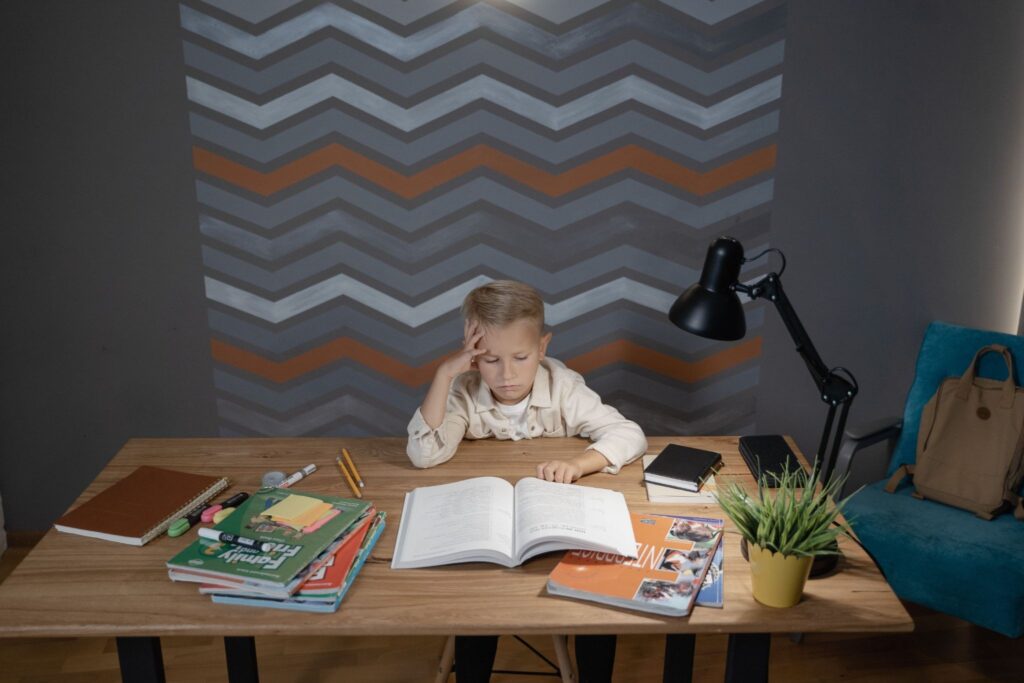
And because the digital school showed its downside. And it showed it strongly.
Children have started reading worse. Their attention spans have decreased. Finishing a book of a couple of pages has become a feat. A simple, almost forgotten thing has become clear: handwriting and paper do something for learning that a screen cannot. When you write by hand, you slow down, and knowledge settles in more firmly. When you read a physical book, you're not tempted to jump to another tab every minute. Writing by hand, as brain research shows, activates what fast typing on a keyboard doesn't. Schools are essentially bringing back useful friction into learning, that very effort without which knowledge is not retained.
It should be stated honestly here. No one is calling for computers to be thrown in the landfill. This is not about returning to the Stone Age, but about balance. Technology will remain, but it will cease to be the only thing the lesson depends on.
And what do we parents get out of this?
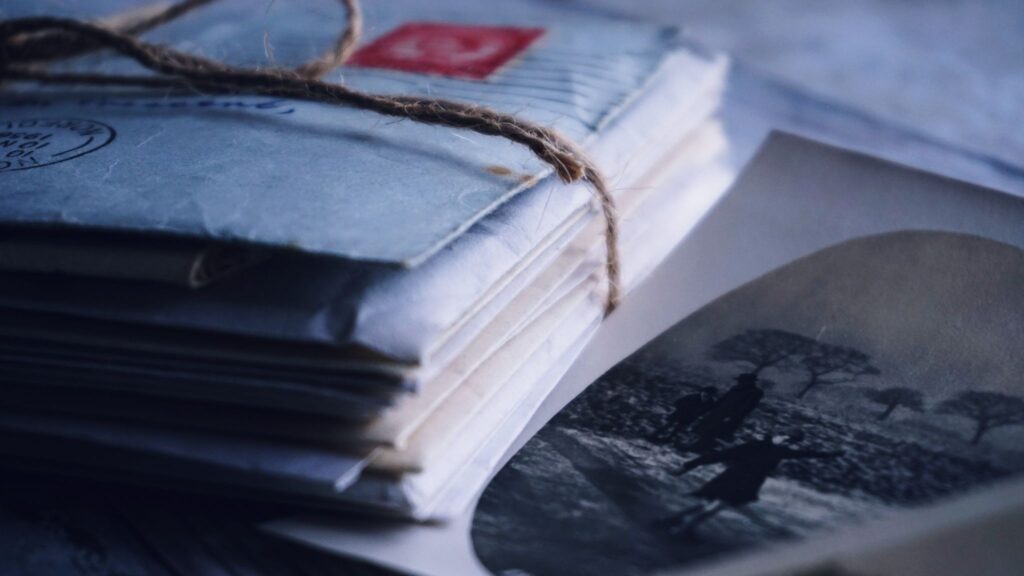
And here the story is unexpectedly about us. Because for a child from a Russian-speaking family, something more than just attention and handwriting is at stake. Their native language.
After all, Russian, like any language, doesn't live in an app, but in real life. In reading actual books, in conversation, in handwritten letters. When a child's whole life is transferred to a screen, there's almost nothing Russian there: YouTube is in English, games are in English, the feed is in English. And Russian is left without that very paper, without that very living conversation, on which it solely depends. That is, the global turn towards analog teaches us, émigré parents, precisely what we should have been thinking about for a long time. If you want to preserve Russian for your child, give them Russian in real life. A paper book with pictures. A handwritten letter to grandma. A conversation at the table without a phone nearby.
What can a parent do
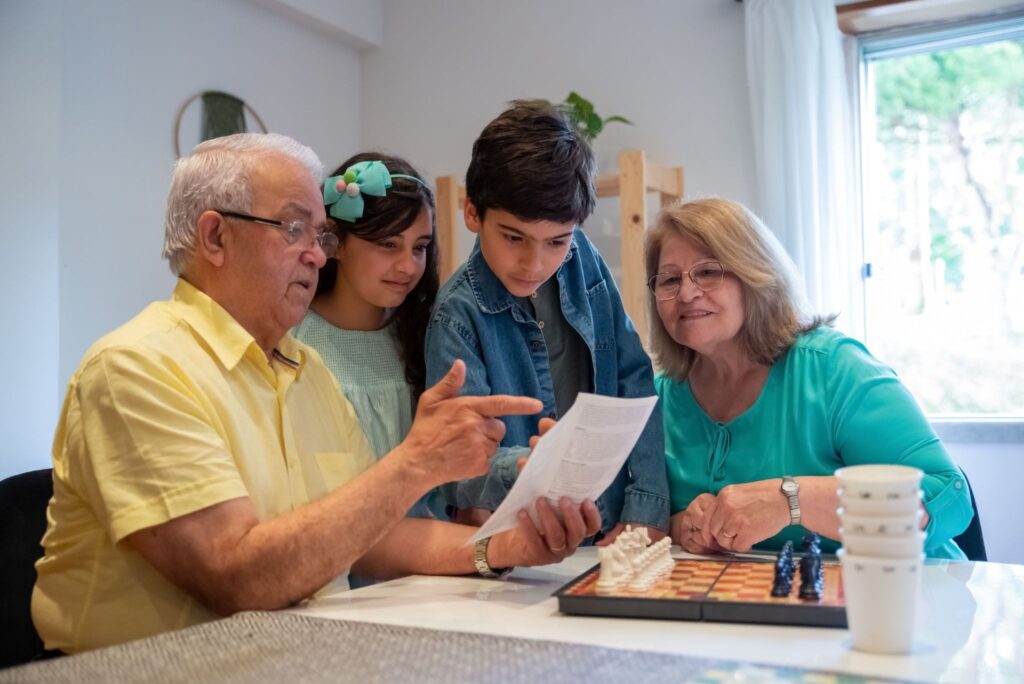
No one is asking to completely ban technology; that would be both useless and unnecessary. It's just worth bringing a little bit of analog back into a child's life, especially in Russian.
Get Russian paper books and read them together aloud. Slip in a notebook, let them write, whether it's a letter to grandpa or a diary, it doesn't matter. Have at least an hour at home without screens, when you talk, play board games, and imagine. All of this is the very environment where language grows, and it's also the very environment that advanced schools around the world are returning to. It turns out that bringing back paper and spoken word to a child is doubly beneficial: both for learning, as understood in Sweden, and for the Russian language, as we need it.
The Palme school will help with
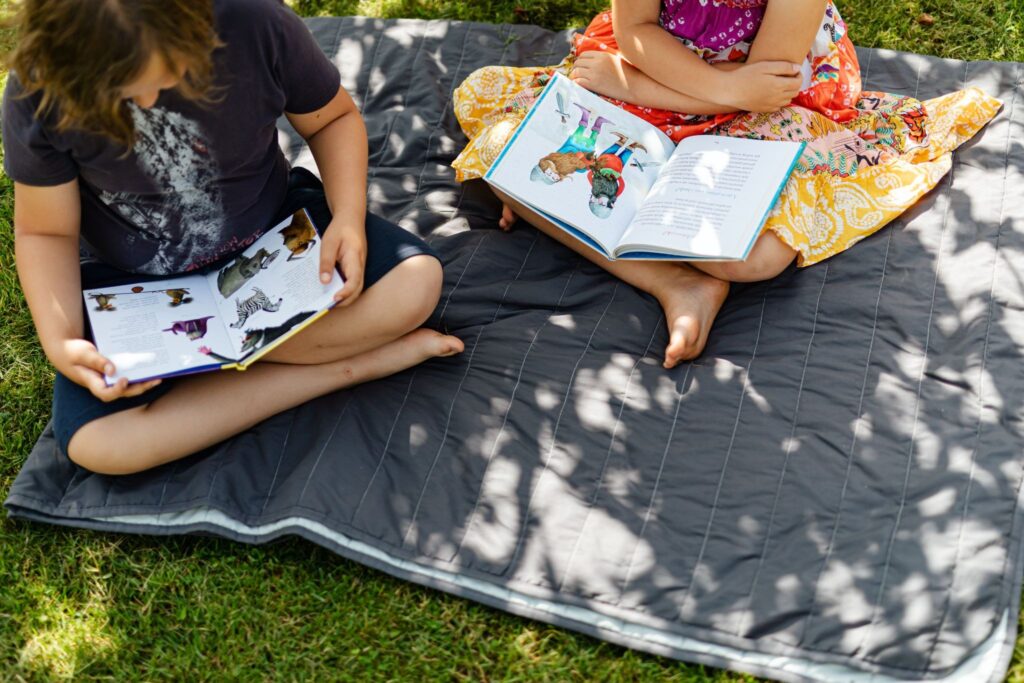
Here, our work follows the same logic. At Palme School, Russian isn't confined to an isolated app where a child is seated and forgotten, but rather thrives in genuine conversation. Children speak with the teacher and each other, read authentic texts, debate, analyze, and joke. It's that same valuable friction of live interaction, which schools worldwide are returning to, but focused on their native language.
We teach kids from four to seventeen. If Russian already sounds natural at home, this is a good fit. Program for bilinguals, and if the language is still foreign to the child, there is Russian as a foreign language course. Everything is online, groups are small, and each session is forty minutes long. And even though the session is conducted through a monitor, its essence is exactly what traditional schools are returning to: the child is not silent alone, but engages in live work with their voice, attention, and thoughts. You can get acquainted for free, in two steps: first, a conversation with a methodologist, who will determine your level, and then a trial session in a group. These two meetings are enough to understand if it's right for you.
Home
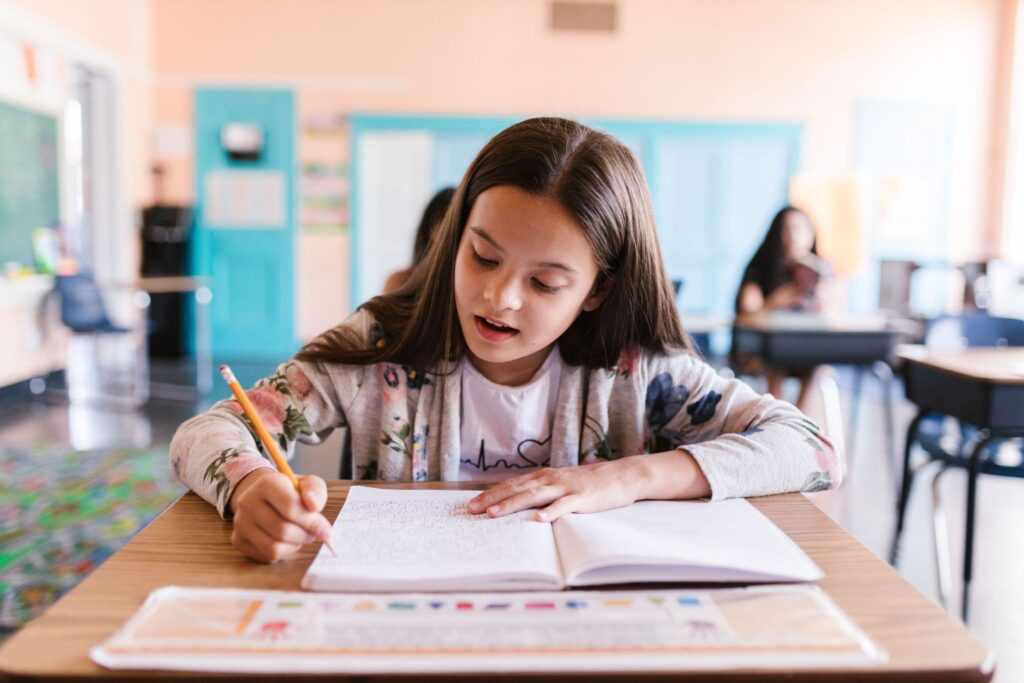
Countries that were the first to digitize schools are now the first to bring back paper, books, and handwriting, because the ubiquitous screen has revealed its price: children began to read and concentrate worse. This is not a rejection of technology, but a return to balance, to that useful friction without which knowledge is not consolidated. For Russian-speaking families, there is a special meaning here: the native language, like handwriting, lives not on the screen, but in real life, in a book, in conversation, in handwriting. The Axios publication reported on how American schools are reducing screen time.
Are schools really getting rid of computers and going back to paper?
They are not completely refusing it, but rather returning the balance. All over the world, from Sweden and Finland to the USA and Canada, schools are reducing screen time, bringing back paper textbooks and handwriting. The reason is that children's reading and attention spans have declined, and research has shown that the hand and paper help learning in ways a screen cannot. Technology is not being discarded; it is simply no longer being considered the only correct path.
Why is this spread important for a bilingual family?
Because for a bilingual child, there's almost no Russian on screen: the content around them is in English, and their native language is being crowded out by the first. Russian only holds on thanks to what schools are returning to: reading real books, spoken conversation, and handwriting. Less empty screen and more living Russian around the child, and the language gets a chance.
Where to start at home?
Keeping it simple. Russian-language paper books and reading aloud together. A notebook where the child writes by hand, perhaps to relatives. An hour a day without screens, dedicated to conversation, games, and shared activities. This is the living environment in which language grows, and at the same time, what the global school is returning to today.