


Moving is one thing. But finding people with whom you don't need to explain anything is a completely different matter.
Why community is important not only for you, but also for the child
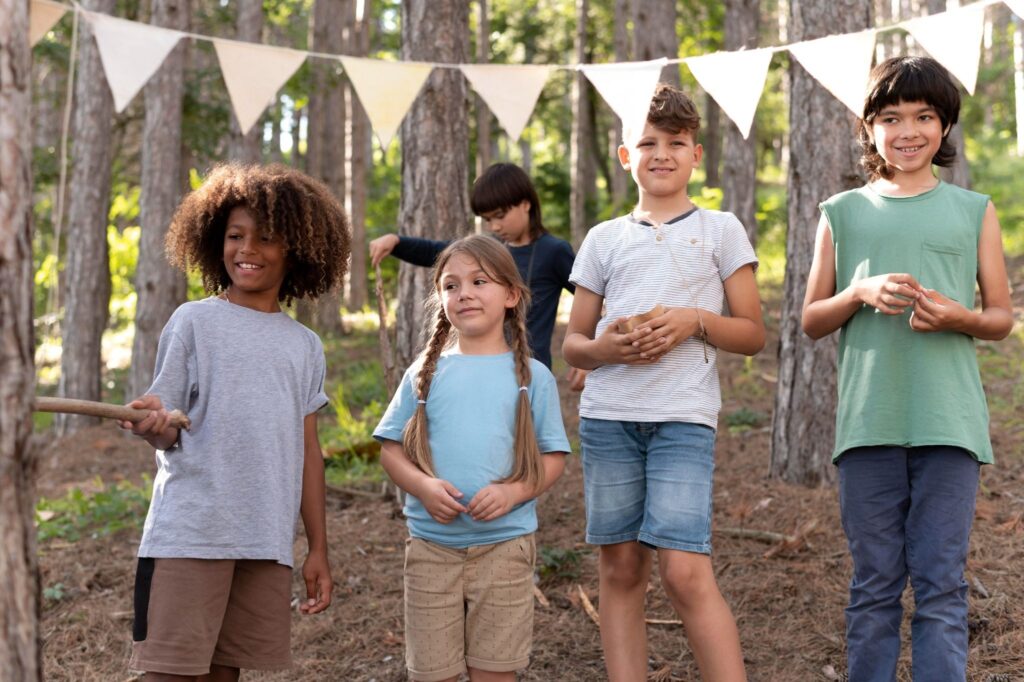
Language lives in communication. Not in textbooks, not in apps, not in lessons twice a week. In real conversations with people who have something to say to each other.
A child who has Russian-speaking friends speaks Russian differently. Not because they are trying, but because they want to be understood. This is a fundamentally different motivation than what any activity creates.
Furthermore, a Russian-speaking environment solves a problem that is rarely spoken about: the feeling of normalcy. When a child sees others children who similarly switch between languages, miss Russia or Ukraine, and eat borscht at home, they stop feeling strange. This is more important than it seems.
Where can I find Russian speakers in your city

Russian stores and restaurants are more than just places to buy buckwheat. They're gathering points. On the bulletin board by the entrance, you'll find flyers for Russian schools, clubs, tutors, and concerts. The cashier knows everyone. A conversation at the counter can yield more contacts than a week of searching online.
Many cities in the U.S. have churches that become gathering points for Russian-speaking families. People go there not only for religious reasons, but also because communities often host clubs, classes for children, holidays, and meetings in Russian.
A separate direction Russian weekend activities. In large cities and their suburbs, you can find groups where children engage in reading, writing, creative activities, and simply communicating in Russian. Some of these are more academic in format with a curriculum, while others are built around games, stories, and shared activities. Information about such places is usually found through acquaintances, local chats, and Russian-speaking groups on social media.
Jewish community centers in various states also often bring together Russian-speaking parents and children. They hold children's clubs, family events, and projects there, where some of the programs are in Russian, and there are simply many people who speak Russian.
Where to search online

Social networks often become the first entry point into the Russian-speaking community in the US. Most of these groups are currently on Facebook: it's easy to find neighbors from your area and people with similar interests.
Try searching for the city name along with the words «Russian,» «our,» or «Russian-speaking.» This way, you can find large urban communities like «Russians in New York» or «Russians in Los Angeles,» where thousands of people share experiences, advice, and answer questions about life in the USA.
Telegram channels and chats are growing rapidly. Especially after 2022, when the wave of new emigration brought a new communication format with it. Search on Telegram by city or through recommendations in Facebook groups; links to local chats are often shared there.
Instagram communities of Russian-speaking mothers in the USA are forming a separate ecosystem. Accounts about emigration, bilingualism, and raising children abroad are gaining an audience precisely because they raise topics that are often not discussed in person. Search for the hashtags #russiansinusa #russianmomsinamerica #bilingv #russianabroad.
What does a community give children specifically?
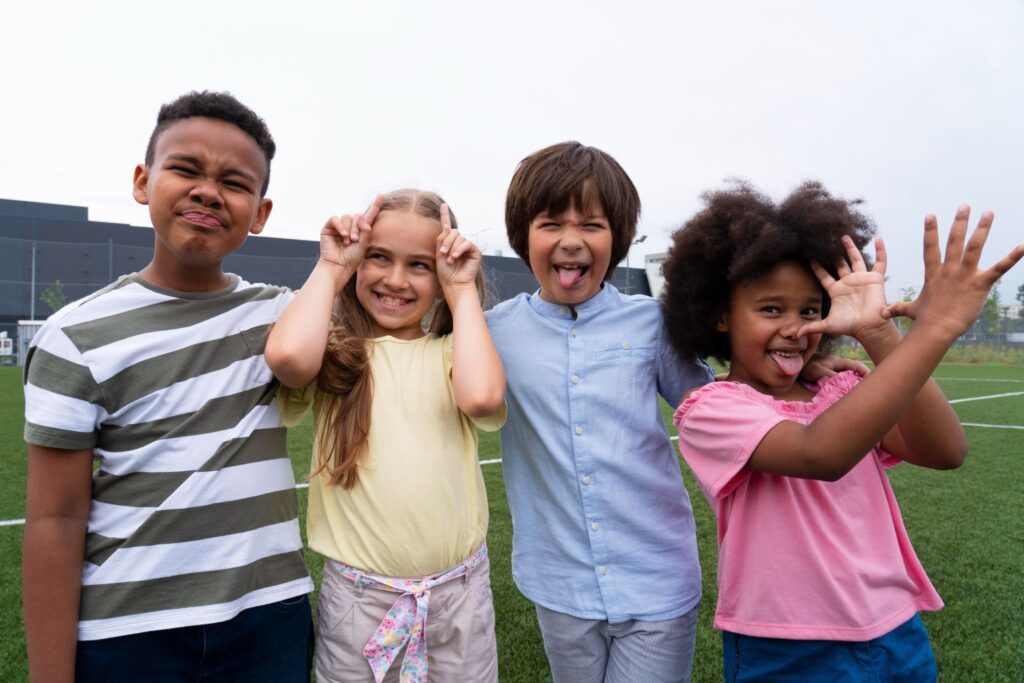
Russian-speaking friends aren't about the language. It's about having someone who understands without explanations. Someone who knows what a New Year's tree with Grandfather Frost is, who has heard the same songs and watched the same cartoons. A shared cultural code creates closeness faster than any other acquaintance.
Children in such an environment start speaking Russian not because they have to, but because it's the language of their own people. And this, as we've already discussed, is a completely different story.
Sometimes it's visible in the little things. A child who used to be shy about speaking your language in public places, after a few meetings with «their» group, suddenly asks to play familiar songs themselves or brings their favorite book. At some point, you notice that it's no longer just «the language at home with parents,» but a part of life they share with other children.
Palme School is also a community
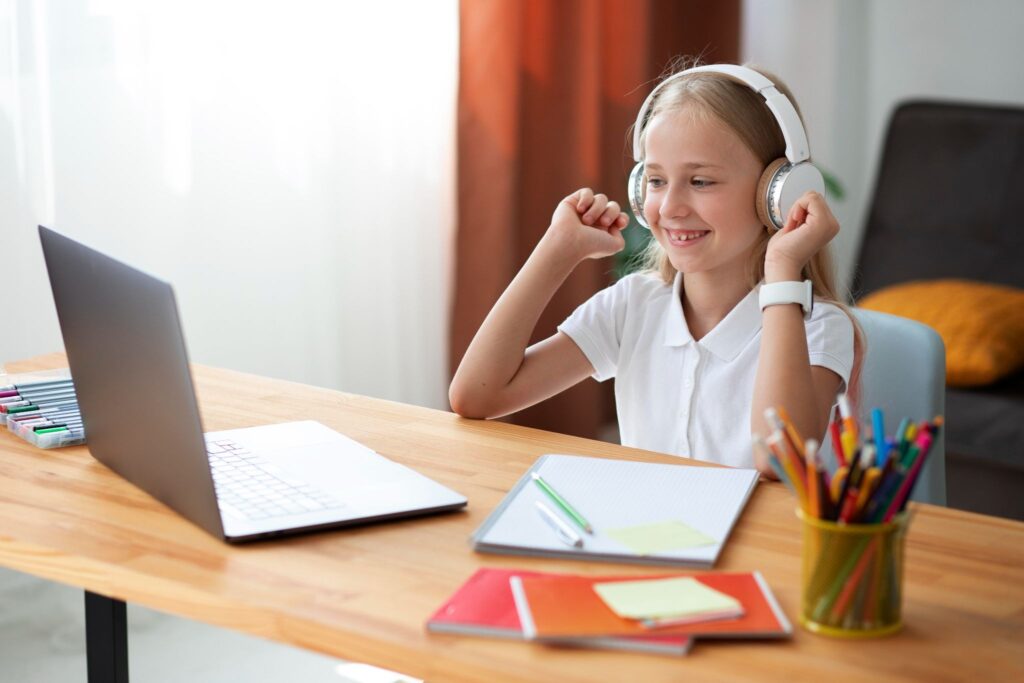
The classes here aren't just one-on-one lessons; children participate in small groups of similar ages, speak Russian together, discuss topics relevant to them, and share the same sense of humor.
For many, this is the first space where Russian is used outside the family and becomes a normal language of communication with peers, not just «the language with parents.» If you want your child to try this format, the first lesson is Palme School free, you can just come, meet the teacher and the group, and see how they feel in class.