



It used to be simple. You were assigned an essay for homework, you wrote it, submitted it, and got a grade. But now ChatGPT can write that essay in thirty seconds, and the teacher won't be able to tell the difference. And the entire familiar way of assessing knowledge has suddenly started to crack at the seams.
Schools and universities are in an uproar. If machines are now doing homework, how can we tell what the child knows themselves? And the answer, which is being arrived at all over the world, is unexpected. Not new cunning detector programs. But old, almost forgotten formats. The kind that machines can't handle.
What is changing
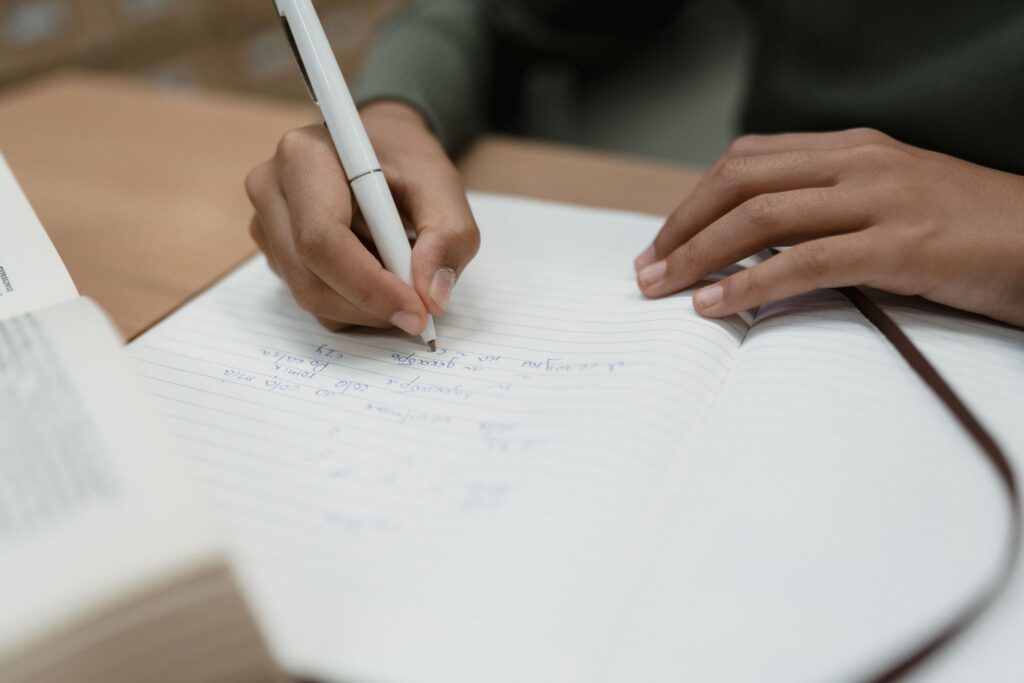
And the very method of assessment is changing. Quietly, but decisively.
Let's take UC Berkeley in California. Over two academic years, sales of blue exam booklets, the kind for in-class handwritten notes, jumped by eighty percent. Lecturers brought back in-class essays: written by hand, by one's own mind, without a phone under the desk. Oral defenses, long common for European doctoral students, are now being introduced for younger students as well: write a paper, and be prepared to explain it out loud, in person. And in a live conversation, it's immediately clear where the thought is yours and where it was generated this morning.
So, what are schools turning towards? Towards oral answers and work done right in class, not at home. Towards presenting projects aloud. Towards assignments that can't be reduced to a single bot query. In short, towards everything that requires thinking here and now, in front of the teacher.
Why specifically like this
And because there's no other way. Catching plagiarism through artificial intelligence is almost useless: detector programs constantly mistake honest work for machine-generated, make mistakes, and penalize innocent students. Banning it is also not a solution, as it's too easy to bypass the ban.
And schools understood a simple thing. Since ready-made text is now obtained with one click, the value of a homework essay has been nullified. But the value of something else, on the contrary, has soared: the ability to think aloud, to reason in the moment, to explain one's thoughts to a person who looks you in the eye. This cannot be faked or generated. Schools, in essence, are returning to checking not the result, but live thinking. About how the very rules of dealing with artificial intelligence are changing in schools, we have separate analysis.
Where is our interest here?
And here the story unexpectedly turns to a Russian-speaking family. Because the new exam tests exactly what fluent command of the language provides.
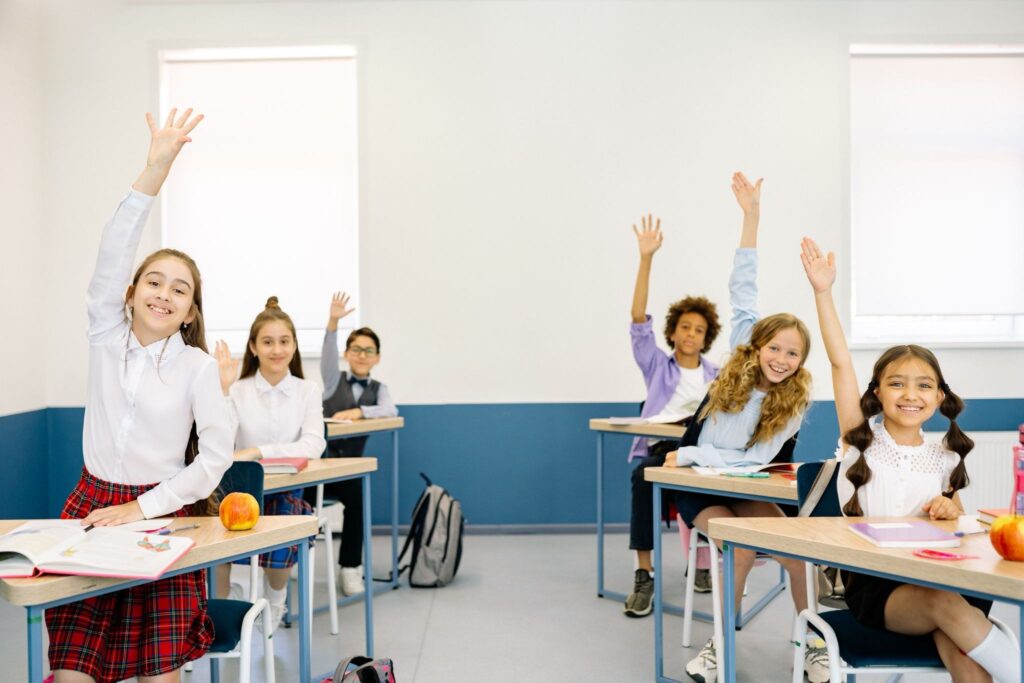
Consider what is now demanded of a child. To explain a thought aloud. To argue. To answer an unexpected question. To reason coherently without preparation. All of this relies on free language, on the ability to speak, not on memorized text. A child who knows how to think and speak is like a fish in water during such an exam. But one who is accustomed to hiding behind what is ready-made sinks.
And for a bilingual child, this is a double bet. English, which they are learning, needs to be developed to the level of freely thinking out loud. But Russian shouldn't be neglected either, because the ability to reason, argue, and maintain a speech is common to all languages. Whoever can freely think out loud in their native language will find it easier in a second language too. And whoever is used to staying silent and cramming will find any new exam difficult in any language.
The Palme school will help with
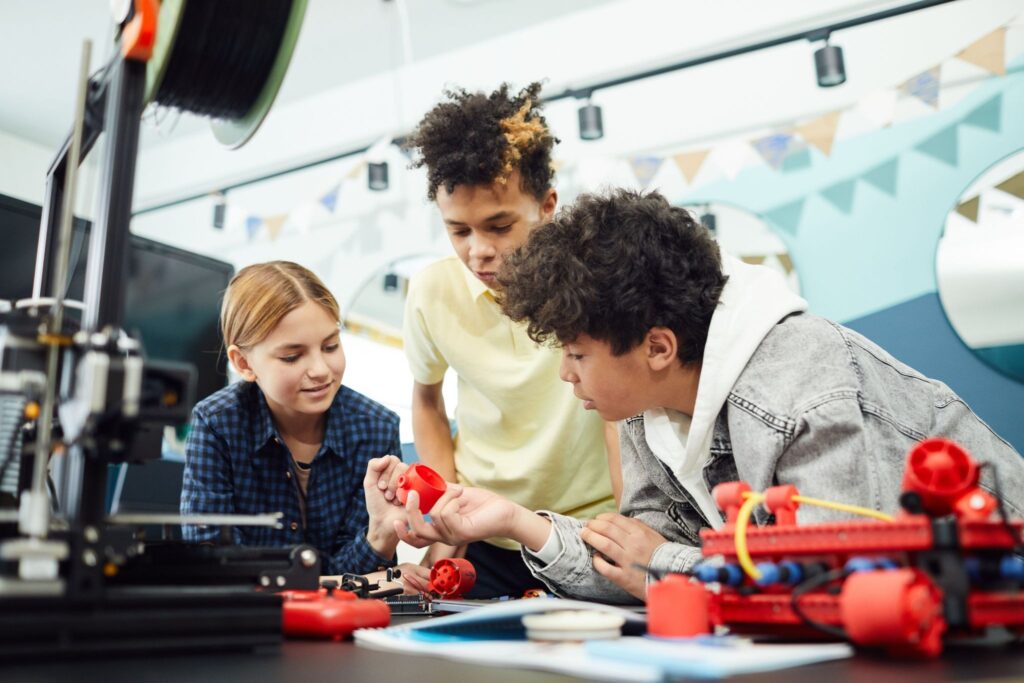
This is where our work hits the mark. At Palme School, a child doesn't just cram or copy, but actively speaks: reasons aloud, argues, explains, and answers on the fly. This is the very live thinking that is now tested in exams, only in Russian. The child learns not to hide behind prepared text, but to think and formulate on their own.
Children come to us from four years old up to almost adulthood, up to seventeen years old. If Russian is already spoken in the family, it Program for bilinguals. If the language is still new to the child, it will be suitable Russian as a foreign language course. They conduct classes remotely, in small groups, for forty minutes. And to try it out, you won't have to pay: first, a methodologist will have a call with the child, assess their level, and then the child will attend a real class with the group. A couple of such sessions usually indicate whether you like this format.
Home
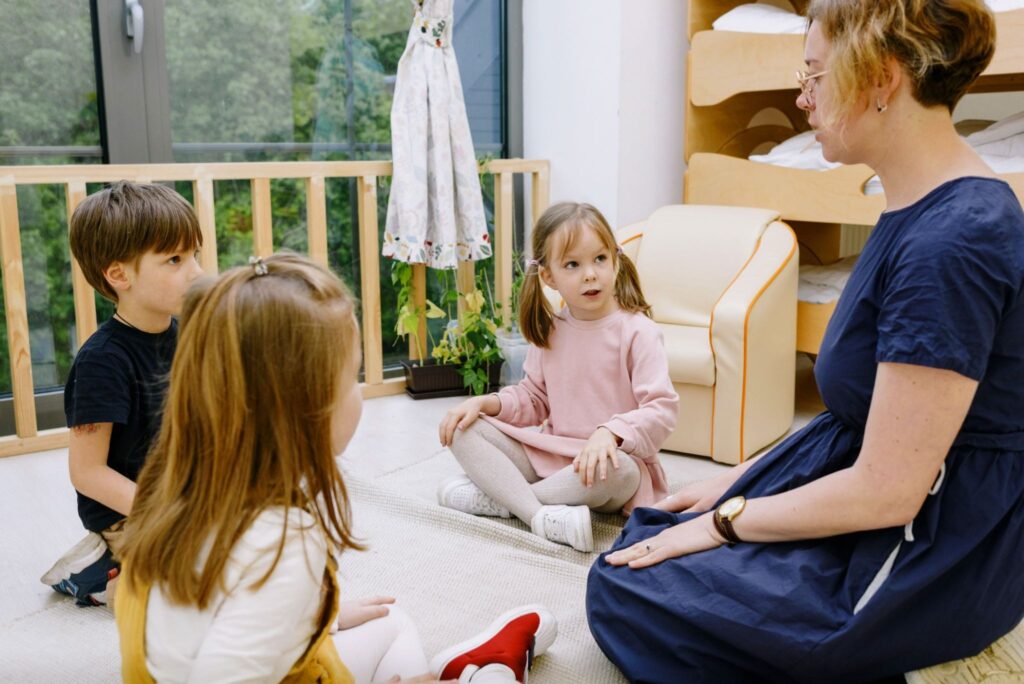
Artificial intelligence has devalued the traditional essay, and schools around the world are responding in an unexpected way: they’re bringing back oral responses, handwritten work in class, and project presentations—all activities that require thinking on the spot rather than submitting a pre-written answer. The focus has shifted from assessing results to evaluating active thinking. For Russian-speaking families, this sends a clear message: the ability to speak and reason freely, in any language, is coming to the forefront. And that skill develops only through live conversation, not through chatting with a bot. You can read about how smart devices have turned cheating into a new headache for schools in our article on gadgets for exams, and about schools returning to pen and paper analysis of analog learning. The Wall Street Journal wrote about the increase in sales of exam papers and changes in the formats of knowledge assessment.
Is it true that schools are changing their exams because of ChatGPT?
Yes, and this is already happening. Since artificial intelligence can write homework essays in seconds, its value as a knowledge check has decreased. Therefore, schools and universities are returning to formats that machines cannot handle: oral answers, in-class handwritten essays, and project defenses. For example, at the University of Berkeley, sales of notebooks for in-class written assignments have increased by eighty percent in two years. The point is to check how a child thinks, not what they brought from home.
Why aren't schools fighting ChatGPT with bans and detectors?
Because both work poorly. It's not hard to bypass bans, and detection programs often make mistakes, mistaking honest work for machine-generated and punishing the innocent. It's much more reliable not to catch them red-handed, but to change the assignments themselves so that a ready-made answer from a chatbot simply isn't helpful. This is where the shift towards oral answers and in-class work comes from.
How does the new exam format relate to language?
Directly. Oral responses, project defenses, and unprepared reasoning rely on fluency in the language, and the ability to think and speak aloud. A child accustomed to formulating their own thoughts has an advantage in such an exam. Therefore, a living command of language, both native and second, becomes not a school formality, but a real advantage.