



The online Russian language school Palme School has opened registration for its April groups for bilingual children in the USA, Canada, and other countries. Spring is the perfect time to finally add Russian to your child's schedule, not through endless notebooks, but through understandable programs and live communication. New sessions and updated courses will start in April, so you can choose a format that suits your family's age, level, and schedule.
What opens in April
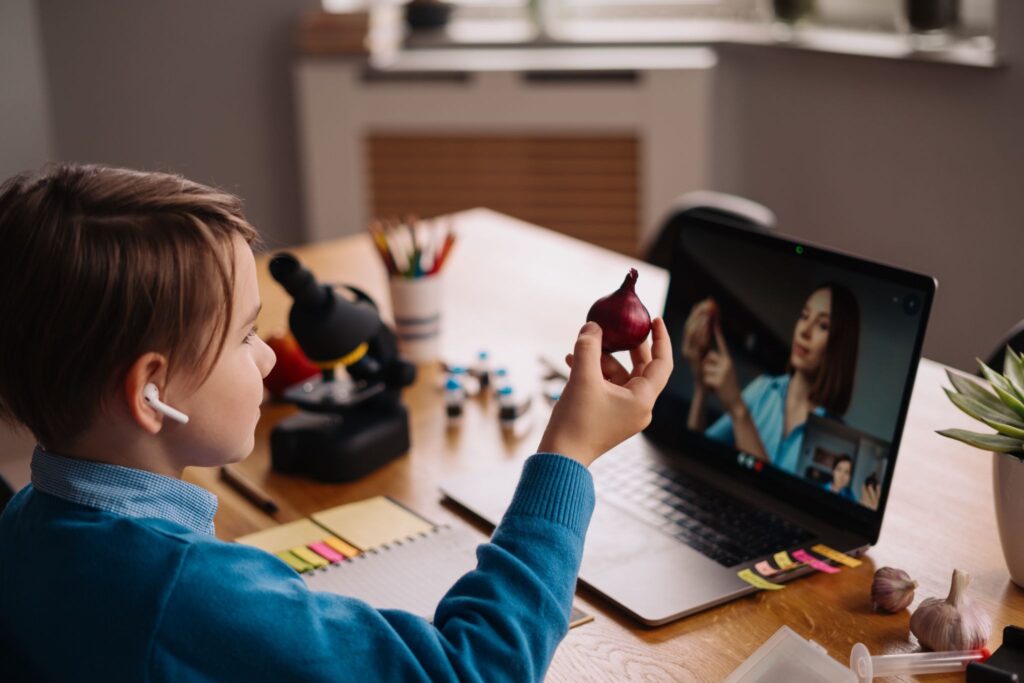
In April, we are launching new Russian language groups for bilinguals and reading school sessions for children approximately between four and fourteen years old. There are programs for children who are just beginning to speak and read in Russian, as well as groups for those who already communicate fluently at home but lack confidence in reading, writing, and academic vocabulary.
The programs are structured cyclically. The child doesn't jump into the middle of the textbook or a random lesson but rather into a clear beginning of a block. At the start of the cycle, the workload is even and transparent. The child sees a simple goal for the upcoming weeks, such as learning letters, learning to read by syllables, reviewing spelling rules, or building an active vocabulary on specific topics. This is convenient if you have been thinking about Russian school for a long time but didn't know where to start or didn't want the child to feel like they were falling behind the group.
Parents often worry that their child will either be bored or, conversely, not understand anything. At Palme School, groups are divided by age and by Russian language proficiency level, so children find themselves among peers with similar experiences, rather than in a situation where some are reading books and others are just learning letters.
Spring themes in lessons

In April, classes focus on spring themes, making it easier for children to talk about what they see and feel right now. During lessons, children read short texts about the weather, walks, gardens, preparations for holidays, and family plans. They discuss how nature changes and how spring differs in various countries.
Teachers propose assignments that are connected to real-life situations for children: they describe their favorite spring game, make a packing list for vacation, or invent a short story about their weekend. By using such exercises, Russian sounds natural, not just like a textbook and test language.
For younger children, there are more games and movements in the frame; they show and name objects, match pictures to descriptions, and repeat new words through rhymes and simple stories. For schoolchildren, tasks on text comprehension, discussion of characters, and argumentation of their opinions are added, so that Russian gradually becomes the language of study, not just family conversations.
How the class goes

All Palme School classes are held online via Zoom, in small groups based on the child's age and level. Typically, there are two forty-minute lessons per week, a schedule that can be incorporated after local school without feeling like a second shift. During the lesson, children have time to greet each other, review previous material, complete one main task, and summarize briefly without feeling overloaded or rushed.
If a family lives a fast-paced life and schedules often change, individual lessons can be a good choice. The teacher adapts to the child's schedule and learning goals, for example, preparing for a specific exam, practicing reading more, or working on speech with a speech therapist's recommendations.
Another format is Russian language courses via chat. The child receives small tasks in the messenger, responds by voice or text, and receives feedback from the teacher at a convenient time, so Russian is not forgotten even during trips and busy weeks.
Why should you sign up now instead of in the summer?

In the spring, children are still in their academic rhythm, and it's easier for them to add Russian to their usual schedule than to start from scratch in the middle of vacation. In the summer, routines often get disrupted, families travel or change plans, and regular language lessons are easily postponed indefinitely.
If the start of Russian language classes is postponed year after year until summer or the new school year, the language gradually becomes passive, the child hears and uses Russian less, and each new start becomes more difficult. The April enrollment helps to avoid this; the child gently eases into classes, gets used to the online lesson format, acquires basic vocabulary on spring topics, and manages to take the first steps in reading or writing. By the beginning of summer, they already have a sense that they are succeeding with Russian, rather than the usual feeling that we never even got to school.
How to get into the April groups

Each group has a limited number of spots. We keep small class sizes so that the instructor can work with every child, not just the most active ones. Spots fill up fastest for popular age groups, especially if you need a convenient evening or weekend slot.
If you want to get into the April cohort specifically, it's best to apply in advance. Visit the Palme School website, choose a program based on your child's age and level, fill out a short registration form or write through the feedback form, and the team will contact you to help assess their level and find a suitable group and time.
Sign up for the April group, spaces are limited.