

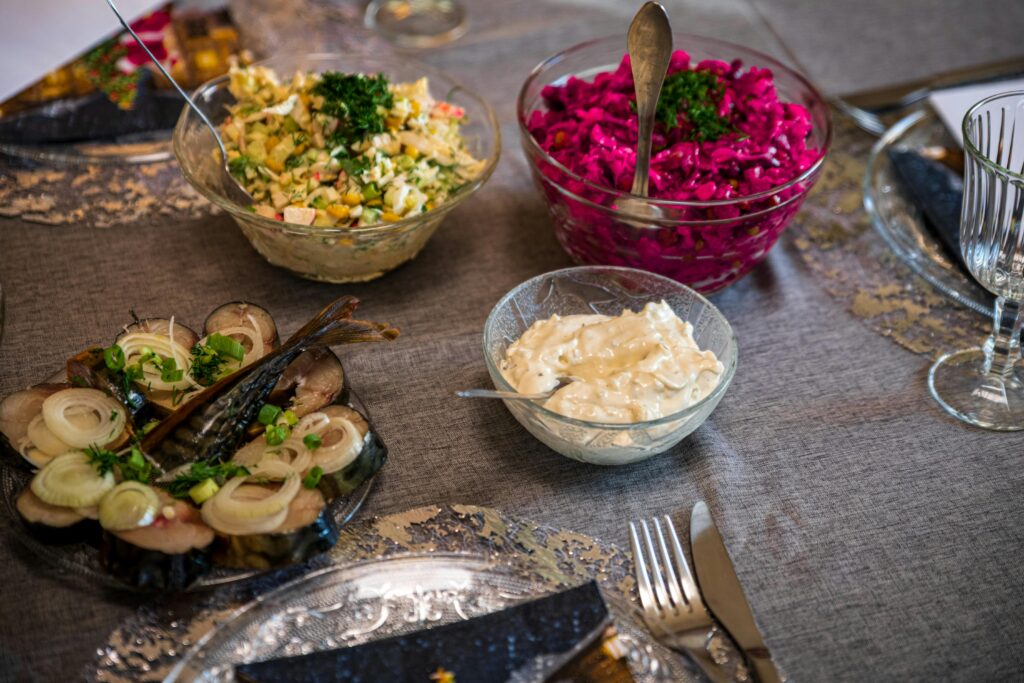

Есть у русского языка выражение, которое больше говорит о здешней кухне, чем любая поваренная книга. Когда человек уходит ни с чем, обманувшись в ожиданиях, про него скажут, что он ушел несолоно хлебавши. То есть худшее, что могло случиться с гостем, это получить еду без соли, без вкуса, без щедрости хозяев. За этой поговоркой видна вся логика русского стола: гостя надо накормить так, чтобы он ушел сытым и довольным, а еда это всегда про тепло, достаток и заботу. Кто хочет понять страну, пусть начнет не с учебника истории, а со стола.
Тот, кто ищет в сети traditional russian food, обычно спотыкается о вечную тройку, борщ, икра, водка, и решает, что на этом все. На деле это лишь то, что видно с порога. Стоит зайти в дом и сесть за стол, и открывается целый мир, где у супа особое, почти священное место, где зиму провожают горой блинов, а Новый год немыслим без салата, придуманного французом. Дальше пройдемся по этому столу не торопясь, от первого до сладкого, и за знакомыми названиями проступит логика, климат и характер целого народа.
Что русская кухня говорит о самой стране
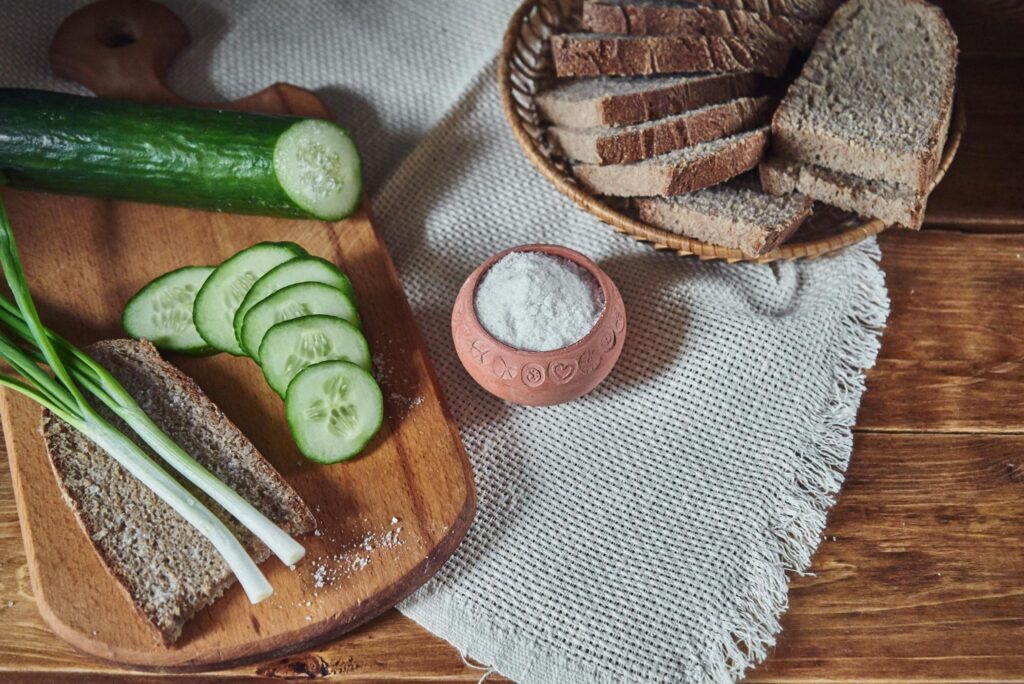
Прежде чем разбирать блюда, стоит понять одну вещь. Русская кухня выросла из сурового климата и короткого лета, и это объясняет в ней почти все. Долгая зима научила запасать впрок, отсюда любовь к соленьям, квашеной капусте, моченым яблокам, ко всему, что переживет холода в погребе. Морозы требовали горячего и сытного, отсюда густые супы и каши, которыми набивались под завязку. А привычка к большому застолью сделала еду делом общим, ведь за стол садились всей семьей, с соседями, с нагрянувшими гостями.
Язык хранит память об этом лучше всего. Дорогих гостей на Руси встречали хлебом да солью, и поныне торжественную встречу так и зовут, хлеб-соль, хотя самого каравая может и не быть. Хлеб называли всему головой. А само слово хлебосольство, то есть щедрое гостеприимство, склеено ровно из этих двух главных вещей на столе. Получается, что russian cuisine это не кухня поваров-виртуозов, а кухня дома, где накормить значит проявить любовь, и где одни и те же щи веками хлебали и в боярских палатах, и в крестьянской избе, разнясь лишь жирностью да куском мяса.
Русские блюда по категориям
| Категория | Блюда |
|---|---|
| Супы | Щи, борщ, солянка, уха, окрошка |
| Основные блюда | Пельмени, каша, котлеты, бефстроганов, голубцы, жаркое |
| Закуски и салаты | Оливье, селедка под шубой, винегрет, соленья, икра |
| Выпечка и хлеб | Черный хлеб, пирожки, кулебяка, ватрушки, блины |
| Сладкое | Варенье, сырники, пряники, пастила, медовик |
| Напитки | Чай из самовара, квас, морс, компот, кисель |
Почему за обедом первым делом ищут ложку
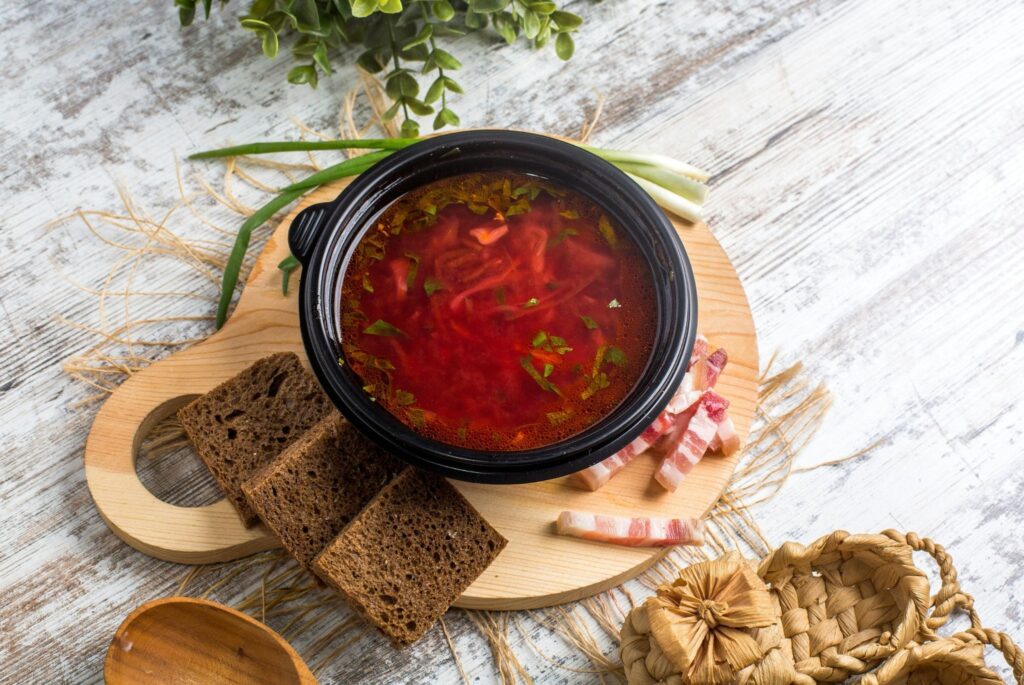
Иностранца, впервые попавшего за русский стол, обычно удивляет одно. Здесь невозможно представить обед без супа, и ложка тут важнее вилки. В большинстве кухонь мира суп это легкое начало, у нас же это сердцевина всей еды, густая, горячая, наваристая, то, чем по-настоящему наедаются. Недаром про человека простого, неотесанного говорят, что он лаптем щи хлебает, и в этой грубоватой поговорке щи стоят как символ самой простой, исконной, всеобщей еды.
Со щей и стоит начинать знакомство с русскими russian dishes, а вовсе не с разрекламированного борща. Щи варят на капусте, свежей или квашеной, и едят на этих землях больше тысячи лет, дольше всякого другого блюда. Та самая присказка про щи да кашу, что пища наша, точно описывает, чем целые поколения держались изо дня в день. Кислые, томленые в печи, забеленные ложкой сметаны, щи и сегодня хранят вкус той древней, дровяной, деревенской России.
Борщ, которого иностранцы ждут первым, на самом деле моложе и наряднее. Это наваристый суп, который свекла красит в рубиновый цвет и делает чуть сладким. Корни у него общие для всех восточных славян, и едят его по всему региону от Карпат до Урала. У украинцев борщ давно стал главным национальным блюдом, и в две тысячи двадцать втором именно украинскую традицию его приготовления ЮНЕСКО взяла под охрану. На русском столе он при этом такой же родной, его варят в каждом доме и подают в каждой столовой, непременно горячим, с ложкой сметаны и чесночной пампушкой вприкуску. О том, как менялся борщ за века и чем русский рецепт расходится с украинским, стоит почитать отдельно, разговор это долгий.
А дальше супов столько, что хватило бы на отдельную книгу. Есть солянка, густая, наглая, кисло-острая, в которой сходятся разом несколько сортов мяса или рыбы, соленые огурцы, оливки и кружок лимона, суп шумного праздничного застолья. Есть уха, прозрачный рыбный отвар, который варят из свежего улова и особенно ценят на берегу, у костра, где она пахнет дымом. А летом, когда от жары не лезет ничего горячего, на стол приходит окрошка, и вот тут иностранец обычно теряется. Холодный суп, где свежие огурцы, редис, вареные яйца и мясо мелко нарезаны и залиты квасом или кефиром, поначалу звучит как недоразумение, а в зной оказывается самым освежающим обедом, какой только можно придумать.
Горячее, в котором вся сытность
После супа на русском столе ждут второго, и правило тут все то же, что у супа, основательно и сытно. Среди всей popular russian food именно горячее чаще всего и увозят иностранцы домой в памяти и в рецептах.
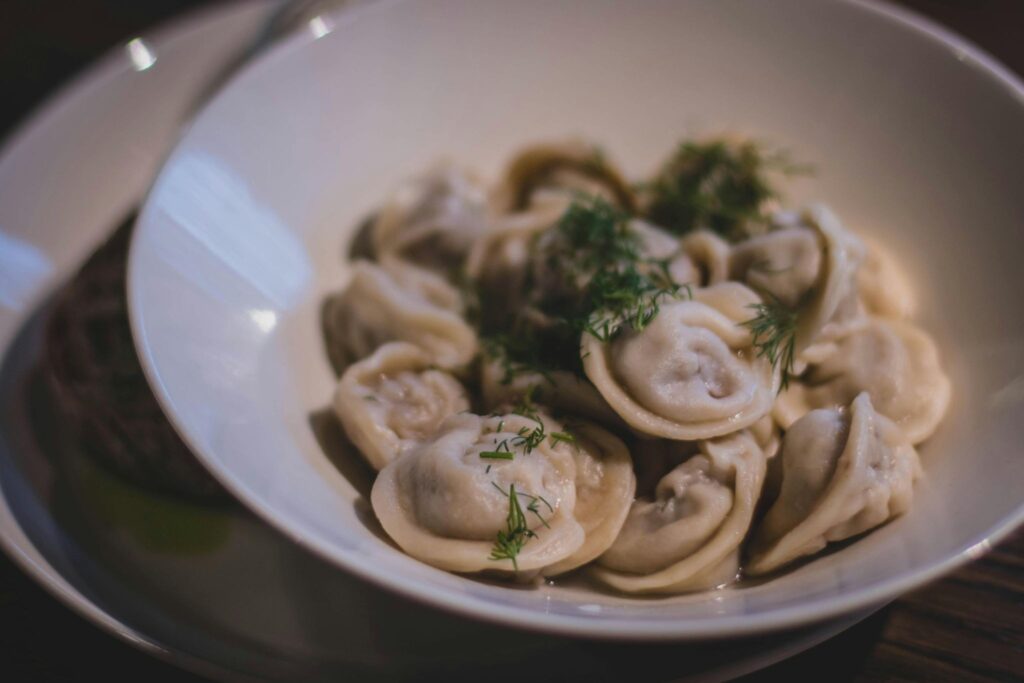
Главный кулинарный посол России в мире это, конечно, пельмени, тугие конвертики из тонкого теста с мясом внутри, которые бросают в кипяток и подают со сметаной, маслом или уксусом. Родина их это Урал и Сибирь, где их лепили на исходе осени помногу, целыми тазами, и выставляли на мороз, чтобы всю зиму доставать горстями и варить за пять минут, готовый запас в самой природе. Со временем пельмени стали едой всей страны и одним из тех редких блюд, которые готовят сообща: вся семья садится вокруг стола, кто раскатывает, кто лепит, и работа идет под разговор. История пельменей, их тесто и начинки, разница с мантами и варениками, само искусство лепки заслуживают отдельного рассказа.
Но настоящей основой стола веками было не мясо, а каша, и относиться к ней как к пресной детской размазне значит совсем ее не знать. Само слово каша в русском раздулось далеко за пределы тарелки: заварить кашу значит затеять хлопотное дело, расхлебывать кашу значит разбираться с последствиями, а с кем-то каши не сваришь, если на него нельзя положиться. Так в язык вошла еда, которая кормила народ изо дня в день, гречневая, пшенная, овсяная, манная. Особенно гречка, которую в России едят как обычный гарнир и которой в большинстве кухонь мира попросту нет, для иностранца становится настоящим открытием.
Мясные блюда русская кухня знает и свои, и обрусевшие до неузнаваемости. Домашние котлеты, рубленые, а не в булке, жарятся на каждой второй кухне. Бефстроганов, тонкие ломтики говядины в сметанном соусе, родился в России девятнадцатого века и ушел гулять по миру, сохранив в чужих меню свою русскую фамилию. Голубцы, фарш с рисом, спеленутые в капустный лист, любят по всей Восточной Европе. А жаркое, мясо, что томится с картошкой в горшочке в печи, и есть та самая еда, ради которой зимой спешишь домой.
Закуски, или искусство начать застолье
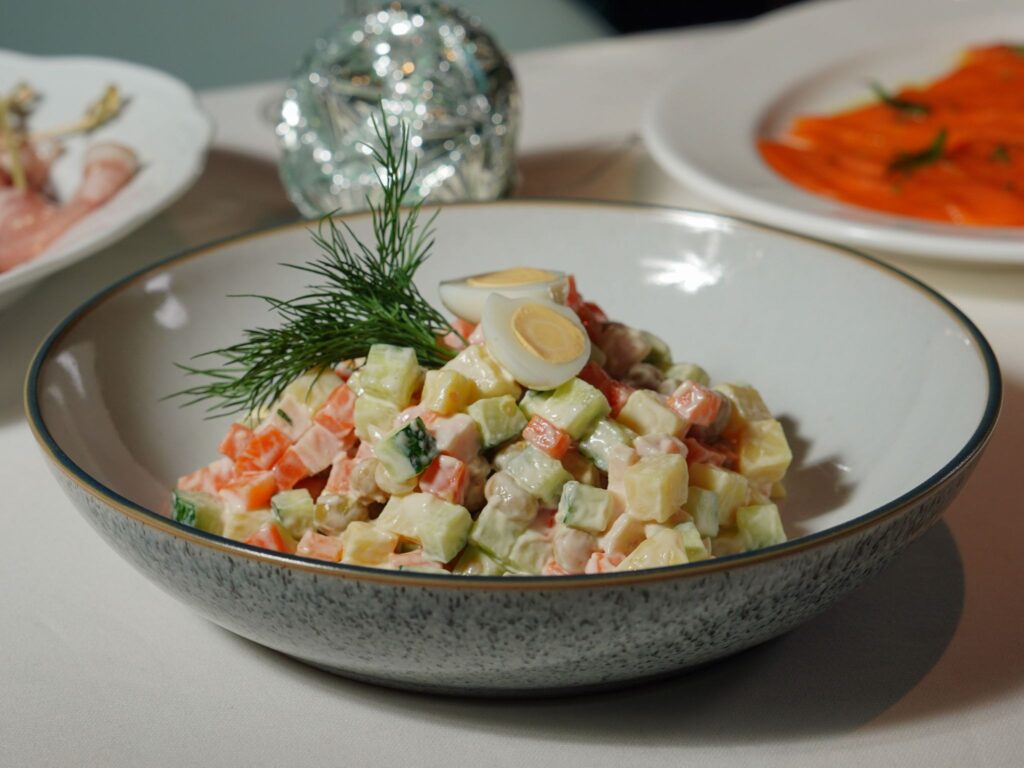
Тут пора объяснить слово, которого иностранцы обычно не понимают. Закуски, по-русски именно так, во множественном числе, это то, чем застолье открывают и чем закусывают, и роль их огромна. Тот, кто ищет russian food salad, быстро обнаруживает, что салат тут не легкий зеленый листик на краю тарелки, а плотное, сытное, заправленное блюдо, которое запросто заменит ужин.
Главный из них коронован давно и бесспорно. Это салат оливье, который во всем мире так и зовут русским салатом. Придумал его в Москве во второй половине девятнадцатого века француз Люсьен Оливье, державший роскошный ресторан, и поначалу это была дорогая ресторанная закуска с рябчиками, телячьим языком и раковыми шейками под тайным соусом, рецепт которого повар унес в могилу. Советская эпоха переодела барское блюдо в демократичное: вместо дичи вареная колбаса или курица, рядом картошка, морковь, горошек и яйца, и все это под майонезом. Без оливье не обходится ни один русский Новый год, миска его стоит на каждом праздничном столе, и у этого салата с его двойной судьбой есть своя отдельная глава.
Рядом с оливье на праздник непременно явится селедка под шубой, салат, где соленую рыбу слой за слоем укрывают свеклой, морковью и картофелем под майонезом, отчего весь он горит нарядным розовым цветом. Поскромнее, но не менее свой, винегрет из вареной свеклы, картошки и соленых огурцов под маслом, простой и постный. А вокруг них теснятся соленья, без которых русский стол сирота: хрусткие соленые огурцы, квашеная капуста, моченые яблоки, маринованные грибы, та самая страховка от долгой зимы, что давно превратилась в любимую закуску. И, конечно, икра, красная да черная, главная праздничная роскошь, которую тонко мажут на белый хлеб с маслом, и от одного ее вида сразу ясно, что повод нешуточный.
Хлеб всему голова, а к нему пироги
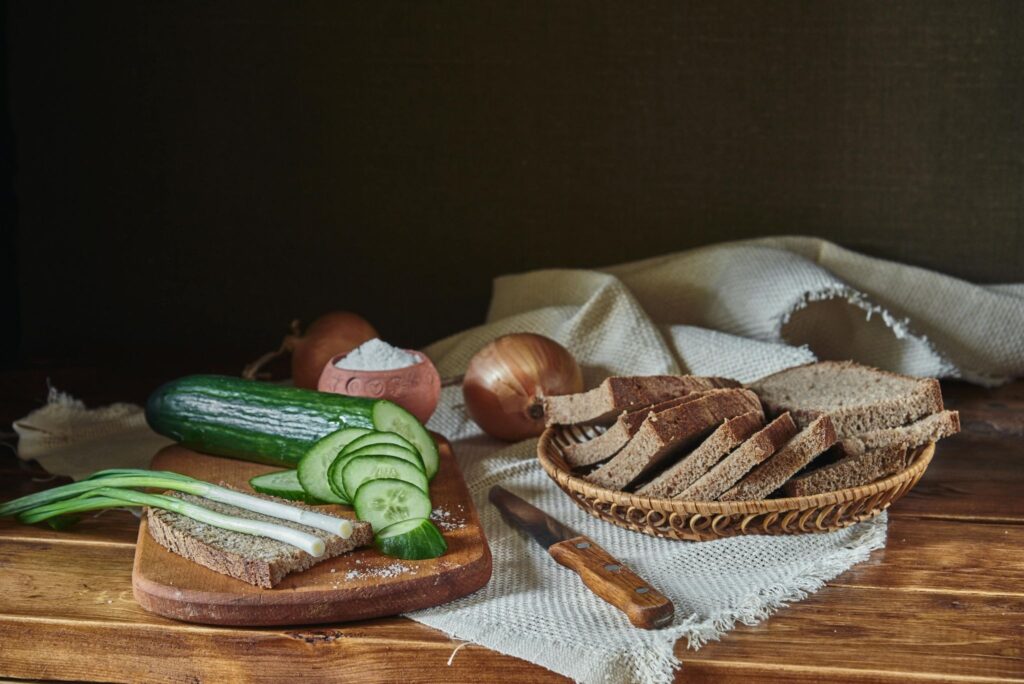
Хлеб в России никогда не был просто едой. Это почти святыня, и сама поговорка хлеб всему голова не метафора, а буквальная правда крестьянской жизни, где без хлеба не обходилась ни одна трапеза. Черный ржаной хлеб, кислый и плотный, тут любят так же, как французы свой белый багет, и многие иностранцы, распробовав, увозят эту любовь с собой и потом тоскуют по нему на чужбине.
Но гордость хозяйки это, конечно, выпечка. Пирожки, румяные печеные или жаренные в масле, с начинкой на любой вкус, от мяса и капусты до творога и яблок, это и уличная еда на бегу, и домашнее угощение, и то, что внуки помнят за бабушками всю жизнь. Само слово пир, праздничное застолье, и слово пирог стоят в языке рядом не случайно, пирог искони был едой праздника. Старший и самый торжественный из них кулебяка, высокий многослойный пирог с несколькими разными начинками, гордость и испытание для старинной кухни. А к чаю на скорую руку пекут ватрушки, круглые булочки с открытой творожной серединкой.
Особняком в этом ряду стоят блины, и это уже не просто выпечка, а целый культурный материк. Тонкие, почти кружевные, испеченные на раскаленной сковороде, они принимают на себя что угодно, сметану, масло, мед, варенье, икру, соленую рыбу, и складываются хоть в простой завтрак, хоть в праздничное угощение. Еда это древняя, дохристианская, и не зря круглый золотистый блин формой повторяет солнце: им провожали зиму и зазывали весну задолго до всякого календаря. Целая масленичная неделя посвящена тому, чтобы печь и есть блины без счета. О видах блинов, начинках и хитростях, как испечь их тонкими и чтоб не рвались, написано отдельно, тема благодатная.
Сладкое без затей
Высокого десертного искусства, как у французов, русская кухня не знает, и сладкое тут обычно простое, домашнее, к чаю. Но в этой простоте вся его прелесть.
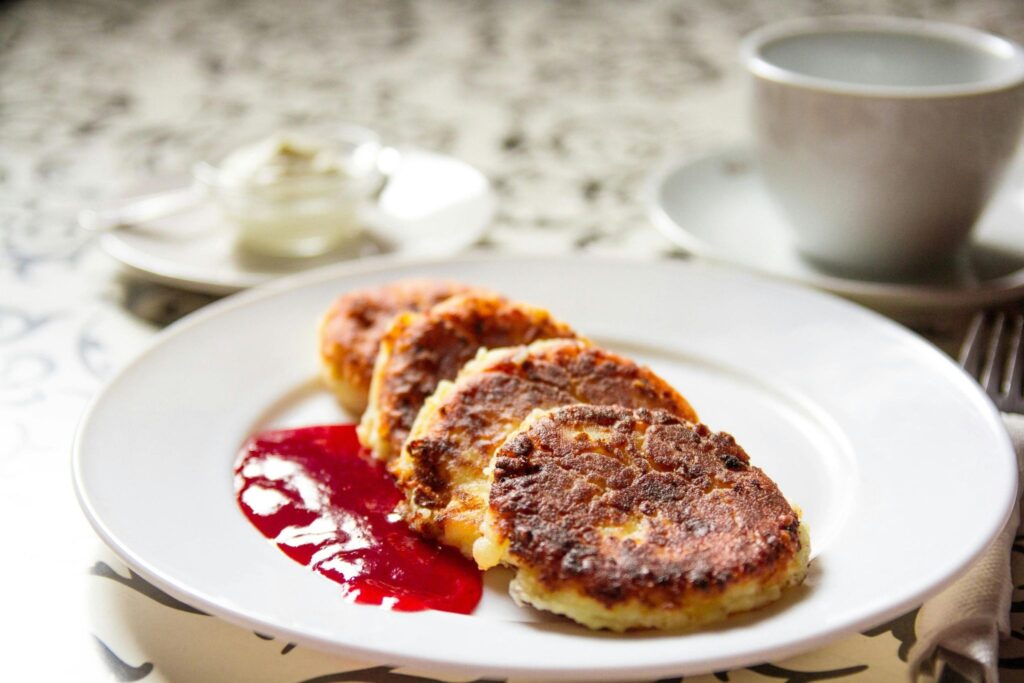
Самое русское лакомство это, пожалуй, варенье, ягоды или фрукты, долго томленные с сахаром. Его не столько мажут на хлеб, сколько кладут ложкой в чай или едят вприкуску, и банки вишневого, малинового, абрикосового стоят в кладовке каждого дома как съедобная память о лете. Из творога жарят сырники, румяные лепешки, которые едят со сметаной и тем же вареньем, любимый завтрак выходного дня. К чаю подают пряники, плотные медовые печенья в сахарной глазури, самые знаменитые из которых тульские. Из старинного на столе доживают пастила, воздушное яблочное лакомство, и ее родня зефир. А из тортов и в советские годы, и сейчас царит медовик, многослойный, на меду, пропитанный сметанным кремом.
Чем все это запивают
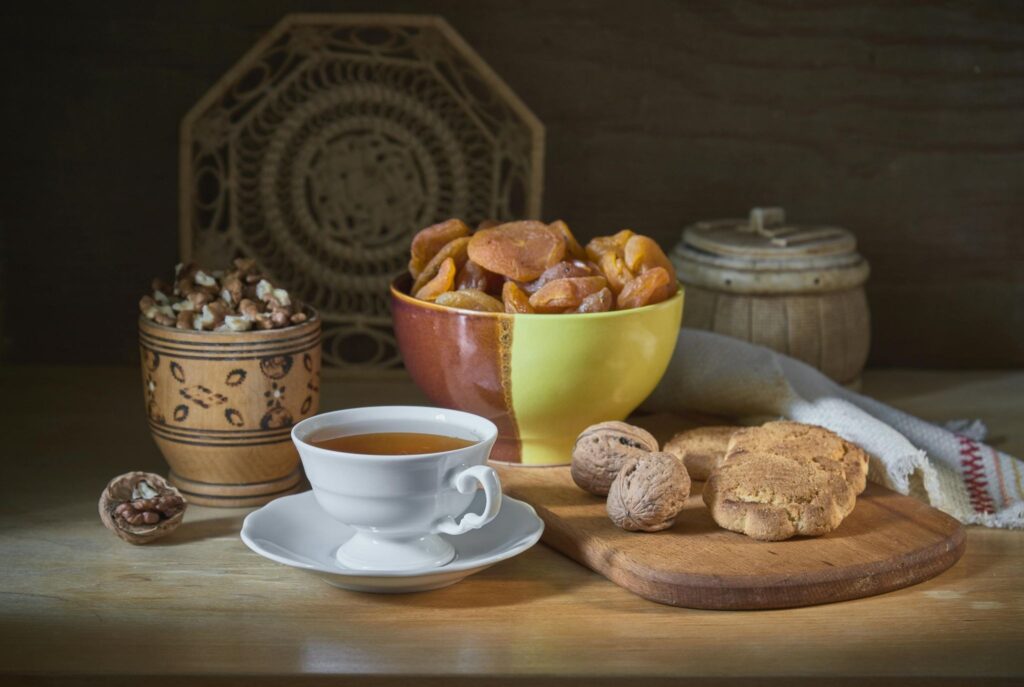
Разговор о русской еде оборвется на полуслове без напитков, и первый среди них, разумеется, чай. Чаепитие тут давно переросло утоление жажды и стало особым обрядом неспешной беседы: чай пьют крепким, помногу, вприкуску с вареньем, с медом, с лимоном, с выпечкой, и непременно подолгу. Символ всего этого самовар, пузатый медный сосуд, что веками был сердцем стола и от крестьянской избы до купеческой гостиной грел воду и собирал вокруг себя людей.
А вот дальше идут напитки, которых иностранец чаще всего и не пробовал. Квас, темный, чуть газированный, кисловатый напиток из забродившего черного хлеба, летом утоляет жажду, а заодно служит основой для той самой окрошки. Морс, прохладное кисло-сладкое питье из клюквы или брусники, знает и любит каждый ребенок. Компот, сваренные с сахаром свежие или сушеные фрукты, варят в каждой семье, и его вкус у выросших в этой культуре навсегда связан с детством. А кисель, густой ягодный напиток на крахмале, бывает таким плотным, что иностранец и не разберет сразу, пить его или есть ложкой, что само по себе сбивает с толку.
Стол как календарь
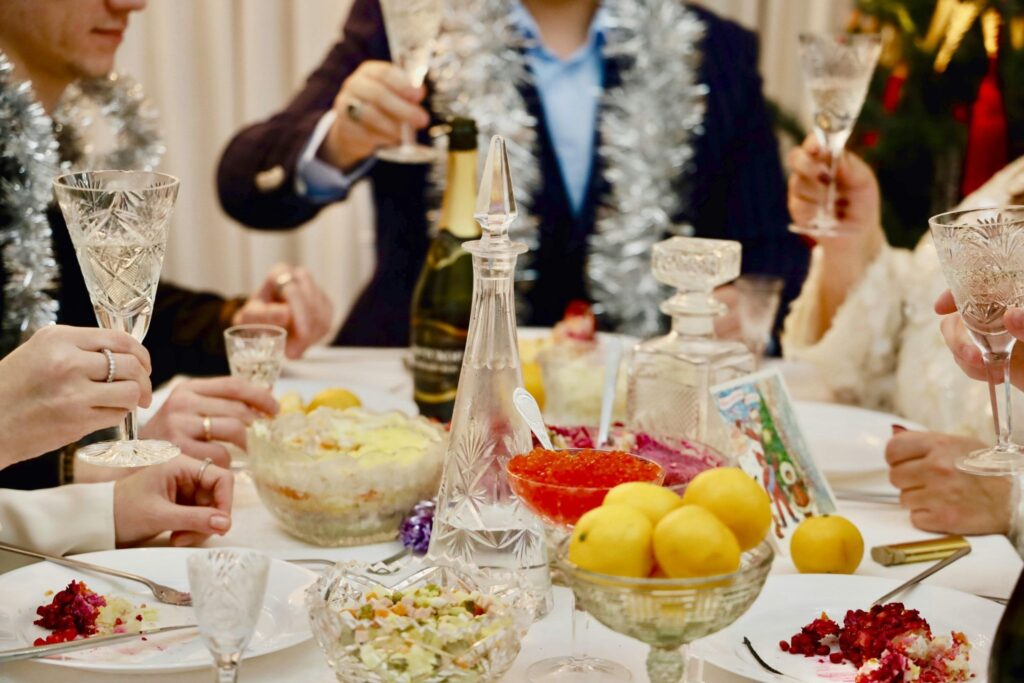
Крепче всего русская еда сплетена с праздниками, и по тому, что стоит на столе, в семье без всякого календаря угадаешь время года. Зимой все сходится к Новому году, самому любимому и обильному застолью, где обязательны оливье, селедка под шубой, мандарины, чей запах для выросших здесь и есть запах праздника, и бокал шампанского под бой курантов. А на исходе зимы приходит Масленица, веселая неделя, всю которую пекут блины и провожают холода, чтобы поскорее впустить весну. У Масленицы с ее блинным изобилием богатая и древняя история, и о ней стоит почитать отдельно.
Так еда складывается в годовой круг, и кухня оказывается не набором рецептов, а самим течением жизни, размеченным вкусами и запахами. В этом, может быть, и есть главный секрет русского стола.
Зачем русская кухня ребенку вне России
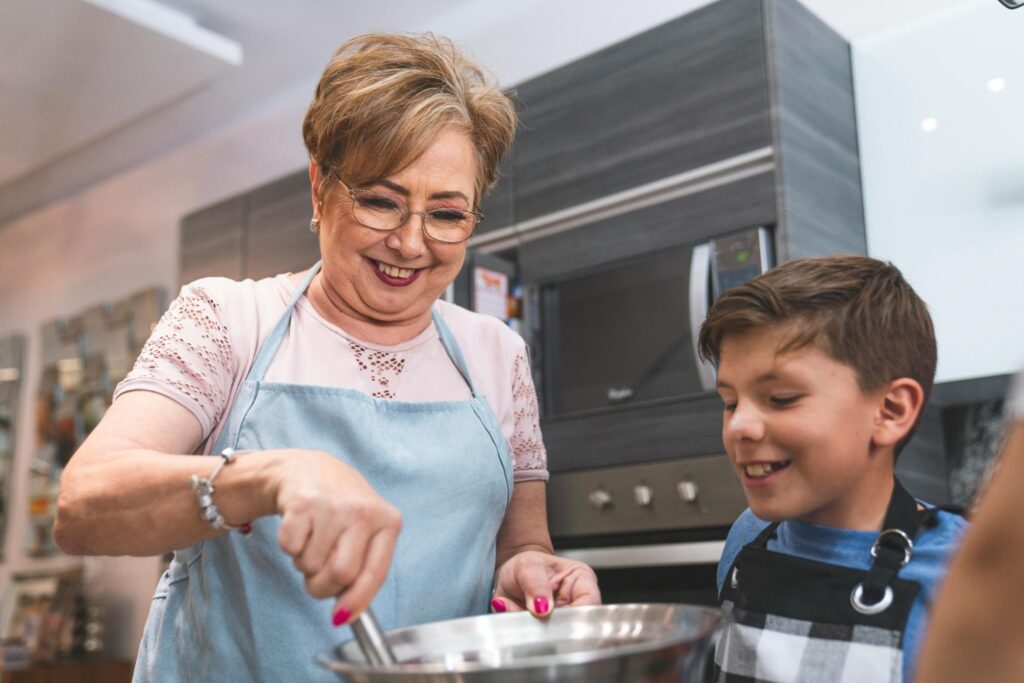
Для ребенка, который растет в Америке или Канаде, еда нередко оказывается самой живой ниточкой к корням. Язык бабушки даваться может с трудом, а вот ее пельмени, блины на Масленицу и оливье под Новый год запоминаются сами и остаются с человеком навсегда. Через вкус ребенок чувствует свою культуру не как школьный урок, а как тепло родного дома, и это чувство не выветривается с годами.
В Palme School мы учим детей не только русскому языку, но и всему миру, что стоит за ним, праздникам, обычаям, кухне, тем самым поговоркам про хлеб-соль и щи. Когда на занятии заходит разговор о том, почему блин похож на солнце, откуда взялся оливье и что за поговорка такая, несолоно хлебавши, язык перестает быть набором правил и становится живым и родным. Мы учим детей с четырех до семнадцати лет, отдельно для билингвов и для тех, кому русский по сути иностранный, онлайн, в маленьких группах, по сорок минут.
Понять, подойдет ли это вашему ребенку, можно бесплатно. В школе дают два пробных урока. Первый это знакомство с методистом, который определит уровень и расскажет про программу. Второй настоящий урок в группе, с преподавателем и другими детьми. Так сразу видно, как ребенок чувствует себя в русской среде и что ему интереснее всего.
Топ-20 русских блюд, которые стоит знать
| № | Блюдо | Что это |
|---|---|---|
| 01 | Щи | Древнейший суп на капусте, свежей или квашеной |
| 02 | Борщ | Наваристый свекольный суп рубинового цвета со сметаной |
| 03 | Солянка | Густой кисло-острый суп с разными видами мяса или рыбы |
| 04 | Уха | Прозрачный суп из свежей рыбы |
| 05 | Окрошка | Холодный летний суп на квасе или кефире |
| 06 | Пельмени | Конвертики из теста с мясной начинкой, родом с Урала и Сибири |
| 07 | Каша | Гречневая, пшенная, овсяная, основа стола веками |
| 08 | Котлеты | Домашние рубленые мясные котлеты |
| 09 | Бефстроганов | Ломтики говядины в сметанном соусе, родился в России |
| 10 | Голубцы | Фарш с рисом, завернутые в капустный лист |
| 11 | Жаркое | Мясо, тушенное с картошкой в горшочке |
| 12 | Оливье | Главный новогодний салат, известный как русский салат |
| 13 | Селедка под шубой | Слоеный салат с рыбой под свеклой и майонезом |
| 14 | Винегрет | Салат из вареной свеклы, картофеля и соленых огурцов |
| 15 | Соленья | Соленые огурцы, квашеная капуста, моченые яблоки, грибы |
| 16 | Пирожки | Печеные или жареные пирожки со множеством начинок |
| 17 | Блины | Тонкие блины, символ Масленицы, с самыми разными добавками |
| 18 | Сырники | Обжаренные творожные лепешки, едят со сметаной |
| 19 | Медовик | Многослойный медовый торт со сметанным кремом |
| 20 | Кисель | Густой ягодный напиток на крахмале |
Что стоит запомнить
Русская кухня куда богаче трех привычных клише, и понять ее значит понять саму страну. Она выросла из долгой зимы, привычки запасать впрок и любви собраться за общим столом, и язык хранит это в каждой поговорке, от хлеба-соли до несолоно хлебавши. У нее свое сердце, суп, своя гордость, выпечка и блины, свои сытные закуски, домашнее сладкое и напитки, которых не знают за ее пределами. И вся она размечена годовым кругом праздников, от масленичных блинов до новогоднего оливье. А распробовать ее проще, чем кажется, ведь почти все тут начинается с простой, щедрой, домашней еды, приготовленной, чтобы накормить дорогого человека.
Какое блюдо считается самым русским?
Однозначного ответа нет, но чаще всего называют щи, борщ, пельмени и блины. Щи это древнейший русский суп, ему больше тысячи лет, а пельмени и блины известны во всем мире как лицо русской кухни. Если выбирать одно блюдо на роль символа, обычно вспоминают именно блины, ведь они и древние, и праздничные, и любимые всеми.
Что русские едят на завтрак?
Русский завтрак чаще всего теплый и сытный. Это может быть каша, овсяная, манная или гречневая, сырники со сметаной, блины или оладьи, творог, яйца, бутерброды с колбасой или сыром. Запивают все это обычно чаем. Холодные хлопья с молоком, привычные на западе, в России менее популярны, чем горячий завтрак.
Чем русская кухня отличается от европейской?
Главные отличия это особая роль супа, который тут полноценное блюдо, а не закуска, обилие сытных каш, любовь к соленьям и квашеным заготовкам и очень важная роль хлеба. А еще русская кухня тесно связана с временами года и праздниками, и многие блюда готовят к строго определенным датам.
Острая ли русская еда?
Нет, русская кухня в основном не острая. Она делает упор на сытность и натуральный вкус продуктов, а не на жгучие специи. Из приправ чаще всего встречаются укроп, петрушка, лук, чеснок, лавровый лист и черный перец, но в умеренных количествах. Остроту, если хочется, добавляют отдельно, например хреном или горчицей.
Что такое настоящий борщ и чей он?
Борщ это наваристый свекольный суп рубинового цвета. Корни у него общие для восточных славян, и распространен он по всему региону. Украинцы считают борщ своим национальным блюдом, и в 2022 году именно украинскую традицию его приготовления ЮНЕСКО внесла в список наследия. В России борщ при этом готовят повседневно, а точный рецепт у каждой семьи свой.
Чем пельмени отличаются от вареников и мантов?
Все это изделия из теста с начинкой, но разные. У пельменей начинка мясная и сырая, лепят их маленькими и варят в воде. У вареников начинка чаще не мясная, например творог, картошка или вишня. Манты крупнее, с рубленым мясом, и готовят их на пару. Пельмени связывают с Уралом и Сибирью, где их замораживали на зиму.
Что пьют в России кроме чая и водки?
Очень многое. Летом пьют квас, кисловатый напиток из забродившего хлеба, и морс из ягод. Круглый год в семьях варят компот из фруктов и кисель, густой ягодный напиток. Все это домашние безалкогольные напитки, которые знает с детства любой выросший в русской культуре, но о которых редко слышал иностранец.
Что такое окрошка и правда ли это холодный суп?
Да, окрошка это холодный суп, и для многих иностранцев это самое неожиданное блюдо русской кухни. Свежие овощи, вареные яйца, мясо или колбасу мелко режут и заливают холодным квасом или кефиром. В жару окрошка прекрасно освежает и заменяет полноценный обед, хотя сама идея холодного супа поначалу удивляет.
Сложно ли готовить русские блюда дома?
Многие русские блюда на удивление просты, ведь они выросли из домашней деревенской кухни, а не из ресторанной. Каши, супы, блины и салаты готовятся из доступных продуктов и не требуют редких ингредиентов. Сложнее даются вещи вроде многослойных пирогов или лепки пельменей, но и они под силу любому, кто не боится потратить время.
Что обязательно стоит попробовать иностранцу?
Если выбирать самое показательное, стоит начать с борща со сметаной, пельменей, блинов с разными начинками и салата оливье. Эти четыре блюда дают хорошее представление о русской кухне сразу с нескольких сторон, от супа до праздничной закуски. А смелым стоит попробовать окрошку и кисель.
Едят ли в России много мяса?
Мясо в русской кухне любят, но исторически оно было не каждодневной едой, а скорее праздничной, особенно у простого народа. Основой стола веками были каши, супы, хлеб и овощи, а мясо добавляли по достатку и по случаю. Многие традиционные блюда вовсе постные, ведь православные посты занимали изрядную часть года.
С чего начать знакомство с русской кухней?
Проще всего начать с самых известных и понятных блюд: борща, пельменей и блинов. Они вкусные, не острые и есть почти в любом русском ресторане или семье. Распробовав их, можно идти дальше, к супам вроде солянки, к закускам вроде селедки под шубой и к домашним напиткам вроде кваса и киселя.