

In the small Texas town of Plainview, two schools have just received an award. Not for their grades. Not for a math competition. For student leadership. The teams of students were recognized for leading others, coming up with projects, and helping the school and the town.
And this is not an isolated case. In Texas alone, 167 school teams received this award this year. The entire state honors children not for straight A’s, but for their ability to lead others. For parents from Russian-speaking families, there’s an important message hidden here, and it’s worth exploring.
What kind of award is it, and who receives it?

It is presented by TEPSA, the Texas Elementary Principals’ Association, a well-established organization that has been in operation since 1917. The association established the Student Leadership Award in 2018 and has since recognized teams of students each year who have made a significant impact on their schools.
And the children make a difference just like adults do. They launch reading programs for younger students, organize kindness campaigns, honor teachers and veterans, mentor younger children, come up with projects, and help local families. And they do this not because they’re forced to in class, but on their own initiative. Separately, the association holds workshops where fourth- through seventh-graders are taught to speak clearly, motivate others, and lead. Since 1999, more than forty thousand students have participated in these workshops.
Think about it. Leadership is taught as a subject—starting in elementary school. And students are publicly honored for it, just as we used to honor students for winning academic competitions.
And now, about the cultural divide
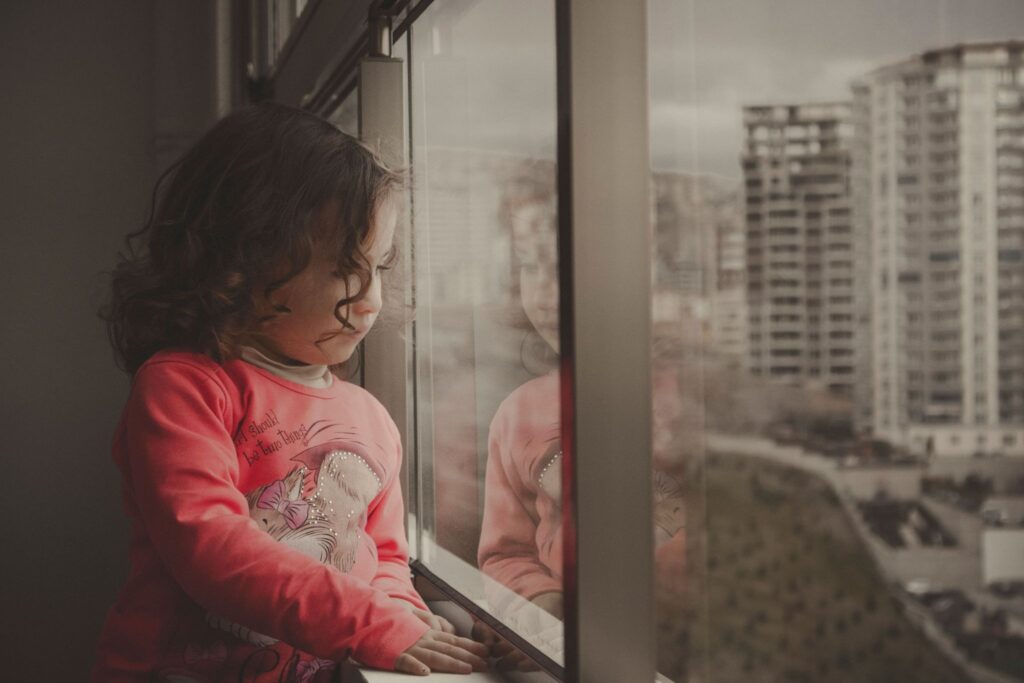
And this is where things get interesting for our family. Many parents raising children overseas grew up in a different kind of school—one where the opposite was valued: don’t stand out, sit quietly, speak only when asked, and don’t show off. Modesty was a virtue, while taking the initiative often backfired.
And these parents’ child ends up in a school where the rules are turned upside down. Here, they encourage exactly the things that, out of habit, they might have scolded the child for at home. Raise your hand. Argue. Speak up. Lead a team. And so it turns out that at home, even if unintentionally, the child is taught the old mindset of staying in the background, while school demands that they step forward. Caught between two fires, the child stands there, confused.
And this is no small matter. Because the world he lives in is structured more along the American model. The ability to hold one’s own in social situations, to speak, to persuade, and to lead others will come in handy when applying to college, at work, and in life. These are the very “soft skills” that are increasingly valued more highly than rote memorization. You can Google a formula, but you can’t look up how to lead a team.
What's the catch for a bilingual child?
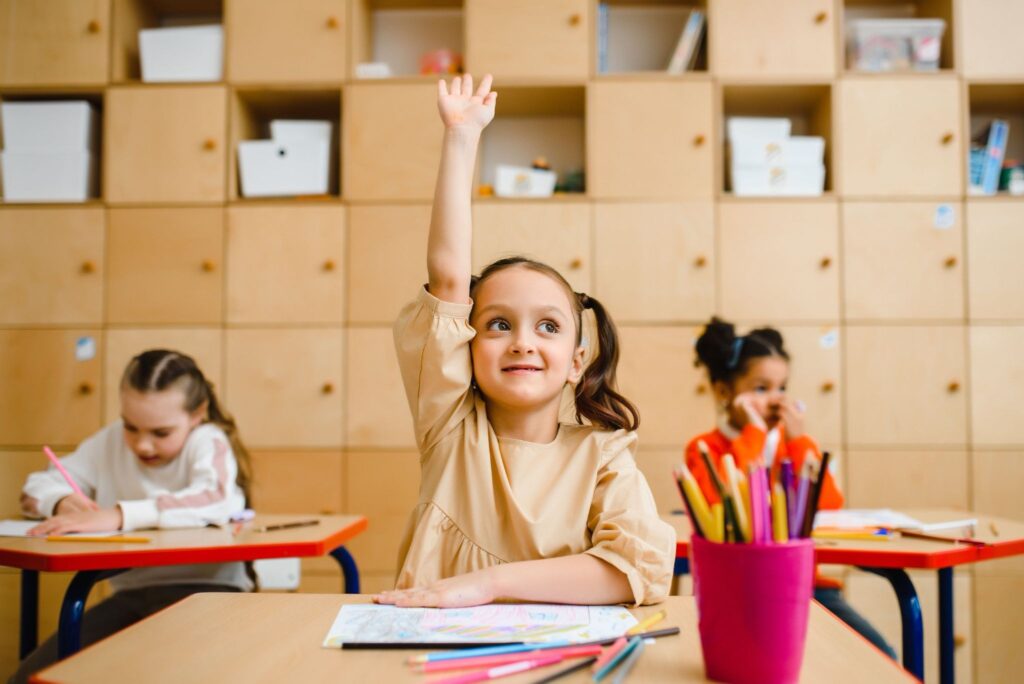
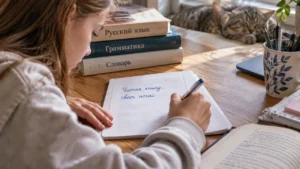
There’s a tricky catch here, and it’s worth addressing it head-on. All these skills are embedded in the language. And at school, children learn them in English: they use English to raise their hands, present projects, and argue with friends. Meanwhile, Russian quietly settles into the kitchen, becoming the language of everyday life and Grandma’s conversations.
This creates an imbalance. In English, the child grows up to be bold and outspoken, but in Russian, he remains quiet because in Russian he has neither the practice of debating nor the vocabulary for nuanced conversation. In their native language, they can’t even string together two sentences in front of an audience. It’s as if one child is actually two different people, depending on which language they’re speaking.
And this is where the parent’s job comes in: to give the child that same courage and that same voice, but in Russian. So that their native language doesn’t shrink to just asking for food, but remains a full-fledged language—one in which they can joke, argue, and stand up for themselves.
How Can Palme School Help Here?
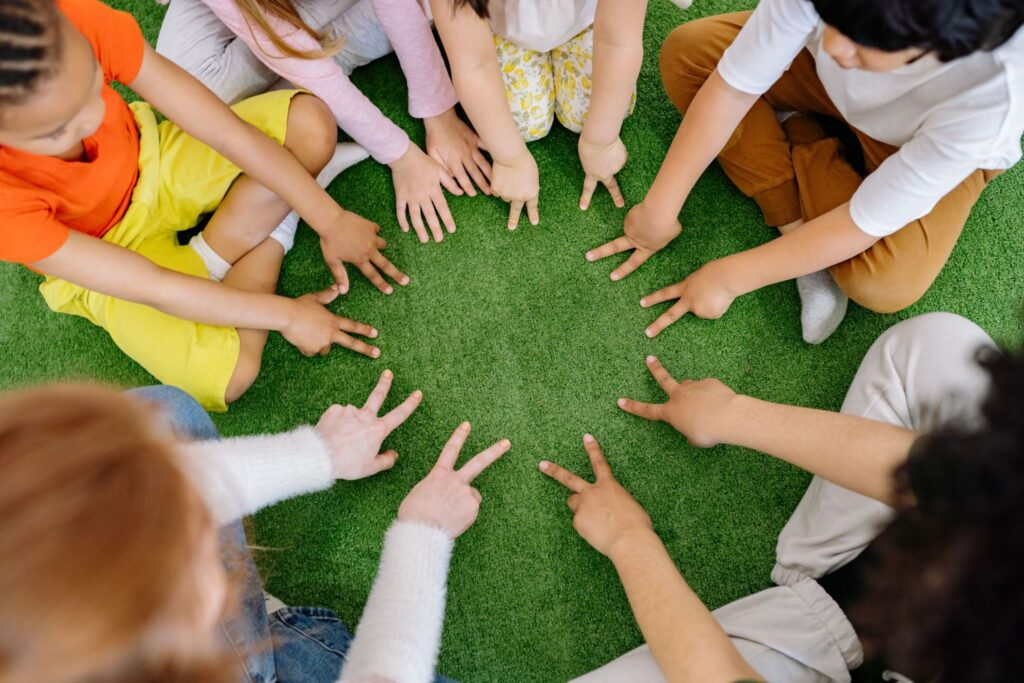
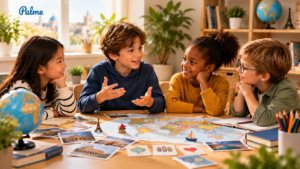
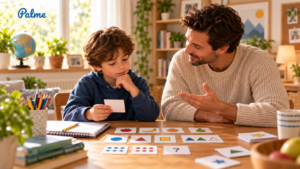
This is exactly the problem the course solves. Soft Skills at Palme School. Here, they don’t just memorize rules in silence; they practice exactly the skills that earn awards in Texas: communication, social grace, negotiation, perseverance in the face of failure, and self-control. All in Russian.
They accept kids here from ages six to fifteen. They work on two aspects at once. On the one hand, they focus on what helps kids manage themselves: seeing things through to the end, planning, keeping their cool, and not losing half their way along the way. On the other hand, they focus on what’s needed when interacting with others: listening to others, reaching agreements, not backing down, and believing in oneself. And almost all the time is spent not on lectures but on hands-on activities—the kids play games, analyze real-life situations, and work on group projects. The groups are tiny—just a few children each—and they’re led not by a tutor but by a specialist who understands child psychology. They start with two free sessions: first, they assess where the child is struggling, then they offer a trial group session. And, as the parents themselves say, the changes become apparent after about a month: the child handles setbacks more calmly, is more willing to speak up, and needs less prompting.
This way, the child gains the same qualities that are valued in American schools—confidence, a strong voice, and leadership skills—but within a native-language environment, and at the same time, their Russian improves.
Home
American schools are increasingly teaching children leadership skills and publicly recognizing them for it, and behind this lies a major shift: soft skills are valued more highly than rote memorization. For Russian-speaking families, this presents a twofold challenge. It’s important for a child to grow up to be confident and assertive not only in English but also in Russian; otherwise, their native language will remain nothing more than the quiet language of the kitchen. You can read about student leadership awards in Texas schools at from an article in My Plainview.
Why do American schools place such importance on leadership?
Because soft skills, the ability to communicate, lead, and negotiate, are increasingly valued higher than academic knowledge, both in college and at work. Schools understand this and purposefully develop leadership from an early age, and the best teams are publicly awarded, as the Texas Association TEPSA, which recognized 167 school teams this year.
Why is this especially important for a bilingual child?
This is because children learn leadership and communication skills in English at school. In Russian, they often lack both the practice and the vocabulary to argue, joke, or speak in public. As a result, they remain reserved in their native language, and there is a risk that their use of Russian will be limited to everyday conversation. To prevent this from happening, children need an environment where they can speak and interact with others in Russian as well.
Can leadership and confidence be developed in Russian?
Yes, and it's doubly beneficial: the child trains skills and maintains their language. Activities based on live communication, rather than silent cramming, are suitable: games, team projects, discussions, presentations. This is exactly how the soft skills course at Palme School for children aged six to fifteen is structured.