


Max is eight, and his grandmother's birthday was the first occasion on which he wanted to say something in Russian that he had picked out himself. She lives outside Moscow. The phone call home falls on a Sunday, and his mother gave him the words to start it with: "С днём рождения." Max repeated the words twice. He got the middle of the long one wrong and made another attempt until his grandma on the screen clapped. The phrase is one that every Russian speaker reaches for. It's shorter than you might think, and it's something a child can have ready before the candles are lit.
С днём рождения

The Russian form for «Happy Birthday» is «С днём рождения,» pronounced «s dnyom rozh DYEH nee ya.» The stress falls on the middle syllable, "DYEH." It doesn't contain words that directly translate to "happy" or "birthday" as they appear in English. Literally, it means "with the day of birth." The congratulation is understood implicitly, much like "cheers" conveys a full sentence in English. For Max, the key takeaway was that "happy birthday" wasn't being translated word-for-word. Instead, he was learning a single, set phrase commonly used by Russians for celebrations ranging from children's parties to office cards.
С днем рождения
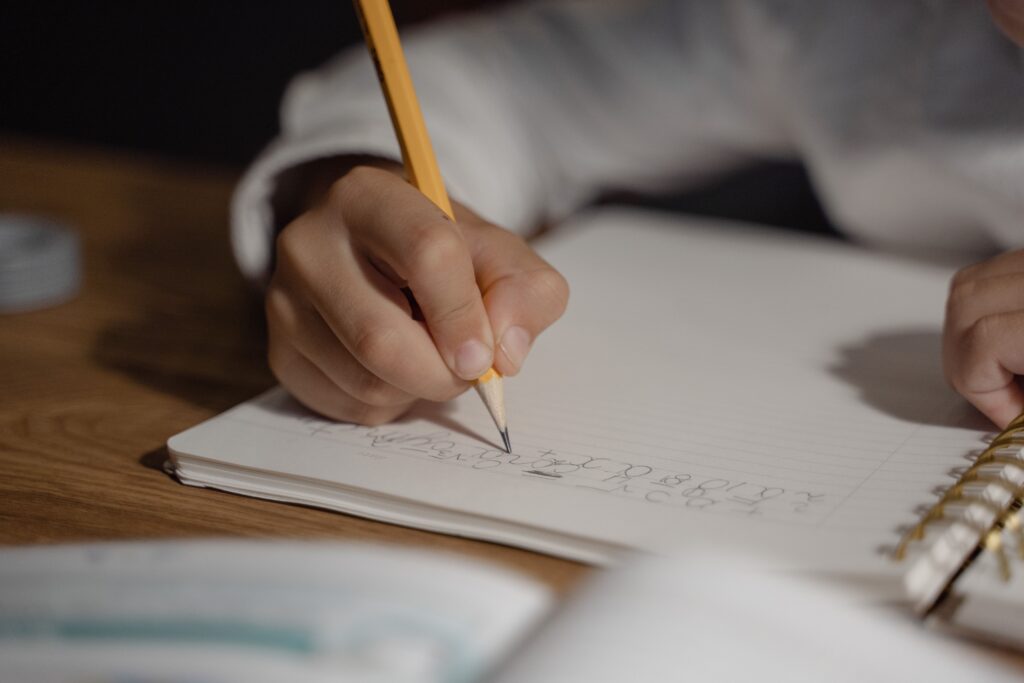
Written out, the phrase is С днём рождения. The first letter is a capital С, which looks like an English C but is pronounced like an «s,» and the two words that follow it are kept in lowercase. The dots over the ё in днём are dropped in everyday typing, so the same phrase is encountered online as С днем рождения, and the two are read in the same way. On a card it is usually closed by Russians with an exclamation point, С днём рождения!, in the way that it would be closed by an English speaker. When it was copied onto the card that was being mailed by Max, the letters were drawn slowly by him, since the ж and the long рождения were new to his hand, and the whole wish came out to three words by which both the saying and the spelling could now be done by him.
С Днём Рождения! От всего сердца желаю тебе счастья, здоровья, любви и исполнения всех твоих самых заветных желаний! Пусть этот день будет полон радости, смеха и приятных сюрпризов!
«Happy Birthday» on its own can feel a little bare in a written message, so Russians usually add a line of good wishes under it. A common one is «I wish you happiness and health,» which is said «zhe LAH yu SHAST ya ee zda ROH vya» and by which «I wish you happiness and health» is meant, and the matter of health is raised in Russian birthday wishes to a far greater degree than it is in the English ones. A more formal opening, of the kind that is written by an adult to a person who is not well known to them, is "I congratulate you on your birthday," which is said «pozd rav LYAH yu s dnyom rozh DYEH nee ya» and by which «I congratulate you on your birthday» is meant. What was kept by Max was short. "Happy Birthday" was written by him across the top for Grandma and "I wish you health" underneath, for the reason that the wish for health was the one that had always been given to him by her.
What to know before you send it

There are two small things that can prevent a birthday wish from coming across the wrong way. The first is the matter of timing, since “Happy Birthday” is not typically said by many Russians before the actual day, as wishing it early is believed to bring bad luck—which is why Max waited for the Sunday that was Baba’s actual birthday rather than calling a week beforehand. The second is the matter of flowers, if any are sent, since a bouquet for a happy occasion in Russia is arranged with an odd number of stems, while an even number is reserved for funerals. There is no Russian version of the “Happy Birthday” song sung by English speakers. The tune sung by Russians instead is taken from an old cartoon called Cheburashka, and it is a tune that a child raised on Russian cartoons has, for the most part, already learned.
When a child gets the sounds right
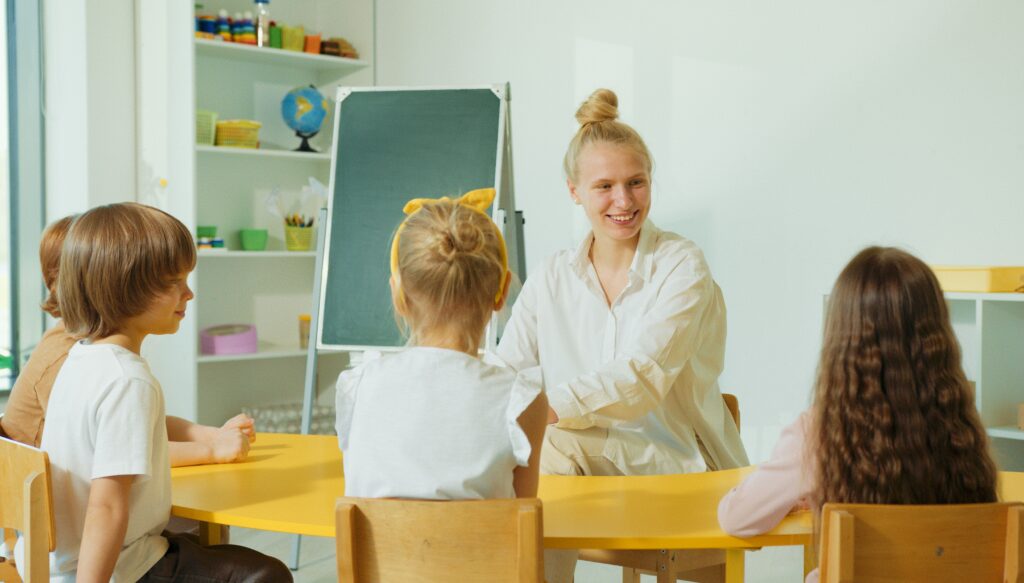
A word like "birth" is easier to get right when a child hears it said back and is corrected on the spot, which is what a lesson gives that a page cannot. At our school the groups are kept small, a couple of meetings are held each week, and the hour is given to the saying and the using of real phrases of this kind rather than to the reciting of rules. The first two lessons are free and come one after the other. The child is met first by a methodologist, by whom the level at which she stands is found, and after that a full group lesson is joined by her with a teacher, so that a parent is able to watch a child pass from the sounding out of a birthday line to the saying of it to a grandparent without a stumble.
С днем рождения
Happy birthday, said «s dniom rozh DYEH nee ya.» It is the universal phrase, used for a child’s party and a formal card alike, and word for word it means «with the day of birth.»
S dnyom rozhdeniya
The phrase is pronounced «s dnyom rozh DYEH nee ya,» with the stress on the «DYEH» in the middle. At the beginning, the “s,” “d,” and “n” are pronounced together as “s dnyom,” which is the part that trips up most English speakers.
С днём рождения
Happy birthday.
Happy Birthday
«On your birthday.» There is no separate word for “happy” or “birthday” in this phrase, since the greeting is part of the set expression itself.
Yes, there is a Russian "Happy Birthday" song. The most common one is a direct translation of the English song "Happy Birthday to You." It's sung to the same tune: С днём рожде́нья тебя́, С днём рожде́нья тебя́, С днём рожде́нья, дорого́й [name], С днём рожде́нья тебя́! Here's how it's pronounced roughly: S dnyom rozh-DYE-ni-ya tee-BYA, S dnyom rozh-DYE-ni-ya tee-BYA, S dnyom rozh-DYE-ni-ya, do-ro-HOY [name], S dnyom rozh-DYE-ni-ya tee-BYA! "Dorogoy" means "dear" and is used for males. For females, you would use "dorogaya" (do-ro-GA-ya). There are also other Russian songs and poems that are sung or recited on birthdays, but this is the most direct equivalent to the English "Happy Birthday" song.
Not the one English speakers sing. Russians often sing a tune from the Cheburashka cartoon instead, which most Russian-speaking kids already know.