


Мало кто из тех, кто с удовольствием хлебает борщ, подозревает, что назван он вовсе не по свекле. Слово борщ это старое имя растения, борщевика, того самого, чьи молодые съедобные листья когда-то и варили в похлебку. Речь, конечно, не о ядовитом борщевике Сосновского, что обжигает руки вдоль дорог, а о его безобидном диком родиче, похожем на гигантский укроп, который веками шел в пищу по всей Руси. Сохранилось любопытное свидетельство. Англичанин, заехавший на русский север лет четыреста назад, занес в записи, что борщ это некая трава, которую здесь по лету рвут, варят и едят с большой охотой. Не суп, заметьте, а именно трава, зелень, которую кидали в котел.
Получается удивительная вещь. Суп, который сегодня узнают с первого взгляда по густому рубиновому цвету, изначально был зеленым и назывался по дикой траве. Ни свеклы, что красит его в красный, ни картофеля, ни помидоров в первом борще не было вовсе. Была зелень, была кислота вроде кваса, и суп выходил скорее кислым и травяным, ближе к нынешним зеленым щам. Та яркость, без которой борщ теперь и не борщ, пришла много позже всего остального.
Тот, кто вбивает в поиск borscht recipe, видит перед собой простую красную тарелку и обычно не подозревает, какой длины у нее родословная и сколько вокруг нее сломано словесных копий. Разложим по полкам: откуда борщ пошел, на чем стоит его вкус, как его собирают на плите, чем рознятся русская и украинская привычки и почему двух одинаковых борщей не сыскать.
Суп, который назвали по траве
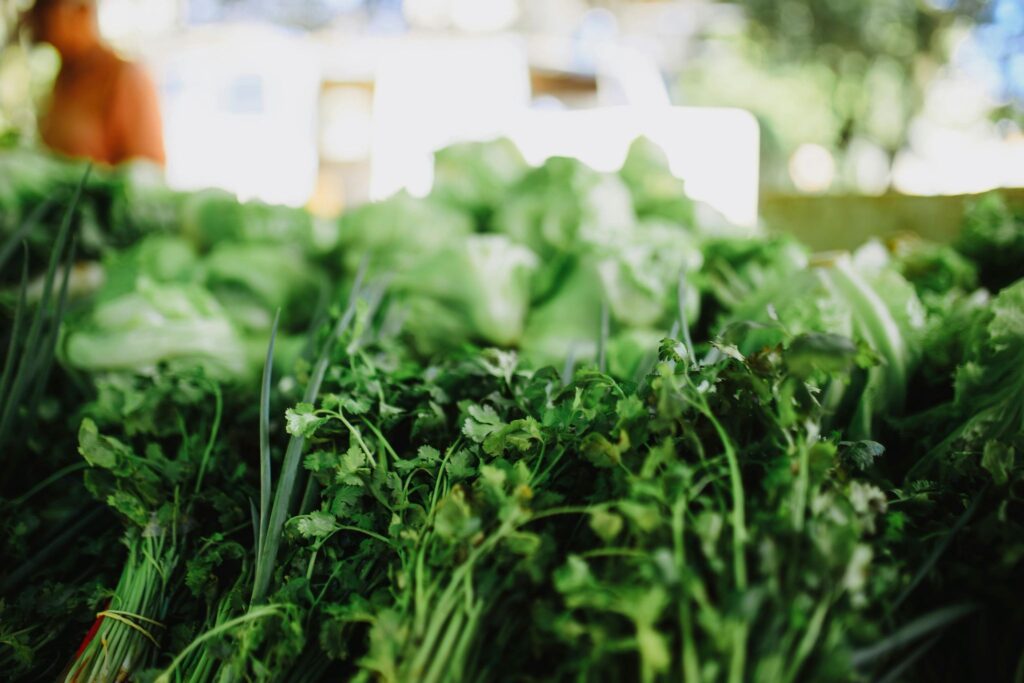
Корни у борща такие глубокие, что точную дату рождения тут не назовет никто. Колыбелью его считают земли давней Киевской Руси, откуда он и растекся вширь, в каждом краю прирастая своими повадками. На бумаге борщ впервые мелькнул у немца Мартина Груневега, который осенью 1584 года встал на ночлег под Киевом у речки Борщовки и со слов местных отметил, что борщ тут на рынке берут редко, потому что в каждом доме варят свой. Только вот любителей точных дат подстерегает подвох: борщом в ту пору звали похлебку из того самого борщевика, а до знакомого красного супа было еще далеко.
Слово, кстати, оказалось живучим и оставило след в самом языке. Глагол переборщить, который сегодня значит перестараться, хватить лишку, по одной из версий первоначально был связан с закваской и означал что-то вроде переквасить, перекислить. Так в обычном слове, которое русский человек говорит, не задумываясь, спряталась память о старинном кислом супе. За едой, как почти всегда, прячется язык.
Красным борщ стал, когда в него пришла свекла, а вместе с ней картофель и помидоры, то есть продукты, которые в Европе и сами появились не сразу. С тех пор он и оброс той сотней обличий, в которых известен сегодня, но кислинка, доставшаяся ему от самых истоков, у хорошего борща чувствуется до сих пор.
Из чего варят настоящий борщ
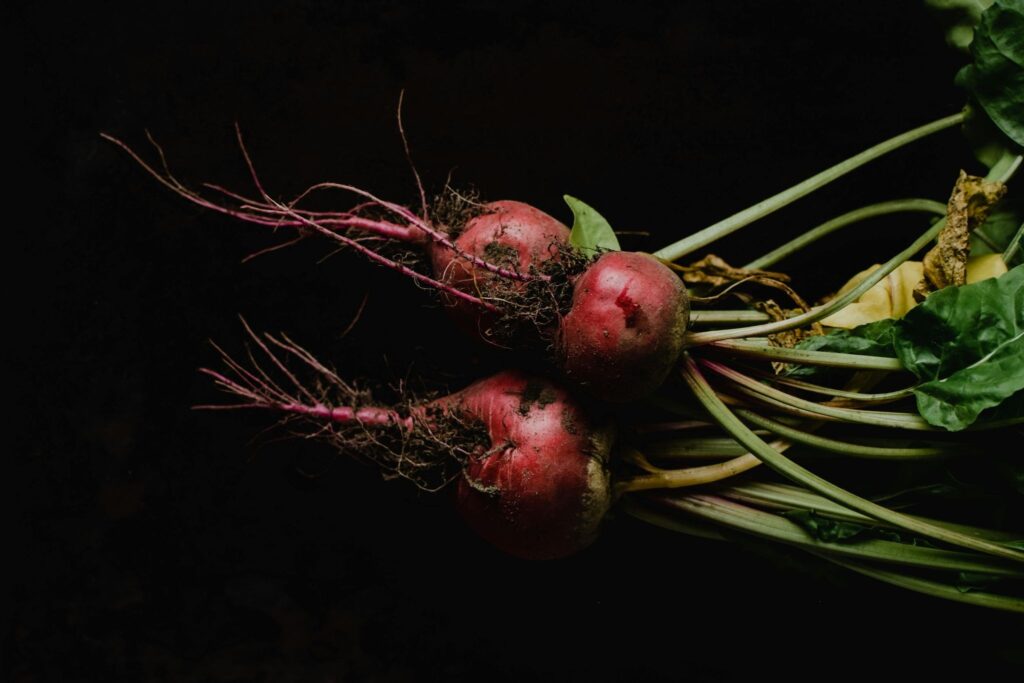
Спор о том, что класть в борщ, можно вести бесконечно, и все же есть костяк, без которого борщ не борщ. Сердце его это свекла, которая и красит суп, и дает ему ту самую мягкую сладость. Дальше идет капуста, свежая или квашеная, картофель, морковь и лук, помидоры или томатная паста и непременно мясной бульон, на котором все держится, чаще всего из говядины или свинины на косточке. Заправляют борщ зеленью и чесноком, а подают со сметаной.
И тут притаилась хитрость, ради которой и заходит речь о настоящем борще. Свекла на долгом огне капризна: поварится подольше и отдаст весь свой цвет, а суп из рубинового сделается тускло-бурым, будто выцвел на солнце. Спасает кислота. Если к свекле подлить чуть уксуса, выжать дольку лимона или подмешать томат, краска закрепляется и доходит до тарелки во всей яркости. В рецептах эту мелочь обычно прячут где-то в скобках, а между тем без нее red beet soup russia, как зовут это блюдо на английских сайтах, остается лишь наполовину собой. Сами продукты и их меру удобнее держать перед глазами списком, и им место в отдельной таблице.
Как его готовят, чтобы вышло как у бабушки
Самое важное про борщ вот в чем: его не сваливают в одну кастрюлю разом и не варят все вместе. Его именно складывают, слой за слоем, и тут вся пропасть между борщом настоящим и борщом на скорую руку. Первым делом неспешно, на тихом огне, выводят мясной бульон, час с лишним, аккуратно снимая серую пену, чтобы вышел он прозрачным и крепким. На сковороде тем временем готовят зажарку из лука и моркови, туда же идут свекла и томат, причем свеклу в кипящий бульон сырой не бросают, а томят отдельно с той самой кислотой, оберегая цвет.
А дальше важен порядок закладки. То, что варится долго, картофель и капусту, отправляют в бульон первыми, а готовую свекольную зажарку вводят в самом конце, чтобы она не расползлась и не отдала краску воде. После этого борщу не дают долго бурлить, а снимают с огня и оставляют постоять. И вот тут выходит наружу, пожалуй, самое честное про это блюдо: назавтра оно вкуснее. Постояв ночь, борщ как будто срастается изнутри, делается глубже и складнее, и вчерашний всегда обходит свежесваренный, о чем вам скажет всякий, кто хоть раз варил его сам. А сами шаги, по очереди и с указанием времени, держать под рукой сподручнее отдельной памяткой.
Борщ, ингредиенты и пошаговый рецепт
Ингредиенты на кастрюлю примерно на 4 литра
| Продукт | Количество |
|---|---|
| Говядина на косточке | 600 г |
| Свекла | 2 средние |
| Капуста белокочанная | 300 г |
| Картофель | 3 штуки |
| Морковь | 1 штука |
| Лук репчатый | 1 штука |
| Томатная паста | 2 столовые ложки |
| Уксус или лимонный сок | 1 столовая ложка |
| Чеснок | 2 зубчика |
| Соль, перец, лавровый лист, зелень | по вкусу |
| Сметана для подачи | по вкусу |
Как готовить
| Шаг | Что делать |
|---|---|
| 01 | Залить мясо холодной водой, довести до кипения, снять пену и варить бульон на тихом огне час с небольшим |
| 02 | Свеклу натереть, припустить на сковороде отдельно с томатом и ложкой уксуса или лимонного сока, чтобы закрепить цвет |
| 03 | Лук и морковь обжарить до мягкости, соединить со свеклой в зажарку |
| 04 | Вынуть мясо, отделить от кости, вернуть в бульон, заложить картофель и капусту, варить до мягкости |
| 05 | Ввести свекольную зажарку, посолить, поперчить, добавить лавровый лист, прогреть пару минут без сильного кипения |
| 06 | Добавить чеснок и зелень, снять с огня и дать настояться, а лучше всего подать назавтра, со сметаной |
Русский или украинский, в чем разница
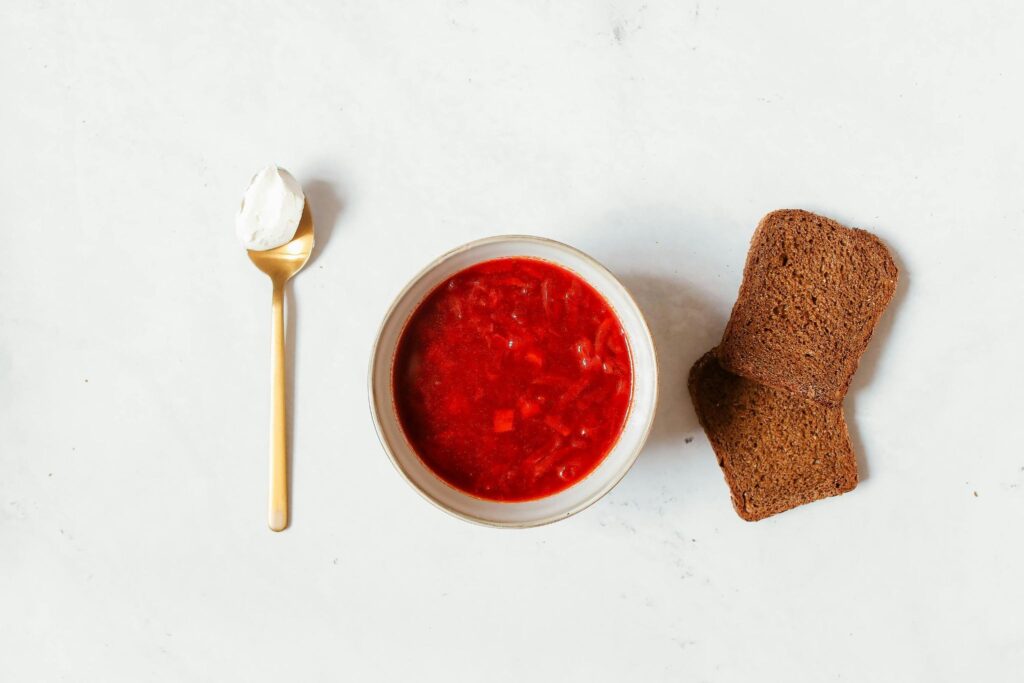
Вот мы и у того самого вопроса, на котором спорщики ломают столько копий. И честнее всего начать с простого: борщ это общее добро восточных славян, его сотни лет варили на всем пространстве от Карпат до Урала, и никакого единого канона у него отродясь не было. Для украинцев борщ давно вырос в главное национальное блюдо, в кулинарный символ, и в 2022 году именно украинскую традицию его варки ЮНЕСКО взяла под охрану как нематериальное наследие. От этого он, однако, не перестал быть родным и на русском столе, где его готовят в каждом доме и подают в любой столовой. Тягаться, чей он по праву, занятие пустое, куда любопытнее вглядеться, в чем эти традиции и вправду расходятся.
А расходятся они мягче, чем хочется любителям горячих споров, и линия между ними размытая, ведь и тут, и там местных версий без числа. И все-таки у каждого уклада свои любимые ходы. Украинский борщ тяготеет к сытости и густоте: его по старинке забеливают салом, истолченным с чесноком, частенько кидают фасоль и выносят к нему пампушки, мягкие булочки, натертые тем же чесноком. Русский борщ, который на западных сайтах так и подписывают russian borscht, держится попроще: чаще на говяжьей косточке, со сметаной и горбушкой черного хлеба, а из причуд то грибы подбросят, то клецки, то, как в старом московском, чернослив. Но это не уставы, а только склонности: фасоль встретишь и здесь, и там, томат давно прописался повсюду, и в каждом доме борщ все равно выходит на свой лад. Удобнее всего эти расхождения окинуть взглядом в сравнительной таблице, а вывод незатейлив: перед нами не два чужих супа, а две родные ветви одного.
Русский и украинский борщ, в чем разница
| Что сравниваем | Украинская традиция | Русская традиция |
|---|---|---|
| Общий характер | Сытнее и гуще | Чаще проще и легче |
| Мясо | Часто свинина или смесь | Чаще говядина |
| Заправка | Сало, растертое с чесноком | Сметана при подаче |
| Частые добавки | Фасоль | Иногда грибы, клецки, в московском чернослив |
| Подача | С пампушками, чесночными булочками | С черным хлебом |
Различия это склонности, а не жесткие правила: фасоль и томат встречаются в обеих традициях, а в каждой семье борщ получается свой.
Сколько хозяек, столько борщей
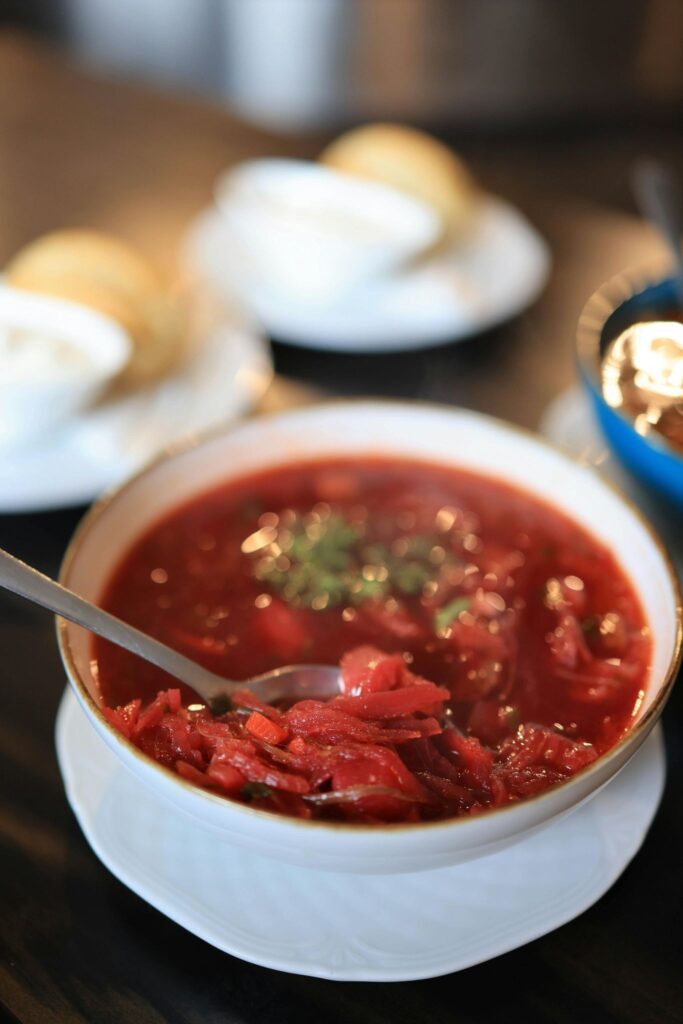
Приглядишься, и окажется, что борщ это не одно блюдо, а целая родня, и пестрота ее удивляет. Помимо обычного красного есть борщ зеленый, весенний, на щавеле, который к травяным истокам куда ближе, чем к свекле. Есть свекольник, тот же борщ, но холодный, его в жару хлебают студеным, как окрошку. Есть постный, без единого кусочка мяса, на грибном отваре, что выручал в долгие недели поста. Есть флотский, где и мясо, и овощи рубят нарочито крупно. А сверх того у всякой области, у каждой семьи свой выверенный годами рецепт, переходящий от бабушки к внучке, со своими добавками и своим норовом. Оттого и честный ответ на вопрос, как сварить правильный борщ, звучит так: правильных борщей не один десяток, а самый правильный тот, что варили в твоем доме.
Какие бывают борщи
| Вид | Чем особенный |
|---|---|
| Красный | Привычный борщ со свеклой, рубинового цвета |
| Зеленый | Весенний, на щавеле, ближе к травяным истокам |
| Свекольник | Холодный борщ, который едят в жару охлажденным |
| Постный | Без мяса, на грибном или овощном отваре, для поста |
| Флотский | Мясо и овощи нарезаны особенно крупно |
Зачем уметь варить борщ ребенку вне России
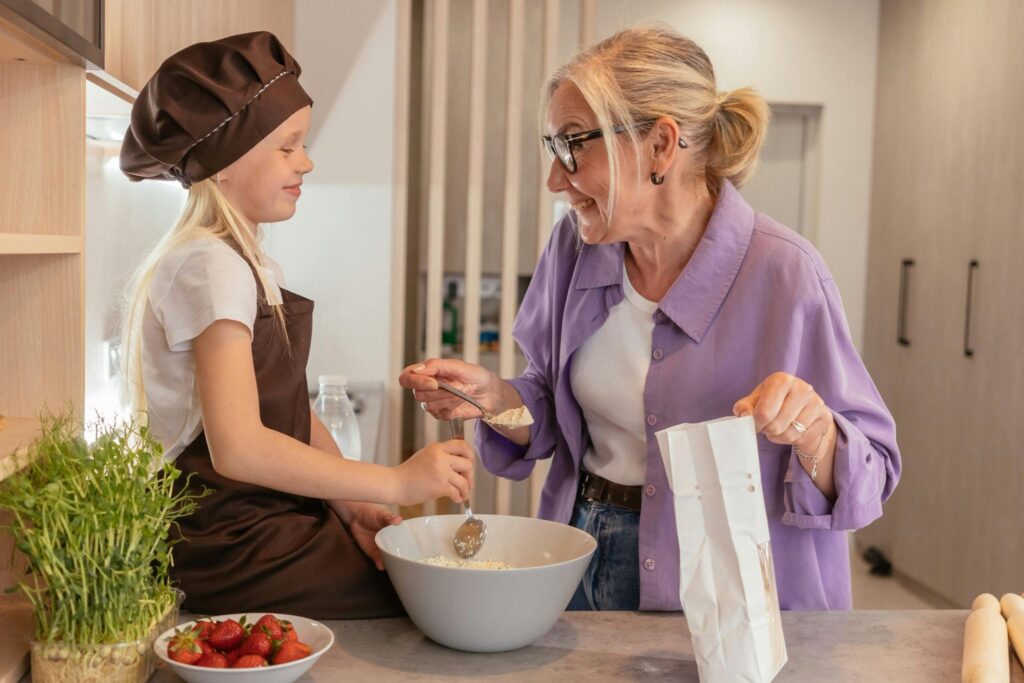
Для ребенка, который растет в Америке или Канаде, кастрюля борща на плите это не просто обед, а запах родного дома и живая ниточка к корням. Часто бывает так, что русские слова даются с трудом, а вот бабушкин борщ и то, как вся семья садится вокруг него, остаются в памяти на всю жизнь. Через такую простую вещь, как общий суп, ребенок чувствует свою культуру теплее и крепче, чем через любой учебник.
В Palme School мы учим детей не только говорить и читать по-русски, но и всему тому, что за языком стоит, кухне, праздникам, обычаям, словам и поговоркам, в которых живет народная память. Рассказать, почему борщ назван по траве и отчего вчерашний вкуснее, значит сделать язык не школьным предметом, а чем-то родным и вкусным. Мы учим детей с четырех до семнадцати лет, отдельно для билингвов и для тех, кому русский по сути иностранный, онлайн, в маленьких группах, по сорок минут.
Понять, подойдет ли это вашему ребенку, можно бесплатно. В школе дают два пробных урока. Первый это знакомство с методистом, который определит уровень и расскажет про программу. Второй настоящий урок в группе, с преподавателем и другими детьми. Так сразу видно, как ребенок чувствует себя в русской среде и что ему интереснее всего.
Что стоит запомнить
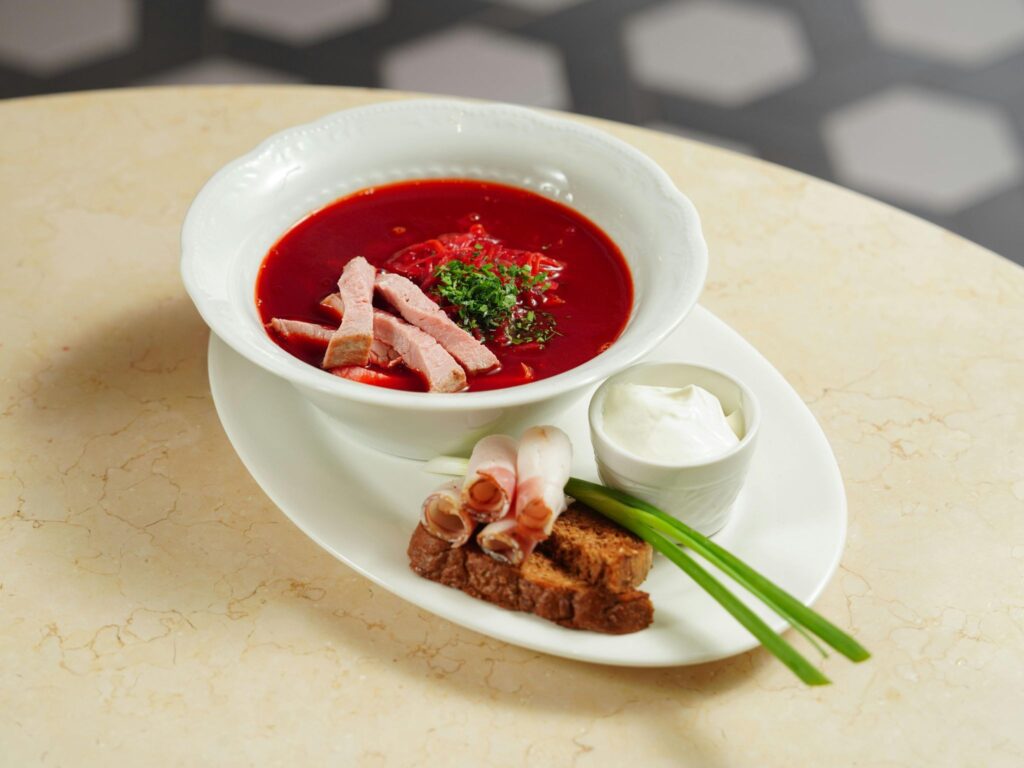
Борщ при ближайшем рассмотрении куда занятнее, чем просто миска красного супа. Имя ему подарила дикая трава, красный цвет, припозднившись, принесла свекла, а лет ему столько, что он старше всех споров о том, чей он. Это общее добро восточных славян, в котором уживаются и украинская традиция под крылом ЮНЕСКО, и свой русский извод, и сотни домашних рецептов, где у каждой хозяйки борщ единственно верный. А сварить его по плечу любому, кто удержит в голове три вещи: крепкий бульон, отдельную зажарку и кислоту, что бережет цвет. Ну а лучше всего, сами знаете, он назавтра.
Почему борщ красный, если назван он не по свекле?
Свое имя борщ получил от борщевика, чьи листья встарь и кидали в похлебку, так что сперва он был зеленым, травяным. Красным суп сделался уже потом, с приходом свеклы, которая и дает ему рубиновый тон. Вот и вышло, что в одной тарелке встретились давнее имя от дикой травы и поздняя яркая краска от свеклы.
Чем русский борщ отличается от украинского?
Жесткой границы нет, у обоих масса местных вариантов. Но украинский борщ обычно делают сытнее, заправляют салом с чесноком, часто кладут фасоль и подают с пампушками. Русский чаще варят попроще, на говядине, и подают со сметаной и черным хлебом. Это не два разных супа, а две родственные традиции одного блюда.
Чей борщ, русский или украинский?
Борщ это общее блюдо восточных славян, его веками варили на огромном пространстве, и единого рецепта у него не было. У украинцев он стал национальным блюдом, и в 2022 году его традицию приготовления внесли в наследие ЮНЕСКО. В России борщ при этом тоже варят повсеместно и считают своим. Спор о собственности тут менее интересен, чем само богатство традиции.
Почему борщ вкуснее на следующий день?
Постояв ночь в холоде, борщ будто срастается изнутри: вкусы пригоняются друг к другу, и суп делается глубже и ровнее. Это давно подмечено, оттого его нередко и варят с вечера. Свежий борщ хорош, спору нет, но вчерашний почти всегда его обходит.
Как сохранить яркий цвет борща?
Свекла теряет цвет при долгой варке, и суп буреет. Чтобы этого не было, свеклу готовят отдельно от бульона и добавляют к ней немного кислоты, уксуса, лимонного сока или томата, которая закрепляет цвет. Готовую свеклу вводят в борщ под конец и долго после этого не кипятят.
Можно ли сварить борщ без мяса?
Конечно, постный борщ известен издавна и готовится без всякого мяса, на отваре из грибов или овощей. Он спасал в долгие посты, которых в году набиралось немало, и при том выходит вкусным и сытным за счет овощей и заправки. Так что вегетарианскому столу борщ вполне к лицу.
Что такое пампушки и зачем они к борщу?
Пампушки это небольшие пышные булочки, натертые чесноком, их выносят к борщу прежде всего в украинском обычае. Ими славно заедать суп и подбирать со дна остатки. Без них вполне обходятся, но с пампушками тарелка выходит особенно сытной и домашней.
С чего начать, если варишь борщ впервые?
Браться лучше с простого мясного борща, без затей, освоив три кита: крепкий бульон, отдельную зажарку и кислоту, что держит цвет свеклы. Когда это станет получаться, открывай для себя версии, клади фасоль или грибы, меняй мясо. И один раз сварить рядом с тем, кто уже умеет, полезнее, чем сверяться с любым текстом.