


In the autumn of 1825, Pushkin was twenty-six years old, and he was staying at Mikhailovsky, in a village in Pskov, where he was sent from Odessa under supervision. He was not allowed to leave without permission. October in that village was typical; it was rainy, the roads were impassable, and in the evenings there was a nanny, candles, and books. In St. Petersburg, meanwhile, his friends were getting ready to celebrate.
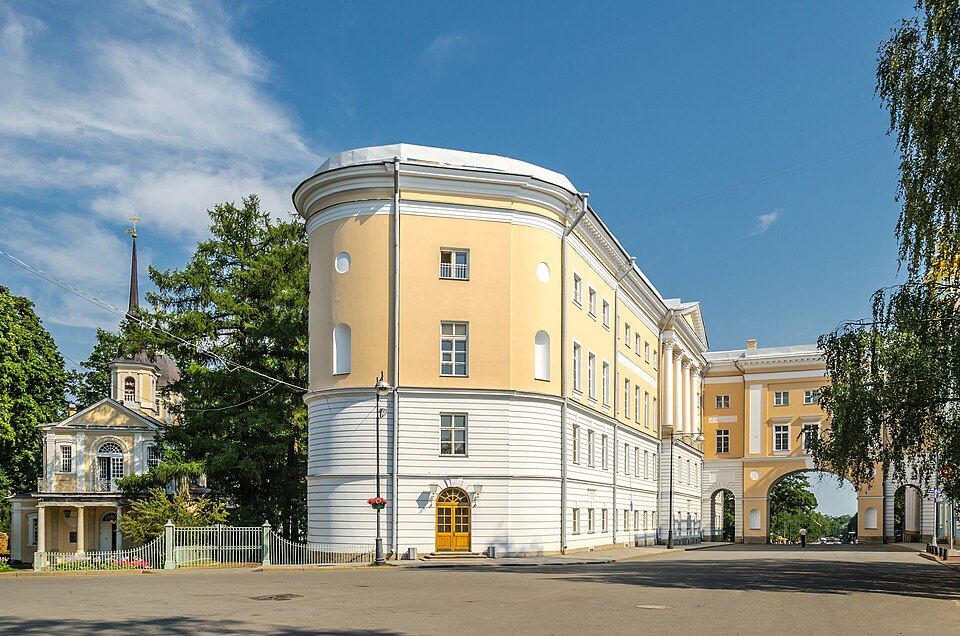
They celebrated not a birthday or an anniversary. They celebrated on October 19, the day when in 1811 the Lyceum opened in Tsar-Sel (according to the then calendar, but even now the Day of the Lyceum is celebrated on October 19). The first Lyceum students studied there for six years, almost all of that time without interruption, and during these years they became a group that did not break up even after graduation. Every autumn, on the same day, those who could gathered together.
Pushkin could not do that in 1825. And then he did what we would now call a five-minute voice message. He wrote a poem and sent it to his friends.
I drink alone
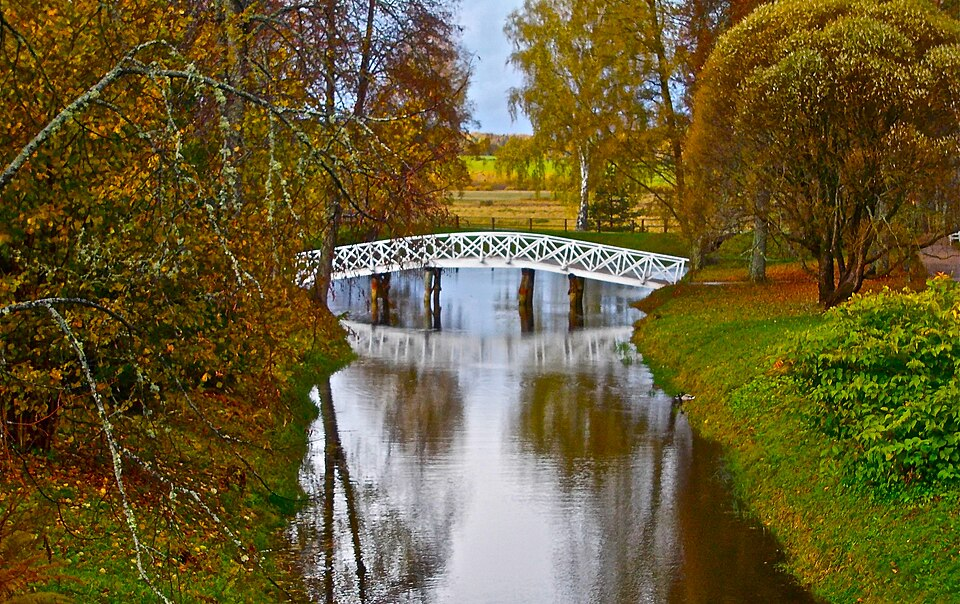
The poem is called «October 19.» It begins with autumn, which is outside the window: «The forest is turning gray with its harvest.» Next, Pushkin tells how his evening goes. A fireplace, wine, no one around. «I drink alone; here imagination calls out to me.».
And then he starts calling them one by one. Some by name, some so that the high school students recognized them without knowing their names. He recalls who of his friends visited him in the prison camp. He asks who is where now, who is at sea, who is far away. There is a line for each of them, and it’s not about a friend at all, but about this person.
Where the friends gathered on October 19, 1825, is unknown. However, a record has been preserved: there were six people at the celebration, including Delvig and Yakovlev. And the notebook itself was not lost. The autograph was kept by Mikhail Yakovlev, the headmaster of the Lyceum, who collected everything related to their common holidays, and later, along with the rest of the Lyceum papers, it ended up in the Pushkin House. It is there today.
If you are telling a child about Pushkin, this story should be placed alongside the usual biography that we have. a separate article about his life. The dates are there, but this October evening with one person by the fireplace is not there.
Founders
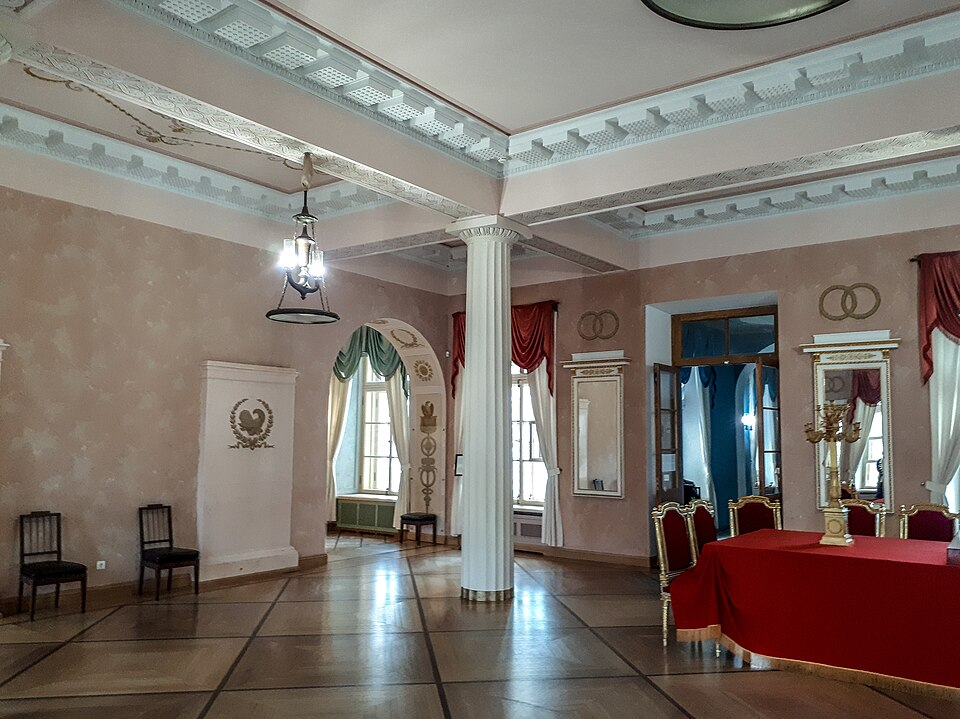
The first-generation high school students had a nickname that was quite strange at first glance: the Cast Iron Boys.
When they finished the Lyceum in 1817, the director, Yegor Engelhardt, gave each of them a ring. Not a gold or silver one, but a cast iron one. Cast iron is heavy, dark, and not at all attractive. People don’t wear such a ring for beauty’s sake.
By the way, this is usually what the child likes the most. Not even the ring itself, but the fact that grown-ups would later for years call themselves by that ring, like a team by shape.
To whom does Pushkin write?
For the first task, you need the poem «October 19th» from 1825; for the second, you can use a sheet of paper; the third can be done orally. One task is enough for one go.
Find friends in poetry
The child reads the poem in verse with an adult and notes who Pushkin addresses by name. For each friend, it is necessary to find one detail: what Pushkin remembers about that friend.
One memory for a person
Imagine a holiday that the child cannot attend: a friend's birthday in another city, a family dinner at grandma's house. The child writes a short message in Russian, where there is a real memory for each person he writes to.
Three on October 19
The child connects the year and what happened with the high school celebration: 1825, 1836, 1880. Options: poems addressed to friends, live reading, telegram.
It was time
Eleven years have passed. On October 19, 1836, the high school students gathered at Mikhail Yakovlev’s house, and this time Pushkin was among them. He brought a new poem, «It was a time: our youth’s celebration…», and began to read it.
There are two testimonies about this evening, and one does not cancel out the other.
The minutes of the meeting, which were kept by the students themselves, are written in a restrained manner. Pushkin began reading, did not remember the poems in full and said that he had not finished them. Later, according to Yakovlev, the details that were not included in the minutes were revealed. In the middle of the reading, Pushkin wept and was unable to continue.
The poem «There Was a Time…» remained unfinished. A few months later Pushkin passed away, and this anniversary turned out to be his last.
Telegram to Nice
In that 1825 poem there are lines that make you feel a little uneasy, if you know what happened next. «Who among us will have to triumph alone in old age?»
History provided the answer. The last of the first issue was Alexander Gorchakov, the very same one about whom Pushkin wrote that he was «a happy man from the very first days.» Gorchakov became the Minister of Foreign Affairs, lived very long and survived all his comrades.
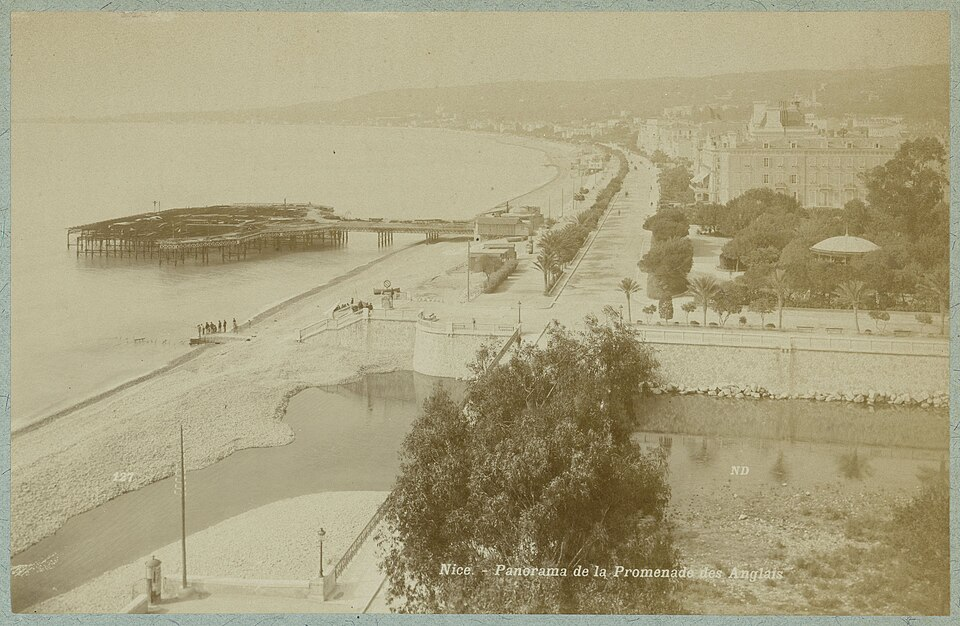
On October 19, 1880, he was far from St. Petersburg, in Nice. The high school students who had gathered for the celebration sent him a telegram. And Gorkov answered.
It turns out that in fifty-five years, the only things that have changed are the means of communication. In 1825, Pushkin wrote poetry to his friends. In 1836, his friends heard him speak, albeit in a form that he did not complete. In 1880, the message reached the Mediterranean Sea via telegraph wires.
For a family where the grandmother, best childhood friend, or cousins live in another country, there is something very familiar in this story. There are times when you can’t go to a holiday at all. Pushkin wrote poems in such cases, and Gorkov replied to a telegram. It’s also possible to be more simple: a postcard, a video, a few lines in a messenger app, as long as there’s something specific about the person you’re writing to.
At literary reading classes at Palme School, children read Pushkin and other authors in Russian, look for living people and real events in the poems, and learn to tell about what they have read in their own words.
You can start with two free lessons: an introductory session with a facilitator and a trial lesson in a group with a teacher.
Try the literary reading lessonFrequently asked questions about Day of the Lyceum
What is Day of the Lyceum Student?
It is the day of the graduation of the graduates of Tsaraskiselsky Lyceum, which is celebrated on October 19. On this day in 1811 the Lyceum opened its doors, and its first graduates, including Pushkin, would often gather together on October 19.
Why is College Day celebrated on October 19?
The Lyceum opened on October 19, 1811, according to the then calendar. The graduates of the first course made this date an annual day of gatherings, and the tradition has remained.
Who are the blacksmiths?
This was how the first-class graduates called themselves. When they graduated from the Lyceum in 1817, Director Yegor Engelgardt presented each of them with a cast iron ring.
What poem did Pushkin write by October 19, 1825?
The poem «October 19,» which begins with the line «The birch forest is shedding its leaves.» Pushkin was in exile in Mikhailovsky, and he could not come to the meeting; he sent the poems to his friends. The autograph was kept by the headmaster of the Lyceum, Mikhail Yakovlev, and it is now in the Pushkin House.
Why was the poem «The Time Was» not finished?
Pushkin began reading it at a meeting on October 19, 1836, and, according to the records, he did not remember the poems in their entirety and said that he had not finished them. A few months later, he passed away, and the poem remained unfinished.
Which first-year college student lived the longest?
Alexander Gorchakov. He survived all his comrades and died in 1883. In 1880, when Gorchakov was in Nice, the assembled high school students sent him a congratulatory telegram, and he replied.