

Imagine a country so vast that the holiday is not celebrated all at once, but in waves. While on the easternmost edge children have already blown out their candles and gone to sleep in the new year, in Moscow there are still nine hours until the Kremlin clock strikes midnight, and even more at the western borders. New Year's Eve rolls across the country from east to west in eleven stages, because that's exactly how many time zones Russia has. One family is sound asleep in the new year, while another, in the same country, is just cutting salad.
This is the first thing you should know about Russia. It's incredibly, almost unbelievably large. Parents raising a child far from it often search online for "Russia facts for kids" or "Russia for children" to answer a simple child's question: what is Russia like, anyway? They don't want the answer to be just "big and cold." The answer is indeed much richer. Below are facts that paint a vivid picture of the country, from its size and lakes to its animals, holidays, and what's on people's tables.
The country where New Year's is celebrated eleven times
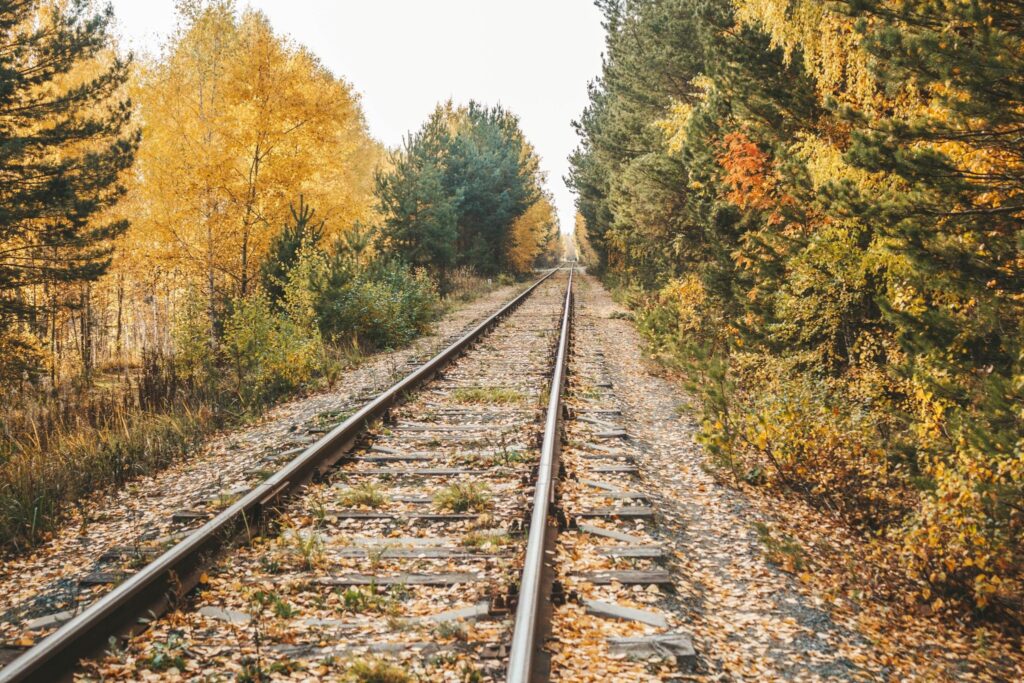
Russia remains the largest country on the planet, and by a wide margin. It lies on two continents at once, starting in Europe and ending in Asia, by the Pacific Ocean. If you were to board a train in Moscow and head east without changing, you would rumble all the way to the ocean in about a week. This route has been dubbed the Trans-Siberian Railway, and there is no longer a rail line in the world; it's almost ten thousand kilometers through forests, rivers, and mountain ranges. Seven days on the train, and the country still doesn't end.
To grasp the size, comparison helps. Russia is larger than two continents like Australia put together. It's precisely because of this expanse that a funny story with time arises. When people are having breakfast at one end of the country, others are already having dinner at the other, and the difference between the westernmost and easternmost points reaches ten hours. Children usually love this idea because it means that in the same country, it's both morning and evening right now.
From the northern ice to the warm sea
Since the country is so vast, it contains several worlds at once. In the far north lies a true Arctic, where the sun doesn't set for half the year and doesn't rise for half the year, where the earth is bound by permafrost and polar bears roam the ice. And in the south, on the Black Sea, palm trees grow and grapes ripen, and people swim in warm water. And yet, it's only one country; it's just that its extremities are so far apart that they experience different weather.
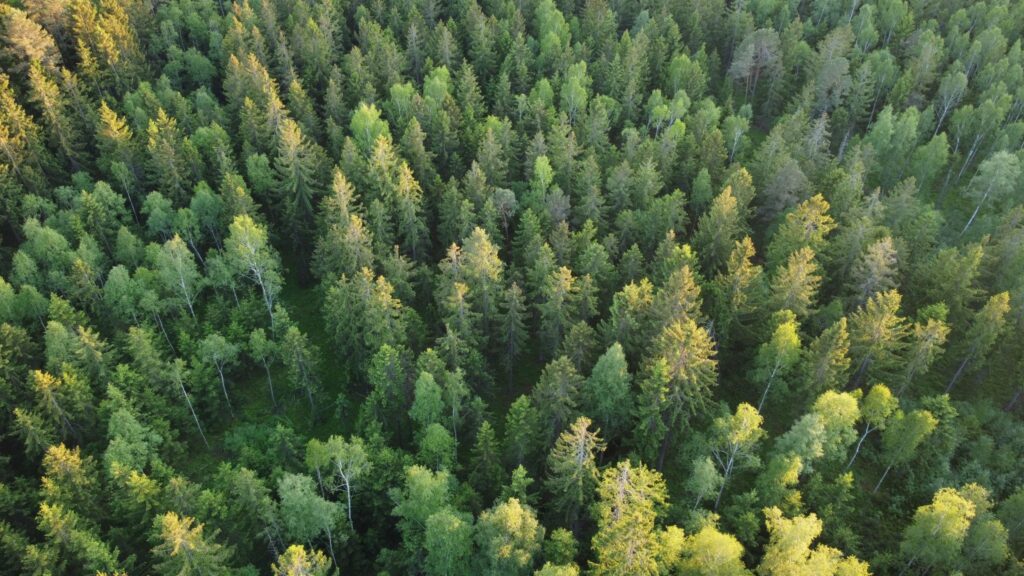
Between these edges stretches a vast forest, the taiga. It is the largest forest on Earth, a dark, dense coniferous ocean that spans thousands of kilometers and is visible even from space as a green band across the continent. It hides animals that are no longer found elsewhere. Russia also has its own highest mountain, Elbrus, with its snow-capped double summit rising higher than any other in Europe, and Europe's longest river, the Volga, on which dozens of ancient cities stand.
The lake hiding one-fifth of the fresh water
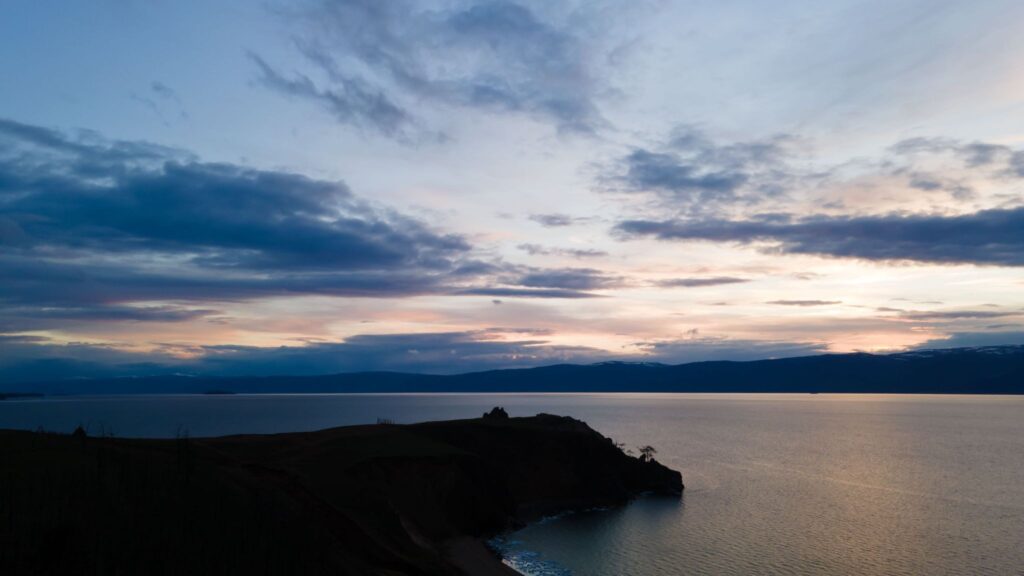
Among Russia's natural wonders, there's one that's truly incredible: Lake Baikal in Siberia. At first glance, it looks like any other lake, just a very long one. But once you learn a little more about it, you'll be breathless. Baikal breaks all depth records, reaching over a kilometer and a half in some places – that's like stacking three Ostankino Towers on top of each other. And in terms of age, it's unmatched, with around twenty-five million years behind it.
But most amazing of all is its water. Lake Baikal holds about a fifth of all the fresh water on the planet, all the water that people drink and swim in. And it's so clean and clear that on a calm day, you can see tens of meters deep through it, as if looking through glass. And living in this lake is an animal that exists nowhere else, the Baikal seal, a small seal that somehow ended up in a freshwater lake thousands of kilometers from any sea. Scientists are still debating how it got there.
A tiger that is not afraid of snow
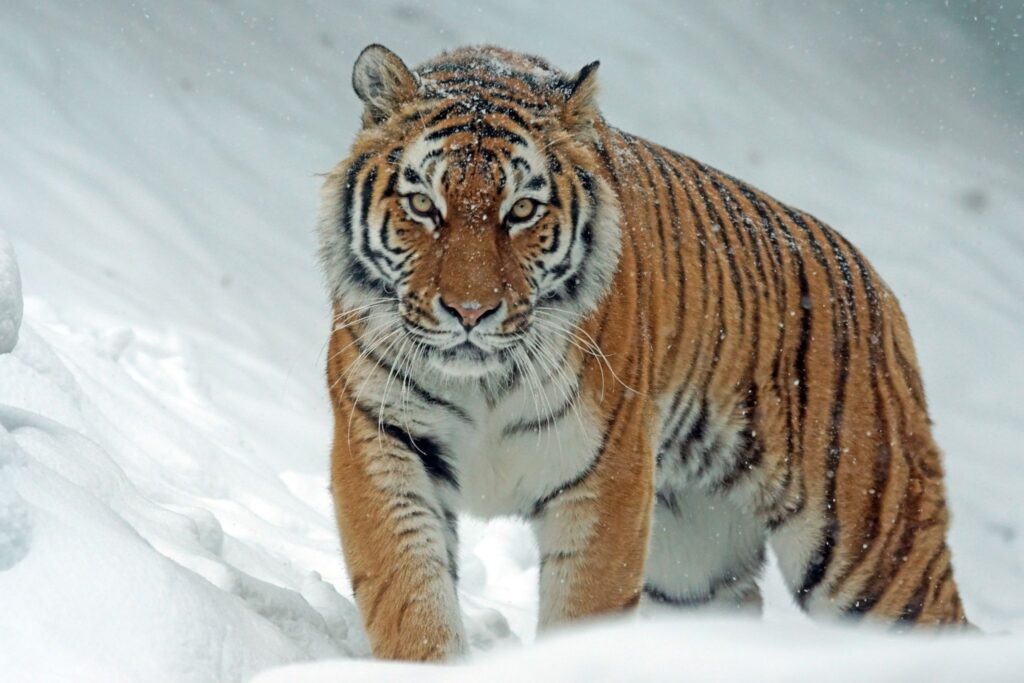
When children think of Russian animals, their first thought is usually a bear, and for good reason. The brown bear has indeed long been a symbol of the country. But the most unexpected inhabitant of Russian forests is quite different. In the far east, in the Primorsky taiga, lives the Amur tiger, the largest and heaviest of all the world's big cats. And here's what's strange. Tigers are usually imagined in hot jungles, but this striped giant calmly walks through deep snow in thirty-degree frost, having grown a thick warm coat for the winter. A tiger in the snow is a sight that is not easy for a foreigner to believe.
There are many animals in Russia in general, and very different ones. The polar bear, the largest land predator, walks on the Arctic ice. The sable, whose precious fur has been valued at its weight in gold for centuries, hides in the taiga. Swift saigas with funny, humped noses dash across the steppes. And in the cold seas and rivers, fish abound, for which the Russian table is famous, from herring to huge sturgeons. A whole living world accustomed to open spaces and cold.
What do they take out of the chest for the holiday
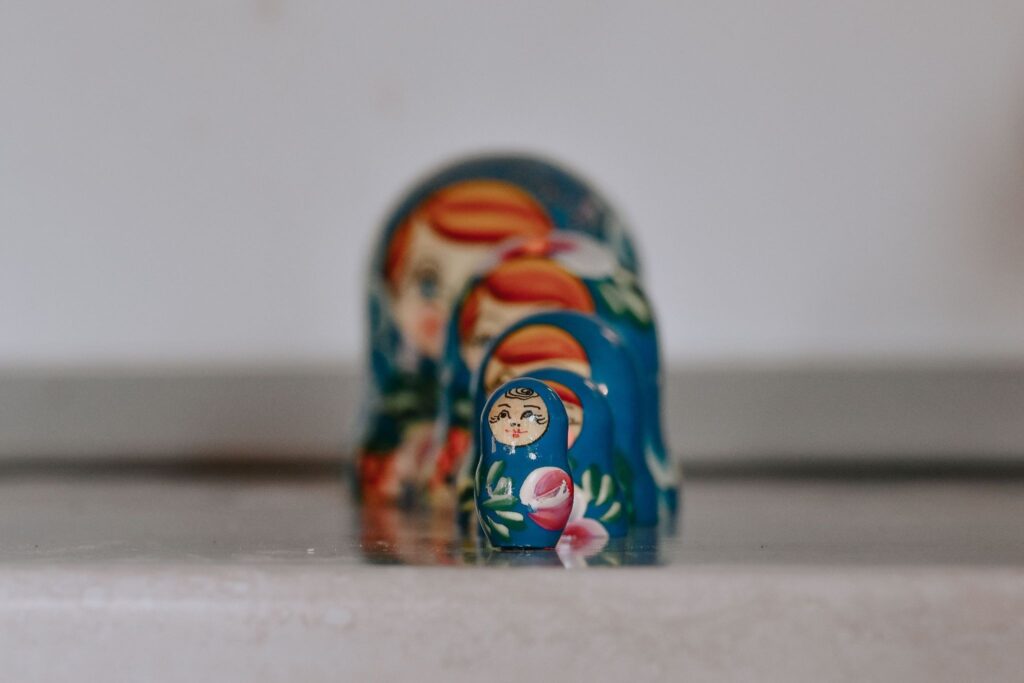
Russia also has things that are recognized worldwide at first glance. If you ask a foreigner to imagine something Russian, they will almost certainly recall a matryoshka, that very wooden doll, inside which hides a smaller doll, and inside that, an even smaller one, and so on, down to a tiny one, the size of a fingernail. It was invented a little over a hundred years ago, but it seems as if it has always existed.
At ancient festivals and celebrations, it was impossible to do without two things. The first was always balalaika, a resonant triangular instrument with only three strings, which people danced and sang to in the villages. The second famous item warms you in a fierce frost: a warm fur hat with earflaps, an ushanka, whose earflaps can be tied under the chin in the coldest weather, or raised to the top. There were also painted scarves, clay whistles, and wooden spoons, which were not only used for eating but also for tapping out a lively rhythm. For a child, it's not interesting to just list these things, but to touch and handle them; then a distant culture becomes real.
Russian cuisine smells of dill, sour cream, and roasted meats.
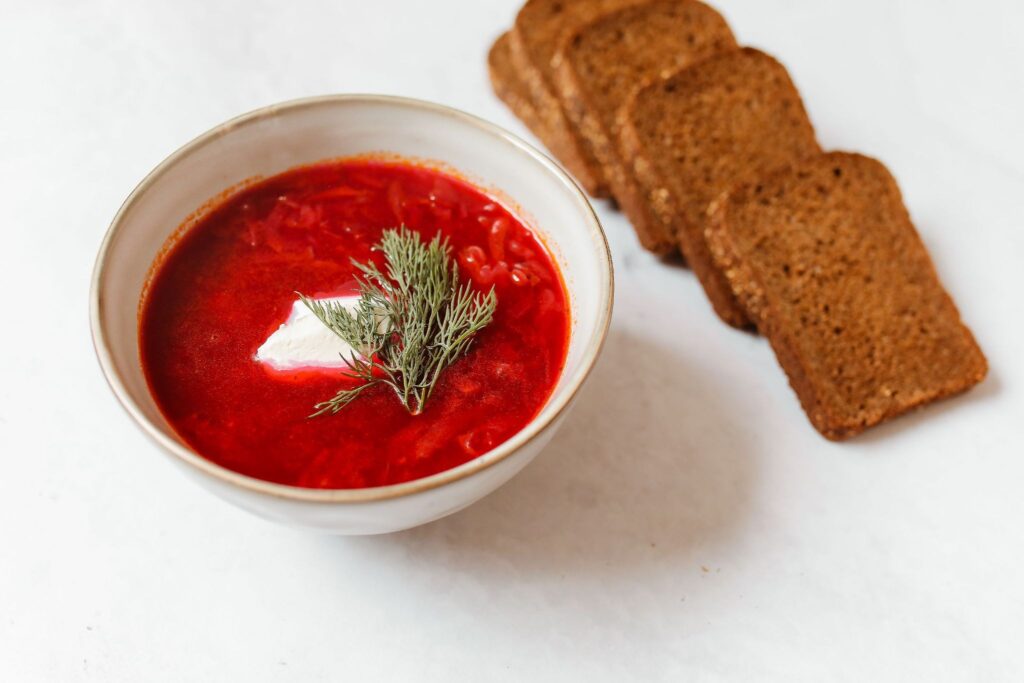
A conversation about a country is incomplete without talking about food, especially since a child can understand a lot through a plate without words. Russian cuisine is hearty, homemade, and very fragrant. For centuries, the main dish was not meat, but kasha (porridge), from which the word itself grew, because to "zavarit' kashu" (literally "to brew porridge") still means to start a troublesome affair. And next to kasha stand shchi (cabbage soup) and Borscht, a thick beetroot soup of a beautiful burgundy color, which each family cooks a little differently.
Russian cuisine also has a special pride: something that is made and baked by the whole family. Pelmeni, tight little dough pockets with meat inside, were made in entire basins in the Urals and Siberia and left out in the frost, so that the whole winter long they could be taken out by the handful and boiled in five minutes. Blini, round and golden, are baked on Maslenitsa (Butter Week) to bid farewell to winter, and are eaten with sour cream, honey, and jam. And in Russia, tea is drunk for a long time, in large quantities, and with pleasure. Previously, water was boiled in a samovar, a plump copper teapot with a pipe, around which the whole family would gather for conversation.
How to make a faraway country feel close to a child
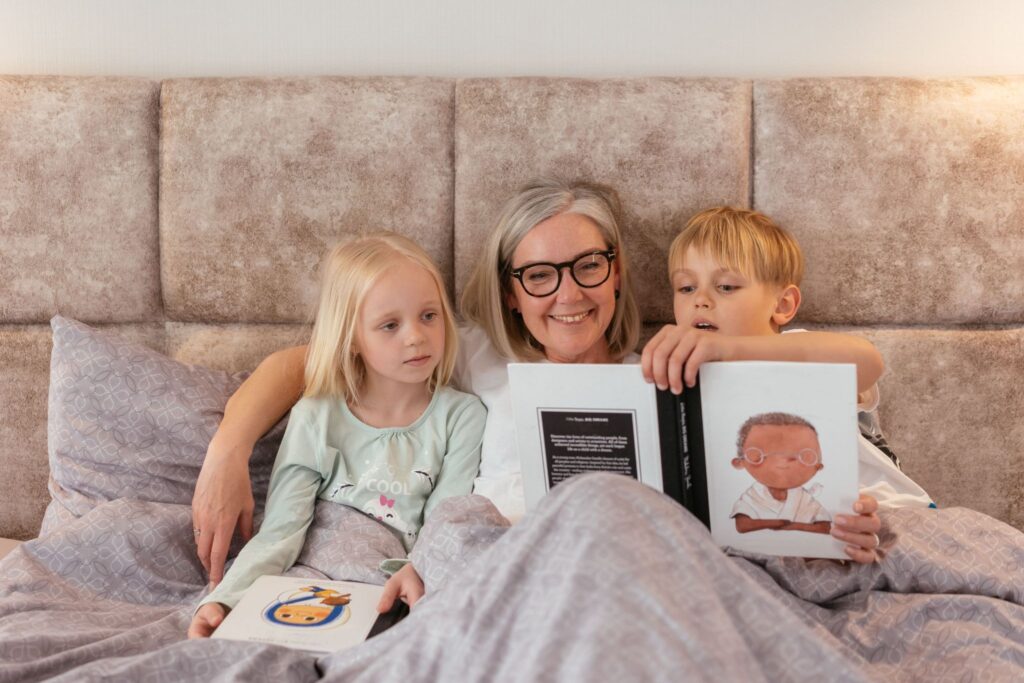
All these facts, from eleven time zones to a tiger in the snow, are not good in themselves. They transform Russia from a boring dot on the map into a vibrant, interesting place about which a child wants to know more. And a distant country becomes truly familiar through language, because it is in this language that fairy tales about these bears are told, songs are sung to this balalaika, and the whole family is called to the table.
V Palme School Children from Russian-speaking families, aged four to seventeen, are taught the Russian language in a way that brings the living country, with its nature, history, and customs, to life through words. In lessons, they read, talk, play, and explore topics that genuinely pique the child's curiosity. You can get acquainted with the school through two free introductory sessions. First, an introductory meeting and assessment with a methodologist will reveal what the child can already do well and where they need help. Then, a trial lesson takes place in a live group, alongside other children. There are no obligations; it's simply to determine if this format suits you.
The most important thing about Russia
Russia is enormous, above all else. The largest country on the planet, it stretches across two continents and eleven time zones, so New Year's is celebrated in waves, from east to west. This vast expanse accommodates several worlds at once, from Arctic ice with polar bears to the warm south with palm trees, and in the middle of Siberia lies Baikal, the deepest lake in the world with a fifth of all fresh water. The tiger, unafraid of snow, lives here; the matryoshka doll, balalaika, and ushanka hat originate from here; and on the table, borsch, pelmeni, and blini steam. Tell a child not dry numbers, but these living wonders, and this distant land will become familiar and understandable to them.
Why is Russia considered the largest country in the world?
Because no other country can compare to it in terms of area, and the difference is enormous. Its lands would be enough for two Australias, with plenty left over, and these lands stretch across Europe and Asia at once. That's why completely different climates coexist within one country, where ice doesn't melt on its northern shores, and grapes ripen by a warm sea in the south.
11
Russia has eleven time zones, which is partly why the country is called enormous. The time difference between its westernmost and easternmost edges reaches about ten hours. This means that when people in one part of the country are just waking up, it's already evening in another, and holidays like New Year's roll across the country like a wave.
Lake Baikal is famous for being the deepest lake in the world and the largest freshwater lake by volume. It is also recognized for its exceptionally clear water and its unique biodiversity, being home to many endemic species.
There is no lake on Earth deeper than Lake Baikal; in some places, it exceeds a kilometer and a half to the bottom. Few lakes can compare to it in age, as it is about twenty-five million years old. It holds about a fifth of the Earth's fresh water reserves, and this water is so clear that your gaze can penetrate tens of meters through it. The lake is inhabited by the Baikal seal, a peculiar seal that has adapted to freshwater far from any sea.
What animals live in Russia?
Russia is home to a wide variety of wild animals, thanks to its vast expanses and numerous natural zones. The Amur tiger, the largest cat in the world, reigns supreme in the Far Eastern taiga, unfazed by snow and frost. Further north, the polar bear roams the Arctic ice, while brown bears and sables hide in the thickets, and swift-footed saiga antelopes roam the southern steppes. The brown bear, in particular, has long become a national symbol.
A ushanka is a Russian fur hat with ear flaps that can be tied up to the crown of the head or fastened at the chin to protect the ears, jaw, and lower chin from the cold. A balalaika is a Russian stringed musical instrument of the lute family with a characteristic triangular body.
A ushanka is a warm fur hat with ear flaps that can be tied under the chin in severe frost to keep the ears and cheeks from freezing. A balalaika is a Russian folk musical instrument, made of wood, with a triangular body and only three strings, which has long been used for singing and dancing. Both items have long been recognized worldwide as symbols of Russia.
What dishes are most commonly prepared in Russia?
Russian cuisine is hearty and homemade. The table often features various porridges, shchi, and borscht, a maroon-colored beet soup. The whole family makes pelmeni, dough envelopes filled with meat, and during Maslenitsa, they bake blini and eat them with sour cream, honey, and jam. Tea is traditionally drunk in large quantities; earlier, water was boiled in a samovar, around which the whole family would gather.
Here are some engaging ways to tell a child about Russia: * **Stories and Folktales:** Read or retell classic Russian fairy tales like "The Frog Princess," "Vasilisa the Beautiful," or "The Tale of Tsar Saltan." These stories are full of adventure, magic, and often teach valuable lessons. * **Picture Books and Illustrations:** Find beautifully illustrated books about Russian history, culture, or famous landmarks. Images can spark a child's imagination and make the information more accessible. * **Music and Dance:** Introduce them to lively Russian folk music or classical pieces by composers like Tchaikovsky. You could even watch videos of traditional Russian dances like the "Khorovod." * **Food and Cooking:** If possible, try making some Russian dishes together. Pelmeni (dumplings), blini (pancakes), or borscht (beet soup) can be a fun culinary adventure and a tasty way to connect with the culture. * **Maps and Globes:** Show them Russia on a map or globe. Emphasize its vast size and pinpoint famous cities like Moscow and Saint Petersburg. You can talk about how long it would take to travel across it. * **Art and Crafts:** Explore Russian art, like the intricate designs of Khokhloma painting or the detailed work of Palekh miniatures. You could even try a simple craft inspired by these styles. * **Historical Figures and Events:** For older children, you can introduce them to key historical figures like Ivan the Terrible, Peter the Great, or Catherine the Great, and discuss significant events in a simplified, age-appropriate way. * **Matryoshka Dolls:** These iconic nesting dolls are a great visual aid to discuss families, traditions, and the idea of things fitting inside each other. * **Architecture:** Show pictures of famous Russian buildings like St. Basil's Cathedral or the Winter Palace. Discuss their unique and colorful designs. * **Nature and Animals:** Talk about Russia's diverse geography, from the taiga forests to the Siberian tundra. You can also introduce them to animals native to Russia, like the Siberian tiger or the brown bear. * **Games:** Play simple Russian games or learn a few basic Russian words. This can make the learning process interactive and enjoyable. * **Comparisons:** Relate aspects of Russia to things the child already knows. For example, compare the size of Russia to their own country or talk about how people in Russia celebrate holidays differently or similarly to how they do. The key is to make it fun, interactive, and tailored to the child's age and interests. Use enthusiasm and share your own curiosity about Russia!
It's best to start not with dry numbers, but with things that are surprising and easy to imagine. A huge country where New Year's is celebrated eleven times, a tiger walking in the snow, a lake with one-fifth of all fresh water on the planet, a doll hidden inside another doll. A child remembers such images on their own, and the country becomes even closer through its language, fairy tales, and songs.